Genetics and Aging Research Unit, Department of Neurology, Massachusetts General Hospital and Harvard Medical School, Charlestown, MA 02129, USA.
Neuron. 2013 May 22;78(4):631-43. doi: 10.1016/j.neuron.2013.04.014. Epub 2013 Apr 25.
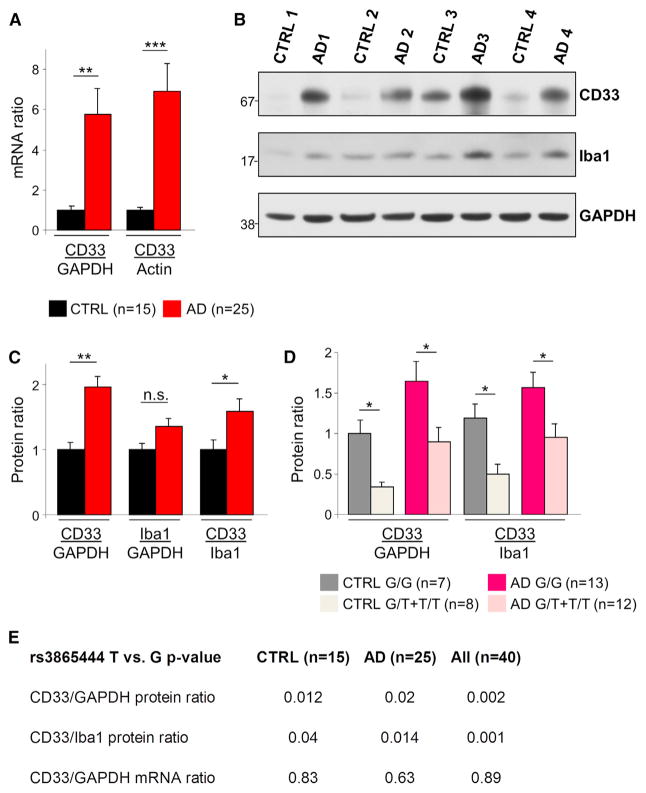
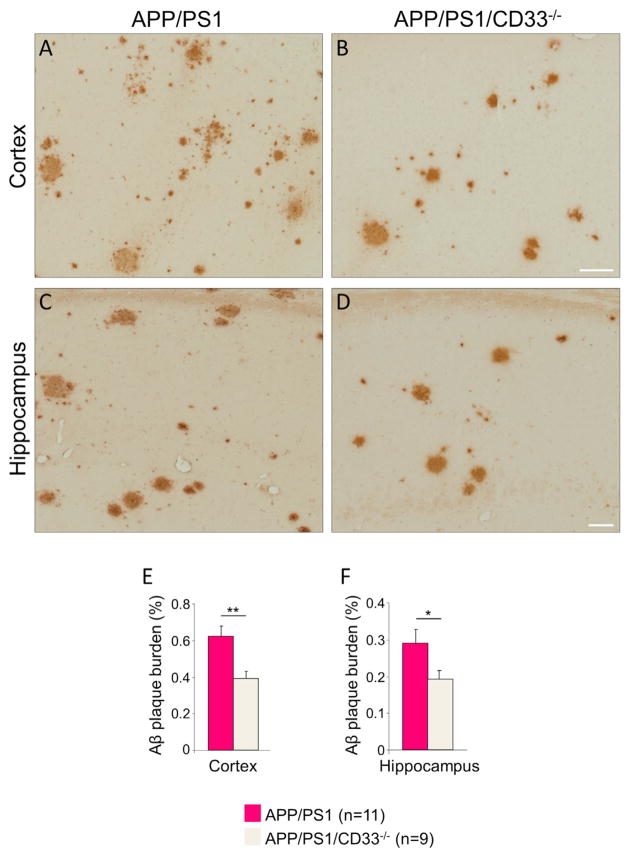
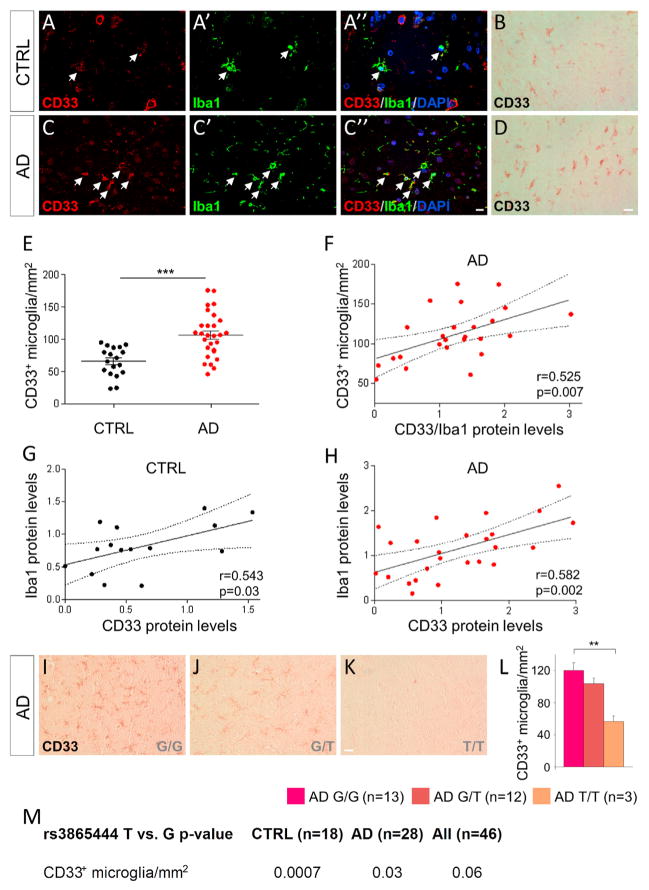
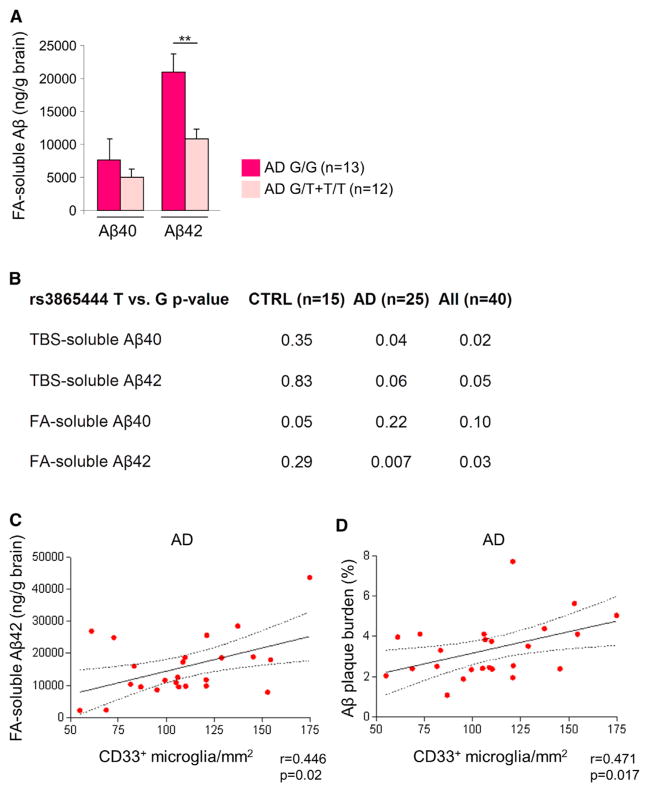
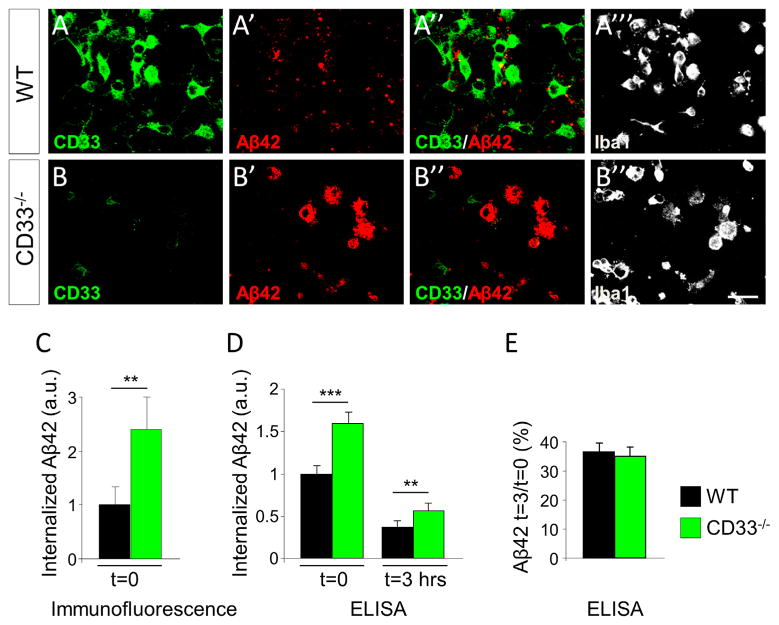
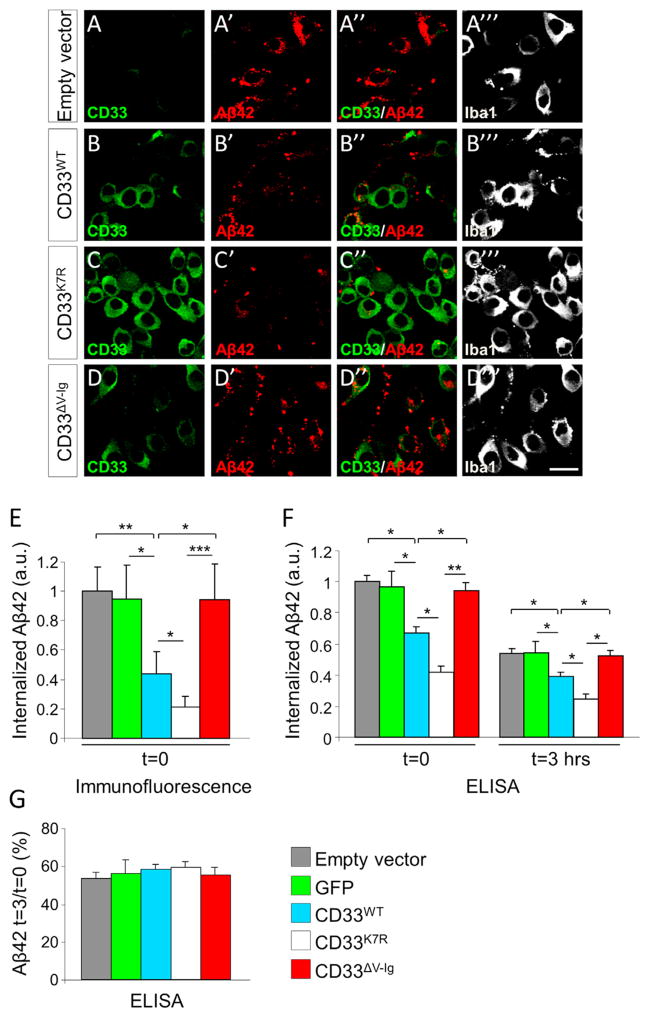
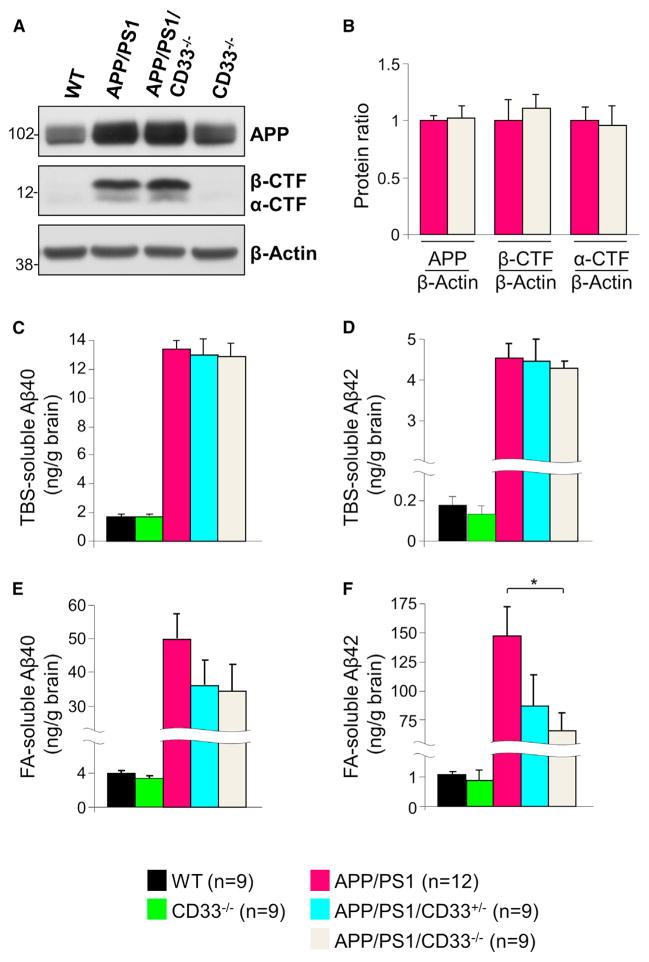
The transmembrane protein CD33 is a sialic acid-binding immunoglobulin-like lectin that regulates innate immunity but has no known functions in the brain. We have previously shown that the CD33 gene is a risk factor for Alzheimer's disease (AD). Here, we observed increased expression of CD33 in microglial cells in AD brain. The minor allele of the CD33 SNP rs3865444, which confers protection against AD, was associated with reductions in both CD33 expression and insoluble amyloid beta 42 (Aβ42) levels in AD brain. Furthermore, the numbers of CD33-immunoreactive microglia were positively correlated with insoluble Aβ42 levels and plaque burden in AD brain. CD33 inhibited uptake and clearance of Aβ42 in microglial cell cultures. Finally, brain levels of insoluble Aβ42 as well as amyloid plaque burden were markedly reduced in APP(Swe)/PS1(ΔE9)/CD33(-/-) mice. Therefore, CD33 inactivation mitigates Aβ pathology and CD33 inhibition could represent a novel therapy for AD.
跨膜蛋白 CD33 是一种唾液酸结合免疫球蛋白样凝集素,它调节先天免疫,但在大脑中没有已知功能。我们之前已经表明,CD33 基因是阿尔茨海默病(AD)的风险因素。在这里,我们观察到 AD 大脑中的小胶质细胞中 CD33 的表达增加。CD33 SNP rs3865444 的次要等位基因赋予 AD 的保护作用,与 AD 大脑中 CD33 表达和不溶性淀粉样蛋白β42(Aβ42)水平的降低有关。此外,CD33 免疫反应性小胶质细胞的数量与 AD 大脑中的不溶性 Aβ42 水平和斑块负担呈正相关。CD33 抑制小胶质细胞培养物中 Aβ42 的摄取和清除。最后,APP(Swe)/PS1(ΔE9)/CD33(-/-) 小鼠的脑内不溶性 Aβ42 水平以及淀粉样斑块负担明显降低。因此,CD33 失活减轻了 Aβ 病理,CD33 抑制可能代表 AD 的一种新疗法。