Jay Kenneth, Brandt Mikkel, Sundstrup Emil, Schraefel Mc, Jakobsen Markus D, Sjøgaard Gisela, Andersen Lars L
National Research Centre for the Working Environment, Lersø Parkallé 105, Copenhagen, Denmark.
BMC Musculoskelet Disord. 2014 Dec 18;15:444. doi: 10.1186/1471-2474-15-444.
Among laboratory technicians, the prevalence of neck and shoulder pain is widespread possibly due to typical daily work tasks such as pipetting, preparing vial samples for analysis, and data processing on a computer including mouse work - all tasks that require precision in motor control and may result in extended periods of time spent in static positions.In populations characterized by intense chronic musculoskeletal pain and diagnosed conditions in conjunction with psycho-physiological symptoms such as stress-related pain and soreness and other disabling conditions, multifactorial approaches applying a combination of individually tailored physical and cognitive strategies targeting the areas most needed, may be an effective solution to the physical and mental health challenges.The aim of this study is therefore to investigate the effect of an individually tailored biopsychosocial intervention strategy on musculoskeletal pain, stress and work disability in lab technicians with a history of musculoskeletal pain at a single worksite in Denmark.
METHODS/DESIGN: In this single-blind two-armed parallel-group randomized controlled trial with allocation concealment, participants receive either an individualized multifactorial intervention or "usual care" for 10 weeks at the worksite.
This study will provide experimental evidence to guide workplace initiatives designed towards reducing chronic musculoskeletal pain and stress.
ClinicalTrials.gov NCT02047669.
在实验室技术人员中,颈部和肩部疼痛的患病率很高,这可能是由于日常典型工作任务所致,如移液、准备用于分析的小瓶样本以及在电脑上进行数据处理(包括使用鼠标)——所有这些任务都需要精确的运动控制,并且可能导致长时间保持静态姿势。在以强烈的慢性肌肉骨骼疼痛以及与心理生理症状(如与压力相关的疼痛和酸痛)和其他致残状况相关的诊断疾病为特征的人群中,采用针对最需要的领域量身定制的身体和认知策略相结合的多因素方法,可能是应对身心健康挑战的有效解决方案。因此,本研究的目的是调查在丹麦一个工作场所,针对有肌肉骨骼疼痛病史的实验室技术人员,量身定制的生物心理社会干预策略对肌肉骨骼疼痛、压力和工作残疾的影响。
方法/设计:在这项具有分配隐藏的单盲双臂平行组随机对照试验中,参与者在工作场所接受为期10周的个性化多因素干预或“常规护理”。
1)女性实验室技术人员(18 - 67岁);2)疼痛强度≥3(0 - 10视觉模拟量表),持续≥3个月,每周频率≥3天,疼痛部位在以下一个或多个区域:i)上背部;ii)下背部;iii)颈部;iv)肩部;v)肘部;和/或vi)手部。
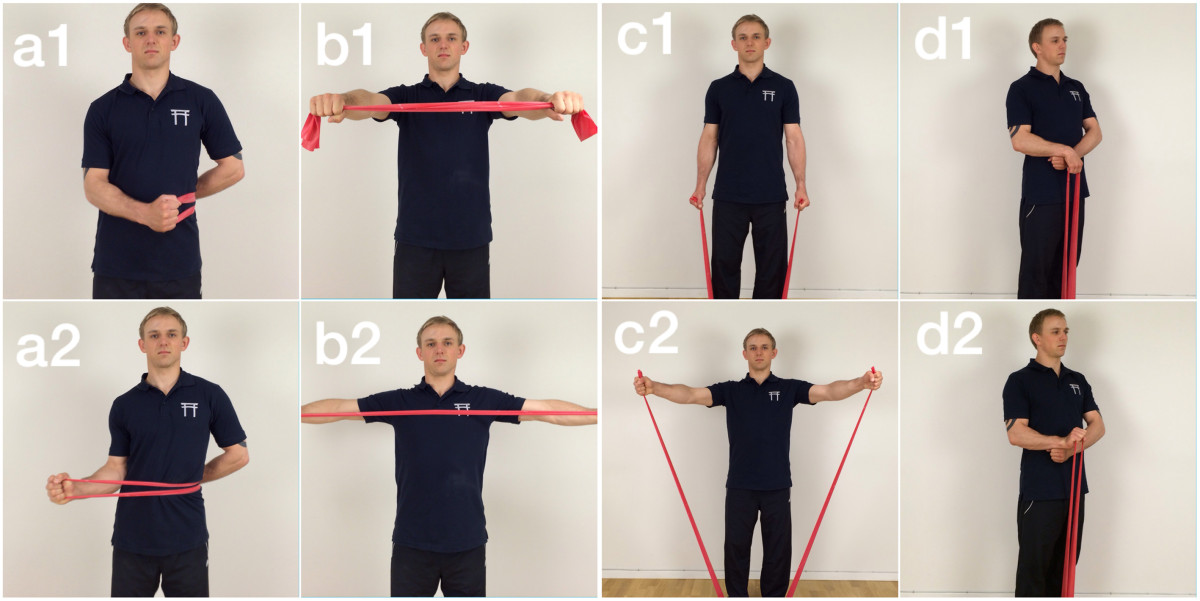
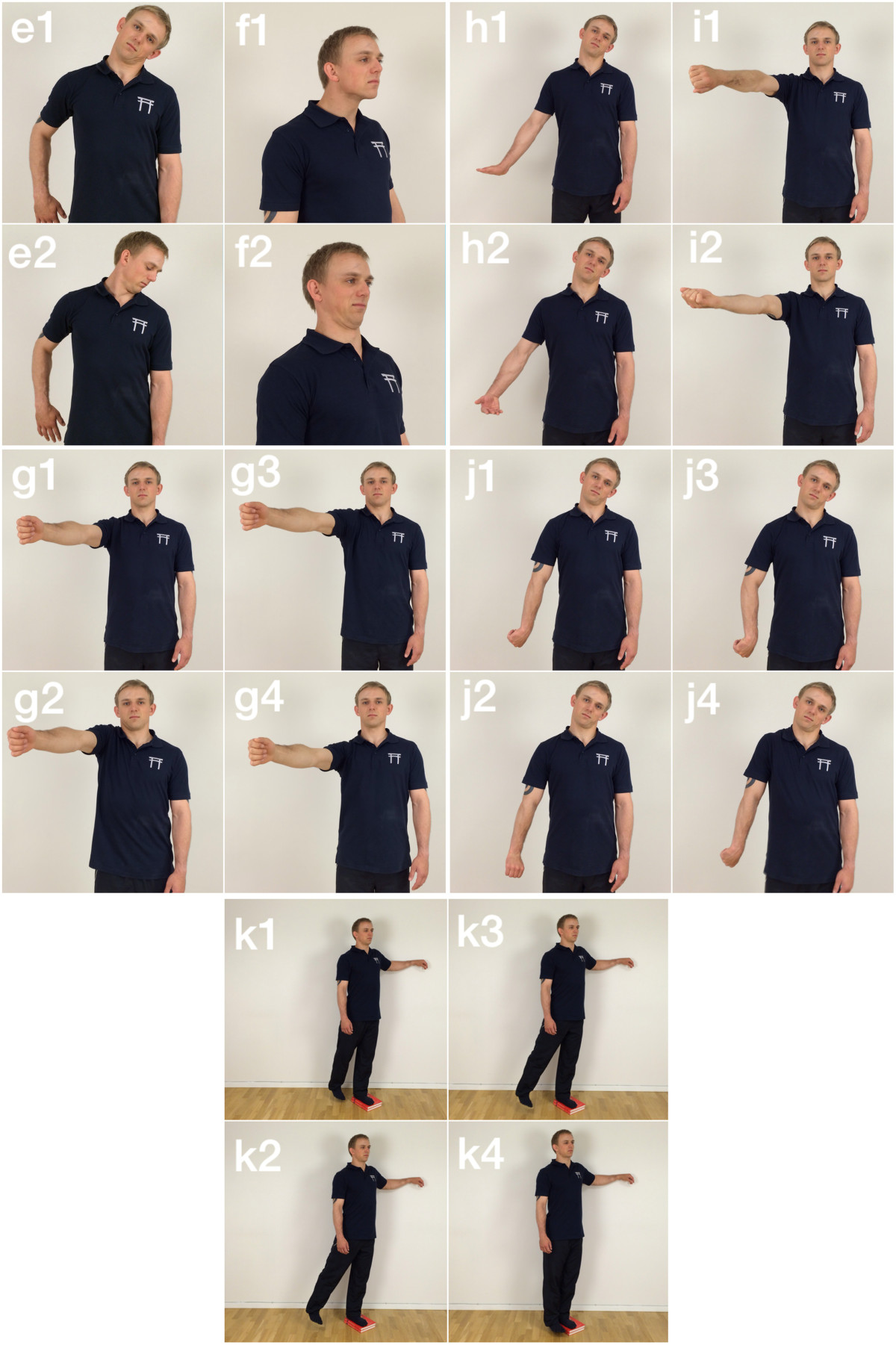
1)危及生命的疾病;2)怀孕。通过科恩感知压力问卷测量的压力不是纳入标准,因此参与者无论其压力水平如何均可参与。我们将实施一项针对肌肉骨骼疼痛的生物心理社会因素的个性化干预,包括以下组成部分:i)通过力量和运动控制训练提高身体能力;ii)通过正念练习降低或预防压力的发展,并通过认知训练学习灾难化疼痛管理策略。10周随访时的主要结局是通过问卷(改良视觉模拟量表0 - 10)评估的上周感知到的肌肉骨骼疼痛强度的组间差异(背部、颈部、肩部、肘部和手部的平均值)。
本研究将提供实验证据,以指导旨在减少慢性肌肉骨骼疼痛和压力的工作场所倡议。
ClinicalTrials.gov NCT02047669。