Udensi Udensi K, Tchounwou Paul B
NIH/NIMHD RCMI Center for Environmental Health, College of Science, Engineering and Technology, Jackson State University, Jackson, MS, 39217, USA.
J Exp Clin Cancer Res. 2014 Dec 18;33:106. doi: 10.1186/s13046-014-0106-5.
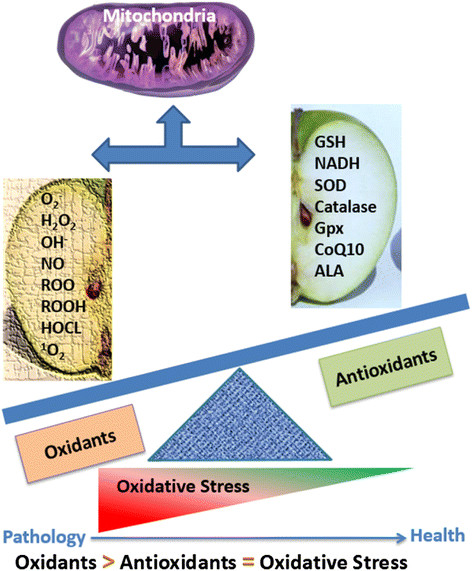
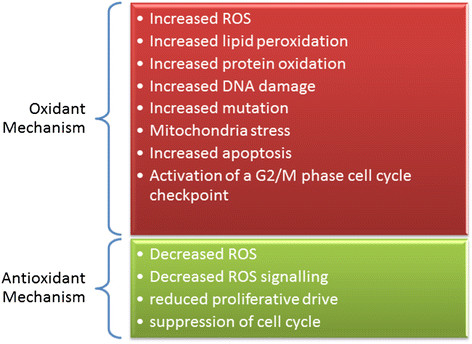
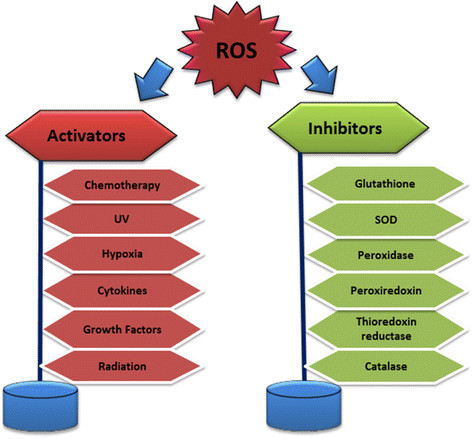
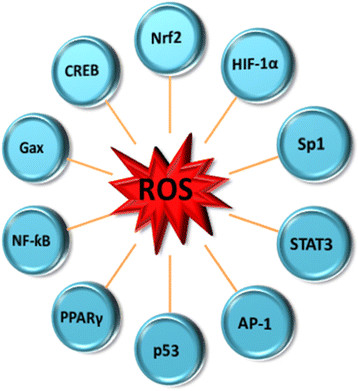
Oxidative stress (OS) has been characterized by an imbalance between the production of reactive oxygen species (ROS) and a biological system's ability to repair oxidative damage or to neutralize the reactive intermediates including peroxides and free radicals. High ROS production has been associated with significant decrease in antioxidant defense mechanisms leading to protein, lipid and DNA damage and subsequent disruption of cellular functions. In humans, OS has been reported to play a role in the pathogenesis of neurodegenerative diseases such as Alzheimer's disease, Huntington's disease, Lou Gehrig's disease, multiple sclerosis and Parkinson's disease, as well as atherosclerosis, autism, cancer, heart failure, and myocardial infarction. Although OS has been linked to the etiology and development of chronic diseases, many chemotherapeutic drugs have been shown to exert their biologic activity through induction of OS in affected cells. This review highlights the controversial role of OS in the development and progression of leukemia cancer and the therapeutic application of increased OS and antioxidant approaches to the treatment of leukemia patients.
氧化应激(OS)的特征是活性氧(ROS)生成与生物系统修复氧化损伤或中和包括过氧化物和自由基在内的反应性中间体的能力之间失衡。高ROS生成与抗氧化防御机制显著下降有关,导致蛋白质、脂质和DNA损伤以及随后的细胞功能破坏。在人类中,据报道OS在神经退行性疾病如阿尔茨海默病、亨廷顿舞蹈症、肌萎缩侧索硬化症、多发性硬化症和帕金森病的发病机制中起作用,以及在动脉粥样硬化、自闭症、癌症、心力衰竭和心肌梗死中也起作用。尽管OS与慢性疾病的病因和发展有关,但许多化疗药物已被证明通过诱导受影响细胞中的OS发挥其生物活性。本综述强调了OS在白血病发生发展中的争议性作用以及增加OS和抗氧化方法在白血病患者治疗中的治疗应用。