Pérez-Isidoro Rosendo, Sierra-Valdez F J, Ruiz-Suárez J C
CINVESTAV-Monterrey, PIIT, Nuevo León, 66600, México.
Sci Rep. 2014 Dec 18;4:7534. doi: 10.1038/srep07534.
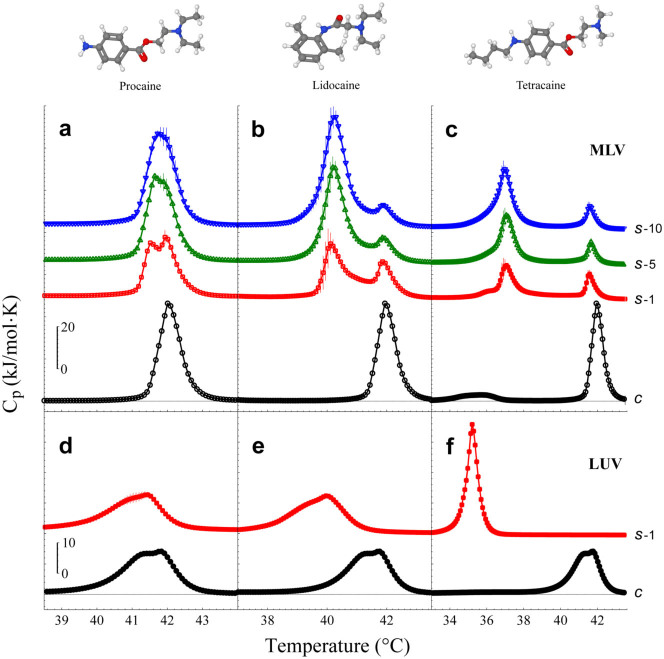
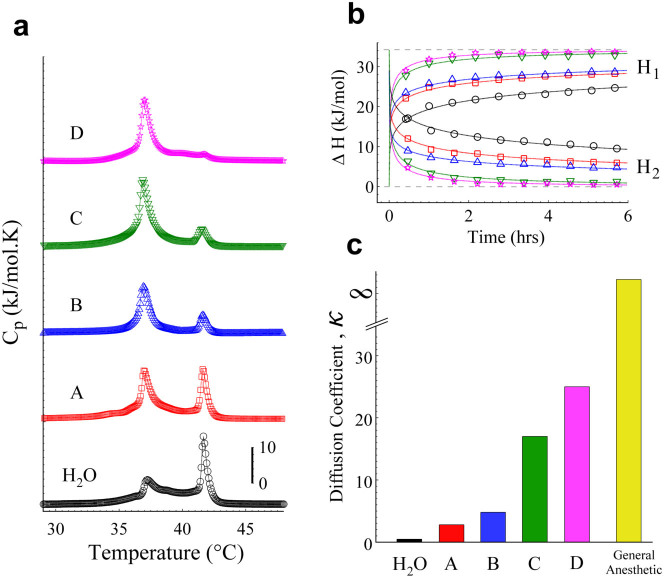
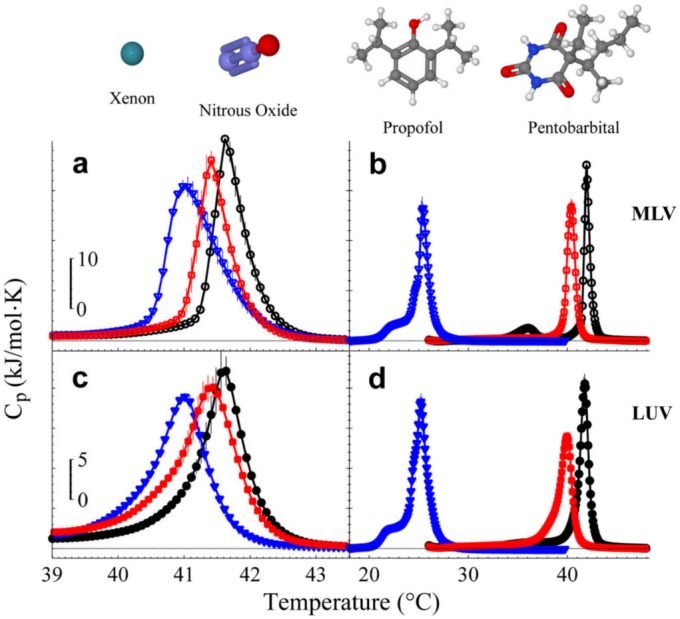
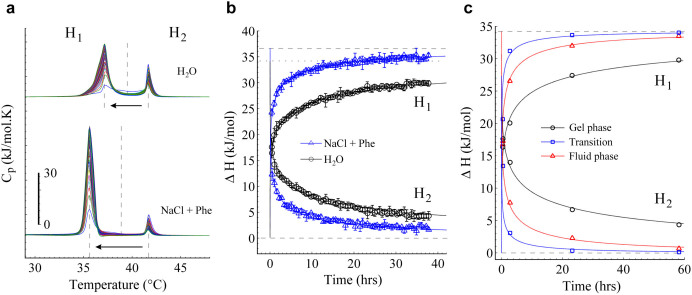
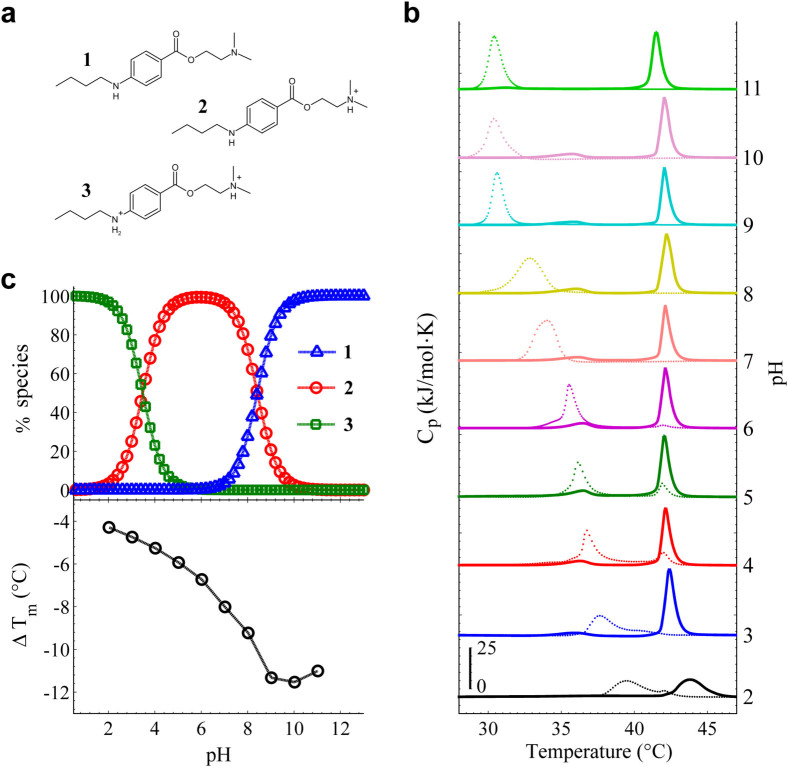
Hundreds of substances possess anesthetic action. However, despite decades of research and tests, a golden rule is required to reconcile the diverse hypothesis behind anesthesia. What makes an anesthetic to be local or general in the first place? The specific targets on proteins, the solubility in lipids, the diffusivity, potency, action time? Here we show that there could be a new player equally or even more important to disentangle the riddle: the protonation rate. Indeed, such rate modulates the diffusion speed of anesthetics into lipid membranes; low protonation rates enhance the diffusion for local anesthetics while high ones reduce it. We show also that there is a pH and membrane phase dependence on the local anesthetic diffusion across multiple lipid bilayers. Based on our findings we incorporate a new clue that may advance our understanding of the anesthetic phenomenon.
数百种物质具有麻醉作用。然而,尽管经过了数十年的研究和测试,仍需要一条黄金法则来协调麻醉背后的各种假设。究竟是什么使得一种麻醉剂首先成为局部麻醉剂或全身麻醉剂呢?是对蛋白质的特定靶点、在脂质中的溶解度、扩散性、效力、作用时间吗?在这里我们表明,可能有一个同样重要甚至更重要的新因素来解开这个谜团:质子化速率。事实上,这种速率调节麻醉剂进入脂质膜的扩散速度;低质子化速率增强局部麻醉剂的扩散,而高质子化速率则降低扩散。我们还表明,局部麻醉剂在多个脂质双层中的扩散存在pH和膜相依赖性。基于我们的发现,我们纳入了一条新线索,这可能会推进我们对麻醉现象的理解。