Laboratory for the Biology of Vectors and Parasites, Tropical Zoology and Ecology Institute, Central University of Venezuela , Caracas , Venezuela.
Front Public Health. 2014 Dec 3;2:265. doi: 10.3389/fpubh.2014.00265. eCollection 2014.
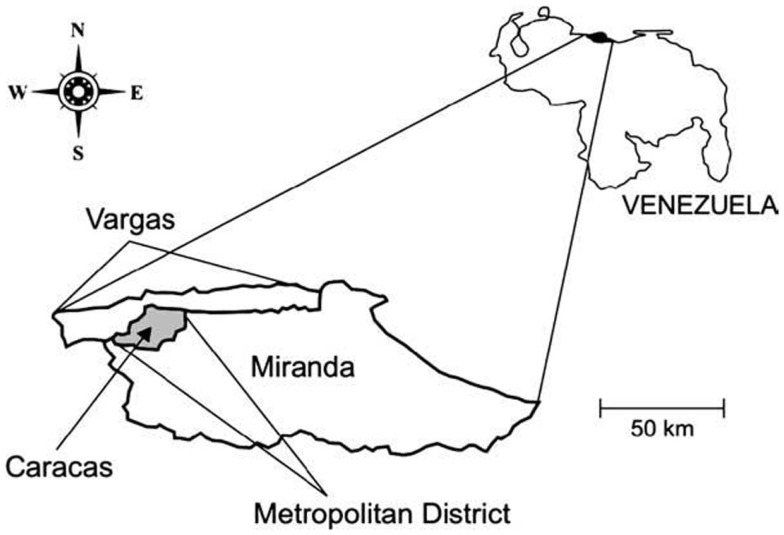
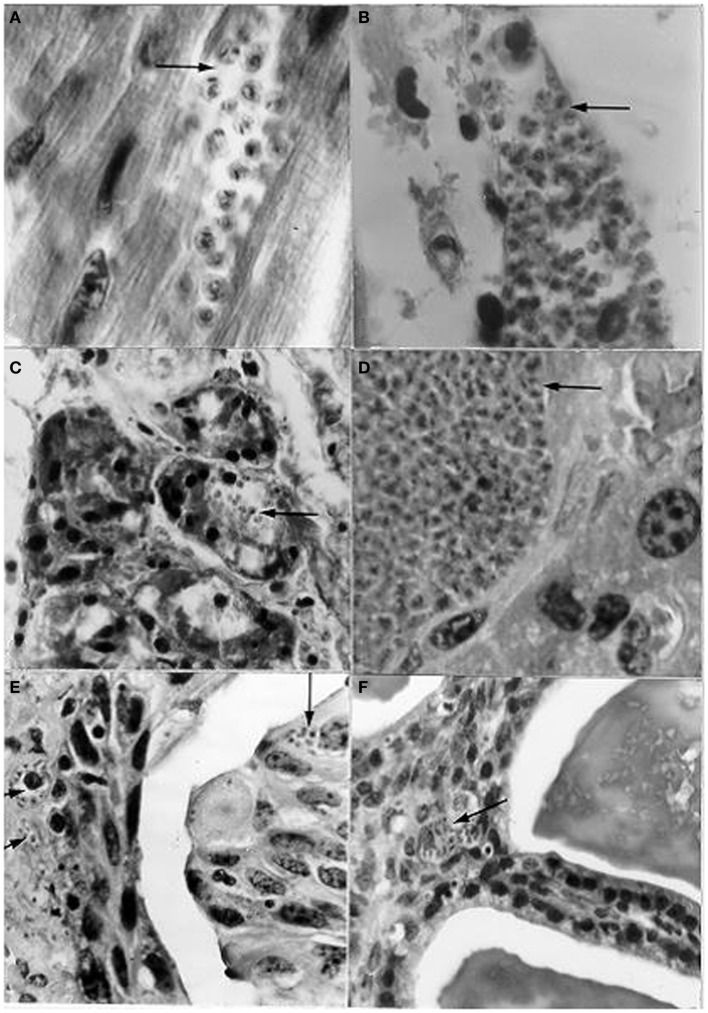
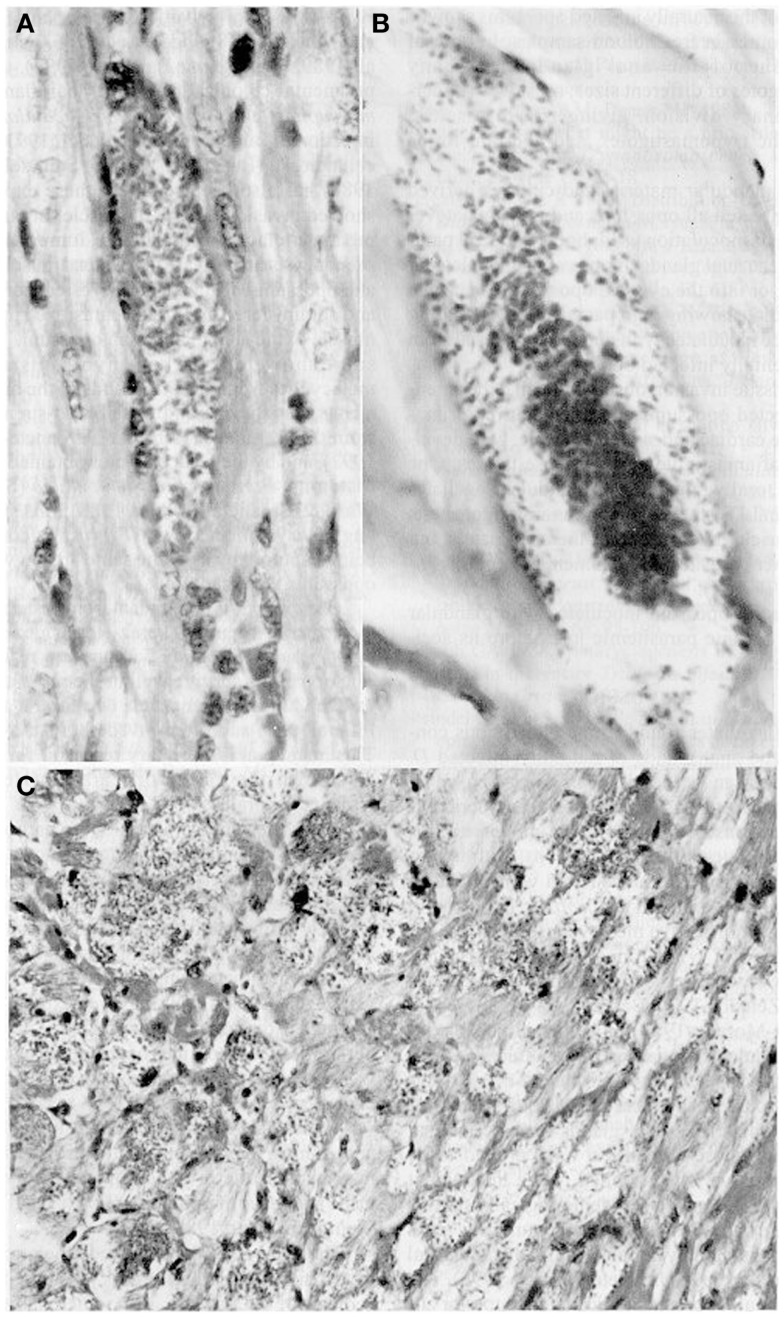
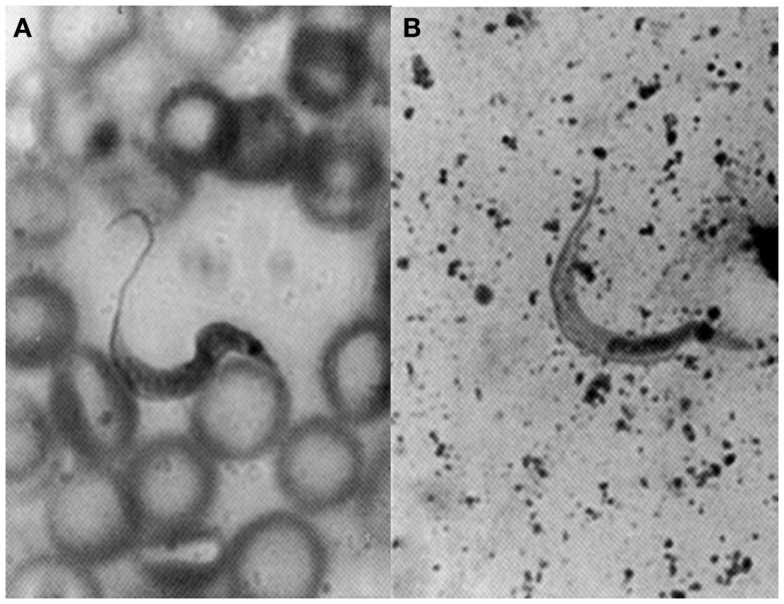
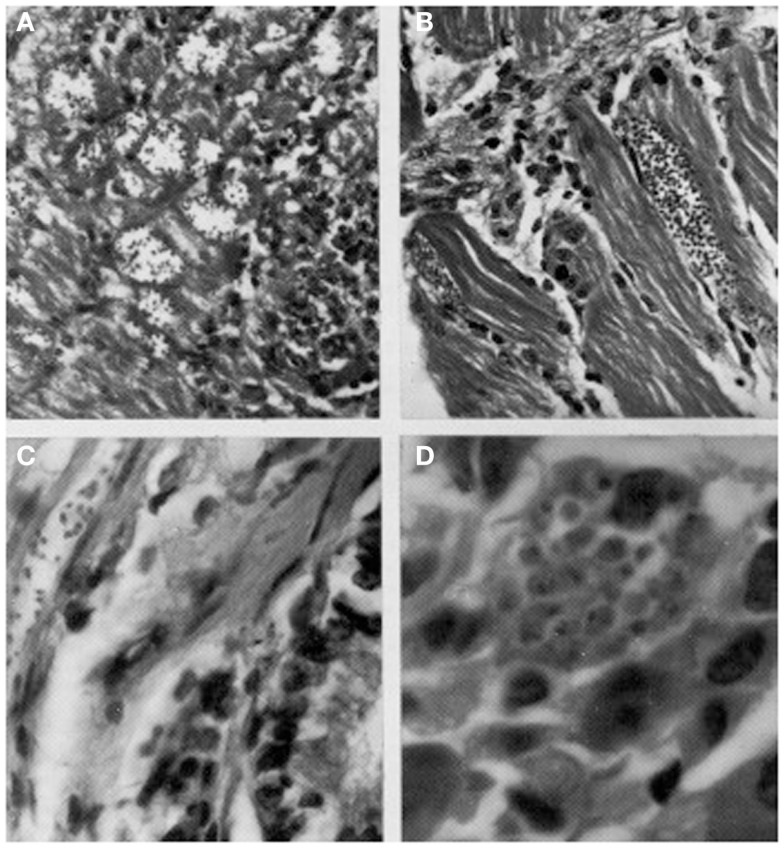
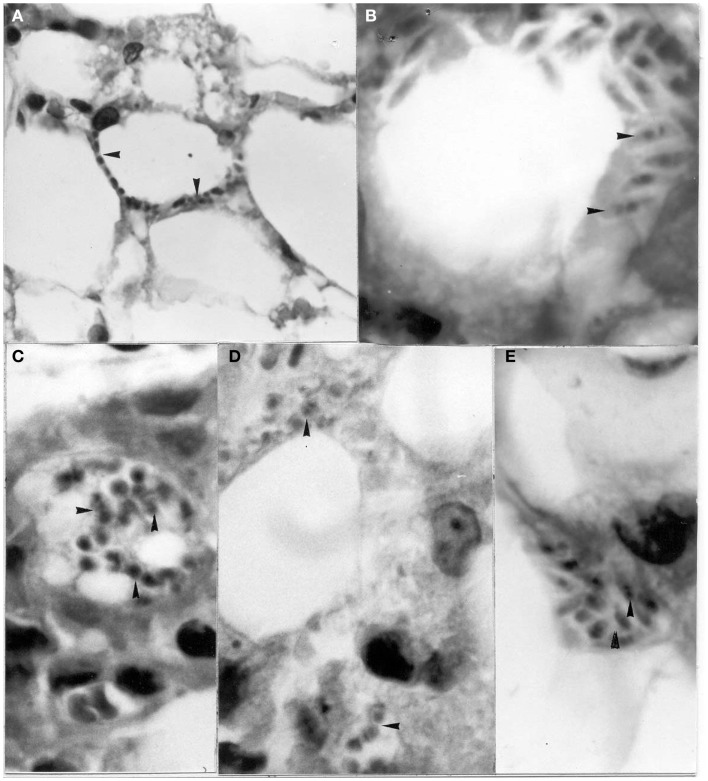
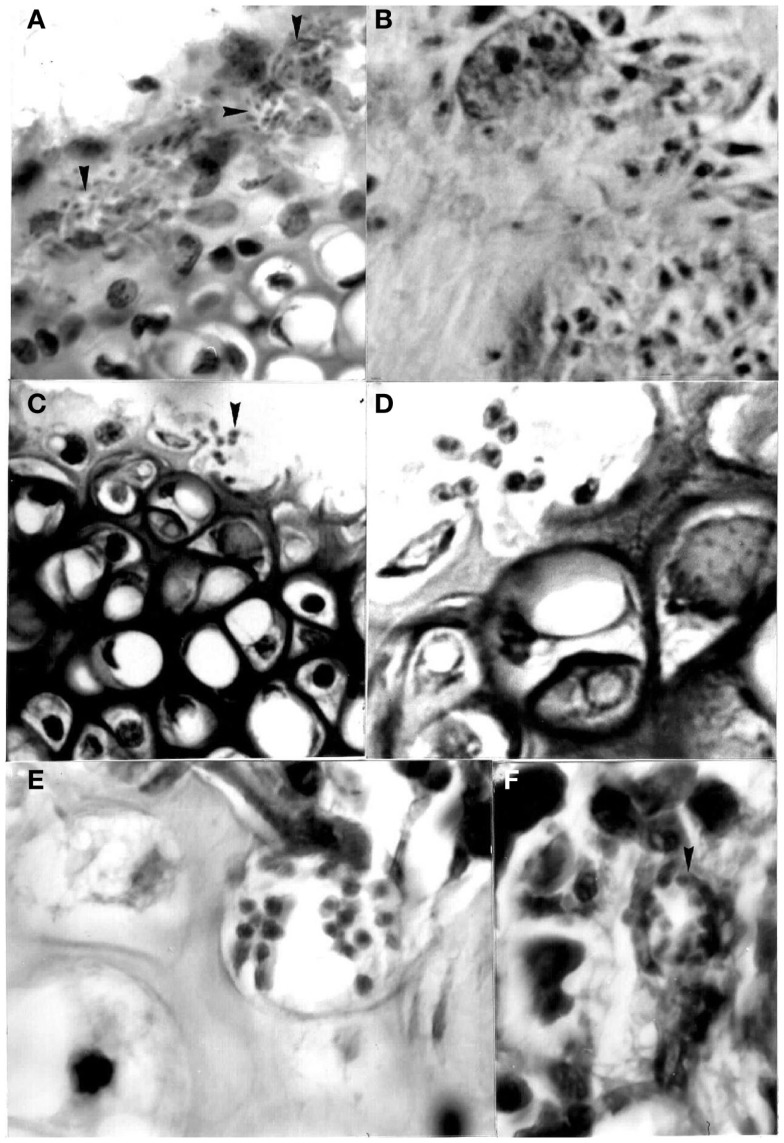
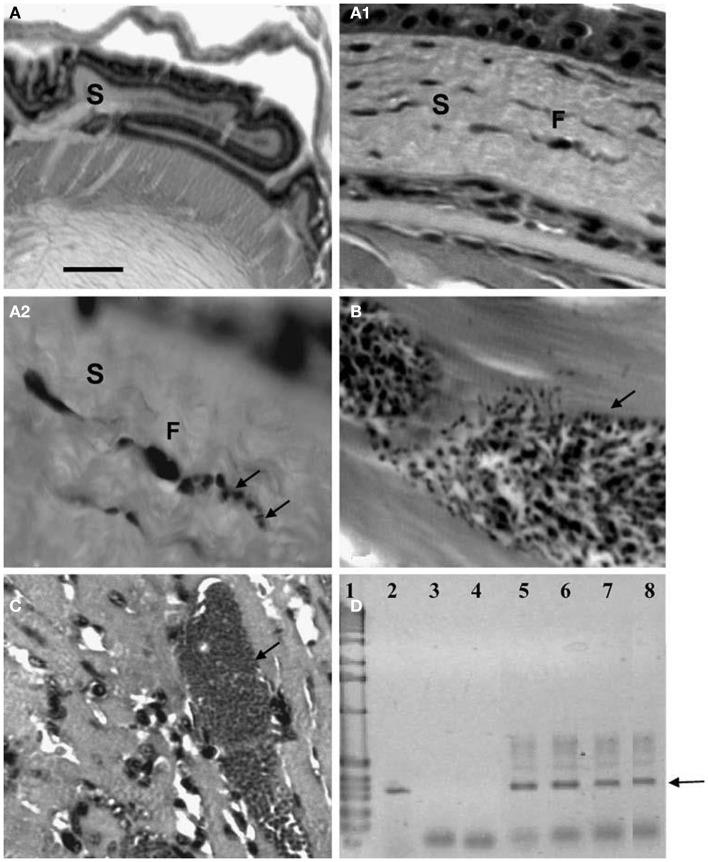
The unprecedented emergence of important public health and veterinary zoonoses is usually a result of exponential population growth and globalization of human activities. I characterized Chagas' disease as an emergent zoonosis in the Caracas Valley (Venezuela) due to the following findings: the presence of reservoirs (Didelphis marsupialis, Rattus rattus) and vectors (Panstrongylus geniculatus, Panstrongylus rufotuberculatus) infected with Trypanosoma cruzi in urbanized or marginalized areas; the elevated contact between P. geniculatus and human beings detected by parasitological and molecular examinations of triatomine feces demonstrated the possibility of transmission risks; a study of outbreaks of urban Chagas' disease reported the first proven case of oral transmission of T. cruzi to human beings; the risk of transmission of glandular metacyclic stages from marsupials by experimental ocular and oral instillation; mice genitalia infected with T. cruzi contaminated blood resulted in the formation of amastigotes very close to the lumen suggesting that there may be a possibility of infection via their release into the urine and thence to the exterior; the ubiquitous histotropism and histopathology of T. cruzi was demonstrated using a mouse model; the presence of experimental T. cruzi pseudocysts in adipose, bone-cartilage, and eye tissue indicated a potential risk for transplants. Socio-sanitary programs that include improvements in housing, vector control, and access to medical treatment, as well as strategies aimed at combating social inequalities, poverty, and underdevelopment should be undertaken in those areas where zoonoses are most prevalent. Disciplines, such as Ecology, Epidemiology, Medical Entomology, Human and Veterinary Medicine, Environmental Studies, Public Health, Social and Political Studies, Immunology, Microbiology, and Pharmacology could all provide important contributions that aim to reduce the occurrence of factors governing the spread of emergent diseases.
重要的人兽共患传染病和兽医传染病的空前出现通常是人类活动的人口增长和全球化的结果。由于以下发现,我将查加斯病描述为加拉加斯山谷(委内瑞拉)的一种新兴人兽共患病:存在受感染的储主(袋狸、褐家鼠)和媒介(潘氏长足硬蜱、红缘革蜱);在城市化或边缘化地区,通过对三锥虫粪便的寄生虫学和分子检查发现潘氏长足硬蜱与人之间的接触增加,表明存在传播风险;对城市查加斯病暴发的研究报告了首例经口传播克氏锥虫感染人类的确诊病例;通过实验性眼部和口服滴注,从有袋动物传播腺期无性循环体的风险;感染克氏锥虫的小鼠生殖器污染血液导致在管腔附近形成无鞭毛体,这表明通过将其释放到尿液中然后释放到外部,可能存在感染的可能性;使用小鼠模型证明了克氏锥虫的普遍组织嗜性和组织病理学;在脂肪、骨软骨和眼部组织中存在实验性克氏锥虫假囊,表明移植存在潜在风险。在人兽共患病最常见的地区,应开展社会卫生计划,包括改善住房、控制媒介和获得医疗服务,以及旨在消除社会不平等、贫困和欠发达的战略。生态学、流行病学、医学昆虫学、人类和兽医医学、环境研究、公共卫生、社会和政治研究、免疫学、微生物学和药理学等学科都可以做出重要贡献,旨在减少控制新兴疾病传播的因素的发生。