Abd Elrazek Abd Elrazek, Bilasy Shymaa E, Elbanna Abduh E M, Elsherif Abd Elhalim A
From the Department of Tropical Medicine, GIT & Hepatology, Faculty of Medicine, Al Azhar University, Al Azhar University Hospitals; Asiut & Cairo (AEMAAE, AEAEs); Department of Biochemistry, Faculty of Pharmacy, Suez Canal University, Ismailia (SEB); and Department of General, Laparoscopic and Bariatric Surgery, Al Husain University Hospital, Faculty of Medicine, Al Azhar University, Cairo, Egypt (AEb).
Medicine (Baltimore). 2014 Dec;93(28):e204. doi: 10.1097/MD.0000000000000204.
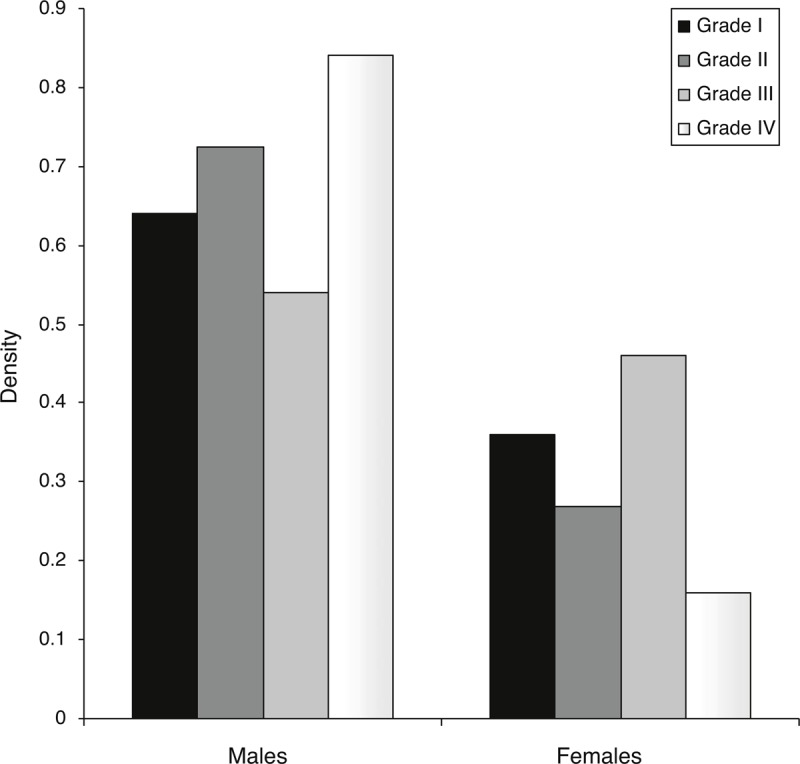
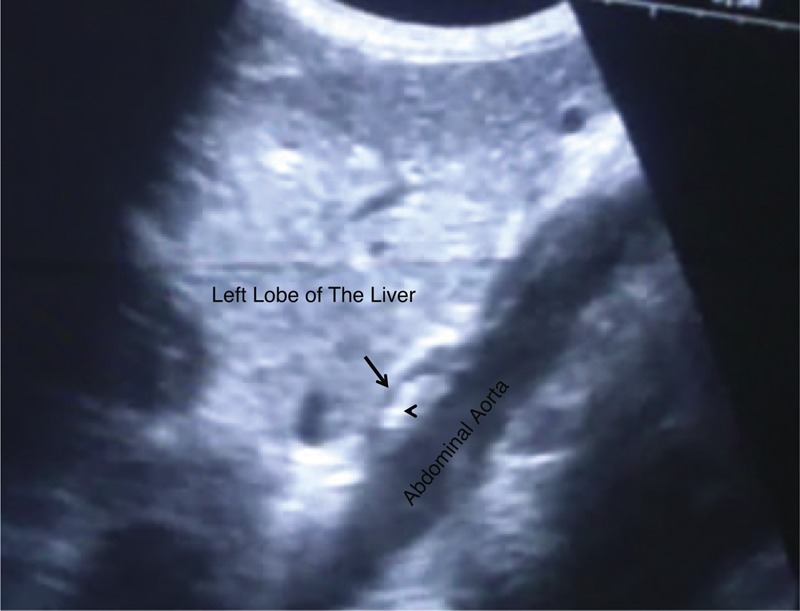
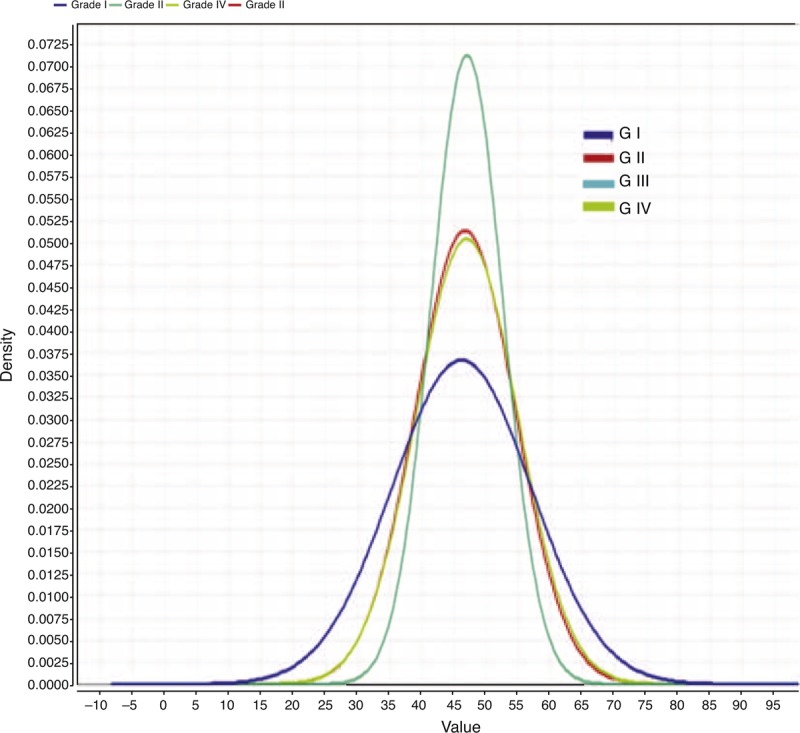
Hepatitis C virus (HCV) affects over 180 million people worldwide and it's the leading cause of chronic liver diseases and hepatocellular carcinoma. HCV is classified into seven major genotypes and a series of subtypes. In general, HCV genotype 4 (HCV-4) is common in the Middle East and Africa, where it is responsible for more than 80% of HCV infections. Although HCV-4 is the cause of approximately 20% of the 180 million cases of chronic hepatitis C worldwide, it has not been a major subject of research yet. The aim of the current study is to survey the morbidities and disease complications among Egyptian population infected with HCV-4 using data mining advanced computing methods mainly and other complementary statistical analysis. Six thousand six hundred sixty subjects, aged between 17 and 58 years old, from different Egyptian Governorates were screened for HCV infection by ELISA and qualitative PCR. HCV-positive patients were further investigated for the incidence of liver cirrhosis and esophageal varices. Obtained data were analyzed by data mining approach. Among 6660 subjects enrolled in this survey, 1018 patients (15.28%) were HCV-positive. Proportion of infected-males was significantly higher than females; 61.6% versus 38.4% (P=0.0052). Around two-third of infected-patients (635/1018; 62.4%) were presented with liver cirrhosis. Additionally, approximately half of the cirrhotic patients (301/635; 47.4%) showed degrees of large esophageal varices (LEVs), with higher variceal grade observed in males. Age for esophageal variceal development was 47±1. Data mining analysis yielded esophageal wall thickness (>6.5 mm), determined by conventional U/S, as the only independent predictor for esophageal varices. This study emphasizes the high prevalence of HCV infection among Egyptian population, in particular among males. Egyptians with HCV-4 infection are at a higher risk to develop cirrhotic liver and esophageal varices. Data mining, a new analytic technique in medical field, shed light in this study on the clinical importance of esophageal wall thickness as a useful predictor for risky esophageal varices using decision tree algorithm.
丙型肝炎病毒(HCV)在全球感染超过1.8亿人,是慢性肝病和肝细胞癌的主要病因。HCV分为七个主要基因型和一系列亚型。一般来说,HCV基因型4(HCV-4)在中东和非洲较为常见,在这些地区,它导致了超过80%的HCV感染。尽管HCV-4在全球1.8亿例慢性丙型肝炎病例中约占20%,但它尚未成为主要的研究对象。本研究的目的主要是使用数据挖掘先进计算方法以及其他补充性统计分析,调查感染HCV-4的埃及人群中的发病率和疾病并发症。对来自埃及不同省份的6660名年龄在17至58岁之间的受试者进行了ELISA和定性PCR检测,以筛查HCV感染。对HCV阳性患者进一步调查肝硬化和食管静脉曲张的发病率。所获数据采用数据挖掘方法进行分析。在参与本次调查的6660名受试者中,1018名患者(15.28%)HCV呈阳性。感染男性的比例显著高于女性;分别为61.6%和38.4%(P = 0.0052)。约三分之二的感染患者(635/1018;62.4%)患有肝硬化。此外,大约一半的肝硬化患者(301/635;47.4%)出现不同程度的大食管静脉曲张(LEV),男性的静脉曲张分级更高。食管静脉曲张发生的年龄为47±1岁。数据挖掘分析得出,通过传统超声测定的食管壁厚度(>6.5毫米)是食管静脉曲张的唯一独立预测指标。本研究强调了HCV感染在埃及人群中,尤其是男性中的高患病率。感染HCV-4的埃及人发生肝硬化和食管静脉曲张的风险更高。数据挖掘作为医学领域的一种新分析技术,在本研究中利用决策树算法揭示了食管壁厚度作为危险食管静脉曲张有用预测指标的临床重要性。