Fei Ping, Zaitoun Ismail, Farnoodian Mitra, Fisk Debra L, Wang Shoujian, Sorenson Christine M, Sheibani Nader
Department of Ophthalmology and Visual Sciences, University of Wisconsin School of Medicine and Public Health, Madison, Wisconsin, United States of America.
Department of Pediatrics, University of Wisconsin School of Medicine and Public Health, Madison, Wisconsin, United States of America; McPherson Eye Research Institute, University of Wisconsin School of Medicine and Public Health, Madison, Wisconsin, United States of America.
PLoS One. 2014 Dec 30;9(12):e116423. doi: 10.1371/journal.pone.0116423. eCollection 2014.
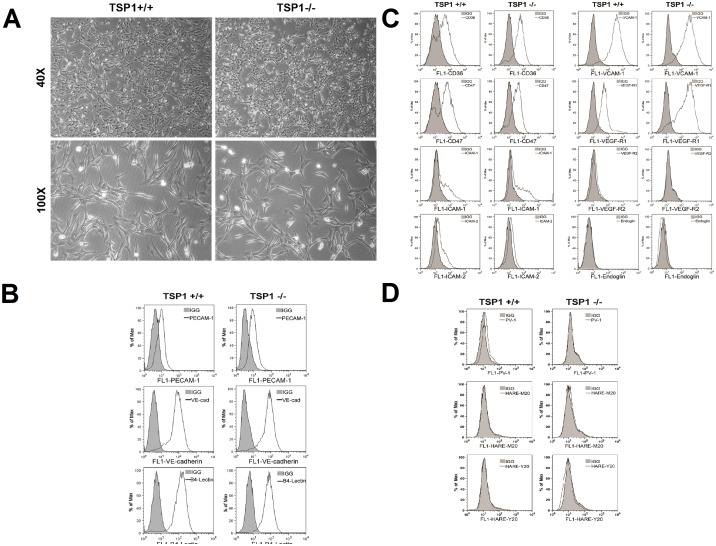
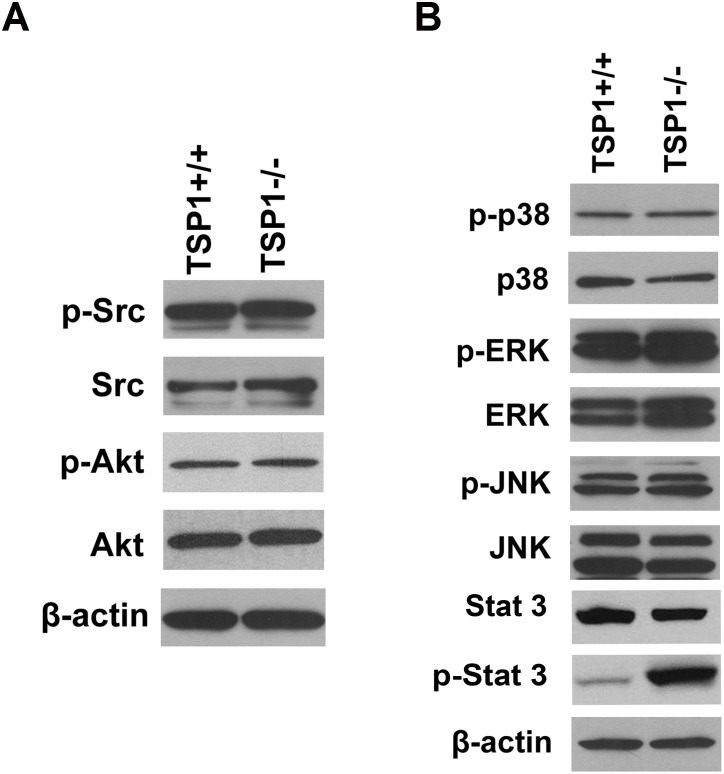
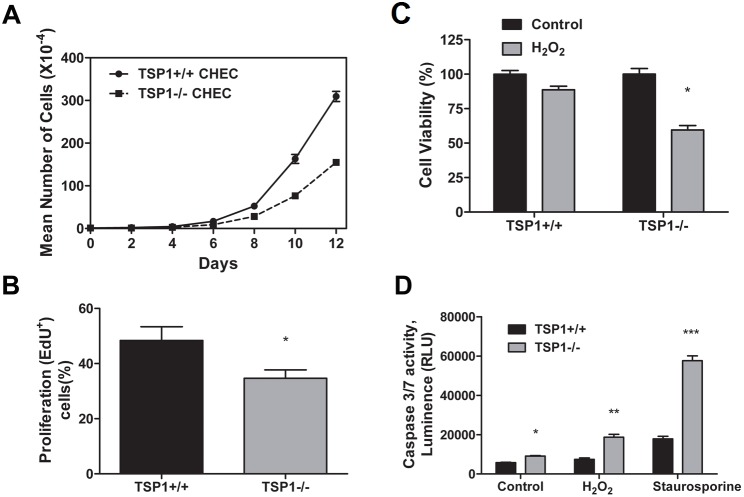
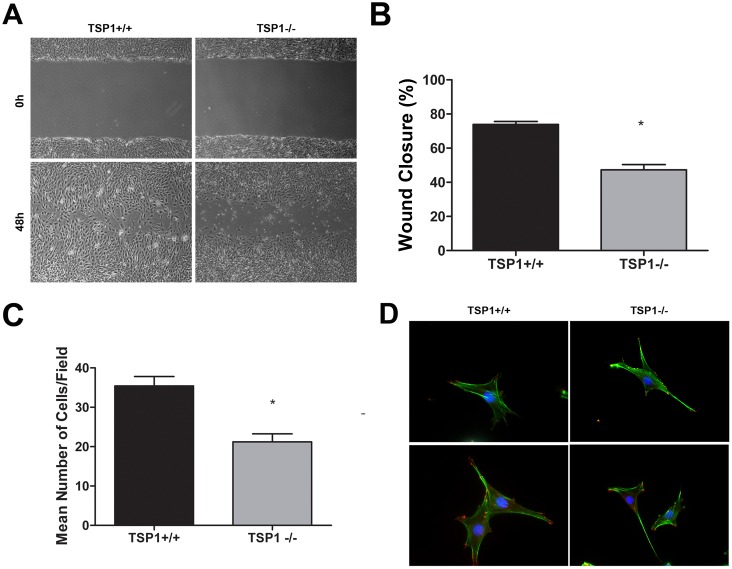
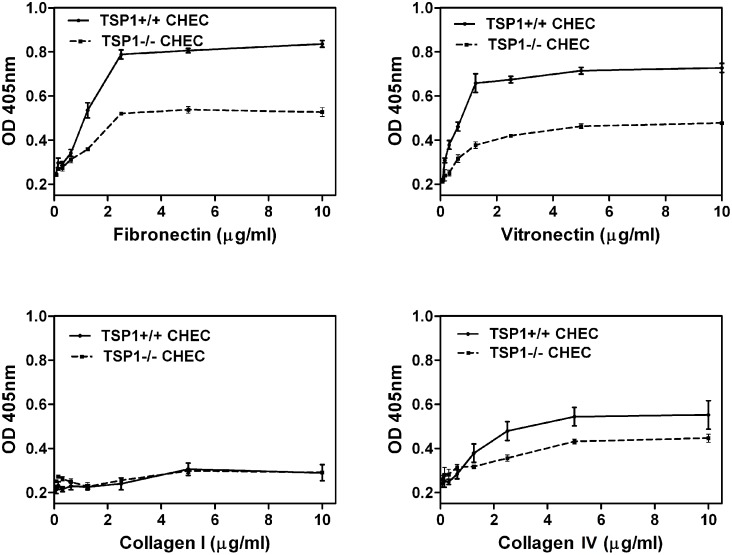
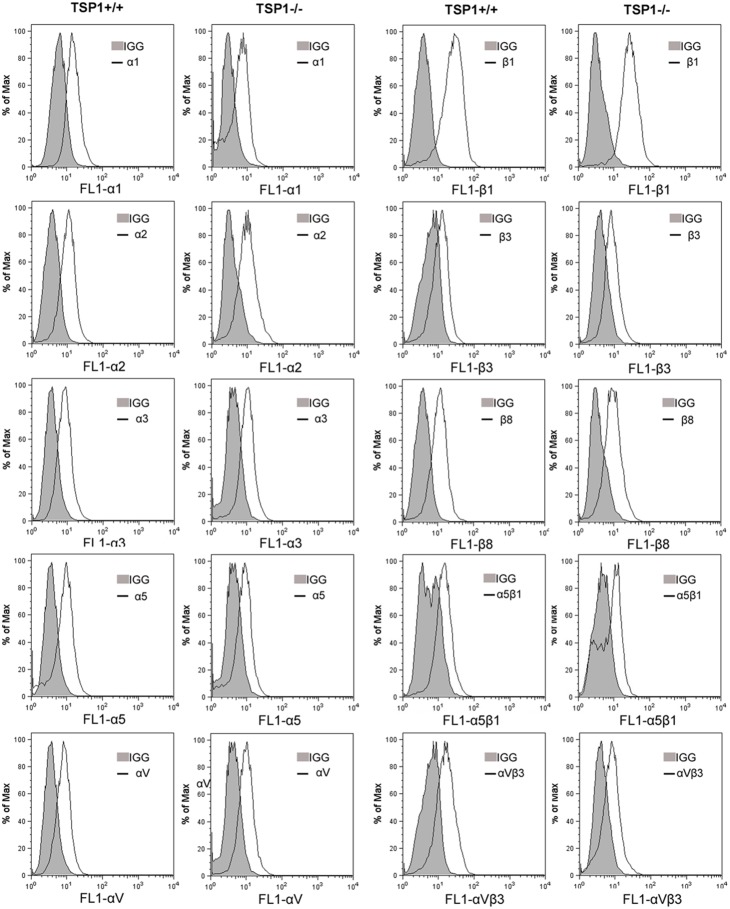
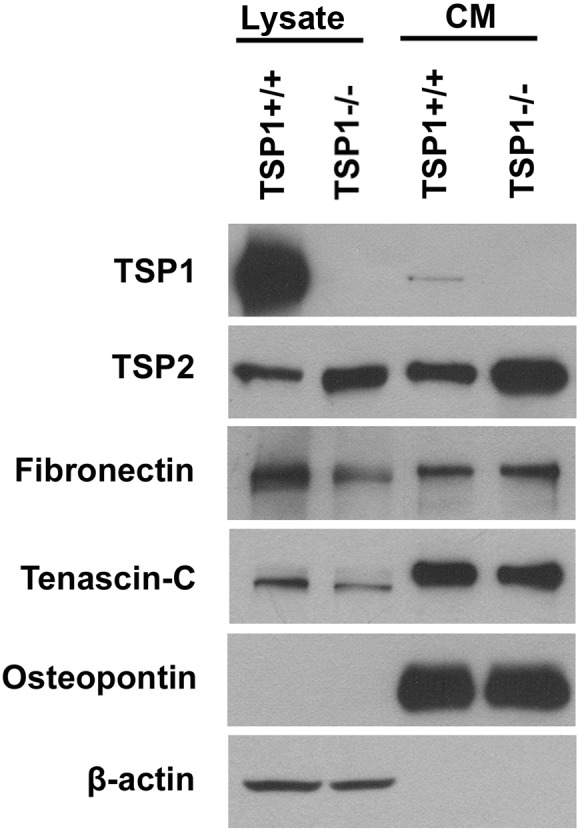
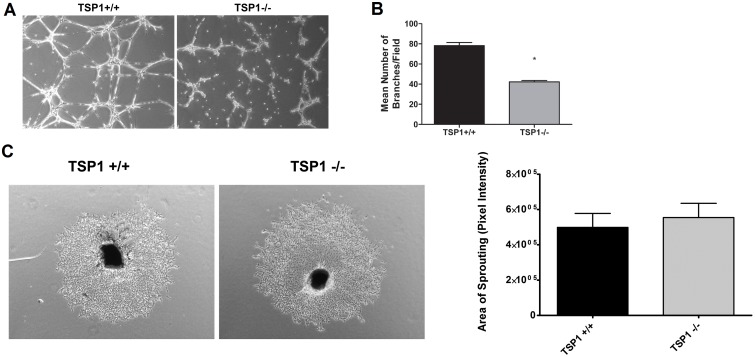
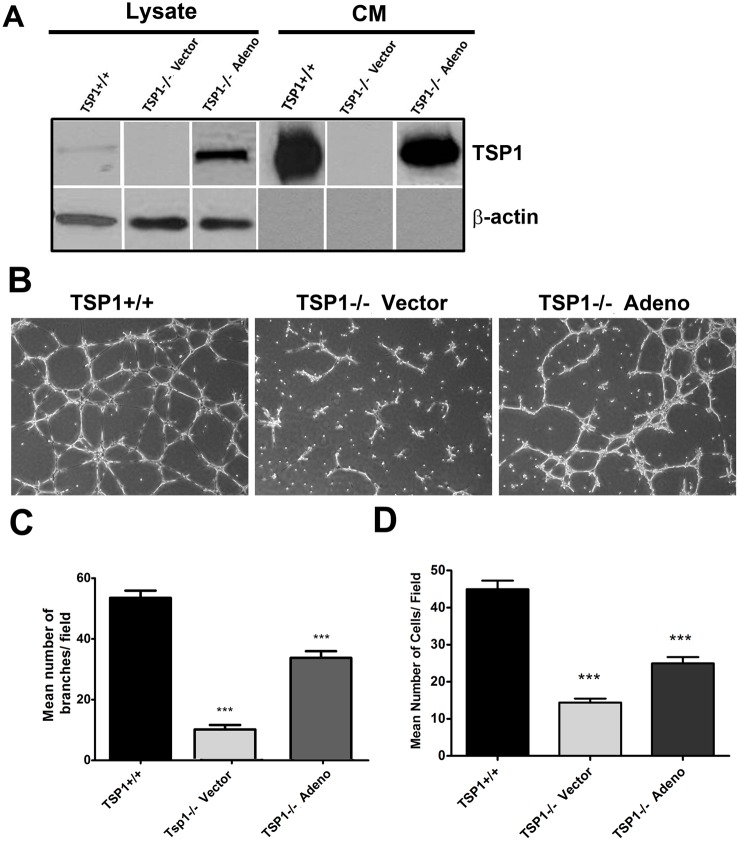
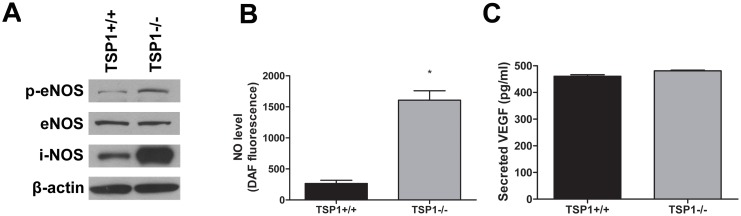
The choroidal circulation plays a central role in maintaining the health of outer retina and photoreceptor function. Alterations in this circulation contribute to pathogenesis of many eye diseases including exudative age-related macular degeneration. Unfortunately, very little is known about the choroidal circulation and its molecular and cellular regulation. This has been further hampered by the lack of methods for routine culturing of choroidal endothelial cells (ChEC), especially from wild type and transgenic mice. Here we describe a method for isolation and culturing of mouse ChEC. We show that expression of thrombospondin-1 (TSP1), an endogenous inhibitor of angiogenesis and inflammation, has a significant impact on phenotype of ChEC. ChEC from TSP1-deficient (TSP1-/-) mice were less proliferative and more apoptotic, less migratory and less adherent, and failed to undergo capillary morphogenesis in Matrigel. However, re-expression of TSP1 was sufficient to restore TSP1-/- ChEC migration and capillary morphogenesis. TSP1-/- ChEC expressed increased levels of TSP2, phosphorylated endothelial nitric oxide synthase (NOS) and inducible NOS (iNOS), a marker of inflammation, which was associated with significantly higher level of NO and oxidative stress in these cells. Wild type and TSP1-/- ChEC produced similar levels of VEGF, although TSP1-/- ChEC exhibited increased levels of VEGF-R1 and pSTAT3. Other signaling pathways including Src, Akt, and MAPKs were not dramatically affected by the lack of TSP1. Together our results demonstrate an important autocrine role for TSP1 in regulation of ChEC phenotype.
脉络膜循环在维持视网膜外层健康和光感受器功能方面起着核心作用。这种循环的改变会导致包括渗出性年龄相关性黄斑变性在内的许多眼部疾病的发病机制。不幸的是,人们对脉络膜循环及其分子和细胞调节知之甚少。常规培养脉络膜内皮细胞(ChEC)的方法的缺乏,尤其是来自野生型和转基因小鼠的ChEC,进一步阻碍了这方面的研究。在这里,我们描述了一种分离和培养小鼠ChEC的方法。我们发现血小板反应蛋白-1(TSP1),一种血管生成和炎症的内源性抑制剂,其表达对ChEC的表型有显著影响。来自TSP1缺陷(TSP1-/-)小鼠的ChEC增殖较少且凋亡较多,迁移较少且黏附较少,并且在基质胶中无法形成毛细血管形态。然而,TSP1的重新表达足以恢复TSP1-/- ChEC的迁移和毛细血管形态。TSP1-/- ChEC表达的TSP2、磷酸化内皮型一氧化氮合酶(NOS)和诱导型NOS(iNOS,一种炎症标志物)水平升高,这与这些细胞中显著更高水平的NO和氧化应激相关。野生型和TSP1-/- ChEC产生的VEGF水平相似,尽管TSP1-/- ChEC的VEGF-R1和pSTAT3水平升高。包括Src、Akt和MAPKs在内的其他信号通路并未受到TSP1缺乏的显著影响。我们的结果共同证明了TSP1在调节ChEC表型中具有重要的自分泌作用。