Senning Eric N, Gordon Sharona E
Department of Physiology and Biophysics, University of Washington, Seattle, United States.
Elife. 2015 Jan 8;4:e03819. doi: 10.7554/eLife.03819.
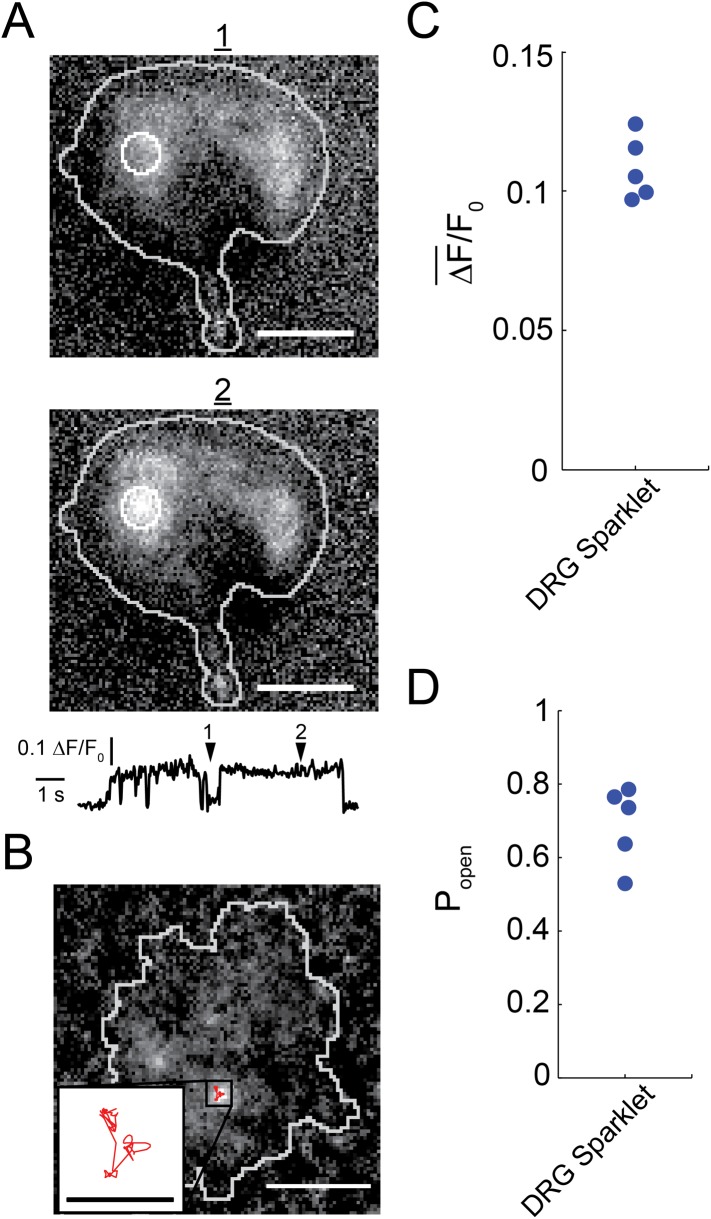
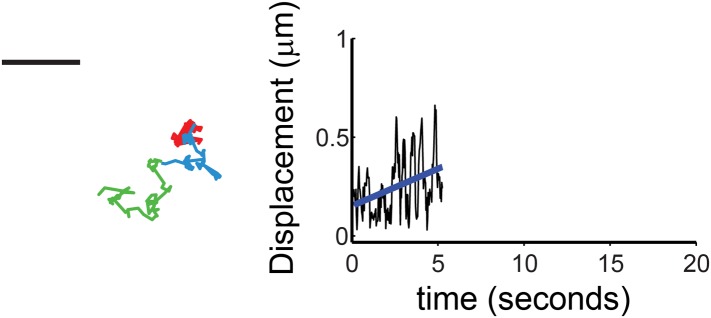
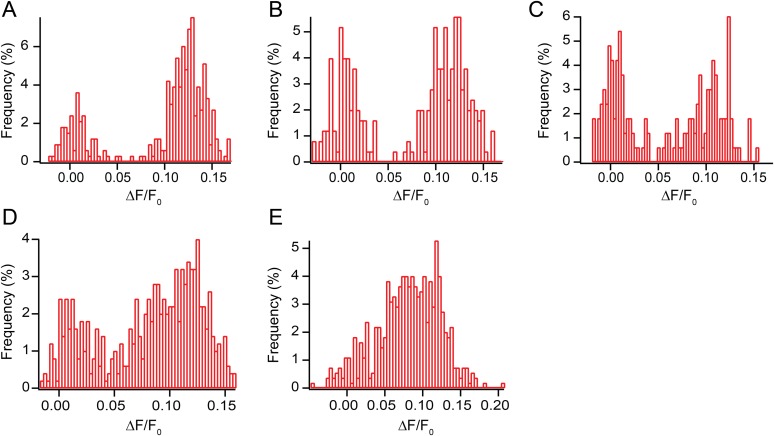
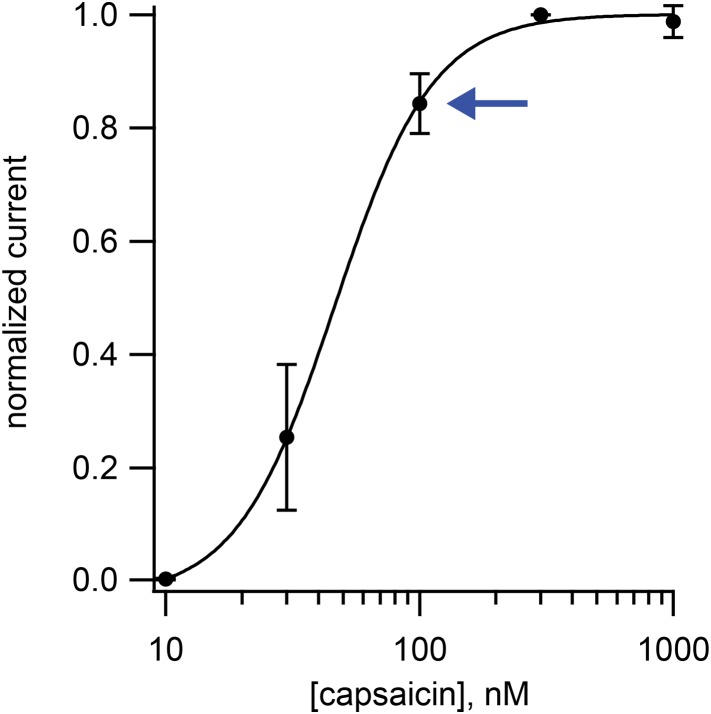
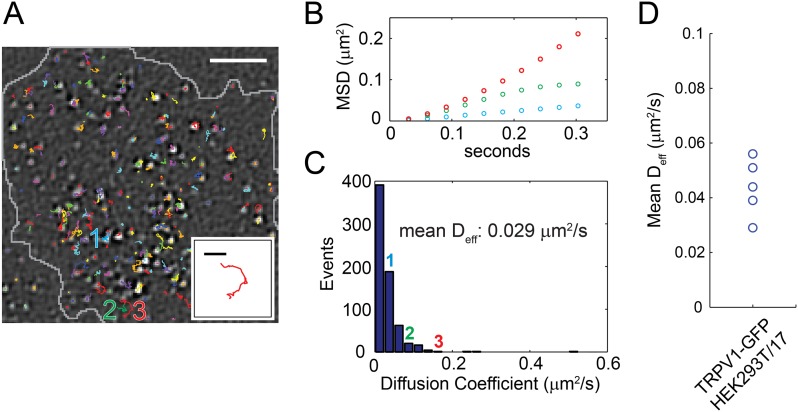
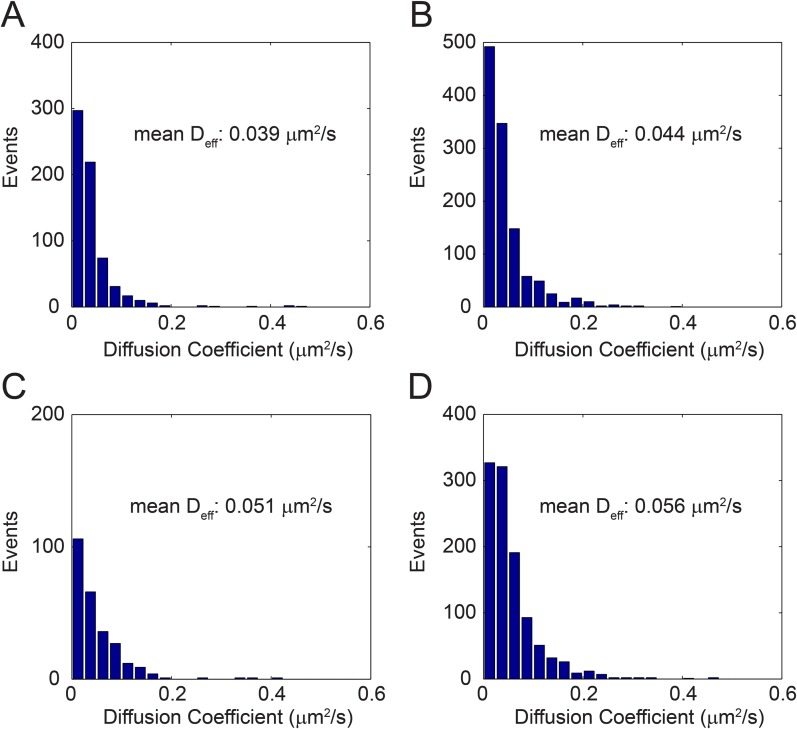
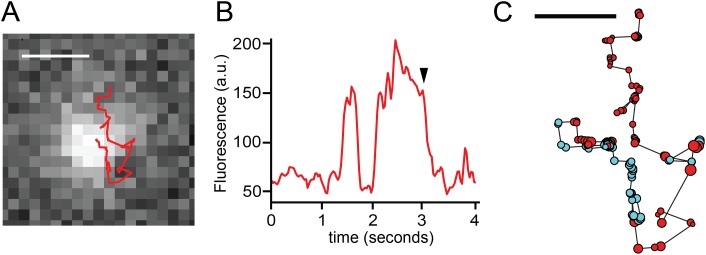
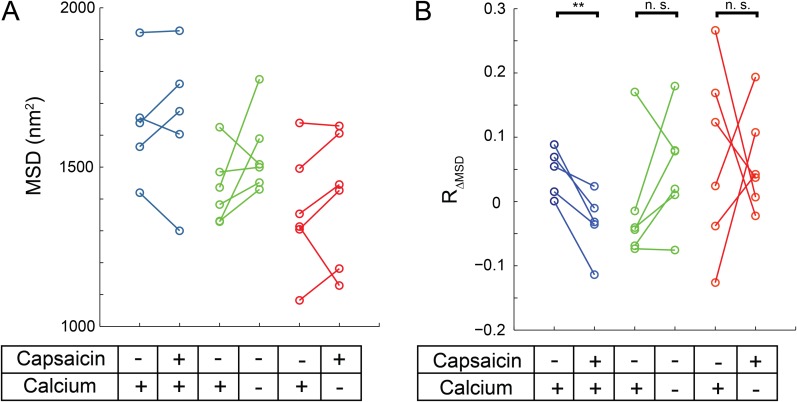
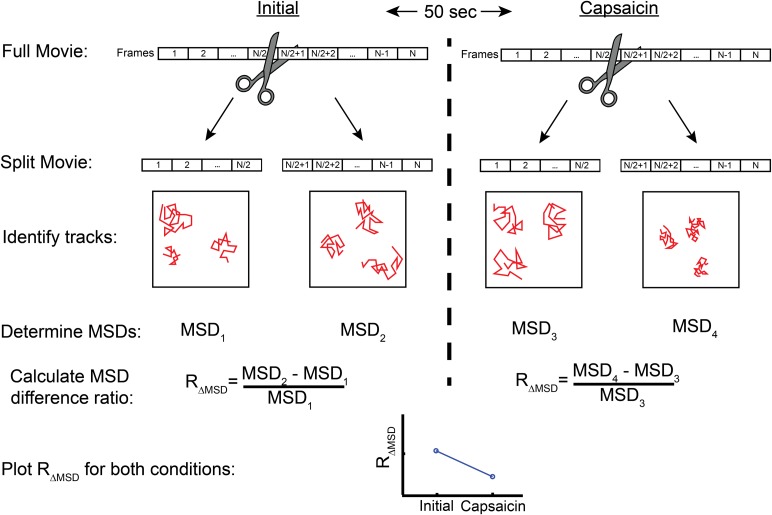
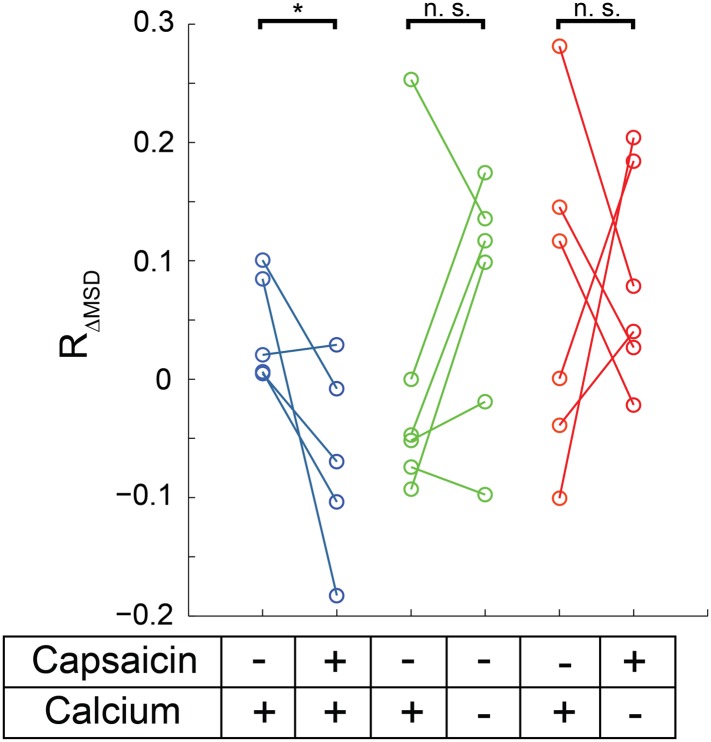
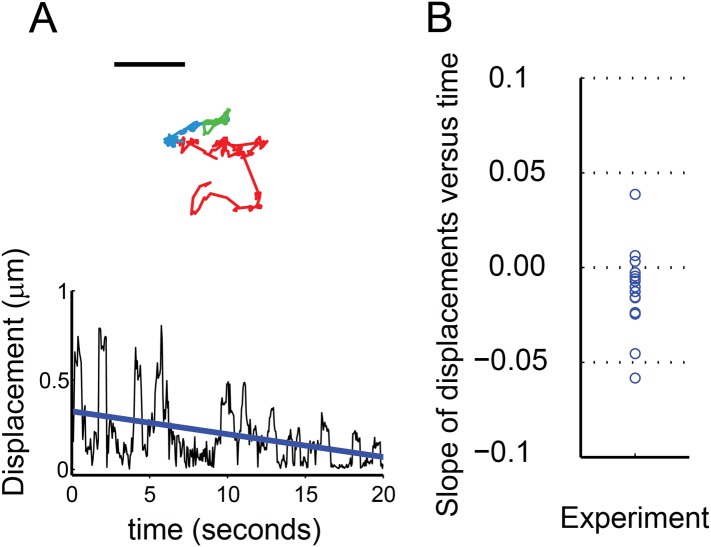
TRPV1 channels are gated by a variety of thermal, chemical, and mechanical stimuli. We used optical recording of Ca(2+) influx through TRPV1 to measure activity and mobility of single TRPV1 molecules in isolated dorsal root ganglion neurons and cell lines. The opening of single TRPV1 channels produced sparklets, representing localized regions of elevated Ca(2+). Unlike sparklets reported for L-type Ca(2+) channels, TRPV4 channels, and AchR channels, TRPV1 channels diffused laterally in the plasma membrane as they gated. Mobility was highly variable from channel-to-channel and, to a smaller extent, from cell to cell. Most surprisingly, we found that mobility decreased upon channel activation by capsaicin, but only in the presence of extracellular Ca(2+). We propose that decreased mobility of open TRPV1 could act as a diffusion trap to concentrate channels in cell regions with high activity.
瞬时受体电位香草酸亚型1(TRPV1)通道可被多种热、化学和机械刺激激活。我们利用光学记录通过TRPV1的钙离子内流,来测量单个TRPV1分子在分离的背根神经节神经元和细胞系中的活性和移动性。单个TRPV1通道的开放产生了小火花,代表钙离子浓度升高的局部区域。与报道的L型钙离子通道、TRPV4通道和乙酰胆碱受体(AchR)通道的小火花不同,TRPV1通道在门控时在质膜中横向扩散。通道之间的移动性差异很大,细胞之间的差异较小。最令人惊讶的是,我们发现辣椒素激活通道后移动性降低,但仅在细胞外存在钙离子的情况下如此。我们提出,开放的TRPV1移动性降低可作为一种扩散陷阱,将通道集中在高活性的细胞区域。