Diaz James H, Prabhakar Amit, Urman Richard D, Kaye Alan David
Critical Care Medicine, Department of Anesthesiology, Louisiana State University Health Science Center, New Orleans, LA 70112, USA ; Environmental and Occupational Health Sciences, School of Public Health, Louisiana State University Health Science Center, New Orleans, LA 70112, USA.
Department of Anesthesiology, Louisiana State University Health Science Center, New Orleans, LA 70112, USA.
Crit Care Res Pract. 2014;2014:346968. doi: 10.1155/2014/346968. Epub 2014 Dec 17.
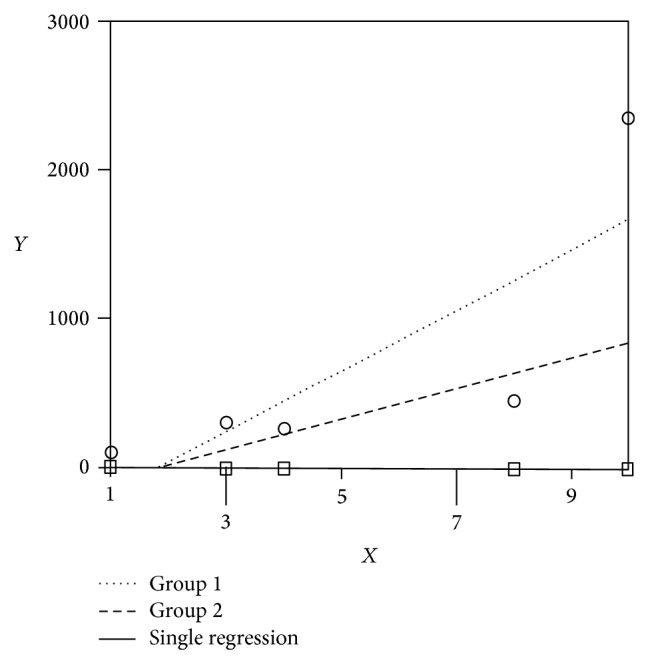
Objectives. The propofol infusion syndrome (PRIS), a rare, often fatal, condition of unknown etiology, is defined by development of lipemic serum, metabolic acidosis, rhabdomyolysis, hepatomegaly, cardiac arrhythmias, and acute renal failure. Methods. To identify risk factors for and biomarkers of PRIS, a retrospective chart review of all possible PRIS cases during a 1-year period was conducted at a level 1 trauma hospital in ICU patients over 18 years of age receiving continuous propofol infusions for ≥3 days. Additional study inclusion criteria included vasopressor support and monitoring of serum triglycerides and creatinine. Results. Seventy-two patients, 61 males (84.7%) and 11 females (15.3%), satisfied study inclusion criteria; and of these, 3 males met the study definition for PRIS, with 1 case fatality. PRIS incidence was 4.1% with a case-fatality rate of 33%. The mean duration of propofol infusion was 6.96 days. A positive linear correlation was observed between increasing triglyceride levels and infusion duration, but no correlation was observed between increasing creatinine levels and infusion duration. Conclusions. Risk factors for PRIS were confirmed as high dose infusions over prolonged periods. Increasing triglyceride levels may serve as reliable biomarkers of impending PRIS, if confirmed in future investigations with larger sample sizes.
目的。丙泊酚输注综合征(PRIS)是一种病因不明的罕见且常致命的病症,其定义为出现脂血血清、代谢性酸中毒、横纹肌溶解、肝肿大、心律失常及急性肾衰竭。方法。为确定PRIS的危险因素和生物标志物,在一家一级创伤医院对18岁以上ICU患者进行了为期1年的回顾性图表审查,这些患者接受持续丙泊酚输注≥3天。其他研究纳入标准包括血管活性药物支持以及血清甘油三酯和肌酐监测。结果。72例患者,61例男性(84.7%)和11例女性(15.3%)符合研究纳入标准;其中,3例男性符合PRIS的研究定义,1例死亡。PRIS发生率为4.1%,病死率为33%。丙泊酚输注的平均持续时间为6.96天。观察到甘油三酯水平升高与输注持续时间呈正线性相关,但肌酐水平升高与输注持续时间之间未观察到相关性。结论。PRIS的危险因素被确认为长期高剂量输注。如果在未来更大样本量的研究中得到证实,甘油三酯水平升高可能作为即将发生PRIS的可靠生物标志物。