Guimarães Pedro Pires Goulart, Oliveira Sheila Rodrigues, de Castro Rodrigues Gabrielle, Gontijo Savio Morato Lacerda, Lula Ivana Silva, Cortés Maria Esperanza, Denadai Ângelo Márcio Leite, Sinisterra Rubén Dario
Chemistry Department, Institute of Exact Sciences, Universidade Federal de Minas Gerais, Av. Antonio Carlos, 6627, Pampulha, CEP 31270-901 Belo Horizonte-MG, Brazil.
Department of Restorative Dentistry, Faculty of Dentistry, Universidade Federal de Minas Gerais, Av. Antonio Carlos, 6627, Pampulha, CEP 31270-901 Belo Horizonte-MG, Brazil.
Molecules. 2015 Jan 8;20(1):879-99. doi: 10.3390/molecules20010879.
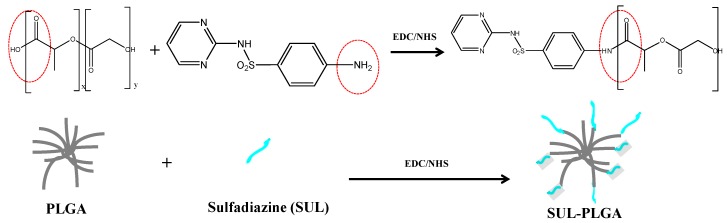
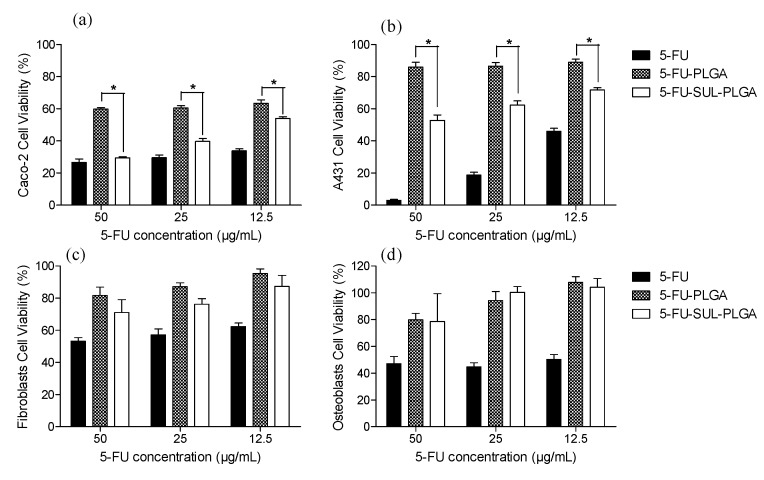
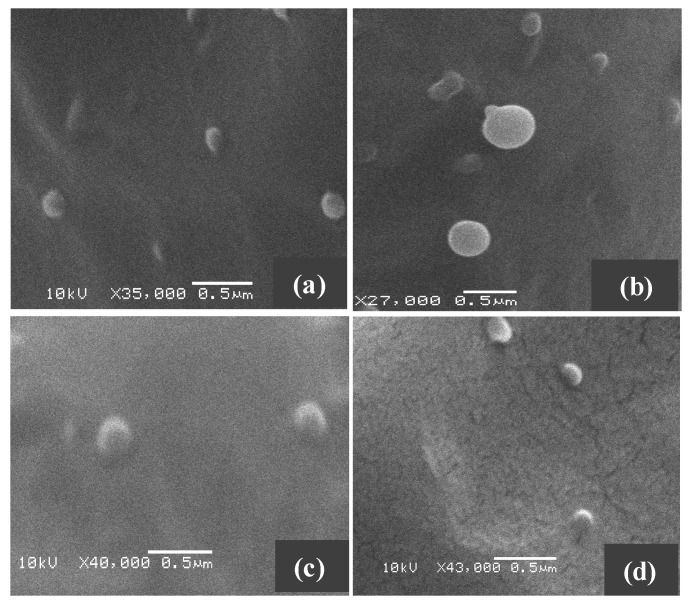
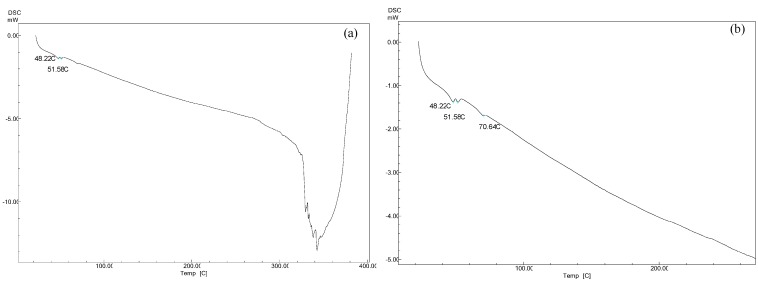
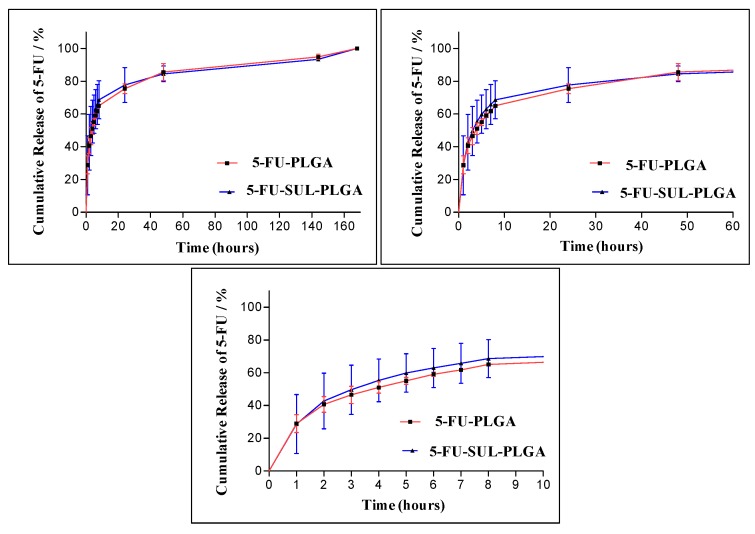
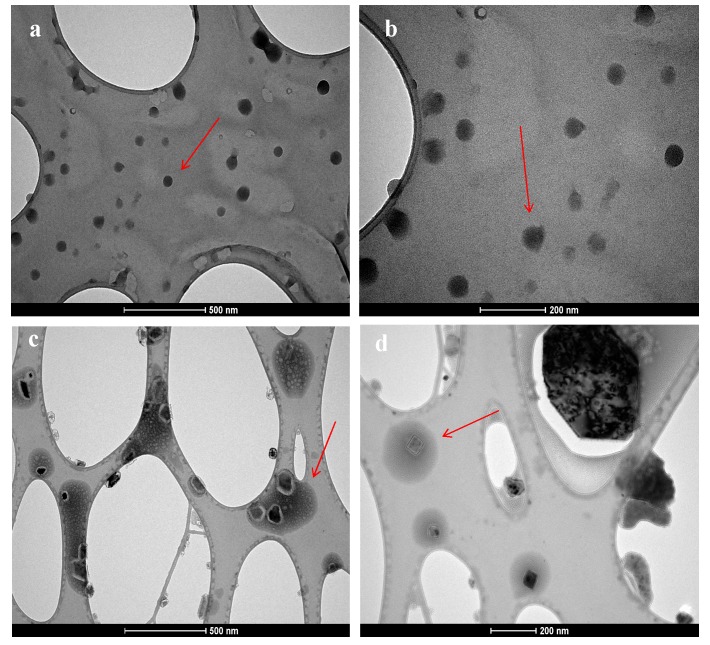
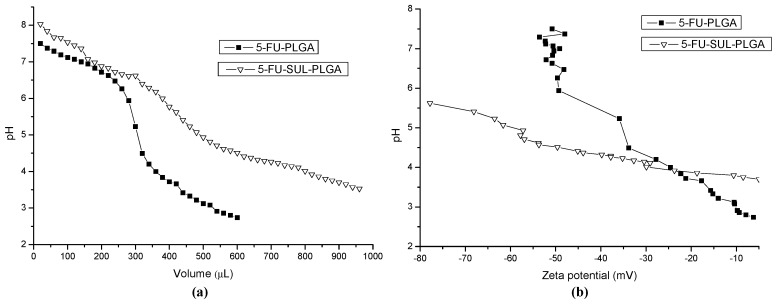
The aim of this work was to synthesize sulfadiazine-poly(lactide-co-glycolide) (SUL-PLGA) nanoparticles (NPs) for the efficient delivery of 5-fluorouracil to cancer cells. The SUL-PLGA conjugation was assessed using FTIR, 1H-NMR, 13C-NMR, elemental analysis and TG and DTA analysis. The SUL-PLGA NPs were characterized using transmission and scanning electron microscopy and dynamic light scattering. Additionally, the zeta potential, drug content, and in vitro 5-FU release were evaluated. We found that for the SUL-PLGA NPs, Dh = 114.0 nm, ZP = -32.1 mV and the encapsulation efficiency was 49%. The 5-FU was released for up to 7 days from the NPs. Cytotoxicity evaluations of 5-FU-loaded NPs (5-FU-SUL-PLGA and 5-FU-PLGA) on two cancer cell lines (Caco-2, A431) and two normal cell lines (fibroblast, osteoblast) were compared. Higher cytotoxicity of 5-FU-SUL-PLGA NPs were found to both cancer cell lines when compared to normal cell lines, demonstrating that the presence of SUL could significantly enhance the cytotoxicity of the 5-FU-SUL-PLGA NPs when compared with 5-FU-PLGA NPs. Thus, the development of 5-FU-SUL-PLGA NPs to cancer cells is a promising strategy for the 5-FU antitumor formulation in the future.
这项工作的目的是合成磺胺嘧啶-聚(丙交酯-乙交酯)(SUL-PLGA)纳米颗粒(NPs),以便将5-氟尿嘧啶高效递送至癌细胞。使用傅里叶变换红外光谱(FTIR)、氢核磁共振(1H-NMR)、碳核磁共振(13C-NMR)、元素分析以及热重(TG)和差热分析(DTA)对SUL-PLGA共轭物进行评估。使用透射电子显微镜、扫描电子显微镜和动态光散射对SUL-PLGA NPs进行表征。此外,还评估了zeta电位、药物含量和5-氟尿嘧啶(5-FU)的体外释放情况。我们发现,对于SUL-PLGA NPs,流体力学直径(Dh)= 114.0 nm,zeta电位(ZP)= -32.1 mV,包封率为49%。5-FU从NPs中释放长达7天。比较了负载5-FU的NPs(5-FU-SUL-PLGA和5-FU-PLGA)对两种癌细胞系(Caco-2、A431)和两种正常细胞系(成纤维细胞、成骨细胞)的细胞毒性评估。与正常细胞系相比,发现5-FU-SUL-PLGA NPs对两种癌细胞系均具有更高的细胞毒性,这表明与5-FU-PLGA NPs相比,SUL的存在可显著增强5-FU-SUL-PLGA NPs的细胞毒性。因此,开发5-FU-SUL-PLGA NPs用于癌细胞治疗是未来5-FU抗肿瘤制剂的一种有前景的策略。