Sun Juan, Yu Chun-Hui, Zhao Xue-Ling, Wang Yang, Jiang Shou-Gang, Gong Xian-Feng
School of Chemistry and Materials Science, Heilongjiang University, Harbin 150080 , PR China.
Key Laboratory of Forest Plant Ecology, Ministry of Education, Northeast Forestry University, Harbin 150040, PR China.
Iran J Pharm Res. 2014 Fall;13(4):1327-34.
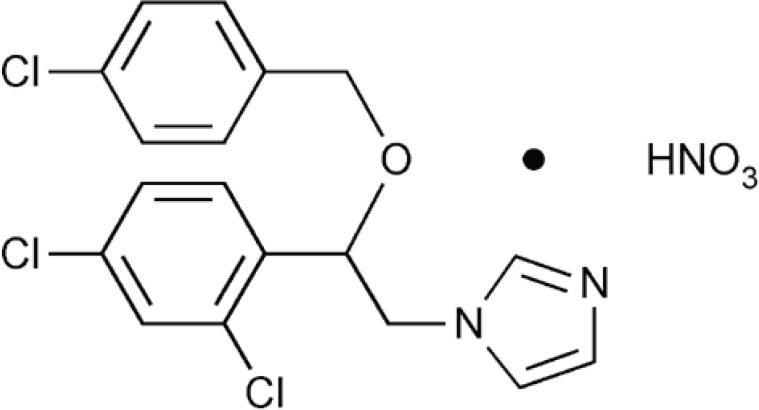
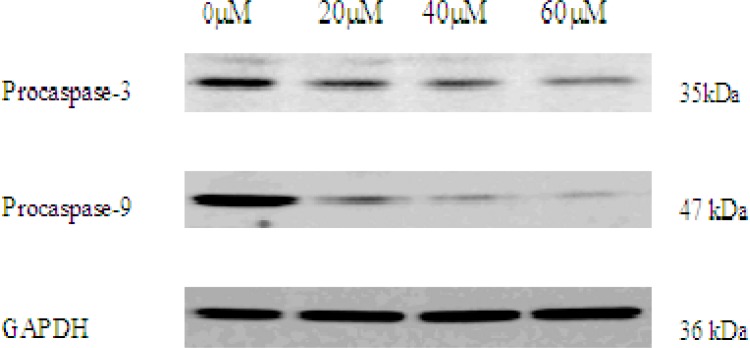
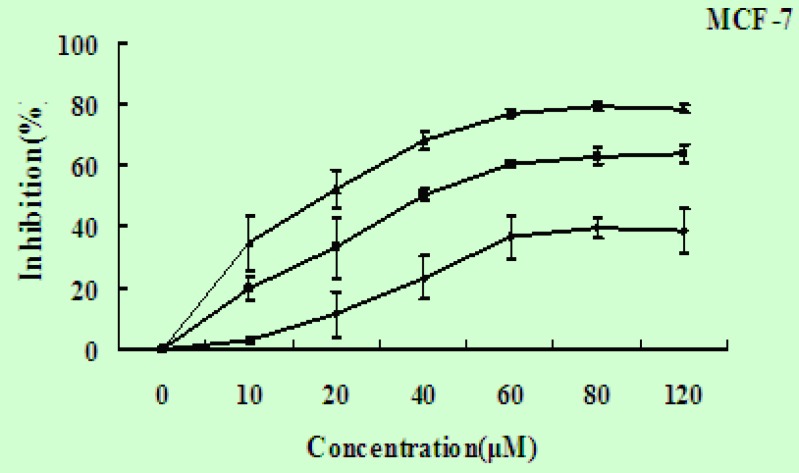
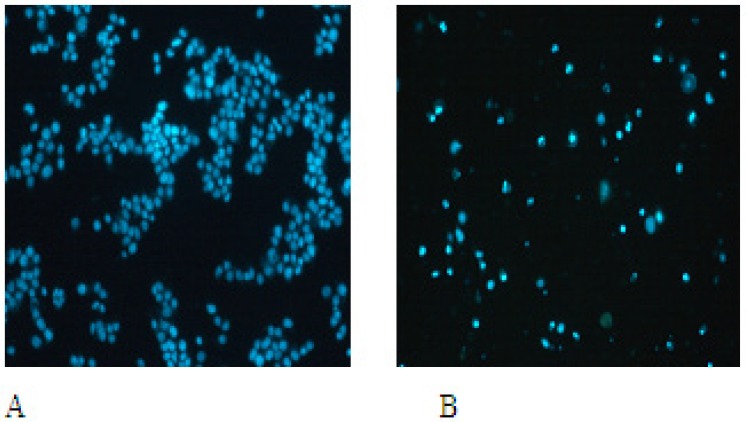
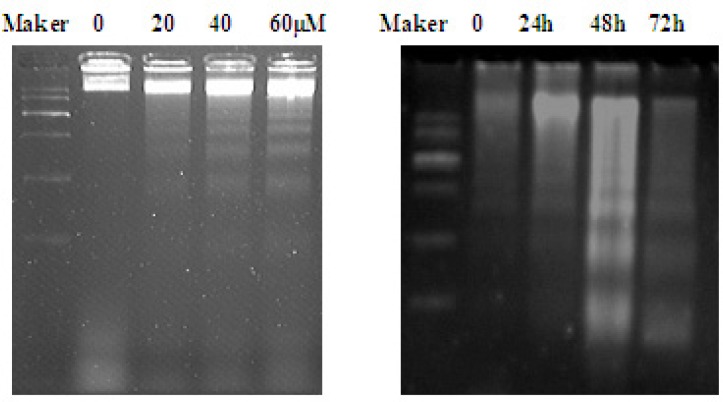
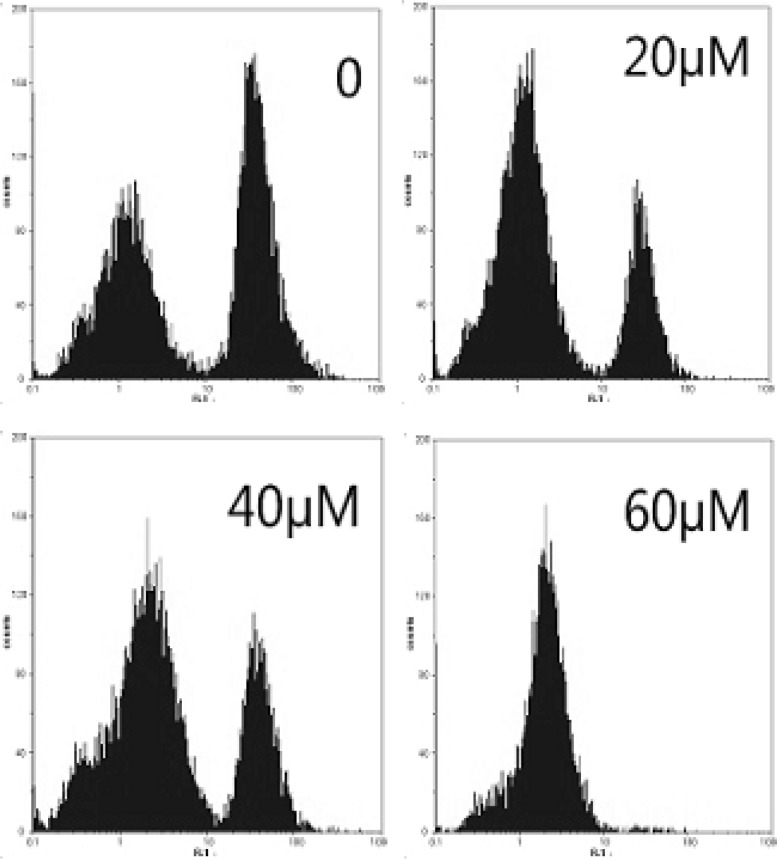
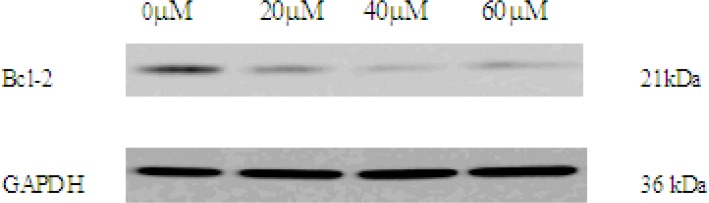
Econazole nitrate (EN), a synthetic compound, is now in use as a routine antifungal drug. EN was shown to have antitumor effect, the tumor cell killing mechanisms, however, remain unclear. In this research, the apoptosis-inducing effect of EN on MCF-7 cells was investigated. The results showed that EN inhibited the proliferation of MCF-7 cells in a time- and dose-dependent manner by MTT method and colony forming assay. MCF-7 cells treated with EN showed typical characteristics of apoptosis including the morphological changes and DNA fragmentation. Meanwhile, the loss of mitochondrial membrane potential was showed by flow cytometry. In addition, western blot analysis showed that EN resulted in the decrease expression of procaspase-3, procaspase-9 and bcl-2. In conclusion, these findings suggest that EN may be an effective way for treating human breast cancer. The anti-tumor mechanisms of EN might involve mitochondrial and caspase pathways.
硝酸益康唑(EN)是一种合成化合物,目前作为常规抗真菌药物使用。已表明EN具有抗肿瘤作用,然而,其肿瘤细胞杀伤机制仍不清楚。在本研究中,研究了EN对MCF-7细胞的凋亡诱导作用。结果表明,通过MTT法和集落形成试验,EN以时间和剂量依赖性方式抑制MCF-7细胞的增殖。用EN处理的MCF-7细胞表现出典型的凋亡特征,包括形态变化和DNA片段化。同时,流式细胞术显示线粒体膜电位丧失。此外,蛋白质免疫印迹分析表明,EN导致前半胱天冬酶-3、前半胱天冬酶-9和bcl-2的表达降低。总之,这些发现表明EN可能是治疗人类乳腺癌的有效方法。EN的抗肿瘤机制可能涉及线粒体和半胱天冬酶途径。