Merino Marisa M, Rhiner Christa, Lopez-Gay Jesus M, Buechel David, Hauert Barbara, Moreno Eduardo
Institute of Cell Biology, IZB, University of Bern, Bern 3012, Switzerland.
Institute of Cell Biology, IZB, University of Bern, Bern 3012, Switzerland; Polarity Division and Morphogenesis, Institut Curie, CNRS UMR 3215, INSERM U934 Paris, France.
Cell. 2015 Jan 29;160(3):461-76. doi: 10.1016/j.cell.2014.12.017. Epub 2015 Jan 15.
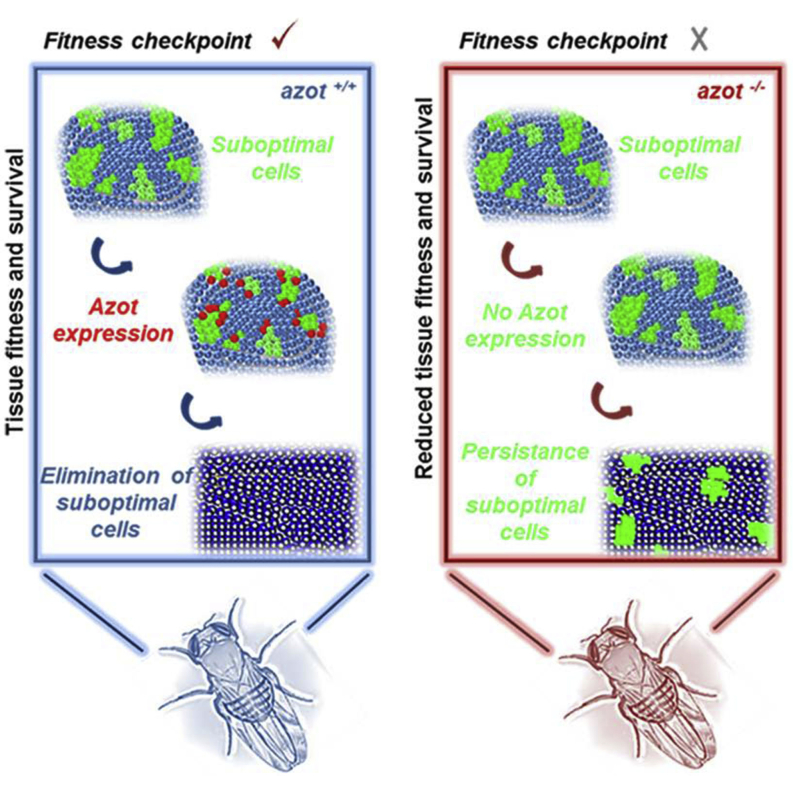
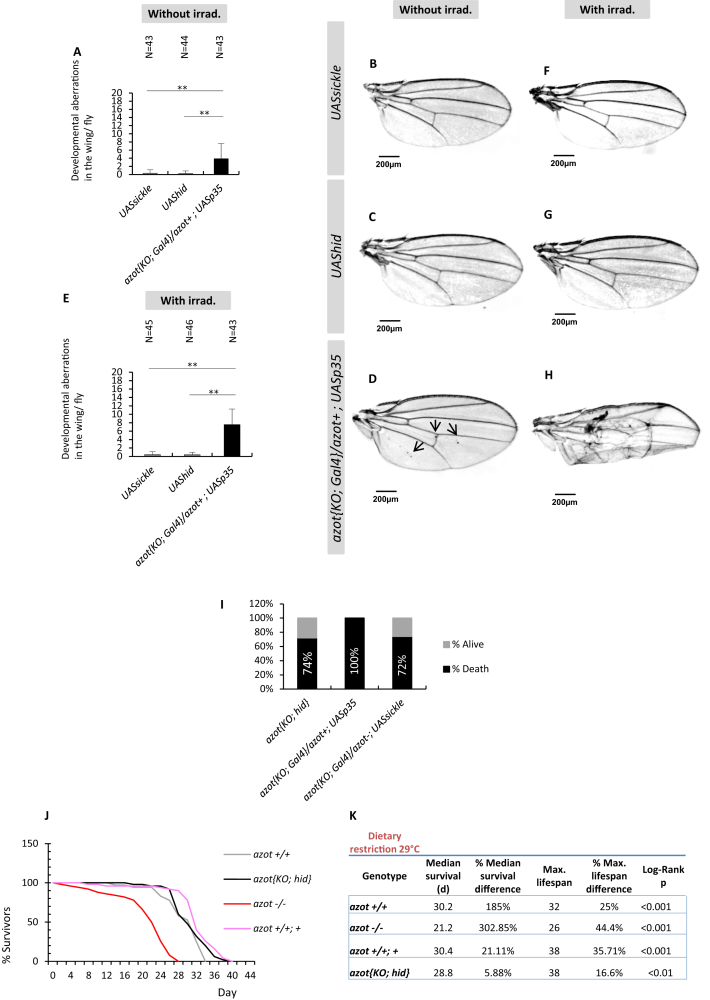
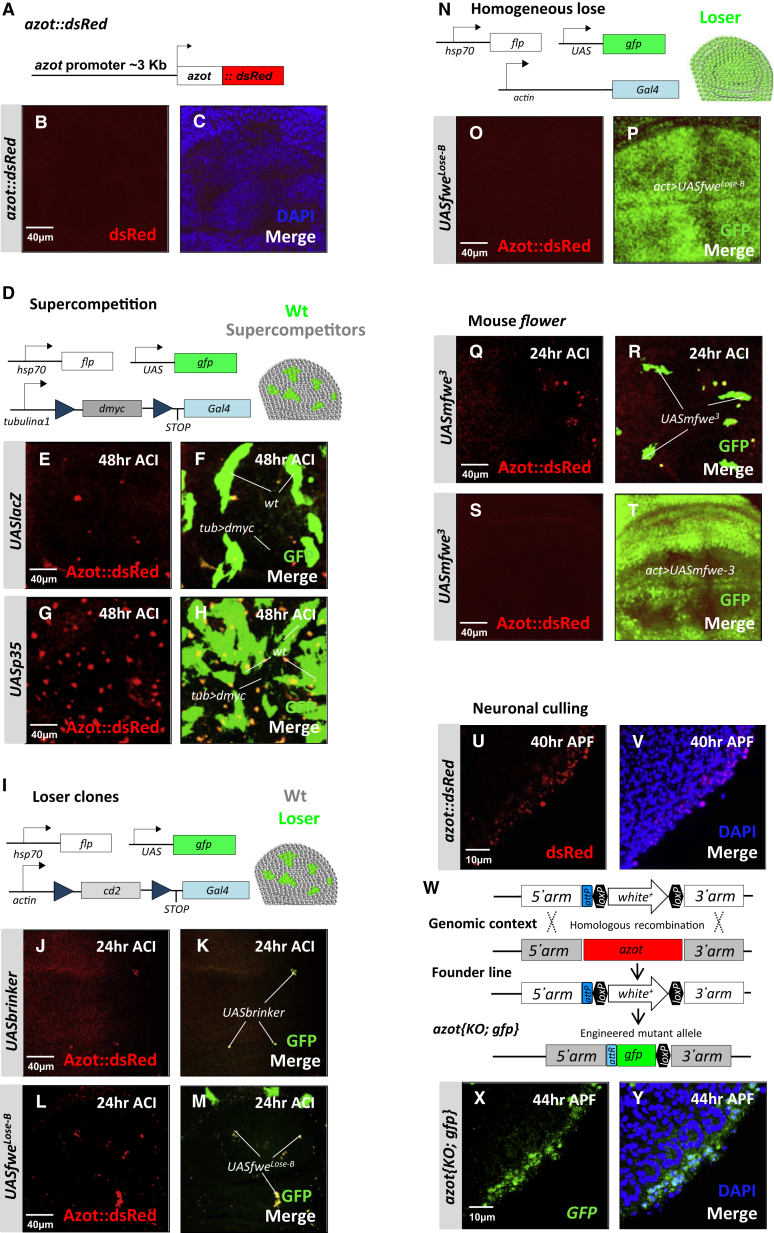
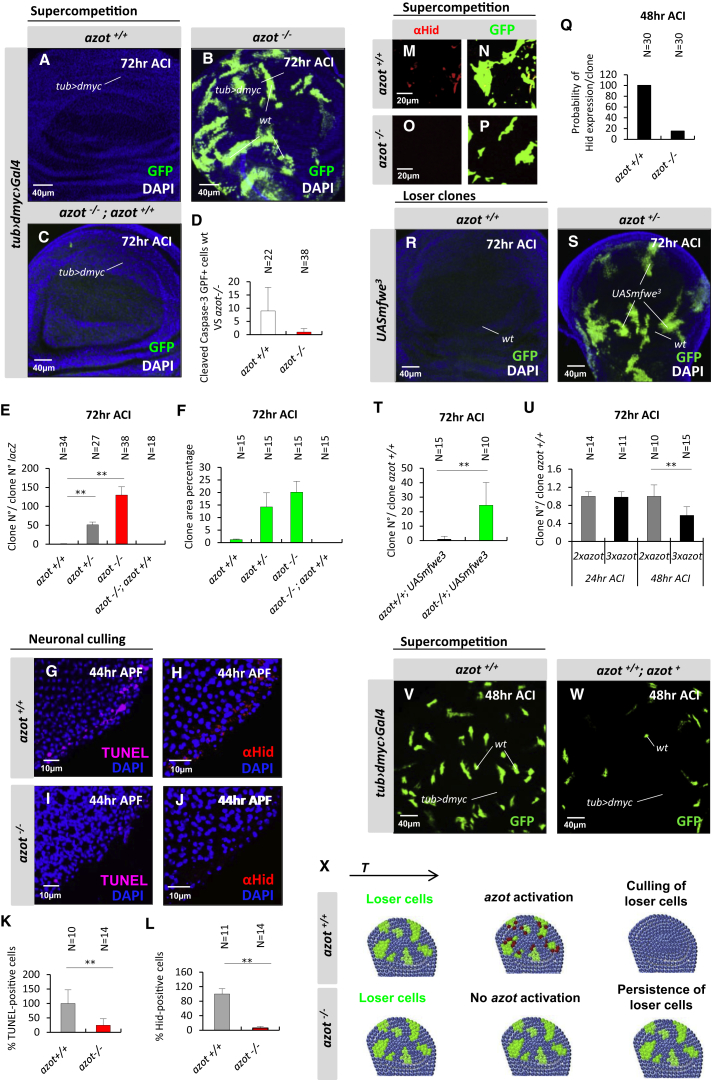
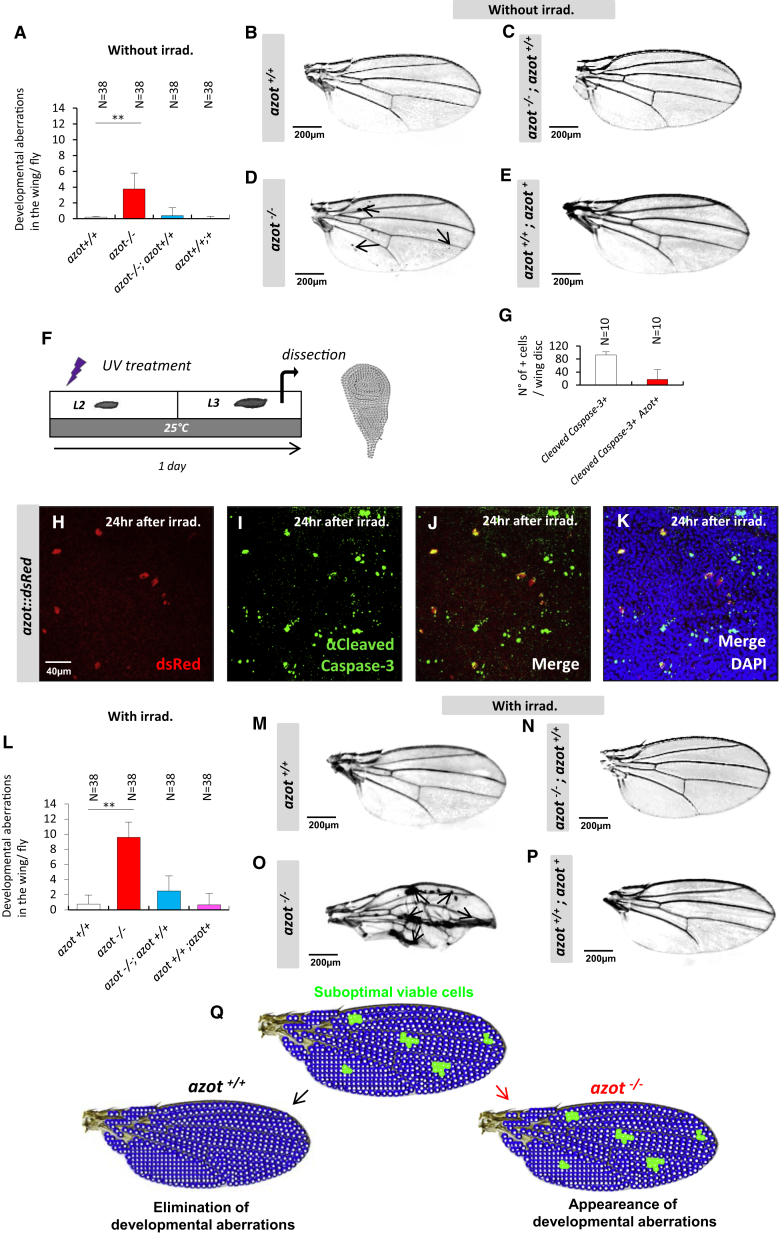
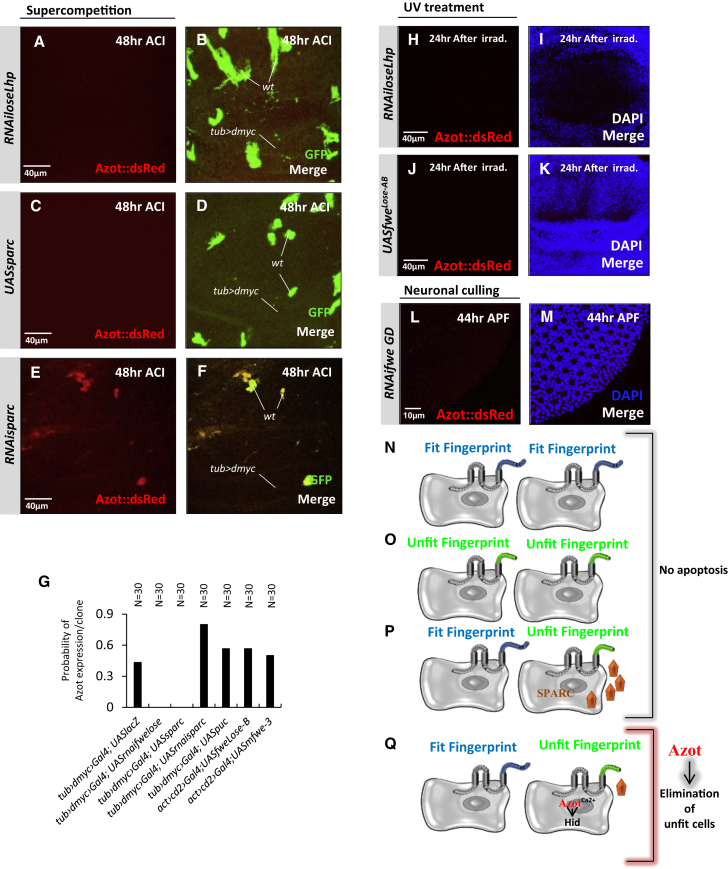
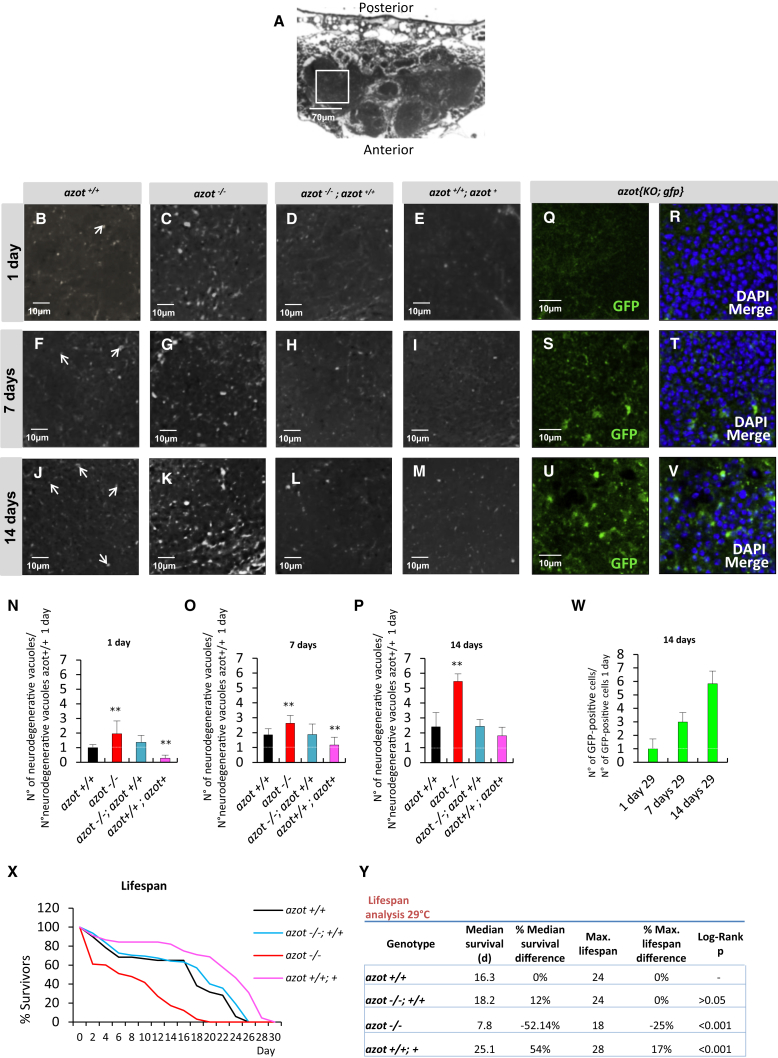
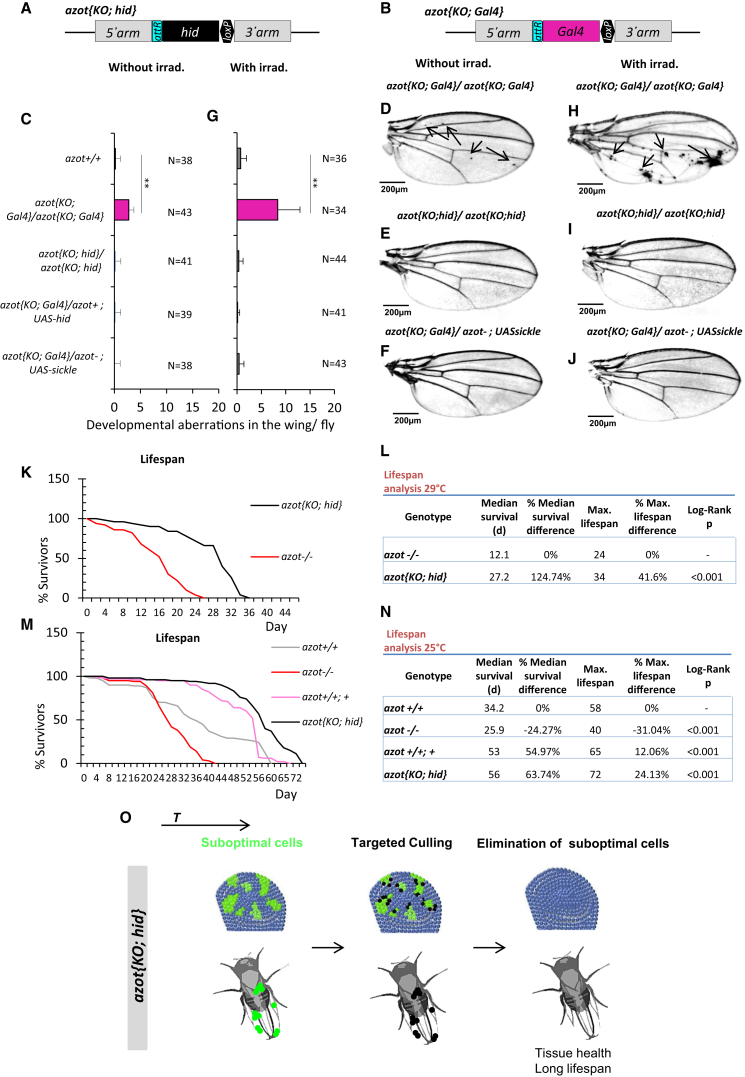
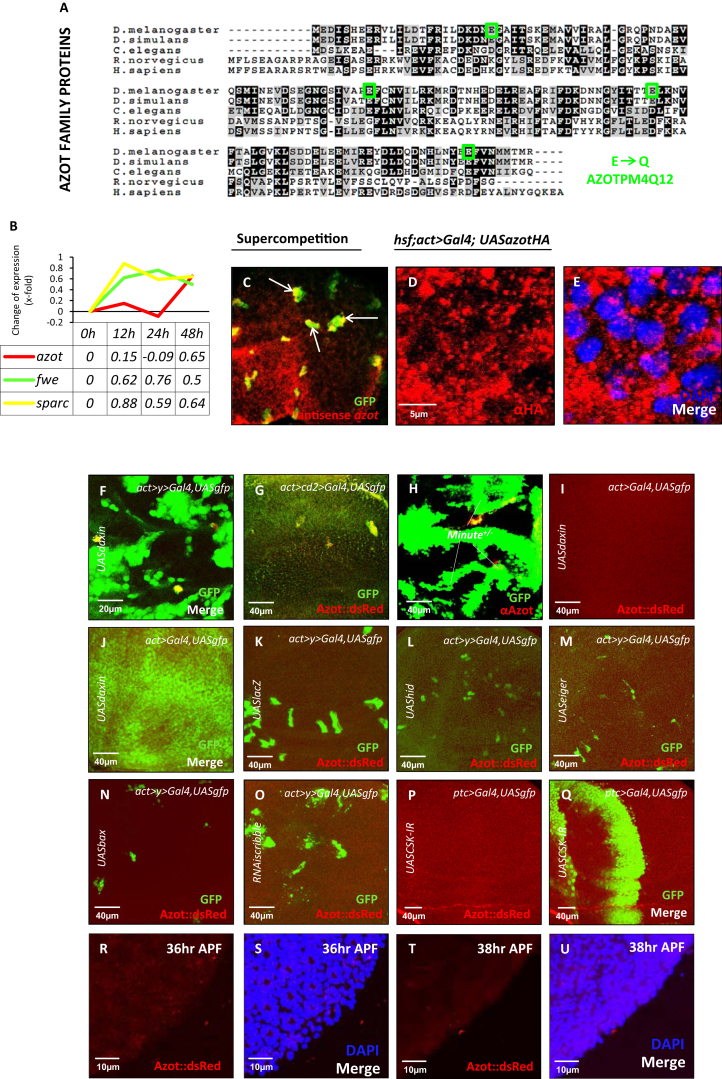
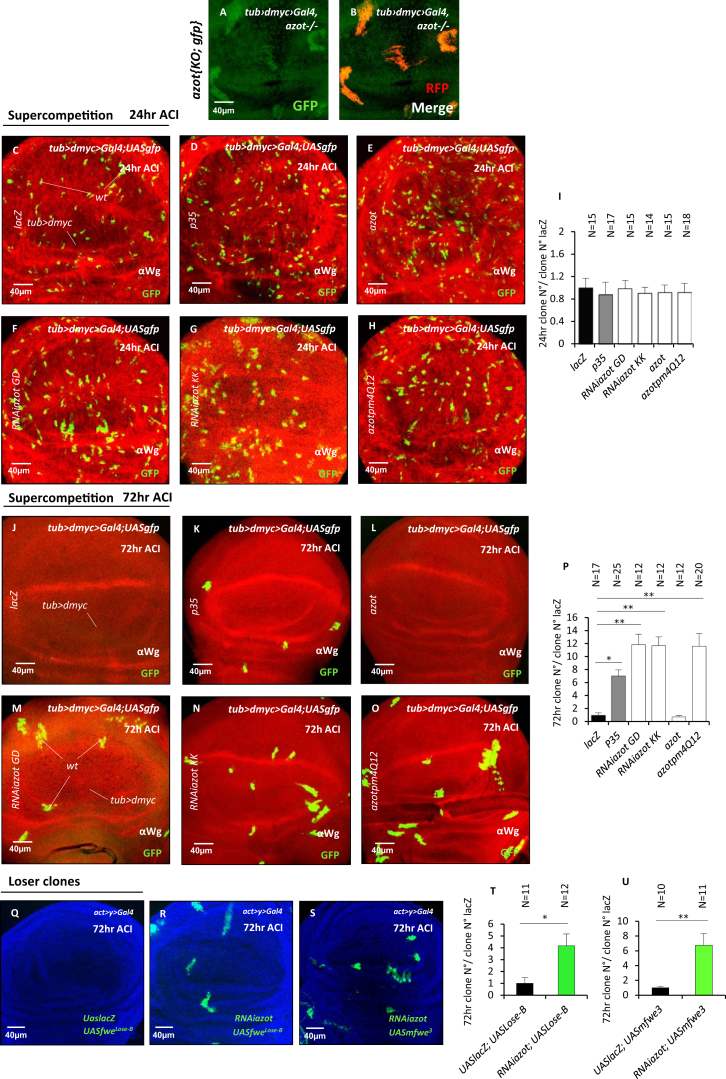
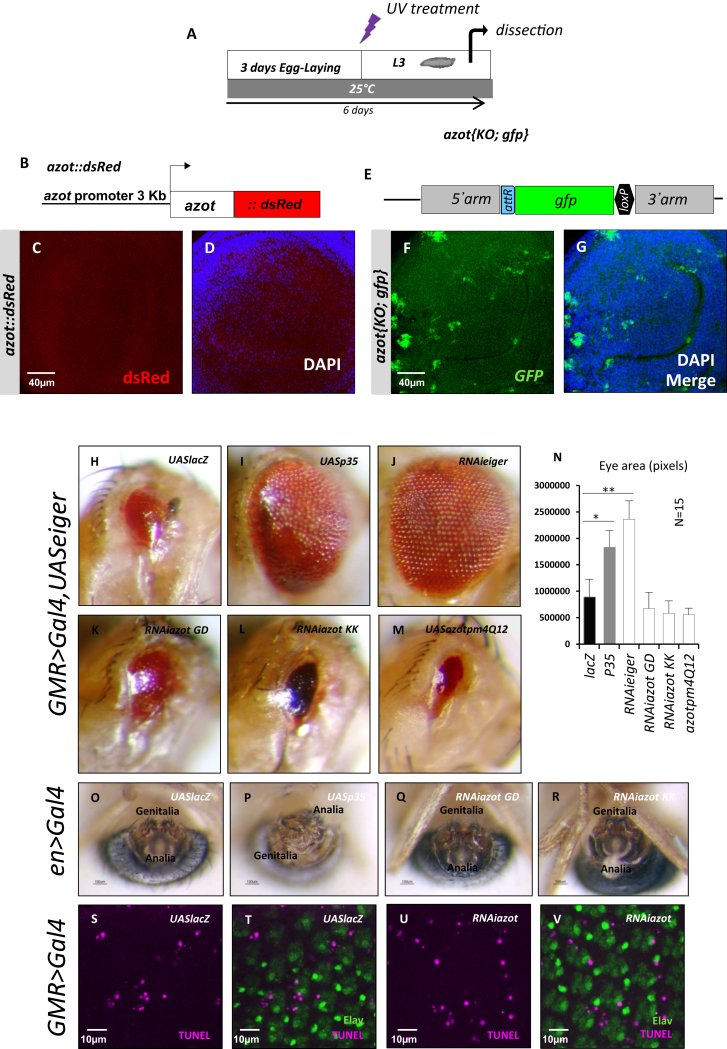
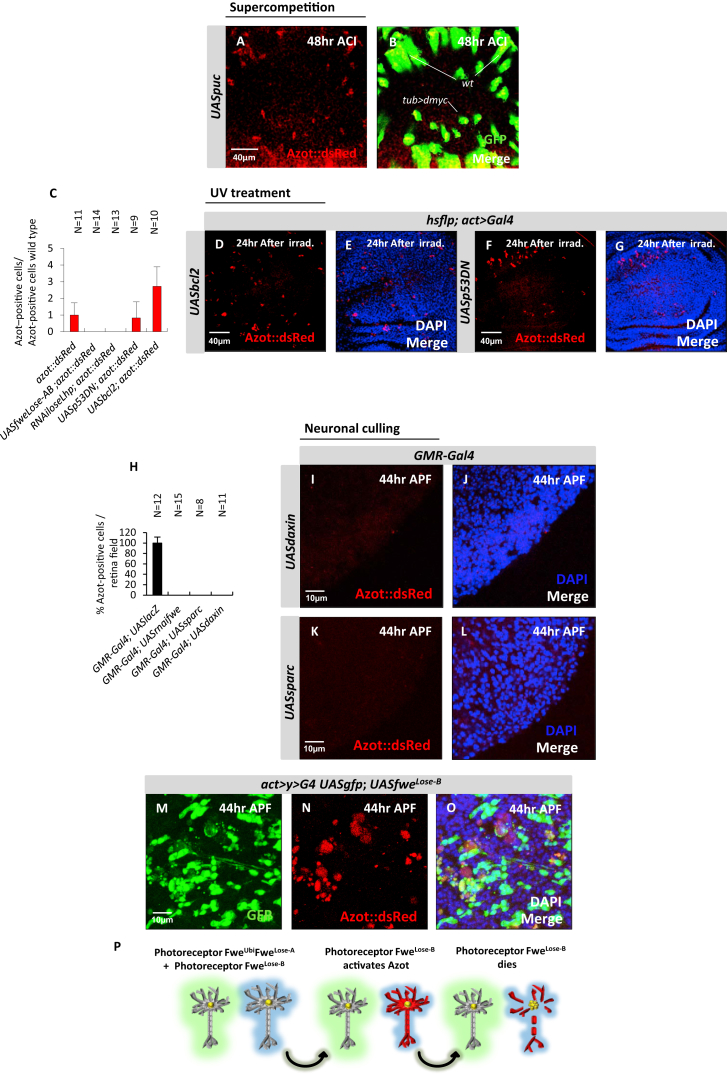
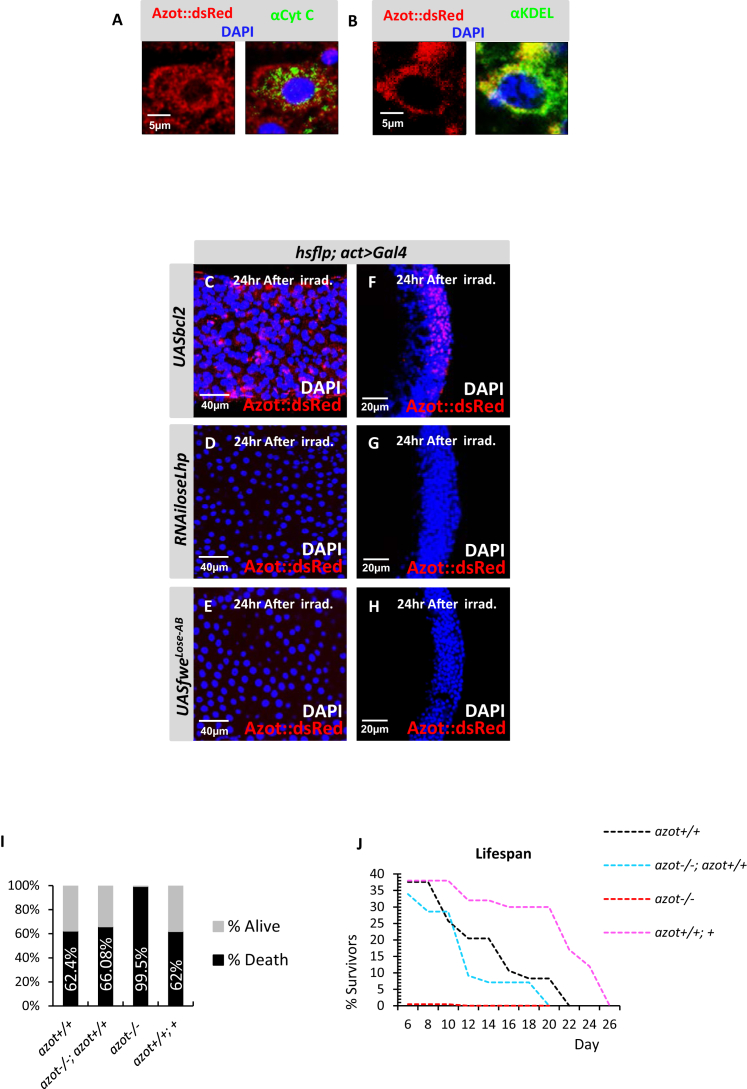
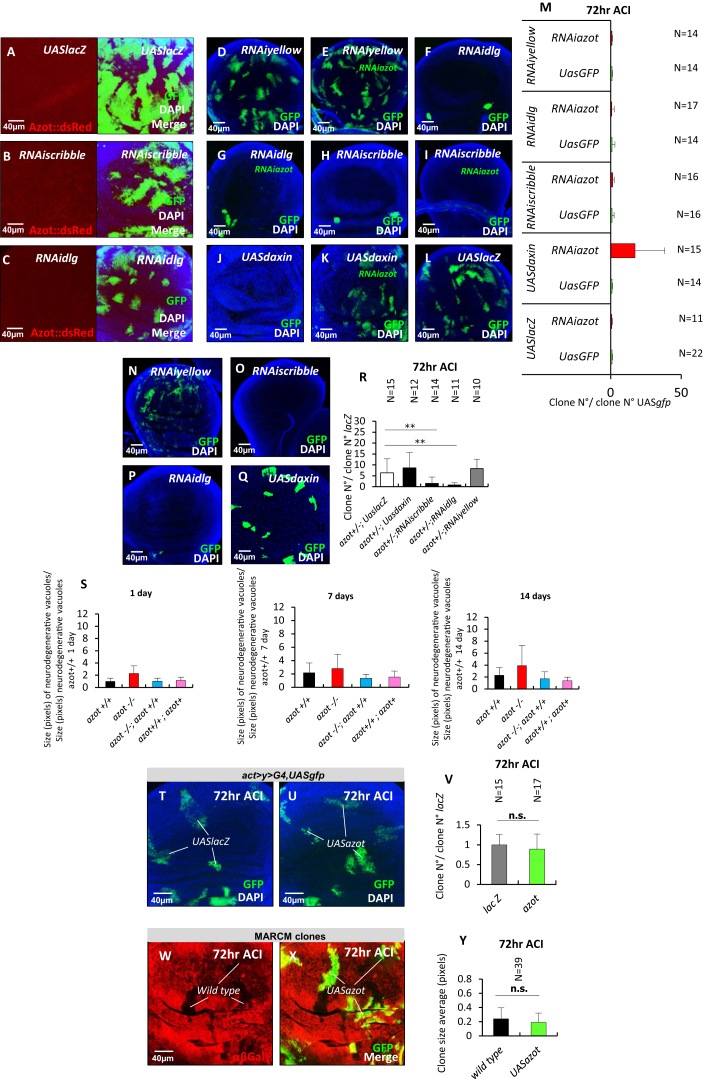
Viable yet damaged cells can accumulate during development and aging. Although eliminating those cells may benefit organ function, identification of this less fit cell population remains challenging. Previously, we identified a molecular mechanism, based on "fitness fingerprints" displayed on cell membranes, which allows direct fitness comparison among cells in Drosophila. Here, we study the physiological consequences of efficient cell selection for the whole organism. We find that fitness-based cell culling is naturally used to maintain tissue health, delay aging, and extend lifespan in Drosophila. We identify a gene, azot, which ensures the elimination of less fit cells. Lack of azot increases morphological malformations and susceptibility to random mutations and accelerates tissue degeneration. On the contrary, improving the efficiency of cell selection is beneficial for tissue health and extends lifespan.
在发育和衰老过程中,存活但受损的细胞会不断积累。虽然清除这些细胞可能有益于器官功能,但识别这一适应性较差的细胞群体仍然具有挑战性。此前,我们基于细胞膜上显示的“适应性指纹”,鉴定出一种分子机制,该机制能够在果蝇细胞间进行直接的适应性比较。在此,我们研究了高效细胞选择对整个生物体的生理影响。我们发现,基于适应性的细胞剔除是果蝇维持组织健康、延缓衰老以及延长寿命的自然方式。我们鉴定出一个名为azot的基因,它确保了适应性较差的细胞被清除。缺乏azot会增加形态畸形和对随机突变的易感性,并加速组织退化。相反,提高细胞选择效率对组织健康有益且能延长寿命。