Evangeliki Model School of Smyrna , Nea Smyrni , Greece.
Department of Computer and Electronic Engineering, Technological Education Institute of Pireaus , Aigaleo , Greece.
Front Public Health. 2015 Jan 5;2:207. doi: 10.3389/fpubh.2014.00207. eCollection 2014.
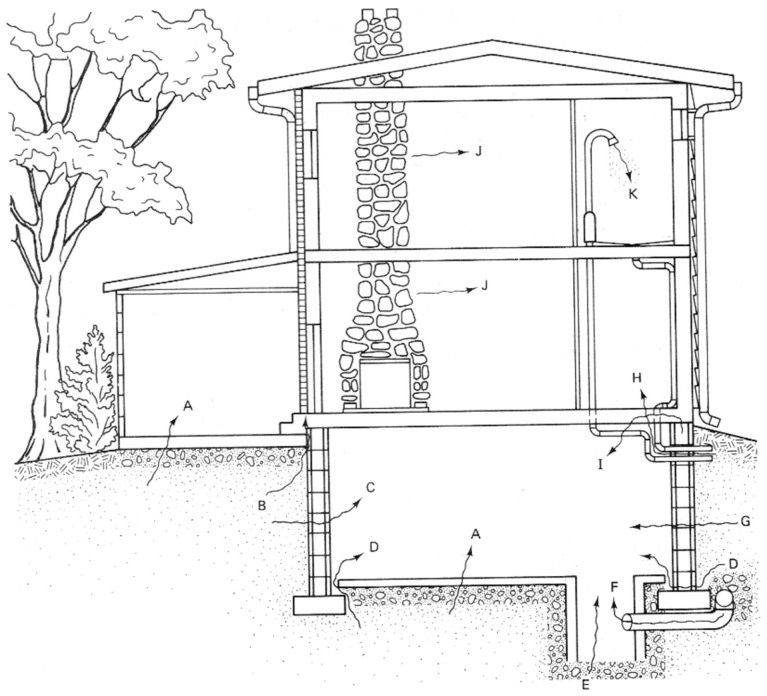
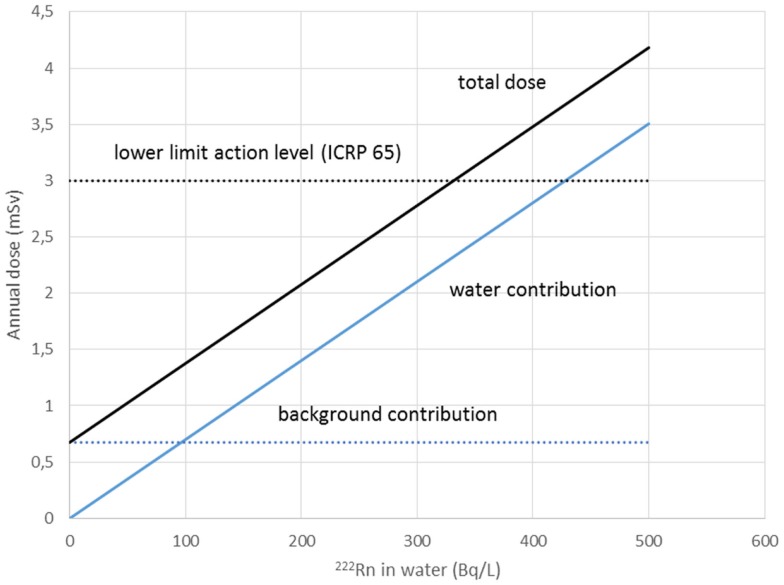
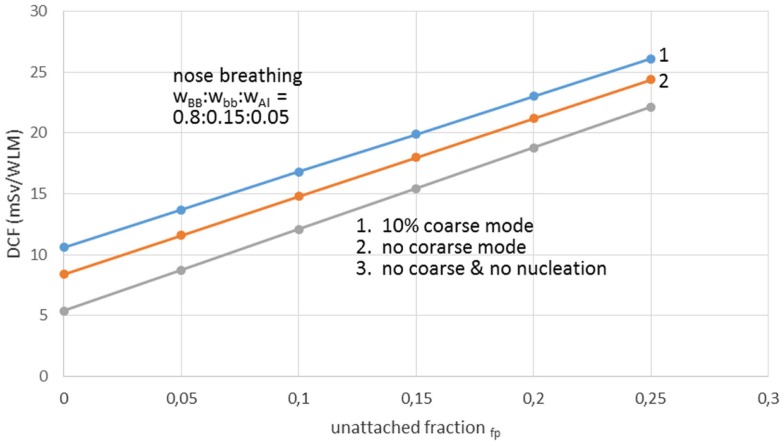
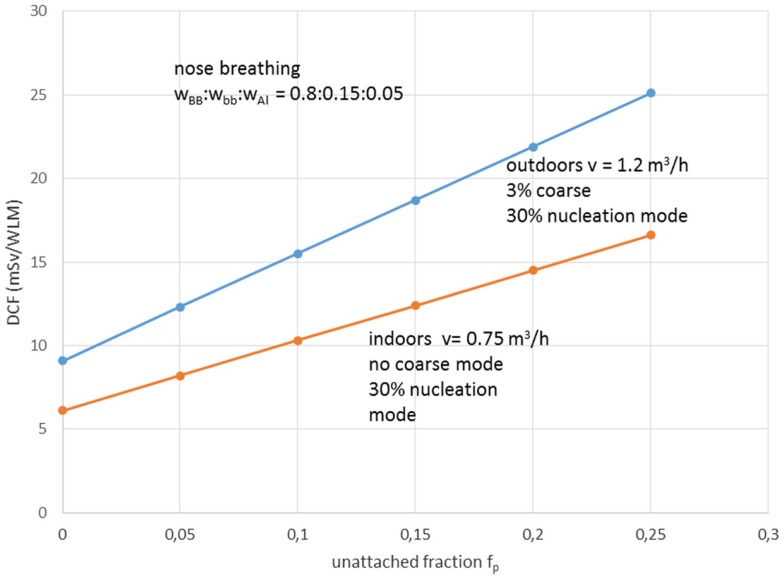
Radon concerns the international scientific community from the early twentieth century, initially as radium emanation and nearly the second half of the century as a significant hazard to human health. The initial brilliant period of its use as medicine was followed by a period of intense concern for its health effects. Miners in Europe and later in the U.S were the primary target groups surveyed. Nowadays, there is a concrete evidence that radon and its progeny can cause lung cancer (1). Human activities may create or modify pathways increasing indoor radon concentration compared to outdoor background. These pathways can be controlled by preventive and corrective actions (2). Indoor radon and its short-lived progeny either attached on aerosol particles or free, compose an air mixture that carries a significant energy amount [Potential Alpha-Energy Concentration (PAEC)]. Prior research at that topic focused on the exposure on PAEC and the dose delivered by the human body or tissues. Special mention was made to the case of water workers due to inadequate data. Furthermore, radon risk assessment and relevant legislation for the dose delivered by man from radon and its progeny has been also reviewed.
氡问题从 20 世纪初就引起了国际科学界的关注,起初它是镭射气,到了 20 世纪下半叶,它被认为是对人类健康的一个重大危害。氡最初在医学上的应用取得了辉煌的成果,随后人们对其健康影响产生了强烈的关注。欧洲和后来的美国矿工是主要的调查目标群体。如今,有确凿的证据表明氡及其子体能引起肺癌 (1)。人类活动可能会创造或改变途径,使室内氡浓度比室外背景水平升高。这些途径可以通过预防和纠正措施来控制 (2)。室内氡及其短寿命子体要么附着在气溶胶颗粒上,要么自由存在,组成了一种携带大量能量的空气混合物[潜在的阿尔法能量浓度(PAEC)]。先前在这一主题上的研究侧重于 PAEC 的暴露以及人体或组织所接受的剂量。由于数据不足,特别提到了水工作者的情况。此外,还对氡及其子体对人体的剂量进行的风险评估和相关法规进行了审查。