Caplan Arnold I
From the Skeletal Research Center, Department of Biology, Case Western Reserve University, Cleveland, OH.
Menopause. 2015 Feb;22(2):131-5. doi: 10.1097/GME.0000000000000408.
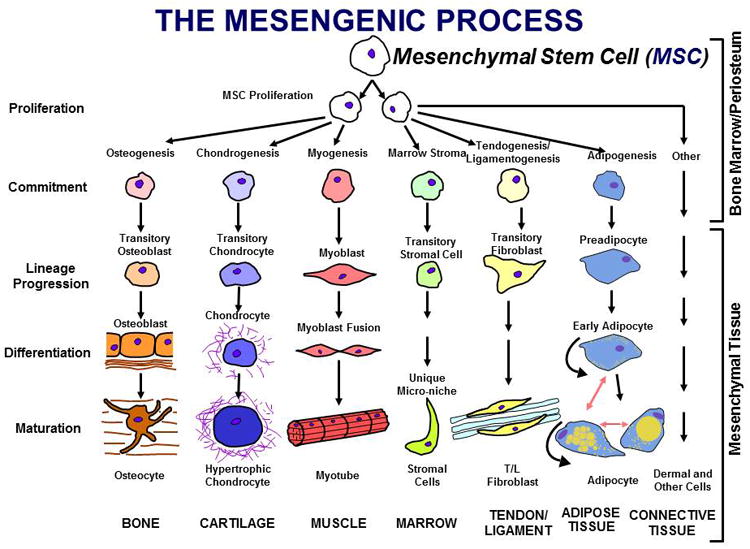
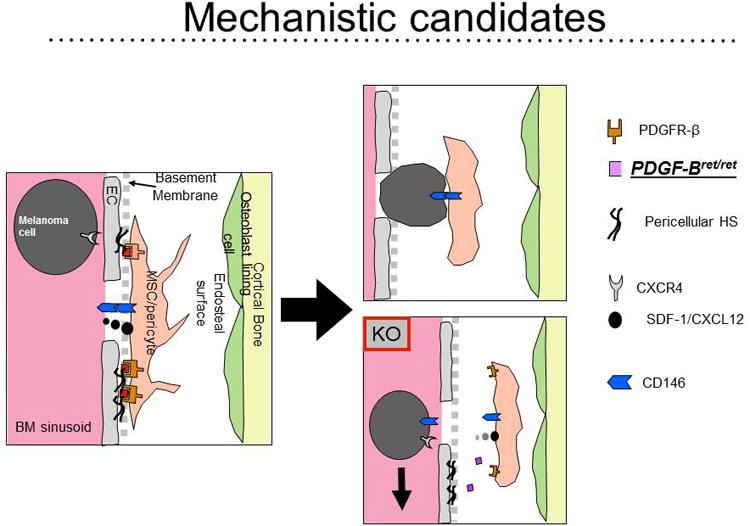
Adult mesenchymal stem cells (MSCs) were previously described as multipotent cells that could differentiate into bone, cartilage, muscle, and other mesenchymal tissues. New information suggests that MSCs can be found in every tissue of the body because they function as perivascular cells--pericytes--found outside all blood vessels. When these vessels break or are inflamed, pericytes are detached and form MSCs, which are activated by their local microenvironment of injury. Such MSCs function to secrete powerful immune-modulatory and regenerative agents; more than 450 clinical trials are now ongoing, covering a huge spectrum of clinical conditions. How such activated MSCs affect menstrual cycle, menopause, or osteotrophic cancers has only recently been studied. This article outlines these issues and challenges the scientific and medical community to use this newfound knowledge to uncover new clinical logics and medial solutions for women.
成人间充质干细胞(MSCs)曾被描述为可分化为骨、软骨、肌肉和其他间充质组织的多能细胞。新信息表明,MSCs存在于身体的每个组织中,因为它们作为位于所有血管外的血管周围细胞——周细胞发挥作用。当这些血管破裂或发炎时,周细胞会脱离并形成MSCs,它们被局部损伤微环境激活。此类MSCs发挥作用,分泌强大的免疫调节和再生因子;目前正在进行超过450项临床试验,涵盖广泛的临床病症。此类激活的MSCs如何影响月经周期、更年期或骨营养性癌症,直到最近才得到研究。本文概述了这些问题,并向科学界和医学界提出挑战,要求利用这一新发现的知识,为女性发现新的临床逻辑和医学解决方案。