Al Adhami Hala, Evano Brendan, Le Digarcher Anne, Gueydan Charlotte, Dubois Emeric, Parrinello Hugues, Dantec Christelle, Bouschet Tristan, Varrault Annie, Journot Laurent
Institut de Genomique Fonctionnelle, Montpellier 34094, France; CNRS, UMR 5203, Montpellier 34094, France; INSERM, U661, Montpellier 34094, France; Faculté des Sciences, Université de Montpellier, Montpellier 34095, France;
MGX-Montpellier GenomiX, Montpellier 34094, France.
Genome Res. 2015 Mar;25(3):353-67. doi: 10.1101/gr.175919.114. Epub 2015 Jan 22.
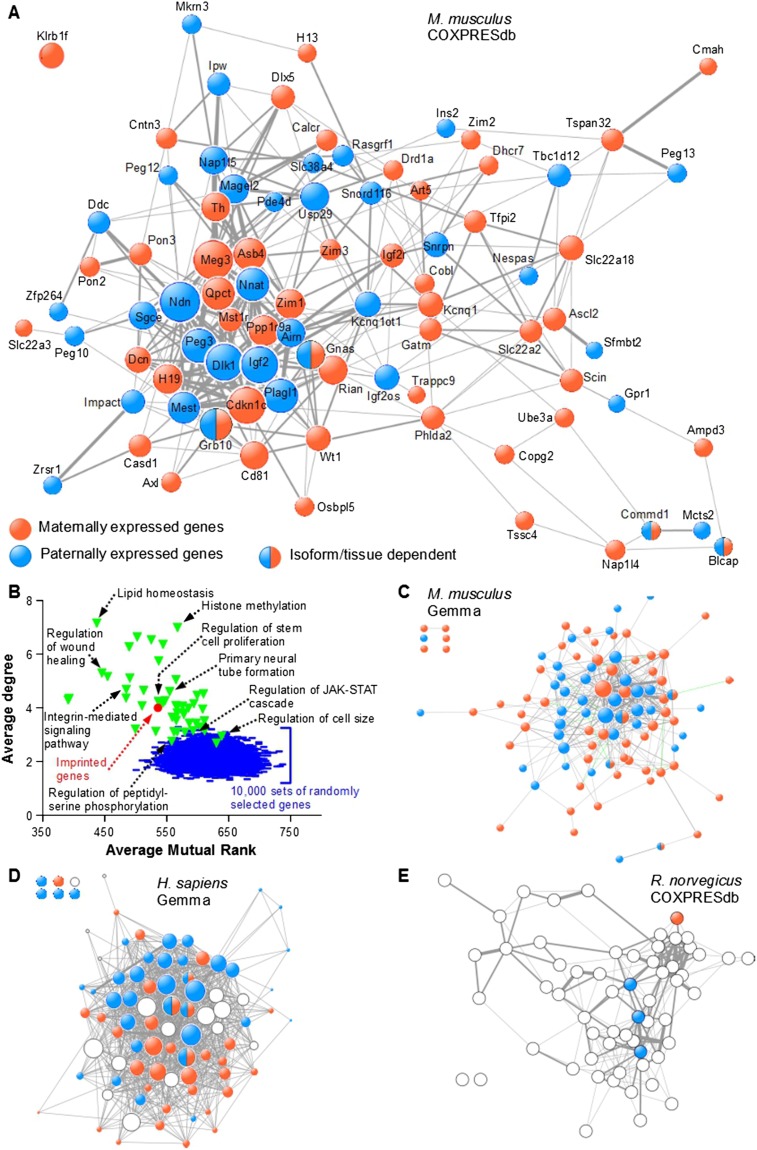
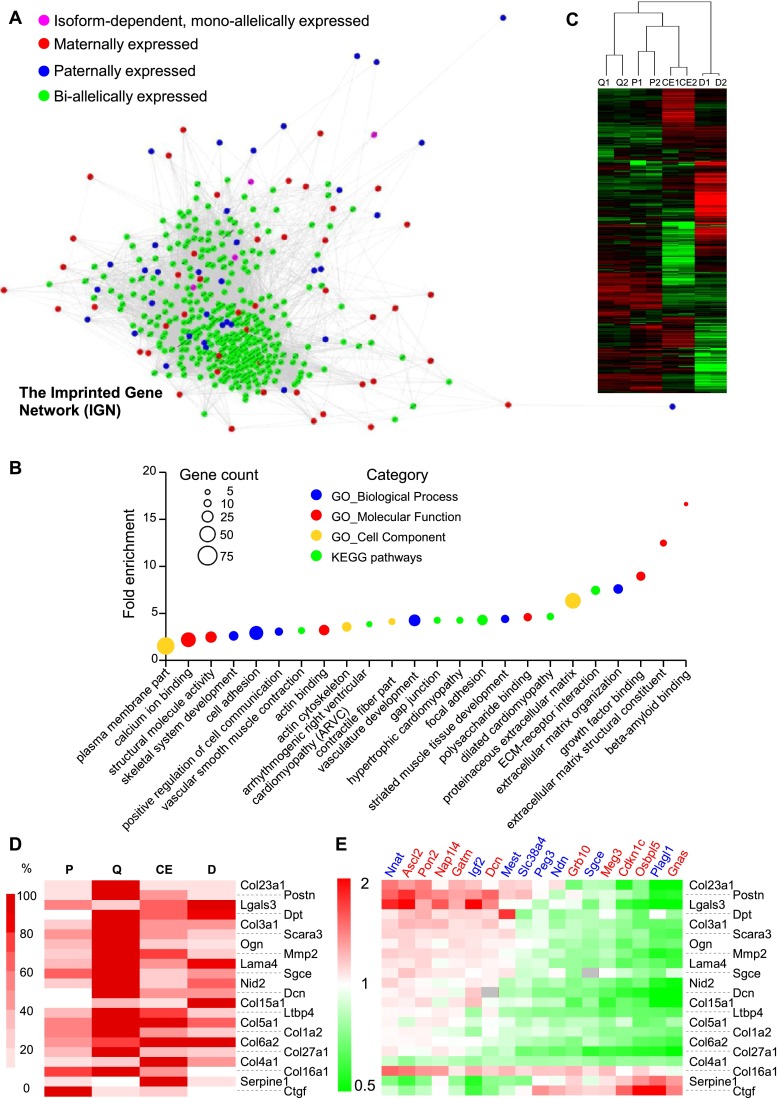
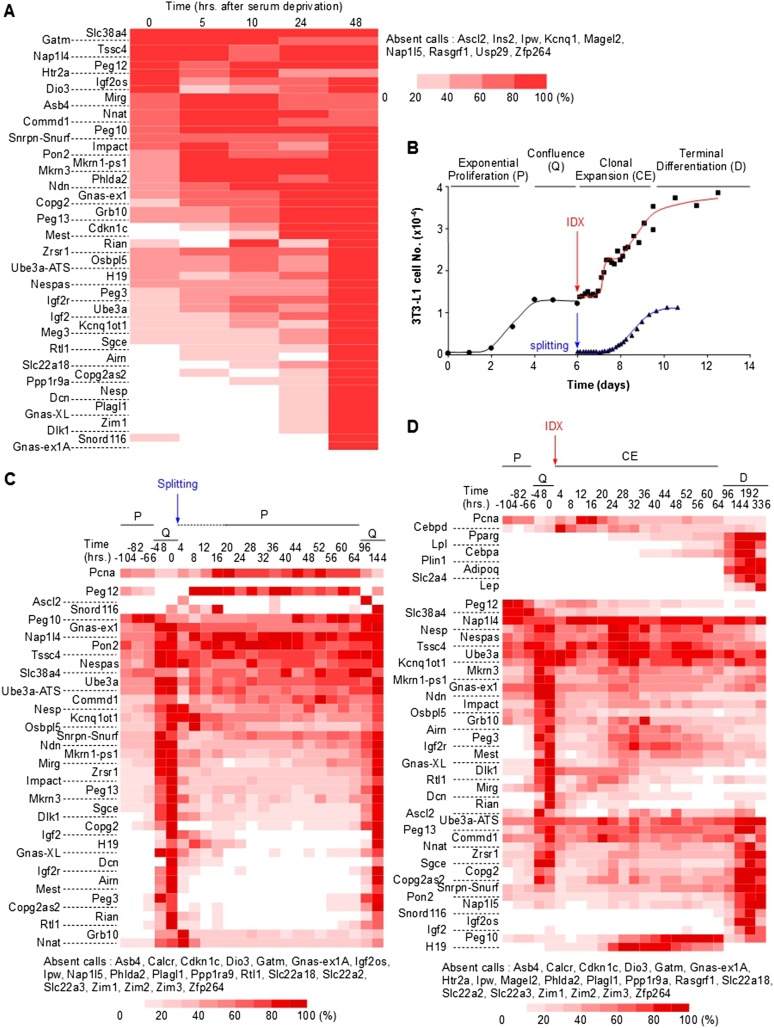
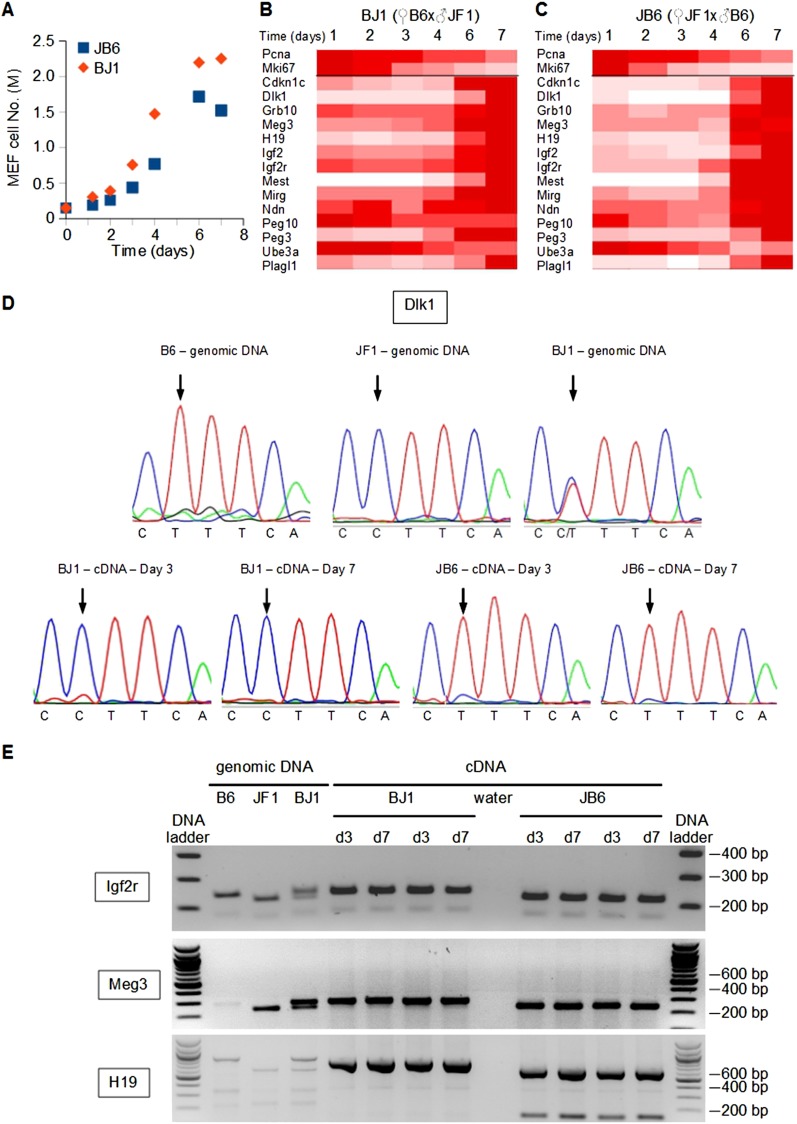
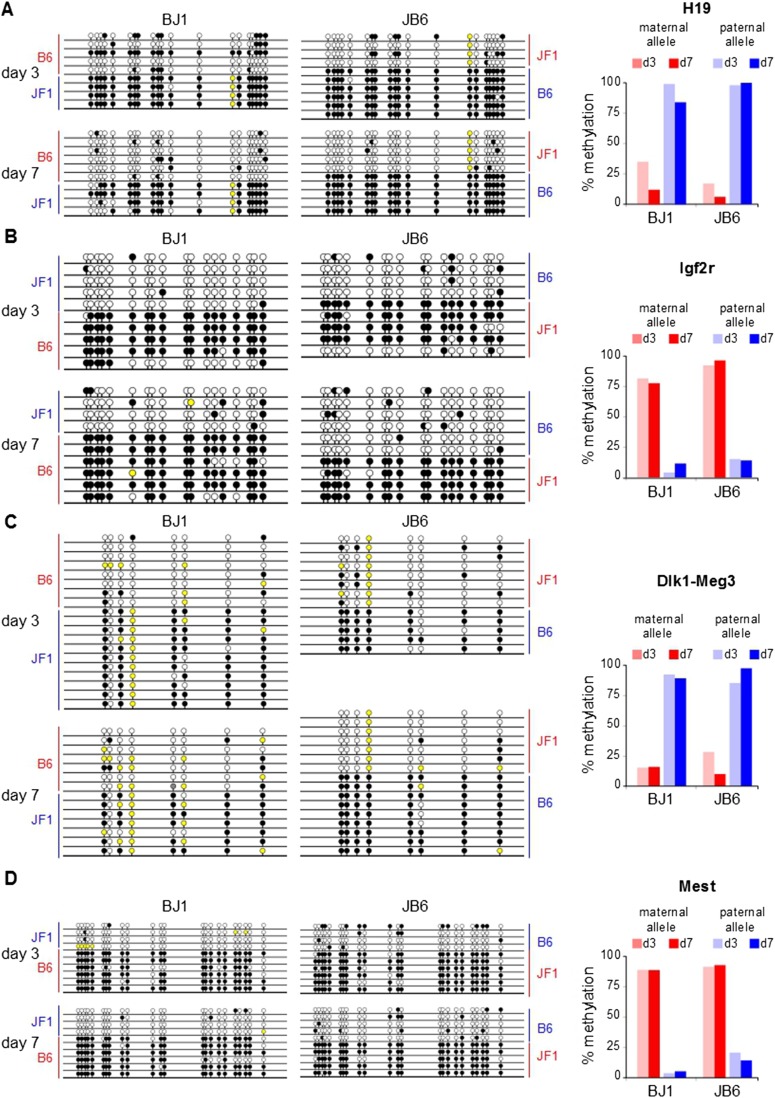
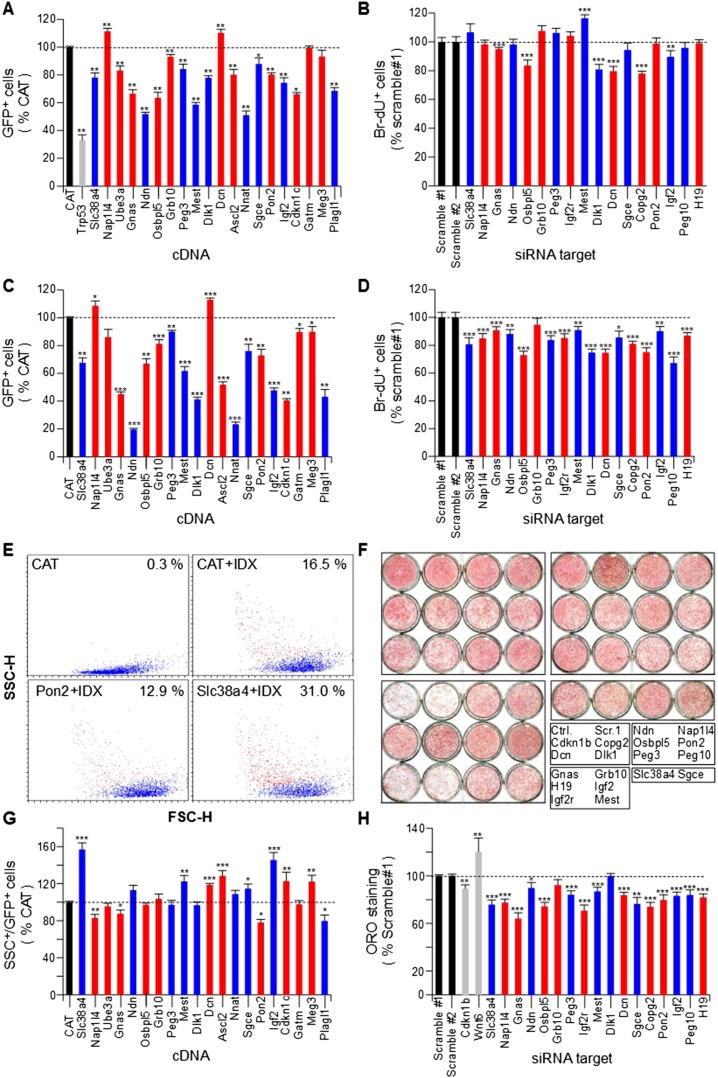
Genomic imprinting is an epigenetic mechanism that restrains the expression of ∼ 100 eutherian genes in a parent-of-origin-specific manner. The reason for this selective targeting of genes with seemingly disparate molecular functions is unclear. In the present work, we show that imprinted genes are coexpressed in a network that is regulated at the transition from proliferation to quiescence and differentiation during fibroblast cell cycle withdrawal, adipogenesis in vitro, and muscle regeneration in vivo. Imprinted gene regulation is not linked to alteration of DNA methylation or to perturbation of monoallelic, parent-of-origin-dependent expression. Overexpression and knockdown of imprinted gene expression alters the sensitivity of preadipocytes to contact inhibition and adipogenic differentiation. In silico and in cellulo experiments showed that the imprinted gene network includes biallelically expressed, nonimprinted genes. These control the extracellular matrix composition, cell adhesion, cell junction, and extracellular matrix-activated and growth factor-activated signaling. These observations show that imprinted genes share a common biological process that may account for their seemingly diverse roles in embryonic development, obesity, diabetes, muscle physiology, and neoplasm.
基因组印记是一种表观遗传机制,它以亲本来源特异性的方式抑制约100个真兽类基因的表达。对具有看似不同分子功能的基因进行这种选择性靶向的原因尚不清楚。在本研究中,我们表明印记基因在一个网络中共同表达,该网络在成纤维细胞退出细胞周期、体外脂肪生成和体内肌肉再生过程中,从增殖到静止和分化的转变过程中受到调控。印记基因调控与DNA甲基化的改变或单等位基因、亲本来源依赖性表达的扰动无关。印记基因表达的过表达和敲低改变了前脂肪细胞对接触抑制和脂肪生成分化的敏感性。计算机模拟和细胞实验表明,印记基因网络包括双等位基因表达的非印记基因。这些基因控制细胞外基质组成、细胞黏附、细胞连接以及细胞外基质激活和生长因子激活的信号传导。这些观察结果表明,印记基因共享一个共同的生物学过程,这可能解释了它们在胚胎发育、肥胖、糖尿病、肌肉生理学和肿瘤形成中看似多样的作用。