Varrault Annie, Dantec Christelle, Le Digarcher Anne, Chotard Laëtitia, Bilanges Benoit, Parrinello Hugues, Dubois Emeric, Rialle Stéphanie, Severac Dany, Bouschet Tristan, Journot Laurent
Institut de Génomique Fonctionnelle, IGF, CNRS, INSERM, Univ. Montpellier, F-34094 Montpellier, France.
Montpellier GenomiX, MGX, BioCampus Montpellier, CNRS, INSERM, Univ. Montpellier, F-34094 Montpellier, France.
Nucleic Acids Res. 2017 Oct 13;45(18):10466-10480. doi: 10.1093/nar/gkx672.
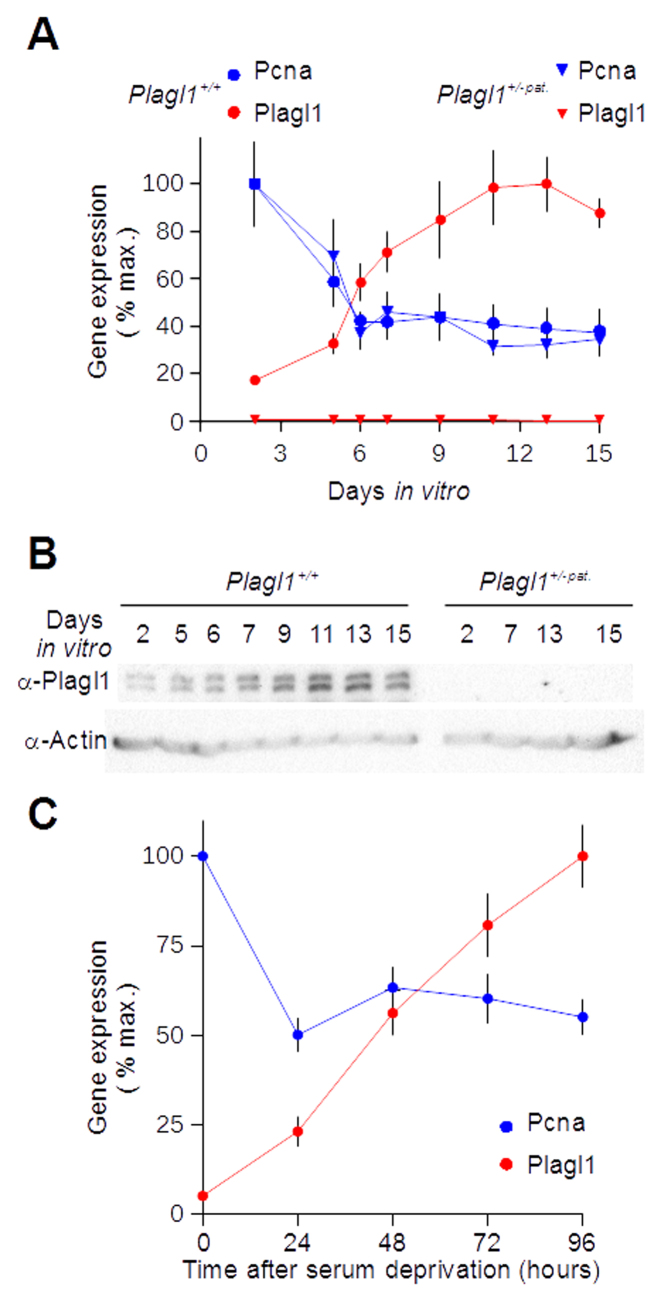
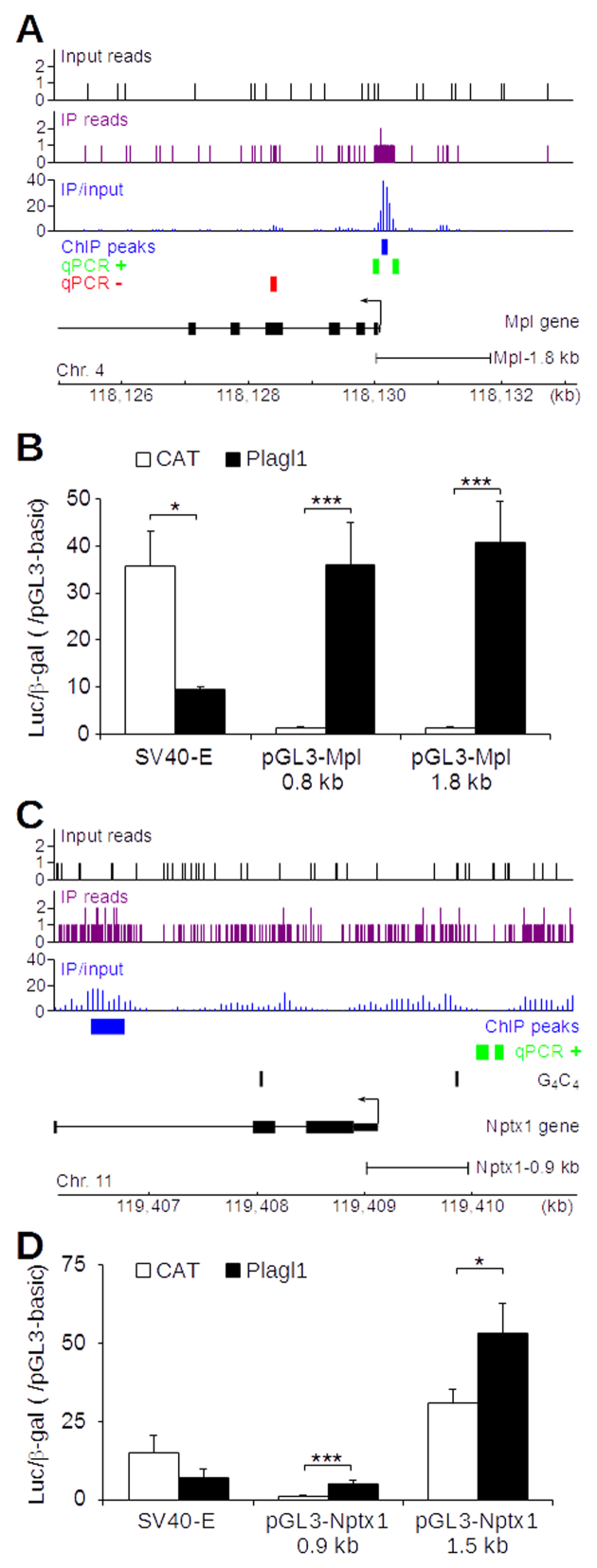
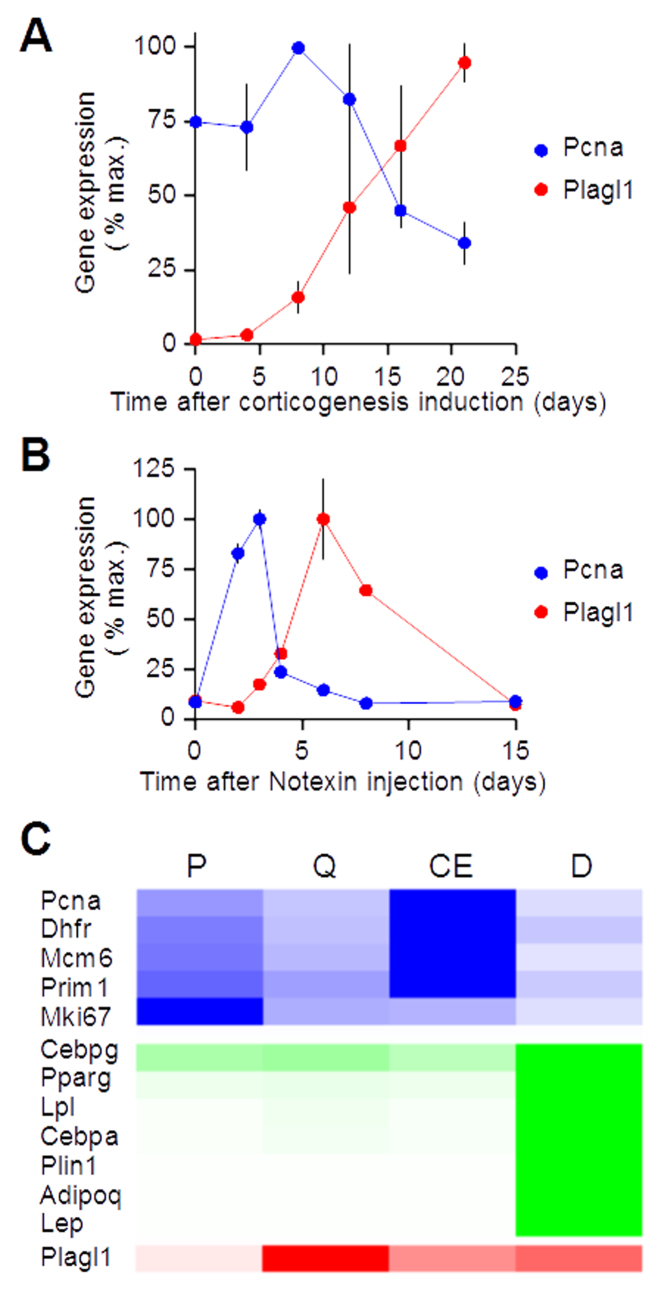
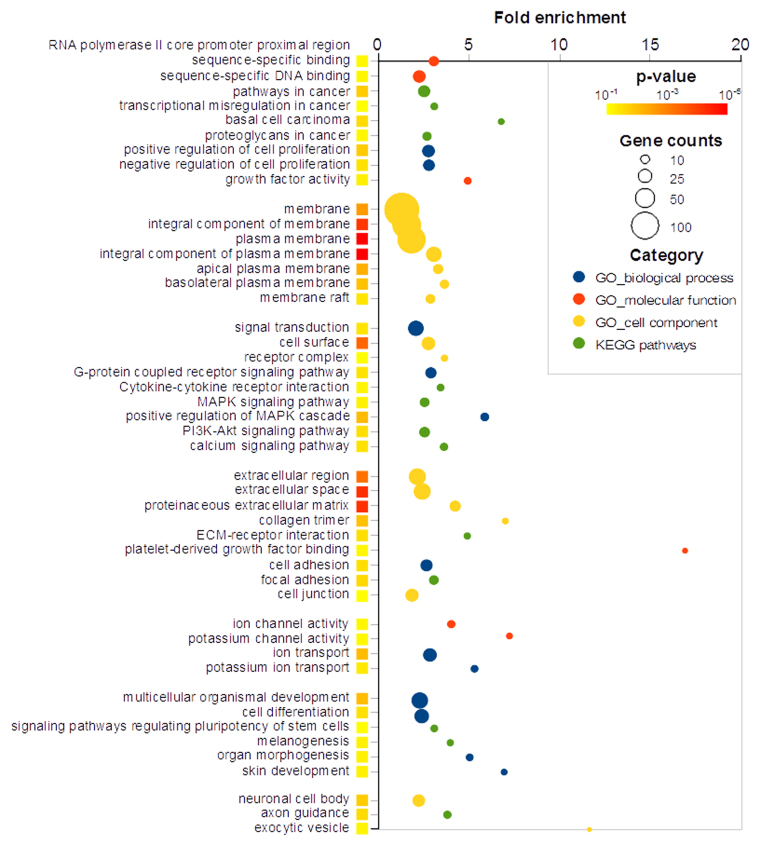
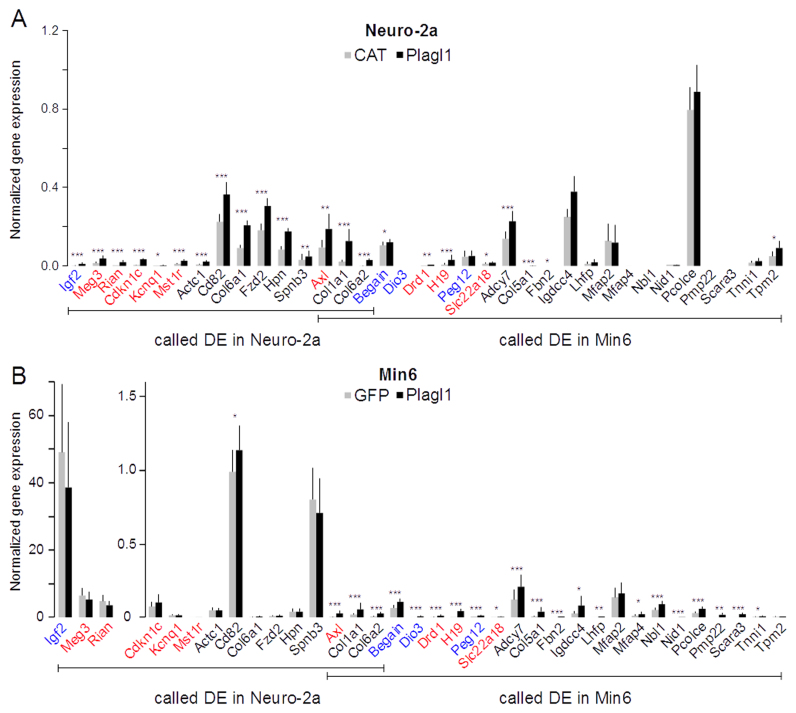
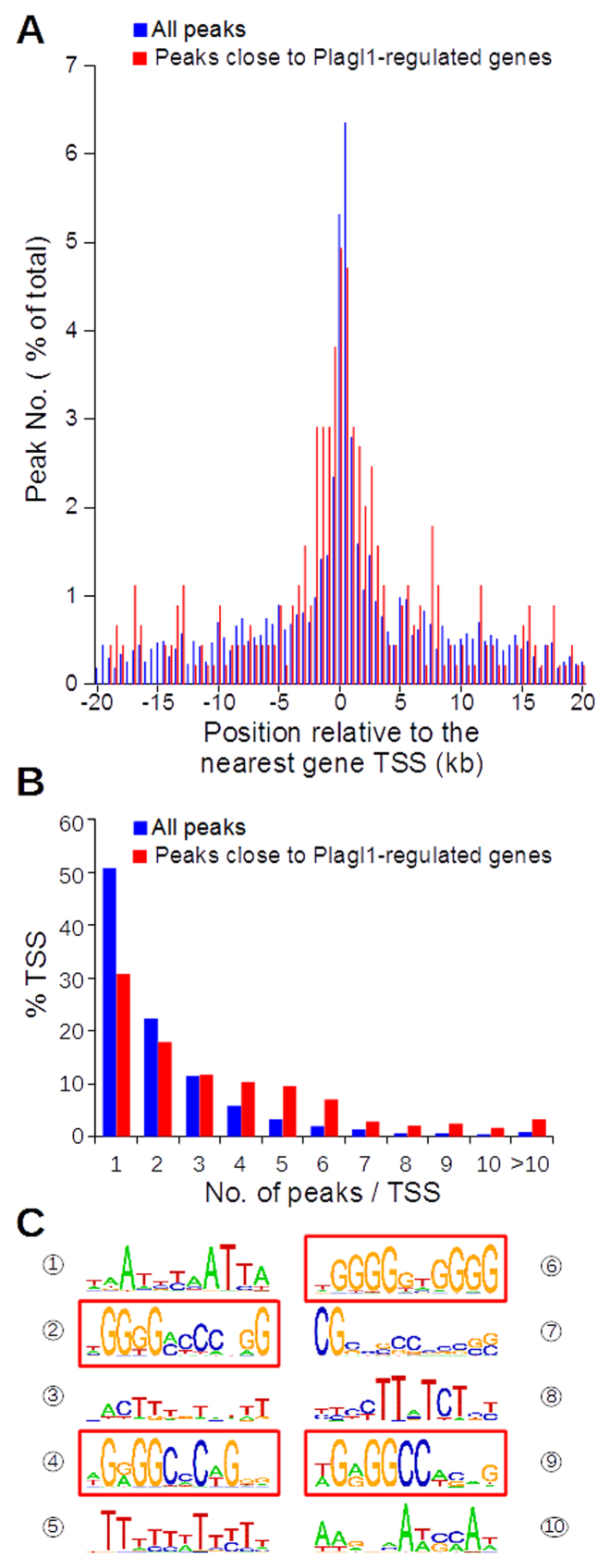
PLAGL1/ZAC1 undergoes parental genomic imprinting, is paternally expressed, and is a member of the imprinted gene network (IGN). It encodes a zinc finger transcription factor with anti-proliferative activity and is a candidate tumor suppressor gene on 6q24 whose expression is frequently lost in various neoplasms. Conversely, gain of PLAGL1 function is responsible for transient neonatal diabetes mellitus, a rare genetic disease that results from defective pancreas development. In the present work, we showed that Plagl1 up-regulation was not associated with DNA damage-induced cell cycle arrest. It was rather associated with physiological cell cycle exit that occurred with contact inhibition, growth factor withdrawal, or cell differentiation. To gain insights into Plagl1 mechanism of action, we identified Plagl1 target genes by combining chromatin immunoprecipitation and genome-wide transcriptomics in transfected cell lines. Plagl1-elicited gene regulation correlated with multiple binding to the proximal promoter region through a GC-rich motif. Plagl1 target genes included numerous genes involved in signaling, cell adhesion, and extracellular matrix composition, including collagens. Plagl1 targets also included 22% of the 409 genes that make up the IGN. Altogether, this work identified Plagl1 as a transcription factor that coordinated the regulation of a subset of IGN genes and controlled extracellular matrix composition.
PLAGL1/ZAC1经历亲本基因组印记,由父本表达,是印记基因网络(IGN)的成员。它编码一种具有抗增殖活性的锌指转录因子,是6q24上的一个候选肿瘤抑制基因,其表达在各种肿瘤中经常缺失。相反,PLAGL1功能的获得导致短暂性新生儿糖尿病,这是一种由胰腺发育缺陷引起的罕见遗传病。在本研究中,我们表明Plagl1的上调与DNA损伤诱导的细胞周期停滞无关。它反而与接触抑制、生长因子撤出或细胞分化时发生的生理性细胞周期退出有关。为了深入了解Plagl1的作用机制,我们通过在转染细胞系中结合染色质免疫沉淀和全基因组转录组学来鉴定Plagl1靶基因。Plagl1引发的基因调控与通过富含GC的基序与近端启动子区域的多重结合相关。Plagl1靶基因包括许多参与信号传导、细胞粘附和细胞外基质组成的基因,包括胶原蛋白。Plagl1的靶标还包括构成IGN的409个基因中的22%。总之,这项工作确定Plagl1是一种转录因子,它协调IGN基因子集的调控并控制细胞外基质组成。