Somoza John R, Koditek David, Villaseñor Armando G, Novikov Nikolai, Wong Melanie H, Liclican Albert, Xing Weimei, Lagpacan Leanna, Wang Ruth, Schultz Brian E, Papalia Giuseppe A, Samuel Dharmaraj, Lad Latesh, McGrath Mary E
From the Departments of Structural Chemistry and
Biology, Gilead Sciences, Inc., Foster City, California 94404.
J Biol Chem. 2015 Mar 27;290(13):8439-46. doi: 10.1074/jbc.M114.634683. Epub 2015 Jan 28.
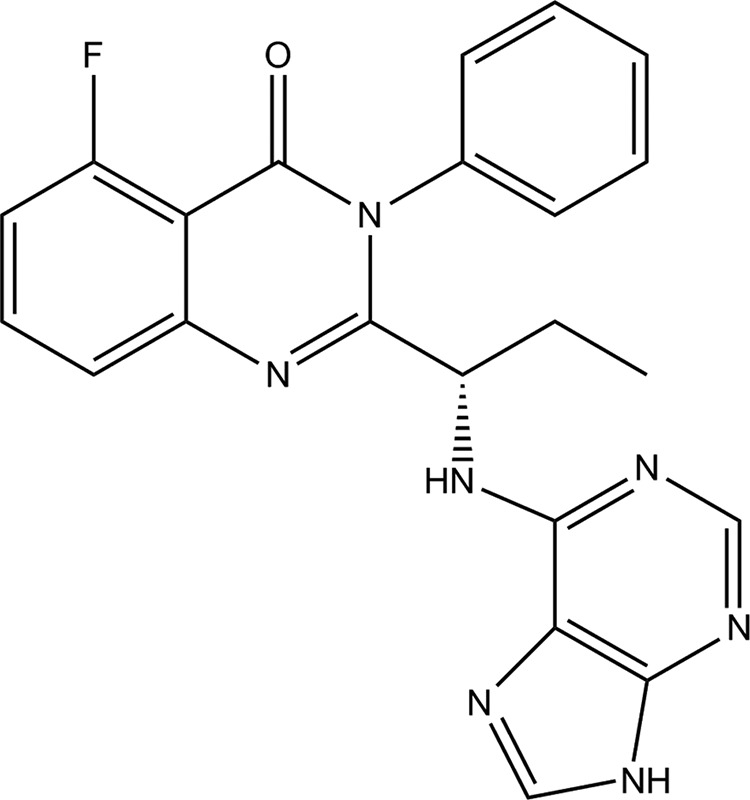
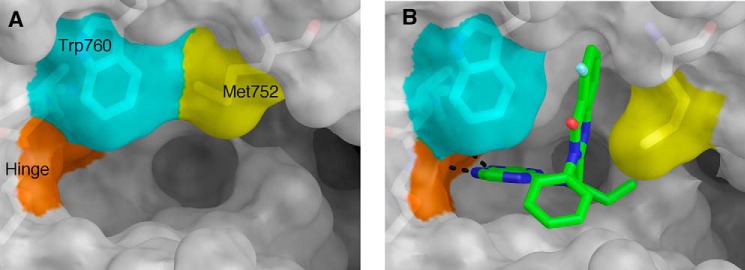
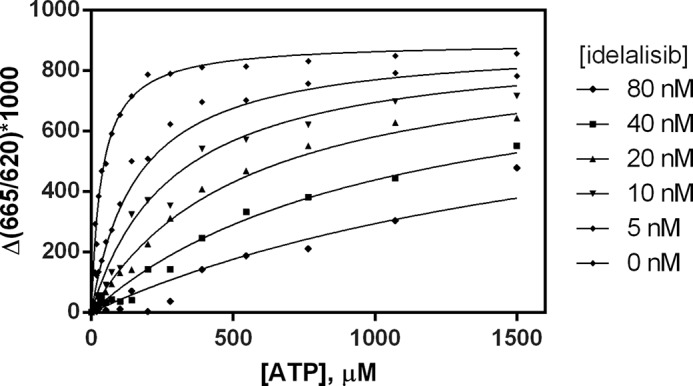
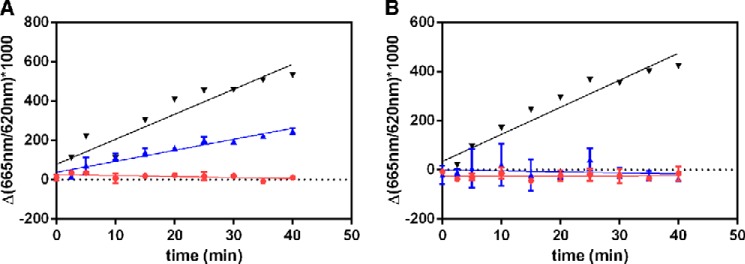
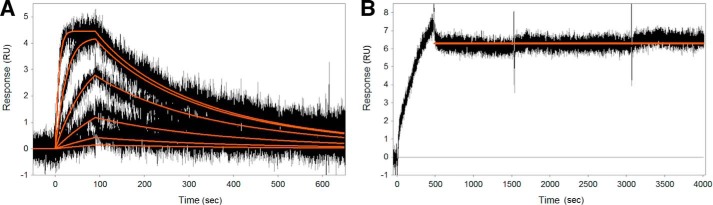
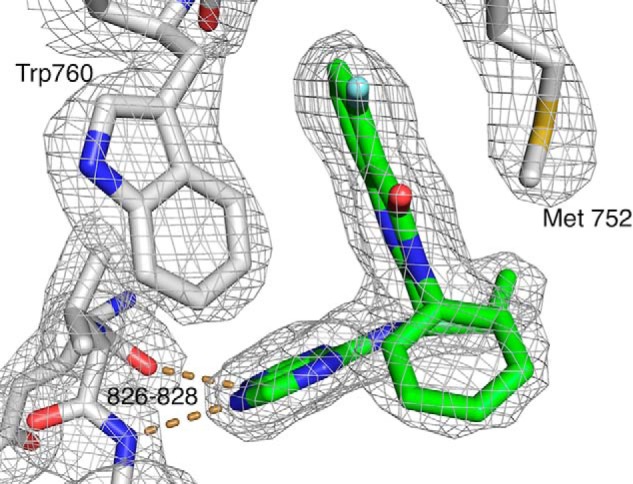
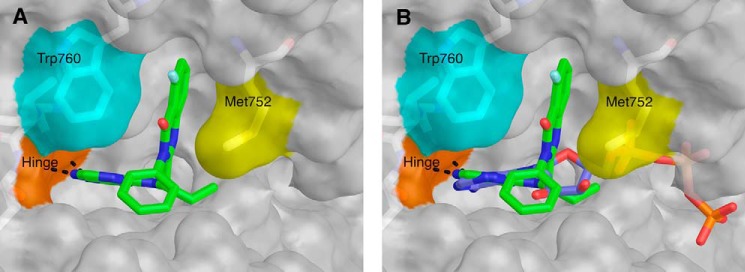
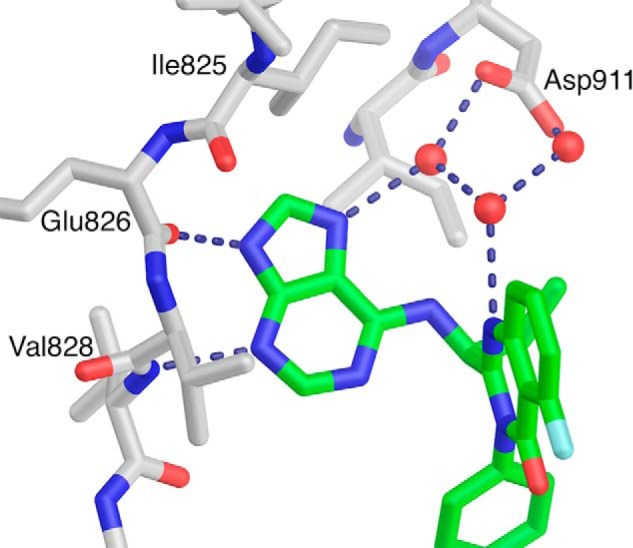
Idelalisib (also known as GS-1101, CAL-101, IC489666, and Zydelig) is a PI3Kδ inhibitor that has recently been approved for the treatment of several hematological malignancies. Given its use in human diseases, we needed a clear picture of how idelalisib binds to and inhibits PI3Kδ. Our data show that idelalisib is a potent and selective inhibitor of the kinase activity of PI3Kδ. A kinetic characterization clearly demonstrated ATP-competitive inhibition, and several additional biochemical and biophysical assays showed that the compound binds reversibly and noncovalently to the kinase. A crystal structure of idelalisib bound to the p110δ subunit of PI3Kδ furthers our understanding of the binding interactions that confer the potency and selectivity of idelalisib.
idelalisib(也称为GS-1101、CAL-101、IC489666和Zydelig)是一种PI3Kδ抑制剂,最近已被批准用于治疗多种血液系统恶性肿瘤。鉴于其在人类疾病中的应用,我们需要清楚了解idelalisib如何结合并抑制PI3Kδ。我们的数据表明,idelalisib是PI3Kδ激酶活性的强效和选择性抑制剂。动力学表征清楚地证明了ATP竞争性抑制,并且多项额外的生化和生物物理分析表明该化合物与激酶可逆且非共价结合。idelalisib与PI3Kδ的p110δ亚基结合的晶体结构进一步加深了我们对赋予idelalisib效力和选择性的结合相互作用的理解。