Johnson Jill R, Folestad Erika, Rowley Jessica E, Noll Elisa M, Walker Simone A, Lloyd Clare M, Rankin Sara M, Pietras Kristian, Eriksson Ulf, Fuxe Jonas
Department of Medical Biochemistry and Biophysics, Matrix Division, Division of Vascular Biology, Karolinska Institutet, Stockholm, Sweden; Leukocyte Biology Section, National Heart and Lung Institute, Sir Alexander Fleming Building, Imperial College London, London, United Kingdom; and
Department of Medical Biochemistry and Biophysics, Matrix Division, Division of Vascular Biology, Karolinska Institutet, Stockholm, Sweden;
Am J Physiol Lung Cell Mol Physiol. 2015 Apr 1;308(7):L658-71. doi: 10.1152/ajplung.00286.2014. Epub 2015 Jan 30.
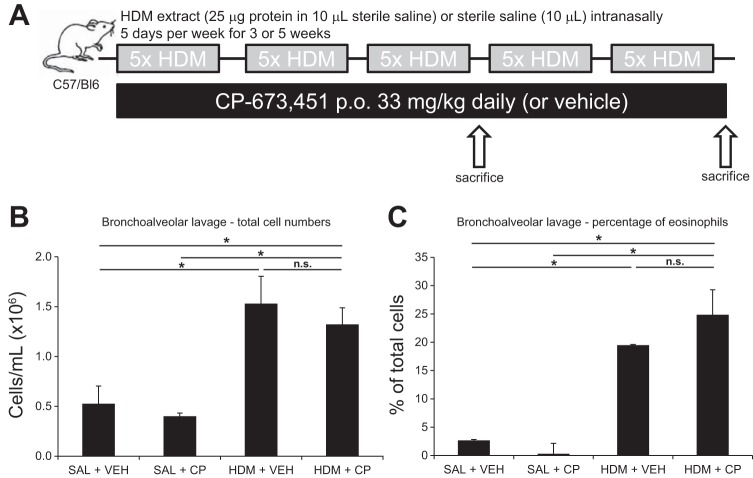
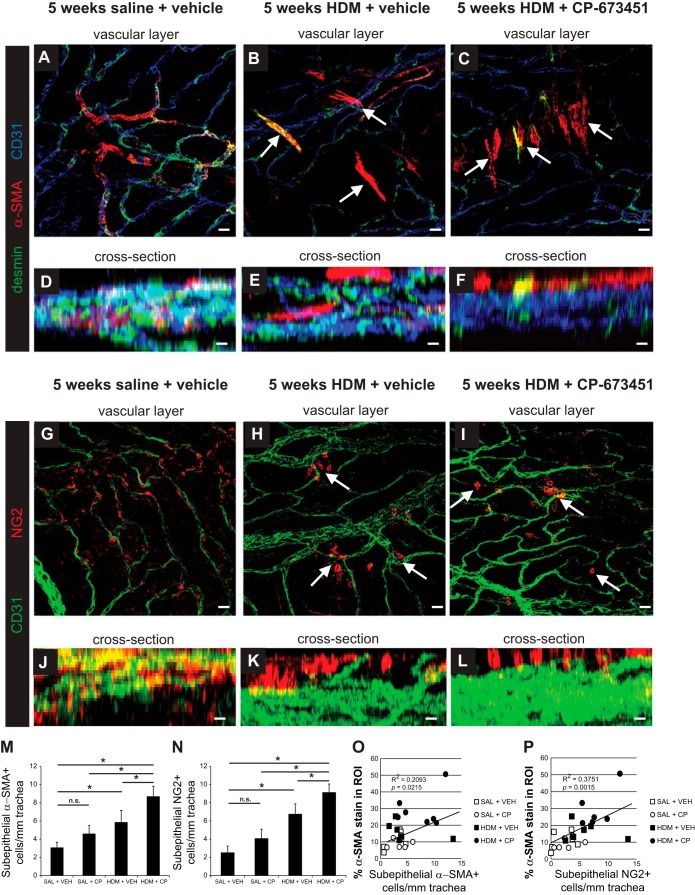
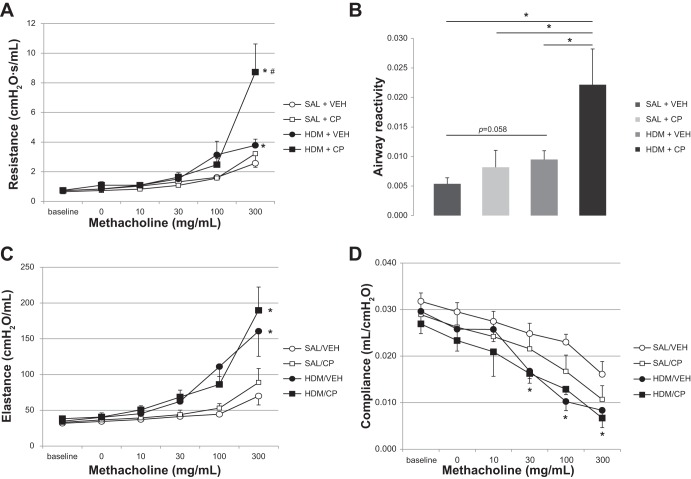
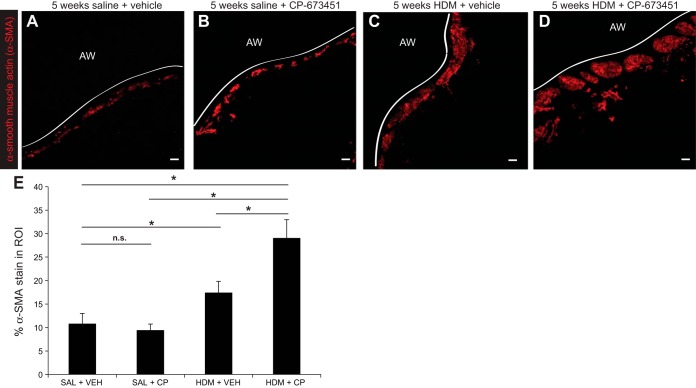
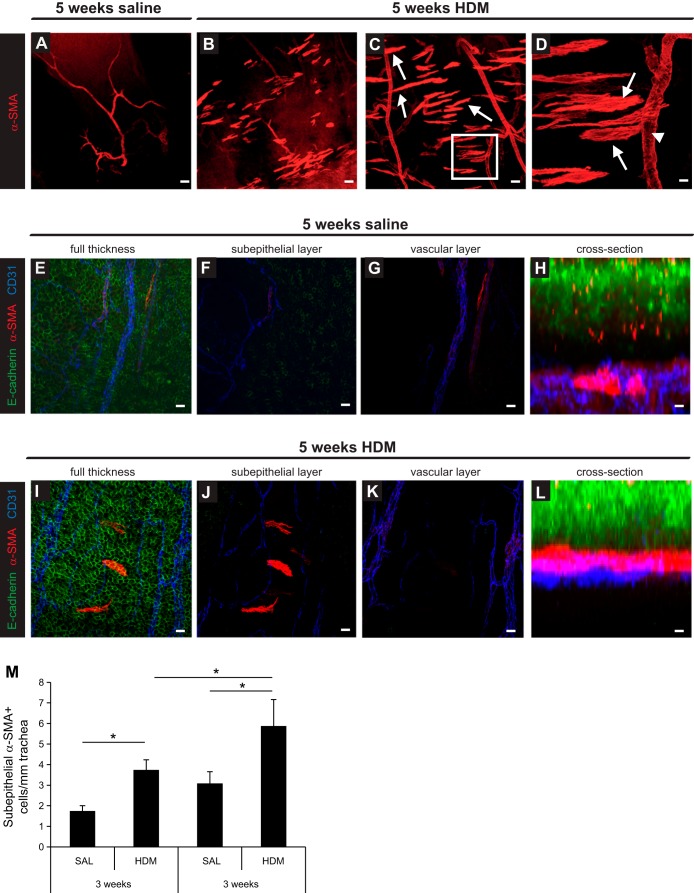
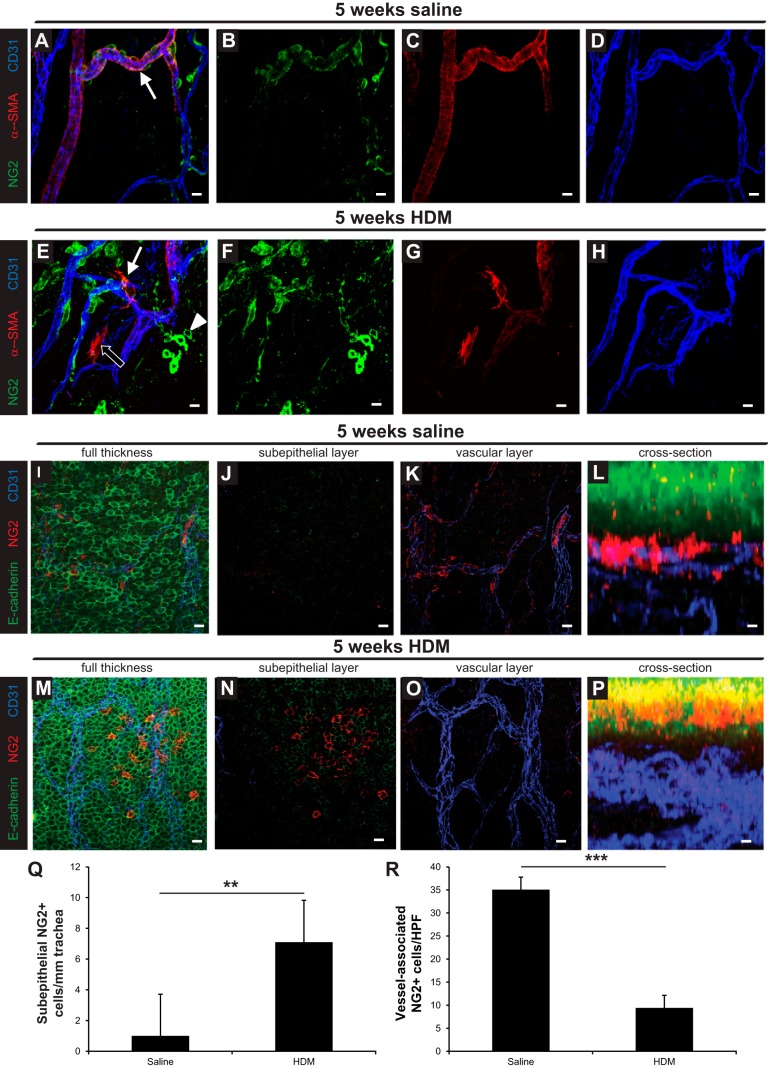
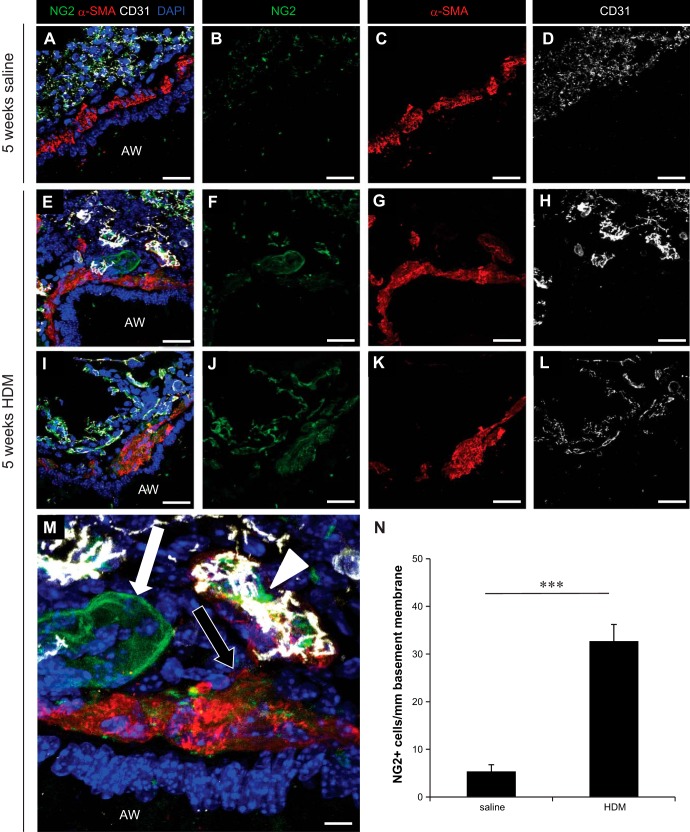
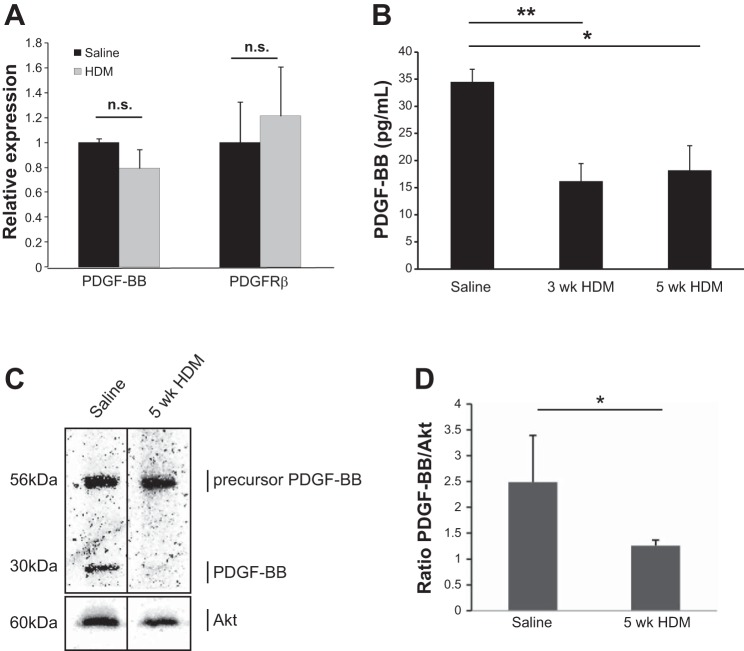
Myofibroblast accumulation, subepithelial fibrosis, and vascular remodeling are complicating features of chronic asthma, but the mechanisms are not clear. Platelet-derived growth factors (PDGFs) regulate the fate and function of various mesenchymal cells and have been implicated as mediators of lung fibrosis. However, it is not known whether PDGF-BB signaling via PDGFRβ, which is critical for the recruitment of pericytes to blood vessels, plays a role in airway remodeling in chronic asthma. In the present study, we used a selective PDGFRβ inhibitor (CP-673451) to investigate the role of PDGFRβ signaling in the development of airway remodeling and lung dysfunction in an established mouse model of house dust mite-induced chronic allergic asthma. Unexpectedly, we found that pharmacological inhibition of PDGFRβ signaling in the context of chronic aeroallergen exposure led to exacerbated lung dysfunction and airway smooth muscle thickening. Further studies revealed that the inflammatory response to aeroallergen challenge in mice was associated with decreased PDGF-BB expression and the loss of pericytes from the airway microvasculature. In parallel, cells positive for pericyte markers accumulated in the subepithelial region of chronically inflamed airways. This process was exacerbated in animals treated with CP-673451. The results indicate that perturbed PDGF-BB/PDGFRβ signaling and pericyte accumulation in the airway wall may contribute to airway remodeling in chronic allergic asthma.
肌成纤维细胞积聚、上皮下纤维化和血管重塑是慢性哮喘的复杂特征,但其机制尚不清楚。血小板衍生生长因子(PDGFs)调节各种间充质细胞的命运和功能,并被认为是肺纤维化的介质。然而,尚不清楚通过PDGFRβ的PDGF - BB信号传导(这对周细胞募集到血管至关重要)是否在慢性哮喘的气道重塑中起作用。在本研究中,我们使用一种选择性PDGFRβ抑制剂(CP - 673451)来研究在已建立的屋尘螨诱导的慢性过敏性哮喘小鼠模型中,PDGFRβ信号传导在气道重塑和肺功能障碍发展中的作用。出乎意料的是,我们发现在慢性空气过敏原暴露的情况下,对PDGFRβ信号传导的药理学抑制导致肺功能障碍加剧和气道平滑肌增厚。进一步的研究表明,小鼠对空气过敏原攻击的炎症反应与PDGF - BB表达降低和气道微血管周细胞的丧失有关。同时,周细胞标志物阳性的细胞在慢性炎症气道的上皮下区域积聚。在用CP - 673451治疗的动物中,这一过程加剧。结果表明,气道壁中PDGF - BB/PDGFRβ信号传导紊乱和周细胞积聚可能导致慢性过敏性哮喘的气道重塑。