Hernández Laia, Terradas Mariona, Camps Jordi, Martín Marta, Tusell Laura, Genescà Anna
Department of Cell Biology, Physiology and Immunology, Universitat Autònoma de Barcelona, 08193, Bellaterra, Spain.
Aging Cell. 2015 Apr;14(2):153-61. doi: 10.1111/acel.12306. Epub 2015 Feb 2.
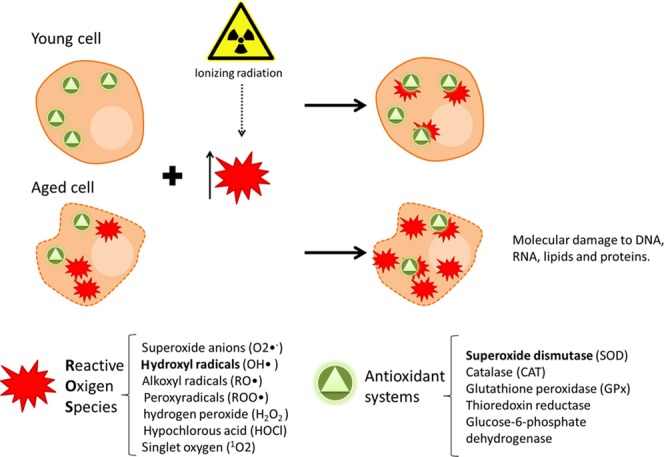
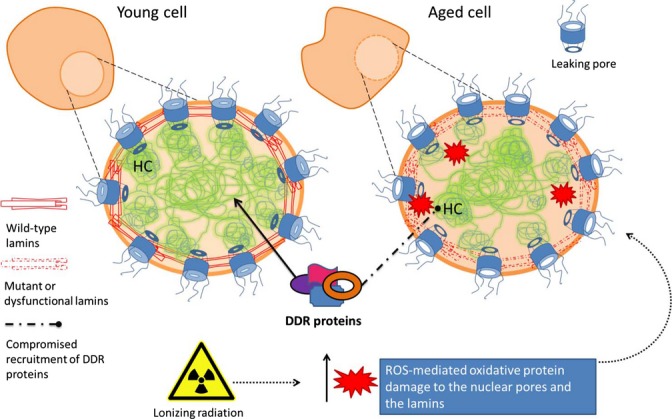
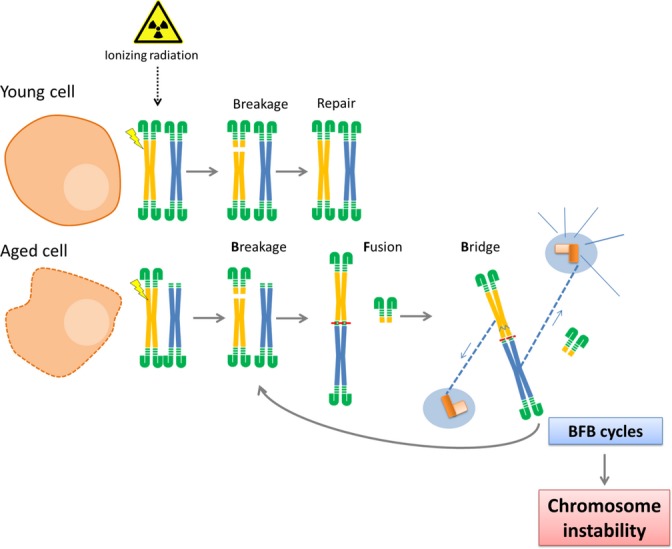
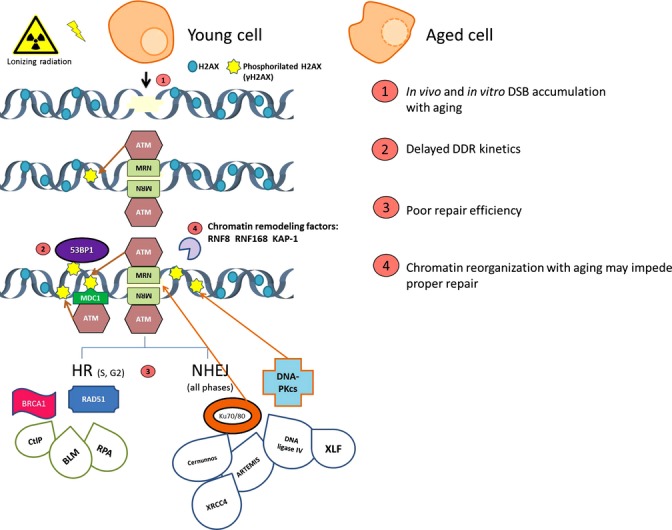
Aging involves a deterioration of cell functions and changes that may predispose the cell to undergo an oncogenic transformation. The carcinogenic risks following radiation exposure rise with age among adults. Increasing inflammatory response, loss of oxidant/antioxidant equilibrium, ongoing telomere attrition, decline in the DNA damage response efficiency, and deleterious nuclear organization are age-related cellular changes that trigger a serious threat to genomic integrity. In this review, we discuss the mechanistic interplay between all these factors, providing an integrated view of how they contribute to the observed age-related increase in radiation sensitivity. As life expectancy increases and so it does the medical intervention, it is important to highlight the benefits of radiation protection in the elderly. Thus, a deep understanding of the mechanistic processes confining the threat of aging-related radiosensitivity is currently of foremost relevance.
衰老涉及细胞功能的衰退以及一些可能使细胞易于发生致癌转化的变化。成年人受到辐射后的致癌风险会随着年龄增长而上升。炎症反应增强、氧化/抗氧化平衡丧失、端粒持续损耗、DNA损伤反应效率下降以及有害的细胞核组织等与年龄相关的细胞变化,对基因组完整性构成了严重威胁。在本综述中,我们讨论了所有这些因素之间的机制相互作用,全面阐述了它们如何导致观察到的与年龄相关的辐射敏感性增加。随着预期寿命的延长以及医疗干预的增加,强调老年人辐射防护的益处非常重要。因此,深入了解限制衰老相关辐射敏感性威胁的机制过程目前具有至关重要的意义。