Henry Ford Health System, Detroit, MI, USA.
Amylin Pharmaceuticals, San Diego, CA, USA ; AstraZeneca, San Diego, CA, USA.
Diabetes Metab Syndr Obes. 2015 Jan 16;8:49-56. doi: 10.2147/DMSO.S71923. eCollection 2015.
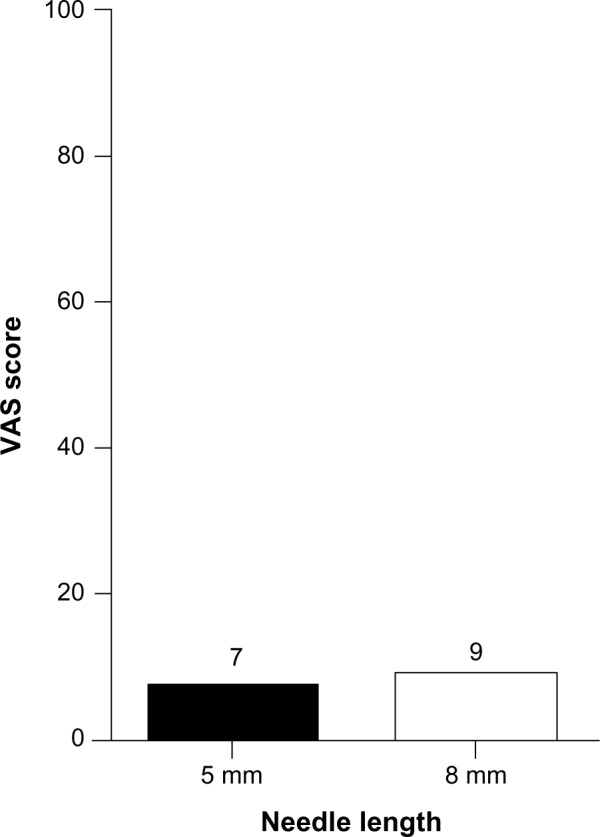
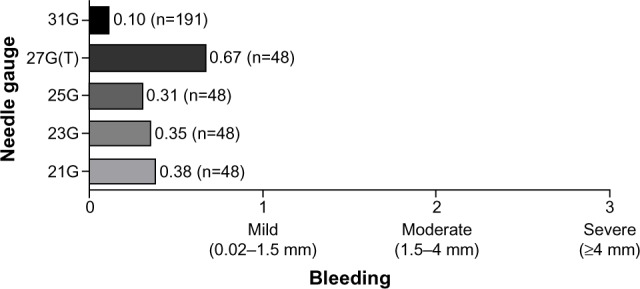
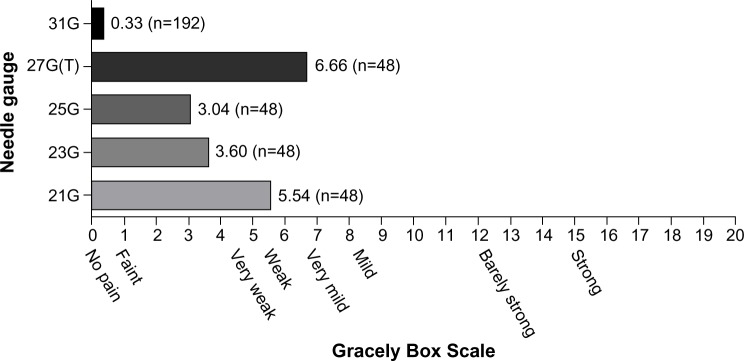
Injectable treatments, such as glucagon-like peptide-1 receptor agonists and insulin, are options for the pharmacologic treatment of type 2 diabetes. Numerous barriers lead to delay in initiating injectable treatment, which, in turn, may lead to inadequate glycemic control and increased risk of diabetes-related complications, underscoring the need to understand and address these barriers. Barriers to the initiation of injectable therapy, strategies to mitigate barriers, and information about needle attributes and their relation to needle pain are reviewed on the basis of published literature retrieval and our clinical experience. Barriers to the initiation of injectable therapy originate from both patients and practitioners. Anxiety about and fear of injection-associated pain has been estimated to affect approximately 30%-50% of patients before the initiation of diabetes education interventions. Advances in needle design have minimized the pain associated with injections, and recent data suggest that actual pain and bleeding associated with various needle gauges (21-gauge to 31-gauge) are mild. Other barriers include concerns about the ability to handle injectable therapy, concerns about treatment side effects, and impacts on quality of life. Practitioners can help to mitigate barriers to injectable treatment for type 2 diabetes by understanding patient perceptions, improving education, and setting realistic expectations about therapy. Strategies for minimizing injection-associated fear and anxiety include a combination of assessment, appropriate needle selection, patient education, behavioral interventions, and monitoring.
注射治疗,如胰高血糖素样肽-1 受体激动剂和胰岛素,是治疗 2 型糖尿病的药物选择。许多障碍导致延迟开始注射治疗,这反过来可能导致血糖控制不足和糖尿病相关并发症的风险增加,强调需要了解和解决这些障碍。基于已发表的文献检索和我们的临床经验,回顾了注射治疗起始的障碍、减轻障碍的策略以及关于针具属性及其与针刺痛感的关系的信息。注射治疗起始的障碍源于患者和医生。在接受糖尿病教育干预之前,约有 30%-50%的患者估计会对与注射相关的疼痛感到焦虑和恐惧。针具设计的进步已经将与注射相关的疼痛最小化,最近的数据表明,各种针规(21 号到 31 号)的实际疼痛和出血都很轻微。其他障碍包括对处理注射治疗能力的担忧、对治疗副作用的担忧以及对生活质量的影响。医生可以通过了解患者的看法、改善教育和对治疗设定现实的期望来帮助减轻 2 型糖尿病患者接受注射治疗的障碍。减轻与注射相关的恐惧和焦虑的策略包括评估、适当的针具选择、患者教育、行为干预和监测。