Gu Siyi, Nawrocka Wioletta, Adams Erin J
Department of Biochemistry and Molecular Biology, University of Chicago , Chicago, IL , USA.
Department of Biochemistry and Molecular Biology, University of Chicago , Chicago, IL , USA ; Committee on Immunology, University of Chicago , Chicago, IL , USA ; Committee on Cancer Biology, University of Chicago , Chicago, IL , USA.
Front Immunol. 2015 Jan 22;5:688. doi: 10.3389/fimmu.2014.00688. eCollection 2014.
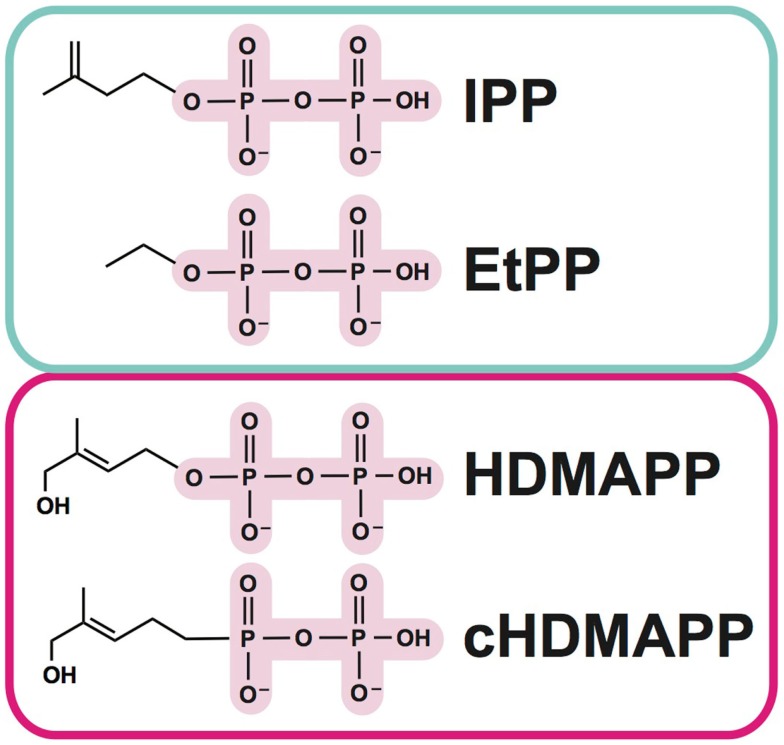
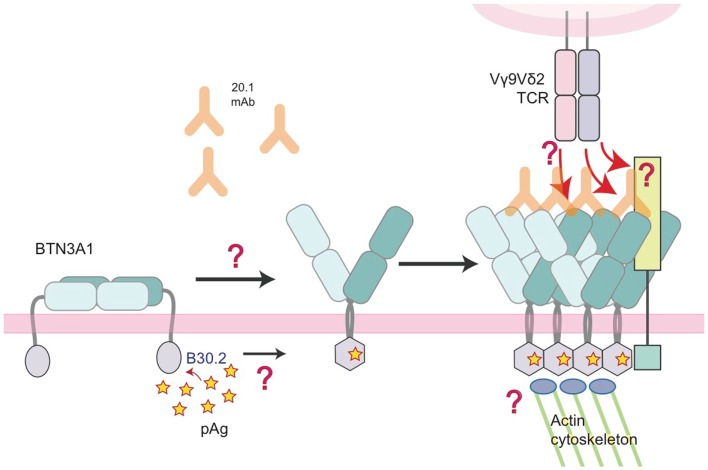
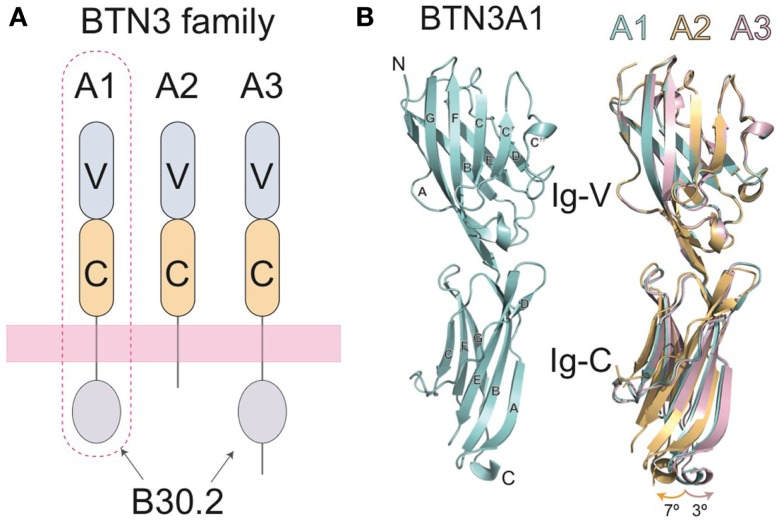
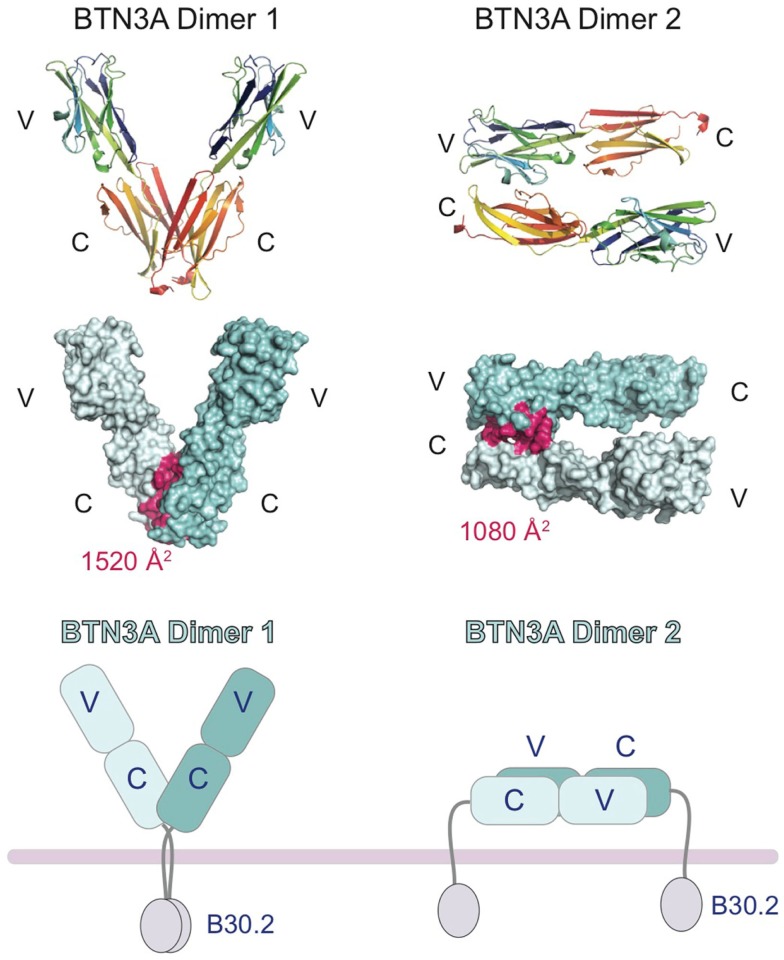
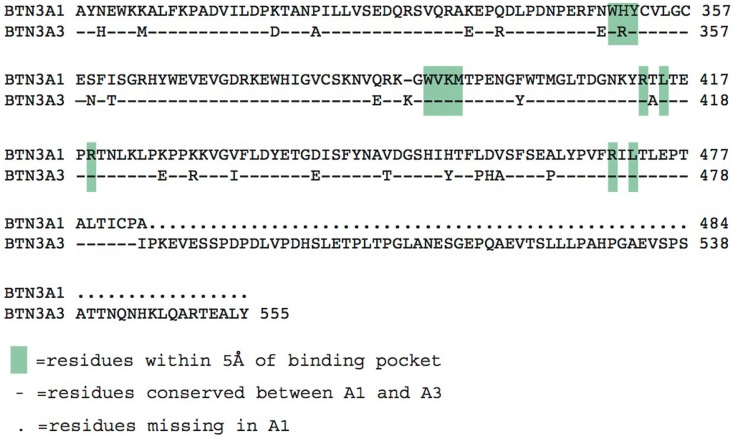
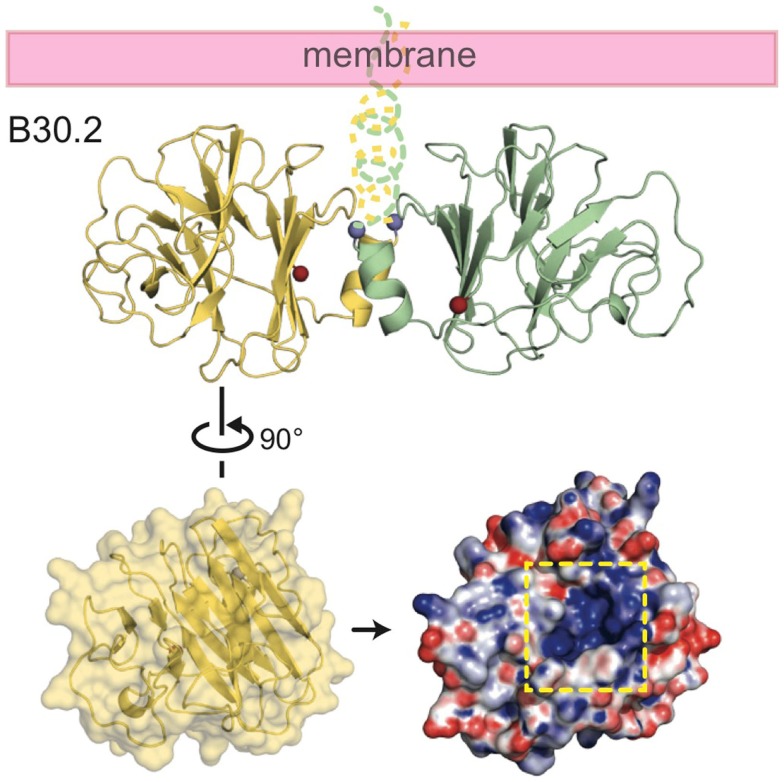
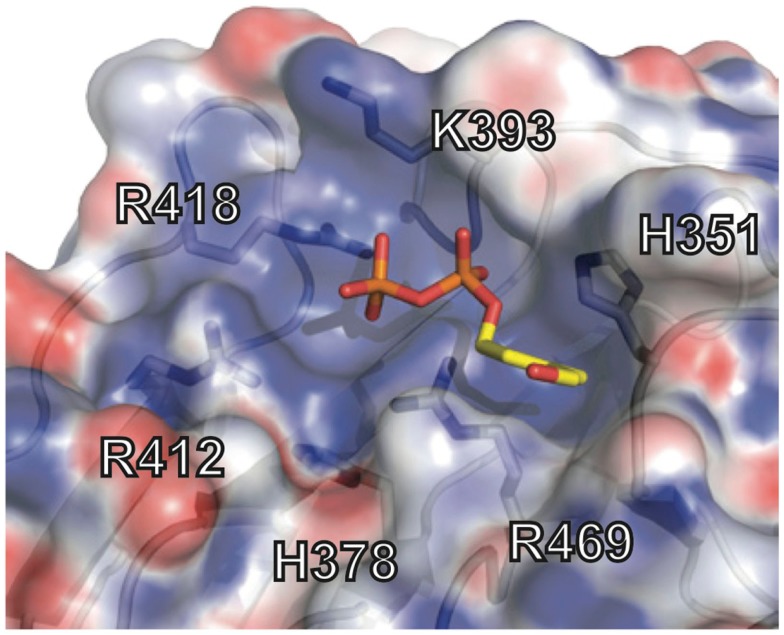
The predominant population of γδ T cells in human blood express a T cell receptor (TCR) composed of a Vγ9 (Vγ2 in an alternate nomenclature) and Vδ2 domains. These cells came into the limelight when it was discovered they can respond to certain microbial infections and tumorigenic cells through the detection of small, pyrophosphate containing organic molecules collectively called "phosphoantigens" or "pAgs." These molecules are intermediates in both eukaryotic and prokaryotic metabolic pathways. Chemical variants of these intermediates have been used in the clinic to treat a range of different cancers, however, directed optimization of these molecules requires a full understanding of their mechanism of action on target cells. We and others have identified a subclass of butyrophilin-related molecules (BTN3A1-3) that are directly involved in pAg sensing in the target cell, leading to engagement and activation of the T cell through the TCR. Our data and that of others support the pAg binding site to be the intracellular B30.2 domain of BTN3A1, which is the only isoform capable of mediating pAg-dependent stimulation of Vγ9Vδ2 T cells. Here, we review the data demonstrating pAg binding to the B30.2 domain and our studies of the structural conformations of the BTN3A extracellular domains. Finally, we synthesize a model linking binding of pAg to the intracellular domain with T cell detection via the extracellular domains in an "inside-out" signaling mechanism of the type characterized first for integrin molecule signaling. We also explore the role of Vγ9Vδ2 TCR variability in the CDR3 γ and δ loops and how this may modulate Vγ9Vδ2 cells as a population in surveillance of human health and disease.
人类血液中占主导地位的γδ T细胞群体表达一种由Vγ9(另一种命名法中的Vγ2)和Vδ2结构域组成的T细胞受体(TCR)。当发现这些细胞能够通过检测统称为“磷酸抗原”或“pAgs”的含焦磷酸的小分子有机分子来响应某些微生物感染和致瘤细胞时,它们就备受关注。这些分子是真核和原核代谢途径的中间体。这些中间体的化学变体已在临床上用于治疗一系列不同的癌症,然而,对这些分子进行定向优化需要全面了解它们对靶细胞的作用机制。我们和其他人已经鉴定出一类与嗜乳脂蛋白相关的分子(BTN3A1 - 3),它们直接参与靶细胞中的pAg感知,通过TCR导致T细胞的结合和激活。我们的数据以及其他人的数据支持pAg结合位点是BTN3A1的细胞内B30.2结构域,这是唯一能够介导pAg依赖性刺激Vγ9Vδ2 T细胞的同种型。在这里,我们回顾了证明pAg与B30.2结构域结合的数据以及我们对BTN3A细胞外结构域构象的研究。最后,我们综合了一个模型,该模型将pAg与细胞内结构域的结合与通过细胞外结构域的T细胞检测联系起来,形成一种“由内向外”的信号传导机制,这种机制最初是在整合素分子信号传导中被描述的。我们还探讨了Vγ9Vδ2 TCR在CDR3 γ和δ环中的变异性作用,以及这可能如何调节作为一个群体的Vγ9Vδ2细胞在人类健康和疾病监测中的作用。