Stavreva Diana A, Coulon Antoine, Baek Songjoon, Sung Myong-Hee, John Sam, Stixova Lenka, Tesikova Martina, Hakim Ofir, Miranda Tina, Hawkins Mary, Stamatoyannopoulos John A, Chow Carson C, Hager Gordon L
Laboratory of Receptor Biology and Gene Expression, National Cancer Institute, NIH, Bethesda, Maryland 20892, USA;
Laboratory of Biological Modeling, National Institute of Diabetes and Digestive and Kidney Diseases, NIH, Bethesda, Maryland 20892, USA;
Genome Res. 2015 Jun;25(6):845-57. doi: 10.1101/gr.184168.114. Epub 2015 Feb 12.
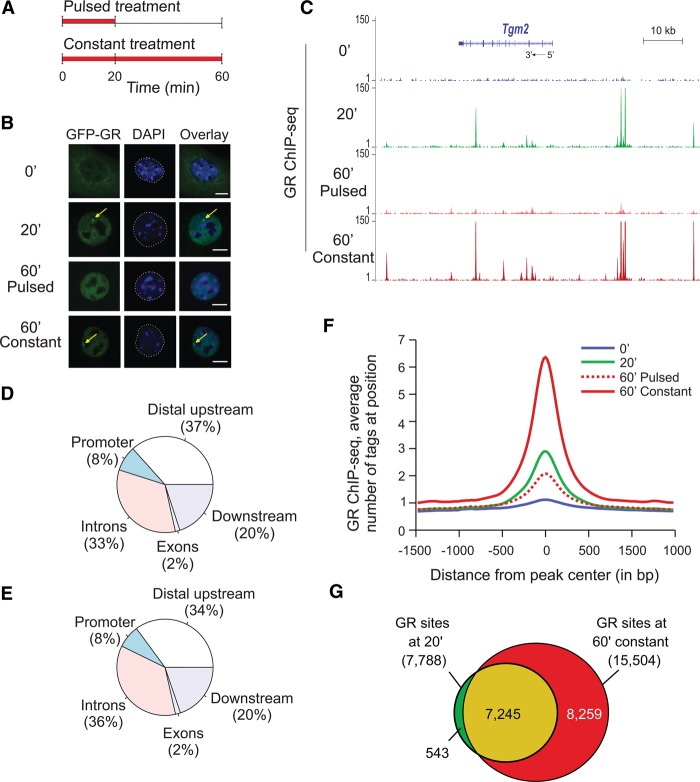
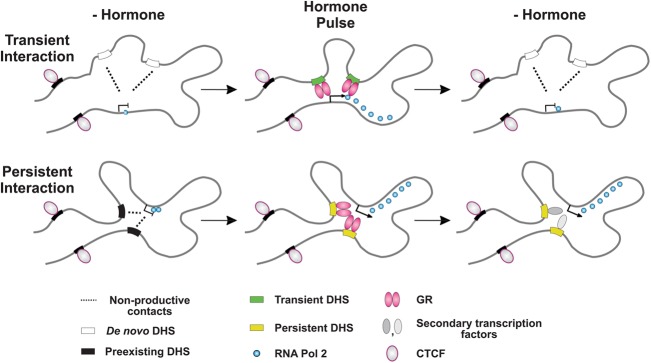
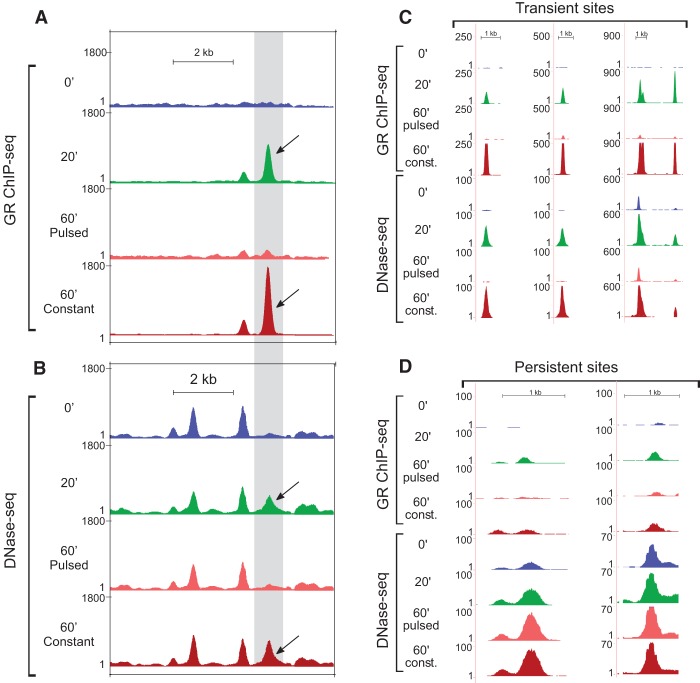
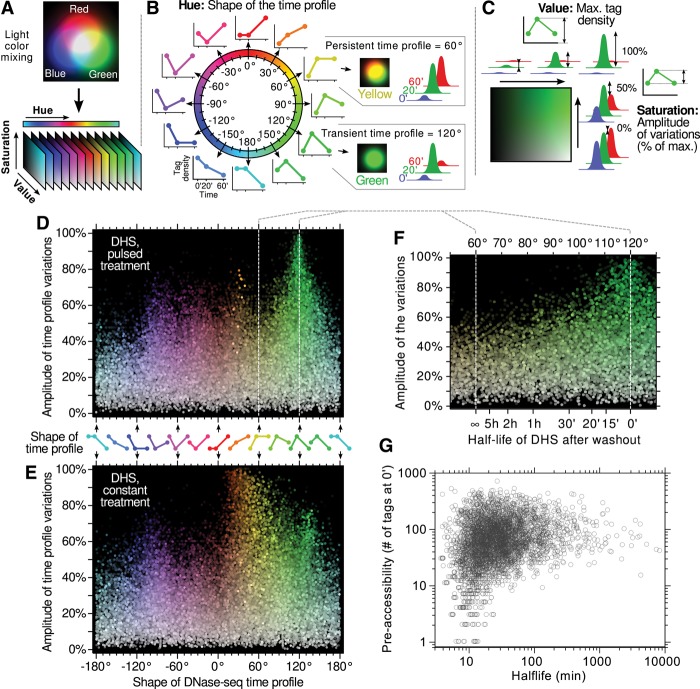
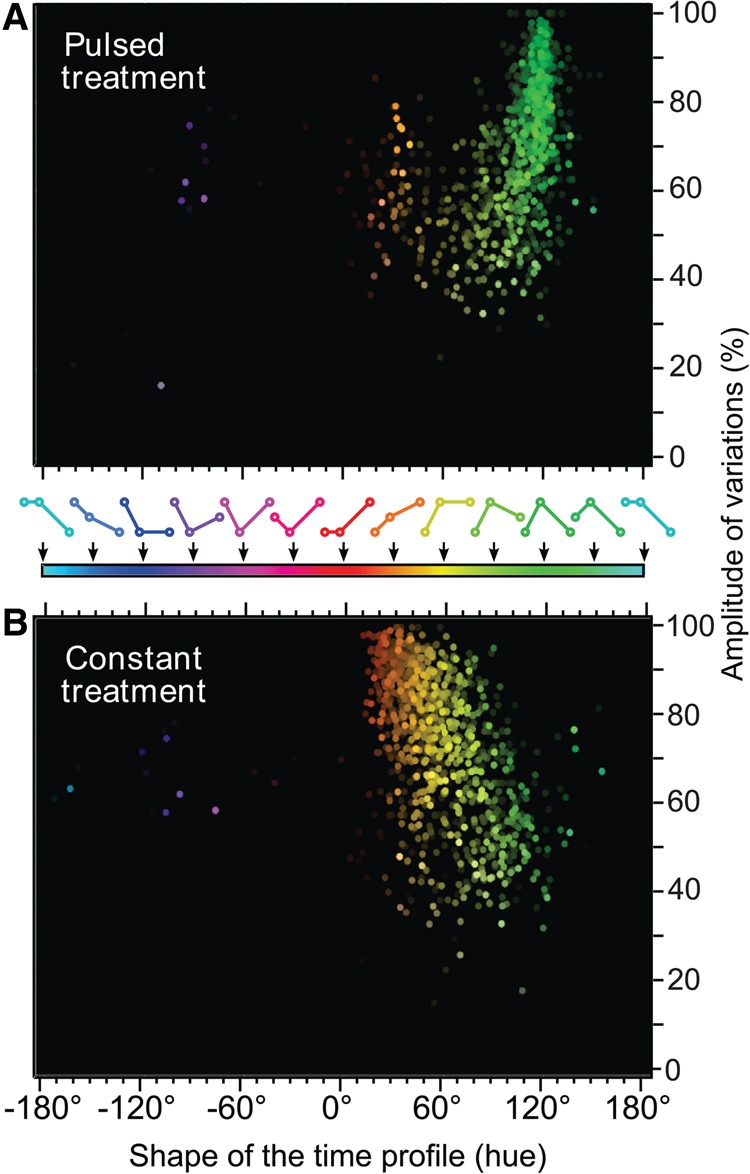
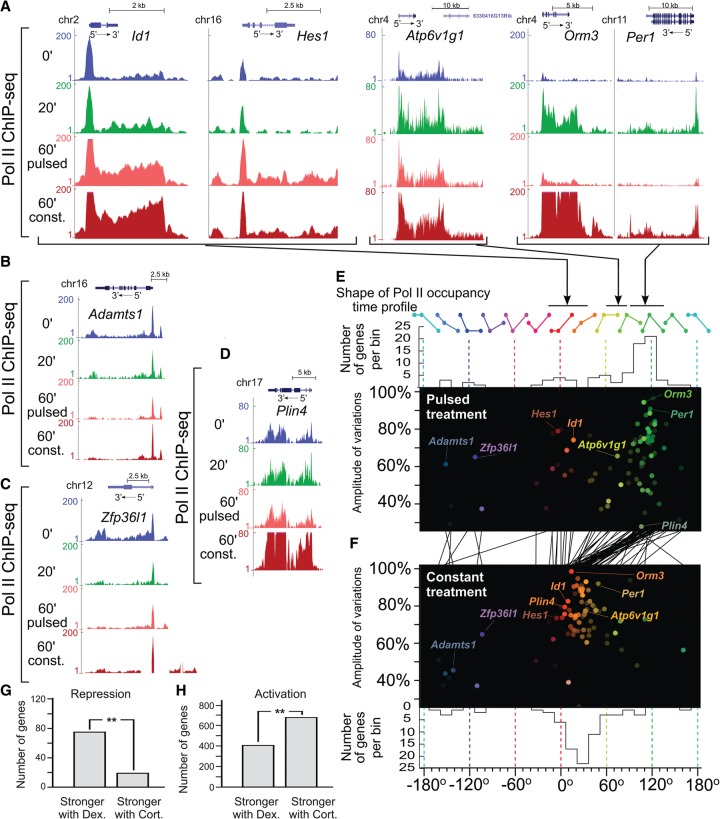
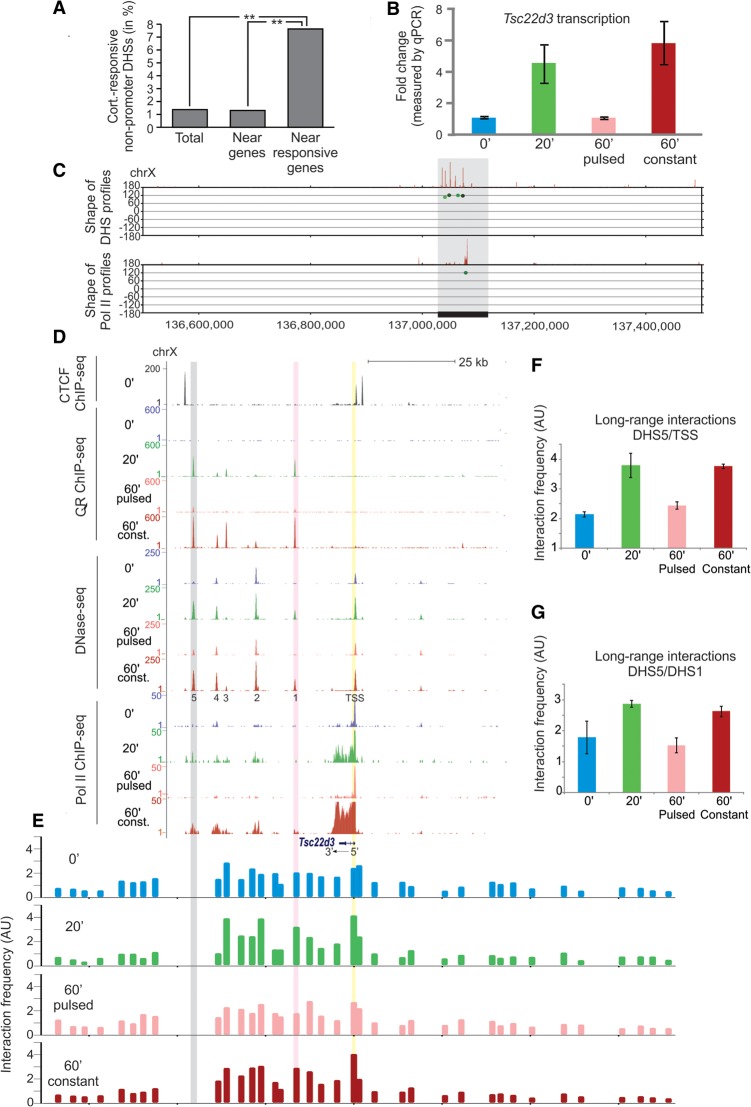
Although physiological steroid levels are often pulsatile (ultradian), the genomic effects of this pulsatility are poorly understood. By utilizing glucocorticoid receptor (GR) signaling as a model system, we uncovered striking spatiotemporal relationships between receptor loading, lifetimes of the DNase I hypersensitivity sites (DHSs), long-range interactions, and gene regulation. We found that hormone-induced DHSs were enriched within ± 50 kb of GR-responsive genes and displayed a broad spectrum of lifetimes upon hormone withdrawal. These lifetimes dictate the strength of the DHS interactions with gene targets and contribute to gene regulation from a distance. Our results demonstrate that pulsatile and constant hormone stimulations induce unique, treatment-specific patterns of gene and regulatory element activation. These modes of activation have implications for corticosteroid function in vivo and for steroid therapies in various clinical settings.
尽管生理状态下的类固醇水平通常呈脉冲式(超日节律),但这种脉冲性的基因组效应却知之甚少。通过利用糖皮质激素受体(GR)信号传导作为模型系统,我们揭示了受体负载、DNA酶I超敏位点(DHSs)的寿命、长程相互作用和基因调控之间惊人的时空关系。我们发现,激素诱导的DHSs在GR反应基因的±50 kb范围内富集,并且在激素撤除后呈现出广泛的寿命谱。这些寿命决定了DHS与基因靶点相互作用的强度,并有助于远距离的基因调控。我们的结果表明,脉冲式和持续性激素刺激会诱导独特的、治疗特异性的基因和调控元件激活模式。这些激活模式对体内皮质类固醇功能以及各种临床环境中的类固醇治疗具有重要意义。