Yargawa Judith, Leonardi-Bee Jo
Division of Epidemiology and Public Health, University of Nottingham, Nottingham City Hospital, Nottingham, UK.
J Epidemiol Community Health. 2015 Jun;69(6):604-12. doi: 10.1136/jech-2014-204784. Epub 2015 Feb 19.
The developing world accounts for 99% of global maternal deaths. Men in developing countries are the chief decision-makers, determining women's access to maternal health services and influencing their health outcomes. At present, it is unclear whether involving men in maternal health can improve maternal outcomes. This systematic review and meta-analysis aimed to investigate the impact of male involvement on maternal health outcomes of women in developing countries.
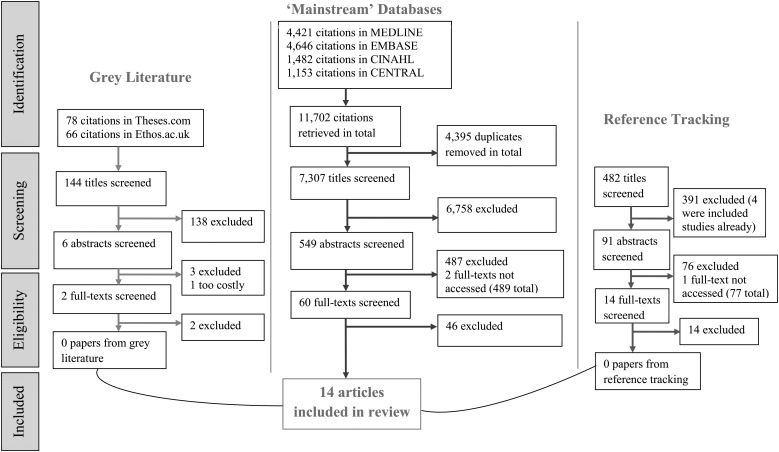
Four electronic databases and grey literature sources were searched (up to May 2013), together with reference lists of included studies. Two reviewers independently screened and assessed the quality of studies based on prespecified criteria. Measures of effects were pooled and random effect meta-analysis was conducted, where possible.
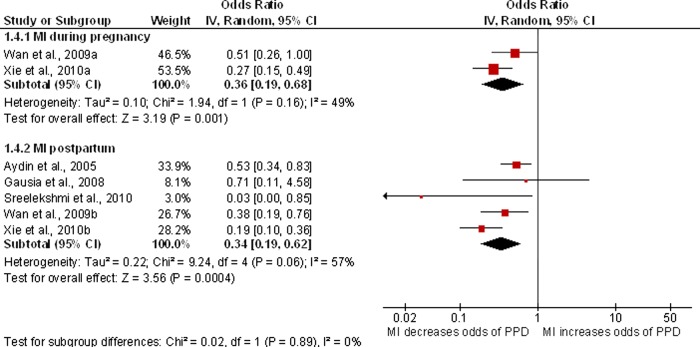
Fourteen studies met the inclusion criteria. Male involvement was significantly associated with reduced odds of postpartum depression (OR=0.36, 95% CI 0.19 to 0.68 for male involvement during pregnancy; OR=0.34, 95% CI 0.19 to 0.62 for male involvement post partum), and also with improved utilisation of maternal health services (skilled birth attendance and postnatal care). Male involvement during pregnancy and at post partum appeared to have greater benefits than male involvement during delivery.
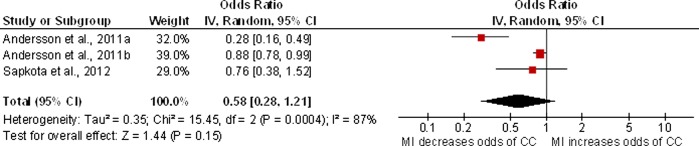
Male involvement is associated with improved maternal health outcomes in developing countries. Contrary to reports from developed countries, there was little evidence of positive impacts of husbands' presence in delivery rooms. However, more rigorous studies are needed to improve this area's evidence base.
发展中世界占全球孕产妇死亡人数的99%。发展中国家的男性是主要决策者,决定着妇女获得孕产妇保健服务的机会,并影响她们的健康结局。目前,尚不清楚让男性参与孕产妇保健是否能改善孕产妇结局。本系统评价和荟萃分析旨在调查男性参与对发展中国家妇女孕产妇健康结局的影响。
检索了四个电子数据库和灰色文献来源(截至2013年5月),并纳入了所检索研究的参考文献清单。两名评价员根据预先设定的标准独立筛选并评估研究质量。尽可能汇总效应量并进行随机效应荟萃分析。
14项研究符合纳入标准。男性参与与产后抑郁症几率降低显著相关(孕期男性参与:OR=0.36,95%CI为0.19至0.68;产后男性参与:OR=0.34,95%CI为0.19至0.62),同时也与孕产妇保健服务利用率提高(熟练接生和产后护理)相关。孕期和产后男性参与似乎比分娩时男性参与带来的益处更大。
在发展中国家,男性参与与改善孕产妇健康结局相关。与发达国家的报告相反,几乎没有证据表明丈夫在产房会产生积极影响。然而,需要更严格的研究来完善该领域的证据基础。