Petersen Bjørn, Weed Ethan, Sandmann Pascale, Brattico Elvira, Hansen Mads, Sørensen Stine Derdau, Vuust Peter
Center for Functionally Integrative Neuroscience, Aarhus University Hospital , Aarhus , Denmark ; Royal Academy of Music , Aarhus , Denmark.
Center for Functionally Integrative Neuroscience, Aarhus University Hospital , Aarhus , Denmark ; Department of Aesthetics and Communication - Linguistics, Aarhus University , Aarhus , Denmark.
Front Hum Neurosci. 2015 Feb 6;9:7. doi: 10.3389/fnhum.2015.00007. eCollection 2015.
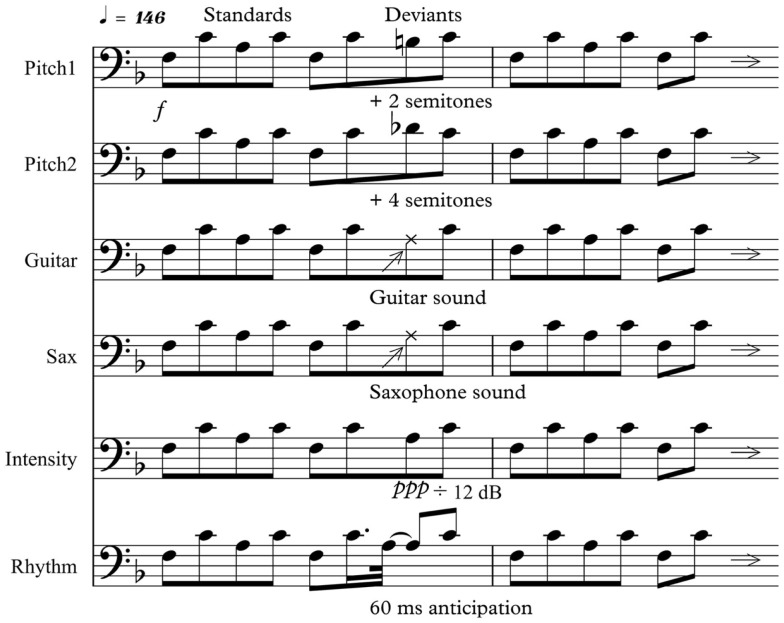
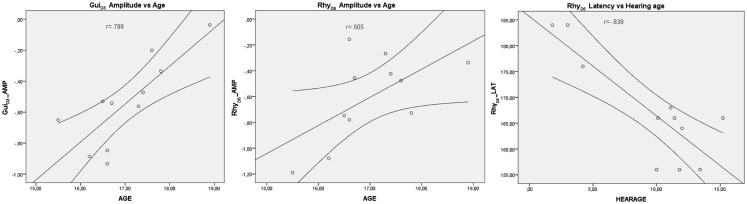
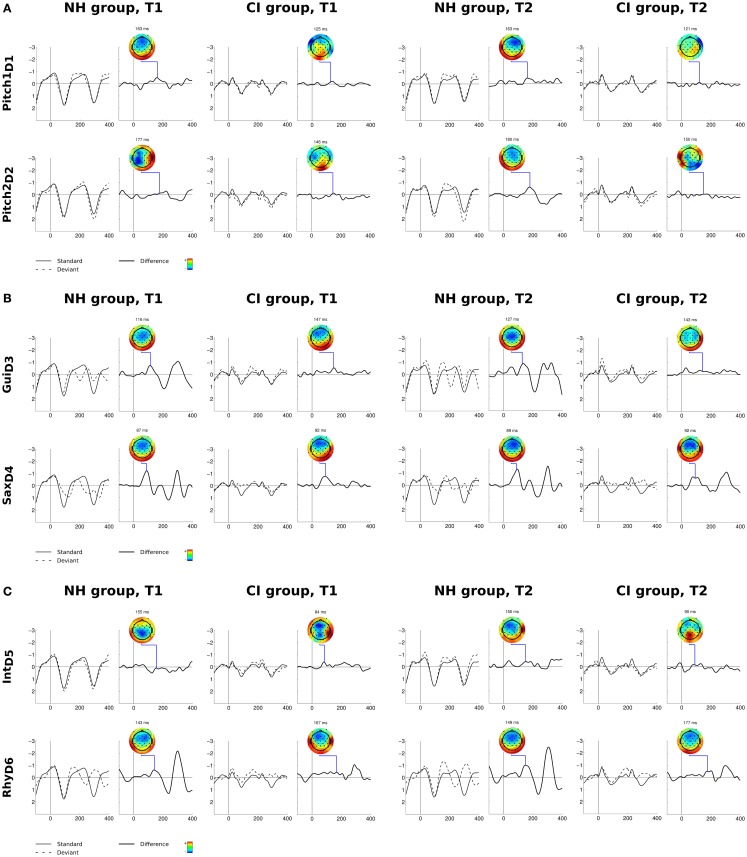
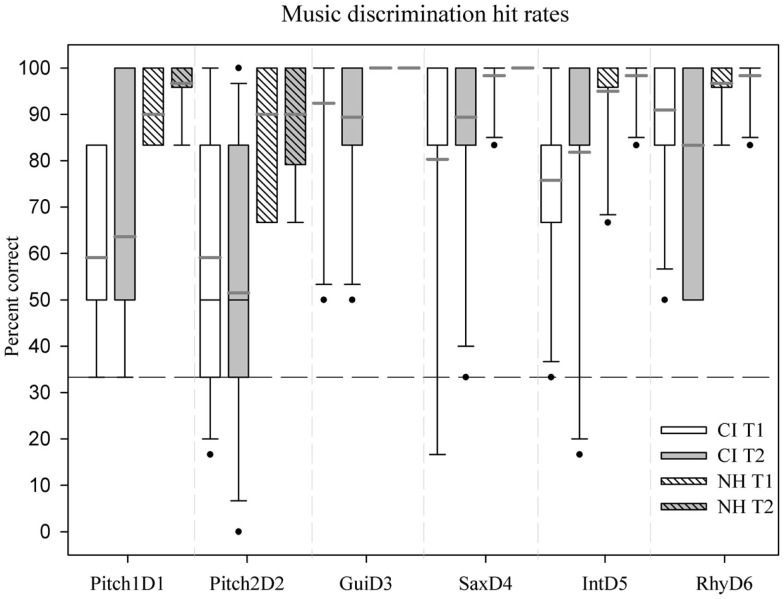
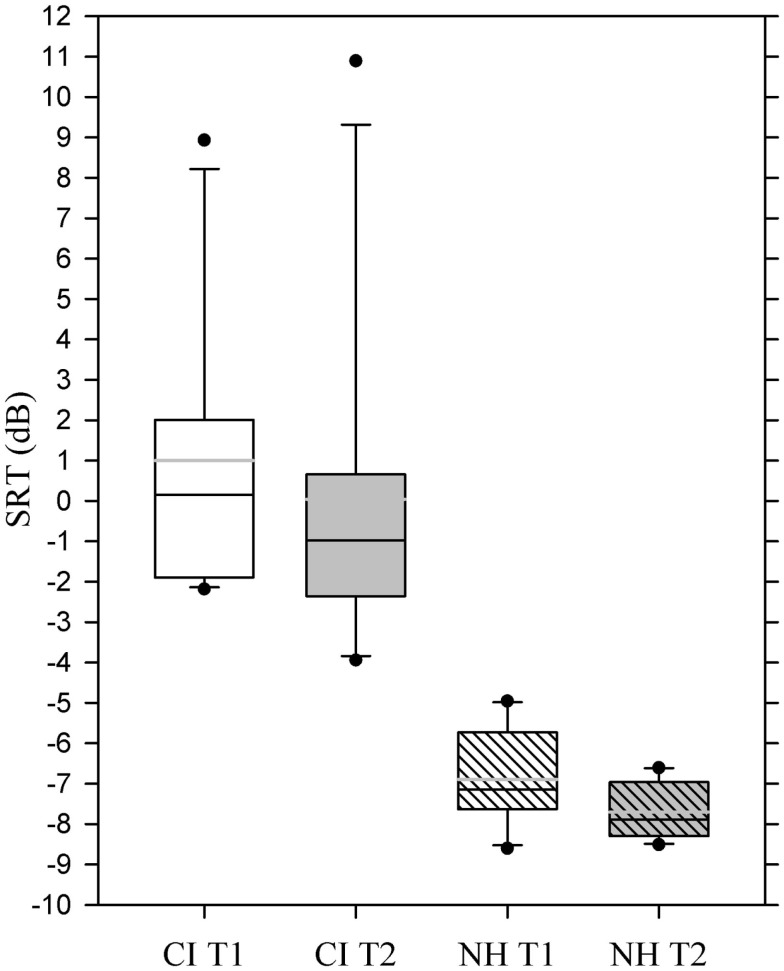
Cochlear implants (CIs) are primarily designed to assist deaf individuals in perception of speech, although possibilities for music fruition have also been documented. Previous studies have indicated the existence of neural correlates of residual music skills in postlingually deaf adults and children. However, little is known about the behavioral and neural correlates of music perception in the new generation of prelingually deaf adolescents who grew up with CIs. With electroencephalography (EEG), we recorded the mismatch negativity (MMN) of the auditory event-related potential to changes in musical features in adolescent CI users and in normal-hearing (NH) age mates. EEG recordings and behavioral testing were carried out before (T1) and after (T2) a 2-week music training program for the CI users and in two sessions equally separated in time for NH controls. We found significant MMNs in adolescent CI users for deviations in timbre, intensity, and rhythm, indicating residual neural prerequisites for musical feature processing. By contrast, only one of the two pitch deviants elicited an MMN in CI users. This pitch discrimination deficit was supported by behavioral measures, in which CI users scored significantly below the NH level. Overall, MMN amplitudes were significantly smaller in CI users than in NH controls, suggesting poorer music discrimination ability. Despite compliance from the CI participants, we found no effect of the music training, likely resulting from the brevity of the program. This is the first study showing significant brain responses to musical feature changes in prelingually deaf adolescent CI users and their associations with behavioral measures, implying neural predispositions for at least some aspects of music processing. Future studies should test any beneficial effects of a longer lasting music intervention in adolescent CI users.
人工耳蜗(CI)主要用于帮助失聪者感知言语,不过也有文献记载了其在音乐欣赏方面的可能性。先前的研究表明,语后聋的成年人和儿童存在残余音乐技能的神经关联。然而,对于在人工耳蜗陪伴下成长的新一代语前聋青少年的音乐感知行为和神经关联却知之甚少。我们通过脑电图(EEG)记录了人工耳蜗使用者和听力正常(NH)的同龄人在听觉事件相关电位中的失匹配负波(MMN),以观察音乐特征变化。对人工耳蜗使用者在为期2周的音乐训练项目前后(T1和T2)进行了EEG记录和行为测试,对听力正常的对照组则在两个时间间隔相等的时段进行测试。我们发现,人工耳蜗使用者的青少年对音色、强度和节奏偏差有显著的MMN,表明存在音乐特征处理的残余神经基础。相比之下,人工耳蜗使用者中只有两种音高偏差中的一种引发了MMN。这种音高辨别缺陷得到了行为测量的支持,在行为测量中,人工耳蜗使用者的得分显著低于听力正常者的水平。总体而言,人工耳蜗使用者的MMN波幅明显小于听力正常的对照组,表明其音乐辨别能力较差。尽管人工耳蜗使用者参与者配合度较高,但我们发现音乐训练没有效果,可能是由于训练项目时间较短。这是第一项显示语前聋青少年人工耳蜗使用者对音乐特征变化有显著脑反应及其与行为测量之间关联的研究,意味着至少在音乐处理的某些方面存在神经倾向。未来的研究应该测试对人工耳蜗使用者进行更长时间音乐干预的任何有益效果。