Pan Chang, Tang Jun-yi, Xu Yun-fei, Xiao Peng, Liu Hong-da, Wang Hao-an, Wang Wen-bo, Meng Fan-guo, Yu Xiao, Sun Jin-peng
1] Key Laboratory Experimental Teratology of the Ministry of Education and Department of Biochemistry and Molecular Biology, Shandong University, School of Medicine, Jinan, Shandong, China [2] Qilu Hospital of Shandong University, Jinan, China.
1] Shandong Provincial School Key laboratory for Protein Science of Chronic Degenerative Diseases, Jinan, Shandong, China [2] Department of Physiology, Shandong University, School of Medicine, Jinan, Shandong, China.
Sci Rep. 2015 Feb 24;5:8560. doi: 10.1038/srep08560.
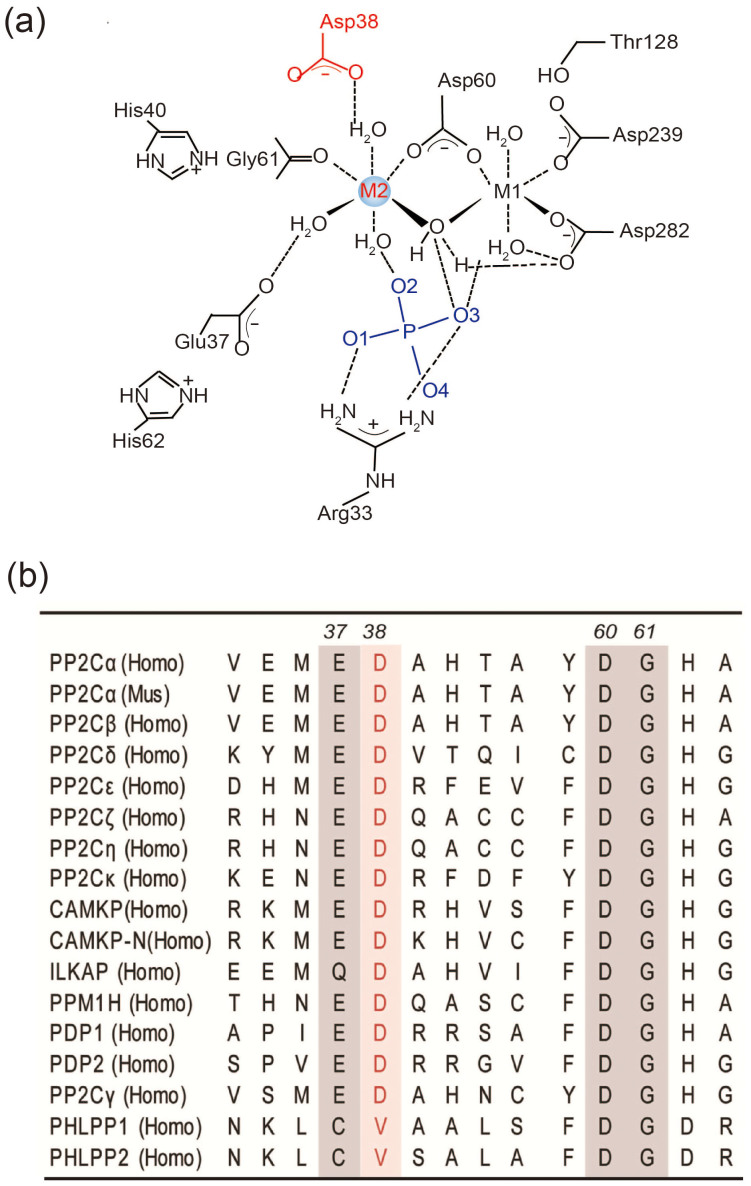
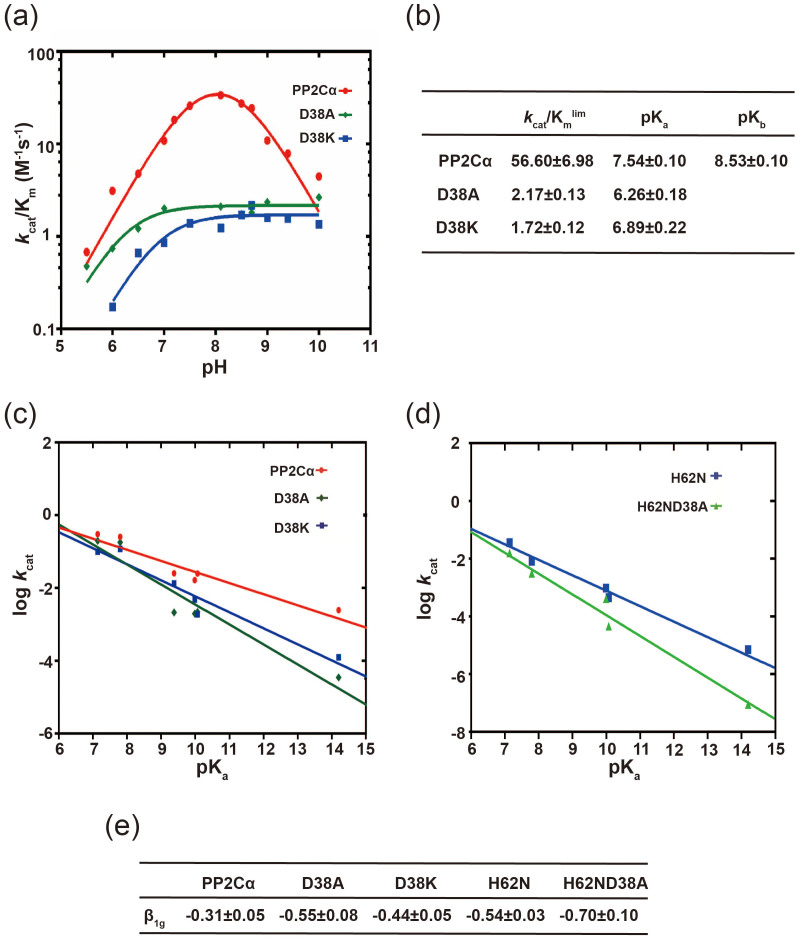
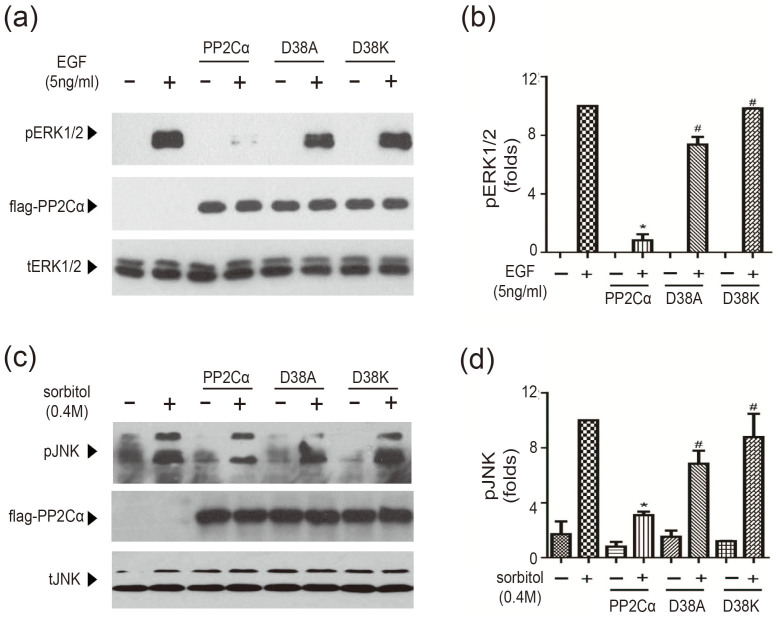
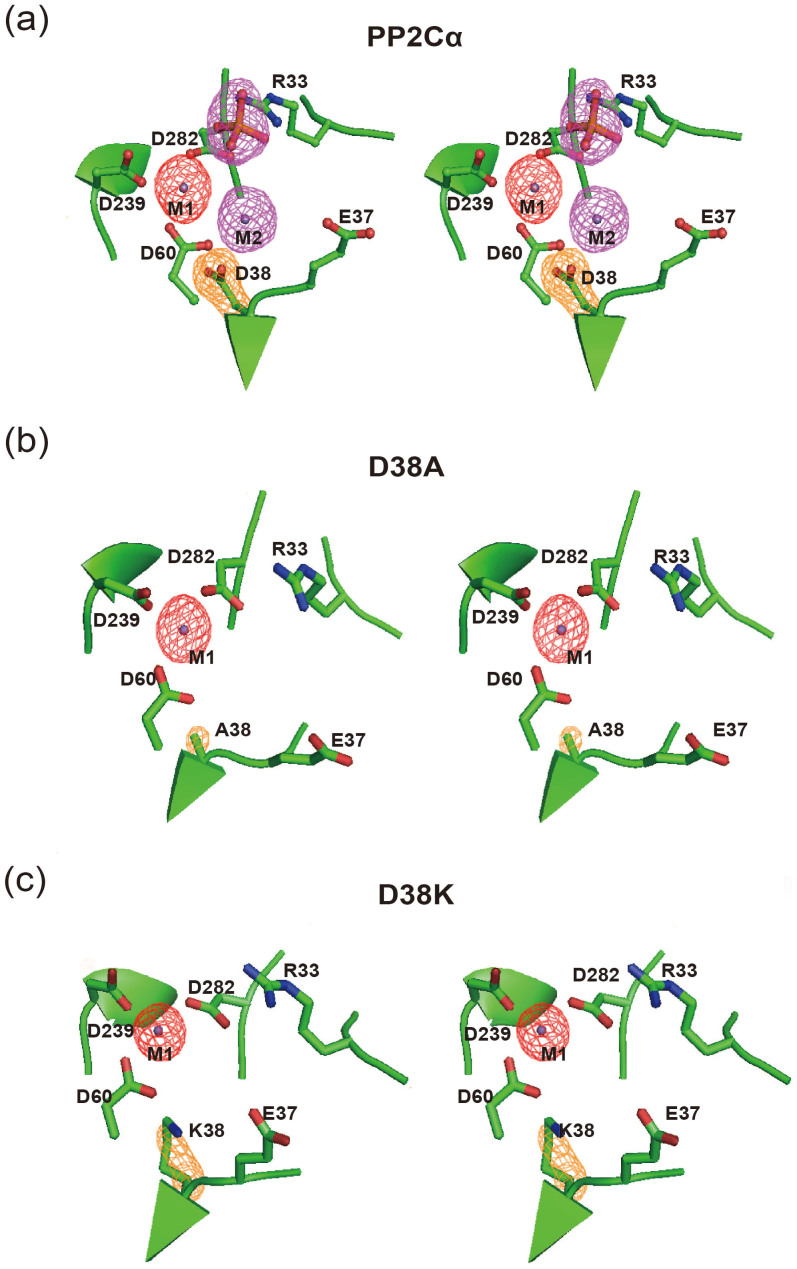
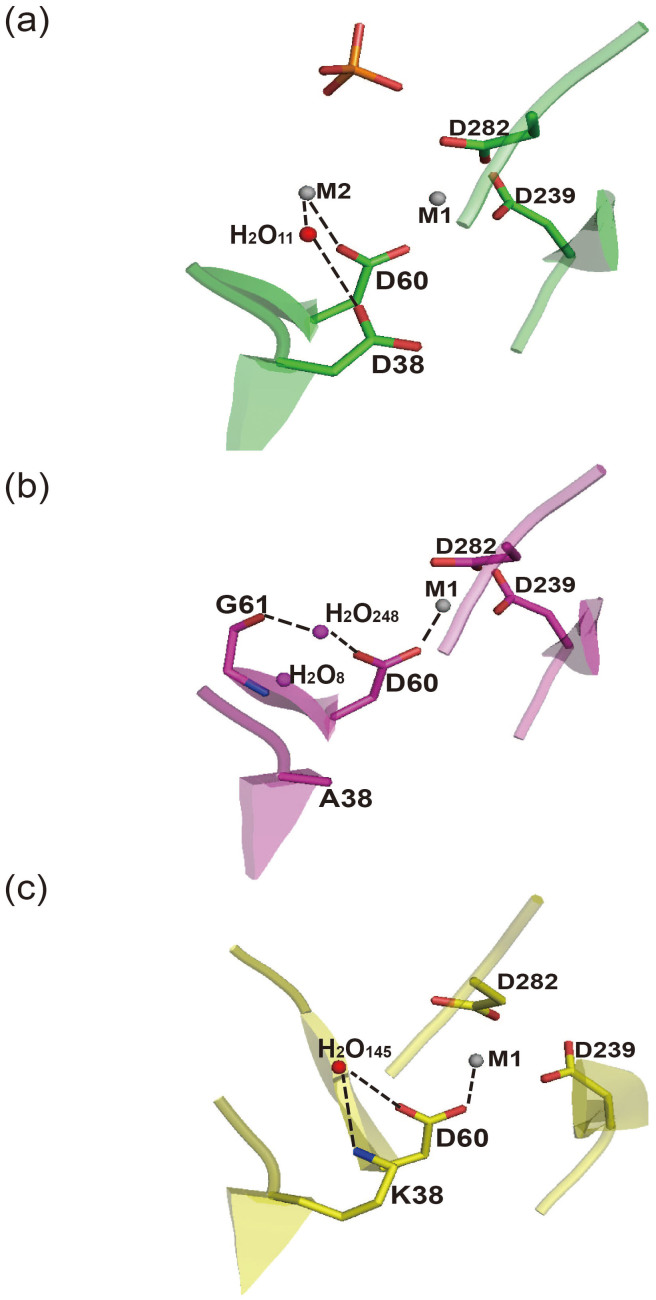
PP2C family phosphatases (the type 2C family of protein phosphatases; or metal-dependent phosphatase, PPM) constitute an important class of signaling enzymes that regulate many fundamental life activities. All PP2C family members have a conserved binuclear metal ion active center that is essential for their catalysis. However, the catalytic role of each metal ion during catalysis remains elusive. In this study, we discovered that mutations in the structurally buried D38 residue of PP2Cα (PPM1A) redefined the water-mediated hydrogen network in the active site and selectively disrupted M2 metal ion binding. Using the D38A and D38K mutations of PP2Cα as specific tools in combination with enzymology analysis, our results demonstrated that the M2 metal ion determines the rate-limiting step of substrate hydrolysis, participates in dianion substrate binding and stabilizes the leaving group after P-O bond cleavage. The newly characterized catalytic role of the M2 metal ion in this family not only provides insight into how the binuclear metal centers of the PP2C phosphatases are organized for efficient catalysis but also helps increase our understanding of the function and substrate specificity of PP2C family members.
PP2C家族磷酸酶(蛋白磷酸酶2C家族;或金属依赖性磷酸酶,PPM)构成了一类重要的信号酶,可调节许多基本生命活动。所有PP2C家族成员都有一个保守的双核金属离子活性中心,这对它们的催化作用至关重要。然而,每个金属离子在催化过程中的催化作用仍不清楚。在本研究中,我们发现PP2Cα(PPM1A)结构中深埋的D38残基发生突变,重新定义了活性位点中由水介导的氢键网络,并选择性地破坏了M2金属离子的结合。使用PP2Cα的D38A和D38K突变作为特定工具并结合酶学分析,我们的结果表明,M2金属离子决定了底物水解的限速步骤,参与二价阴离子底物的结合,并在P-O键断裂后稳定离去基团。M2金属离子在该家族中新发现的催化作用不仅有助于深入了解PP2C磷酸酶的双核金属中心是如何组织以实现高效催化的,还有助于增进我们对PP2C家族成员功能和底物特异性的理解。