Jeon Junhyun, Choi Jaeyoung, Lee Gir-Won, Park Sook-Young, Huh Aram, Dean Ralph A, Lee Yong-Hwan
Department of Agricultural Biotechnology, College of Agriculture and Life Sciences, Seoul National University, Seoul 151-921, Korea.
1] Department of Agricultural Biotechnology, College of Agriculture and Life Sciences, Seoul National University, Seoul 151-921, Korea [2] Fungal Bioinformatics Laboratory, Seoul National University, Seoul 151-921, Korea.
Sci Rep. 2015 Feb 24;5:8567. doi: 10.1038/srep08567.
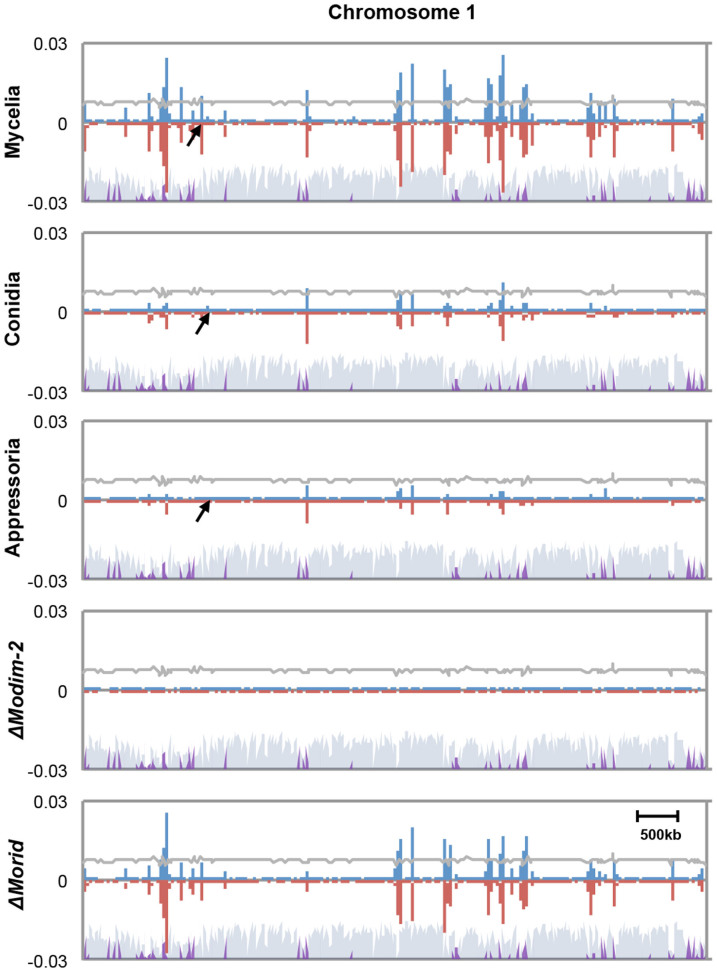
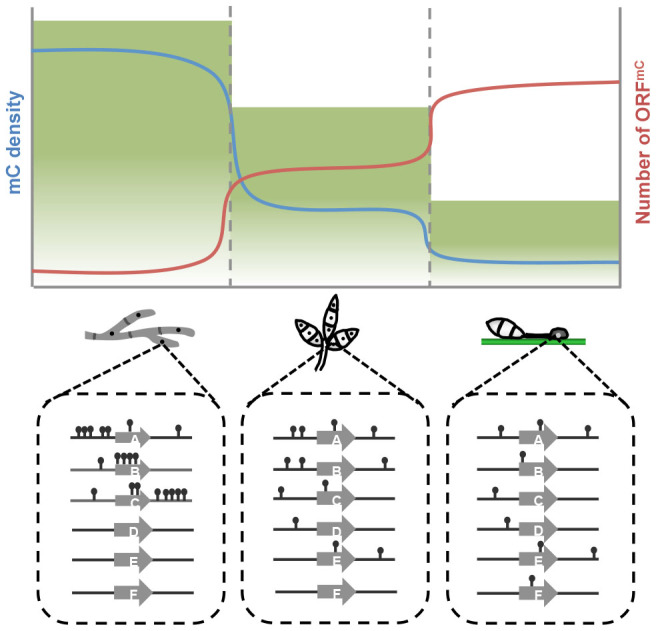
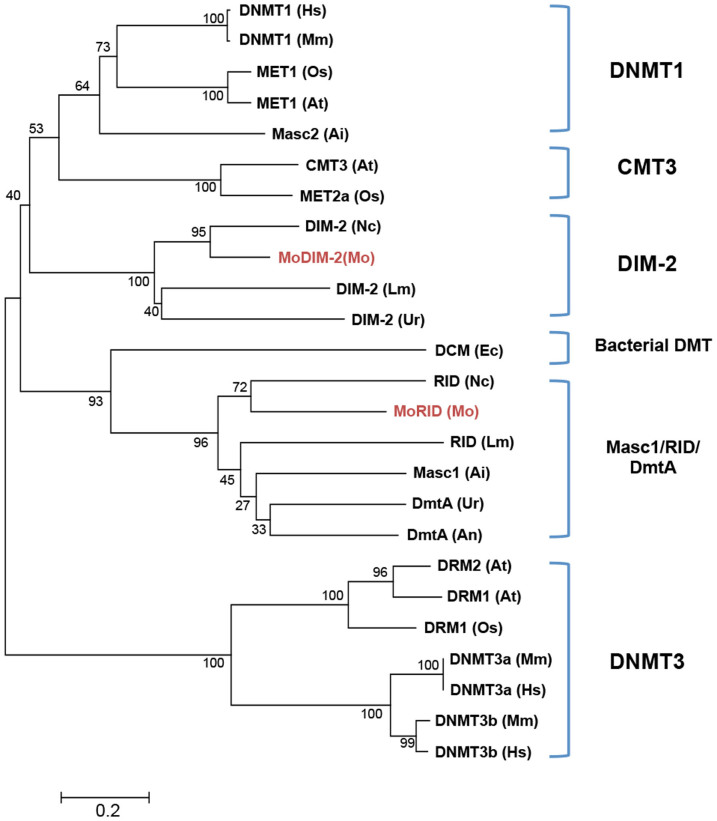
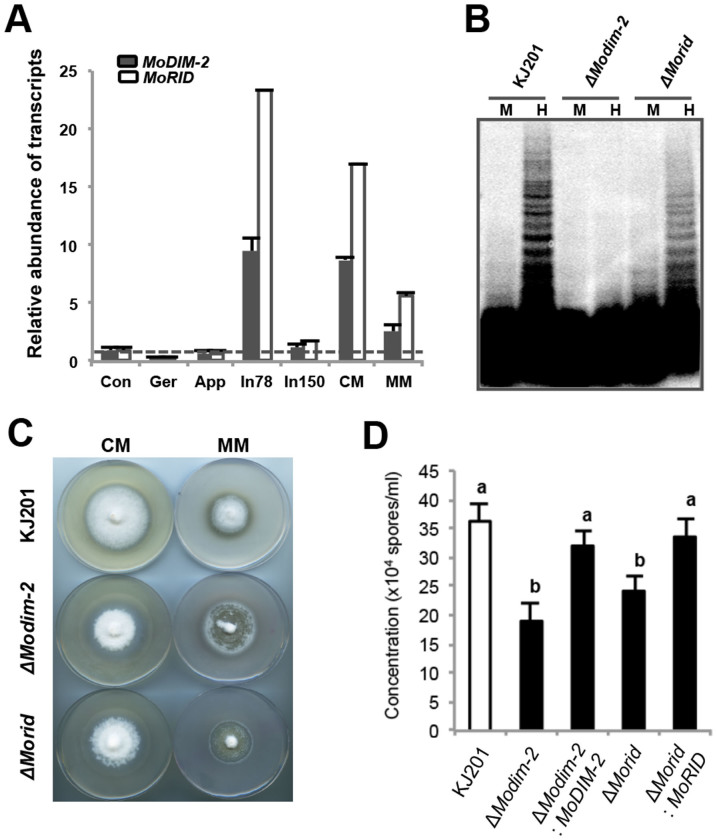
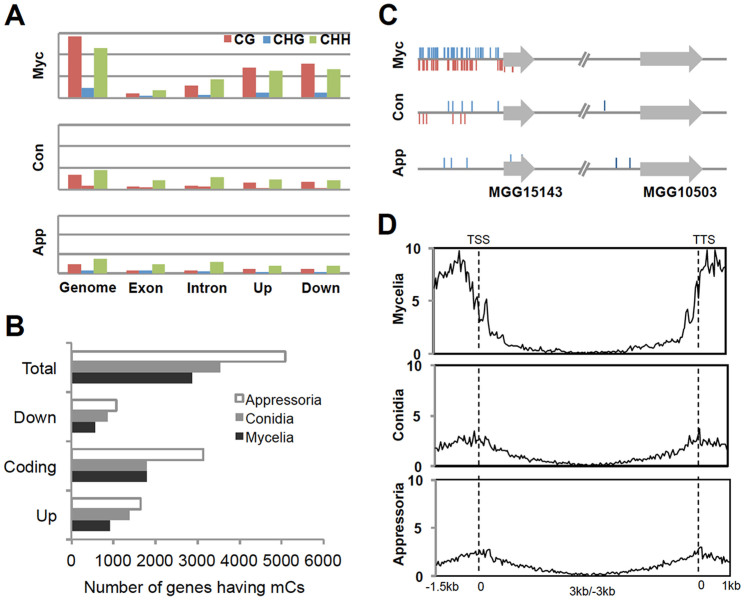
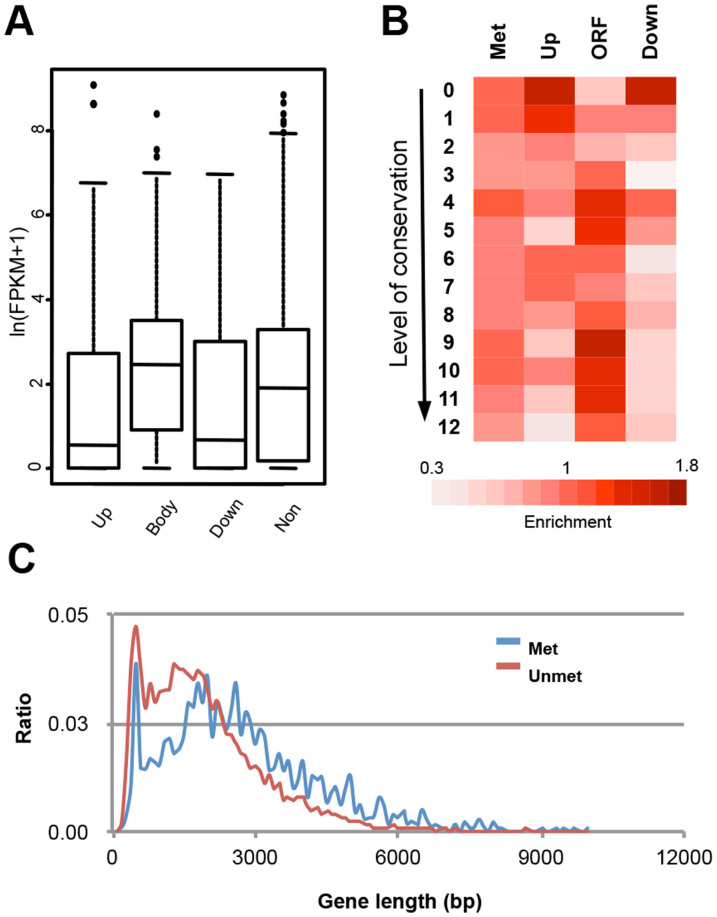
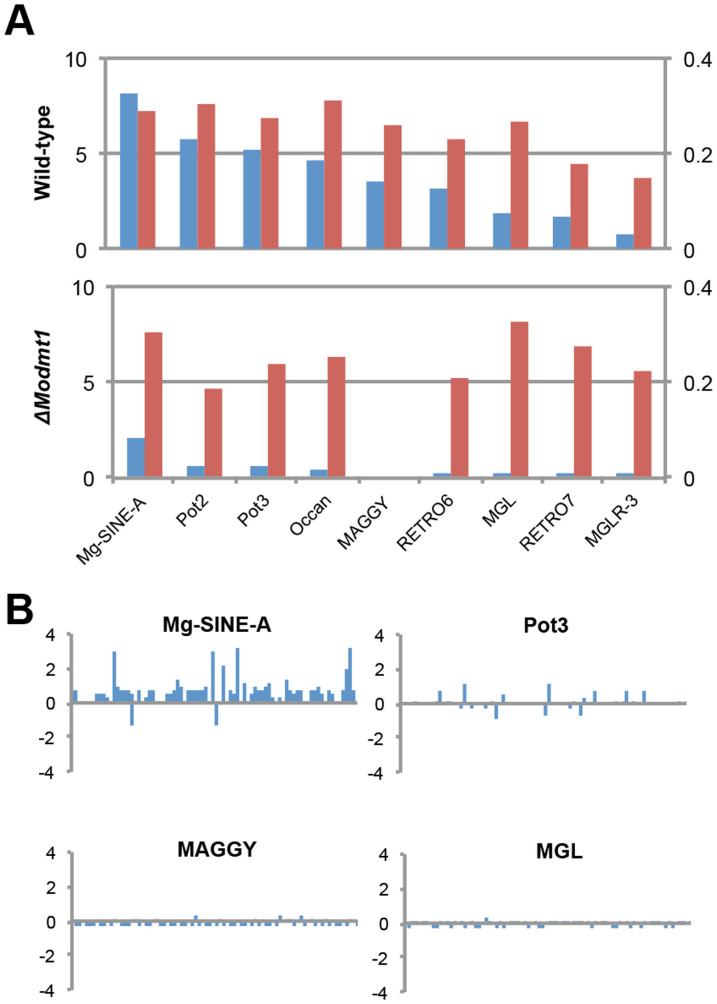
DNA methylation is an important epigenetic modification that regulates development of plants and mammals. To investigate the roles of DNA methylation in fungal development, we profiled genome-wide methylation patterns at single-nucleotide resolution during vegetative growth, asexual reproduction, and infection-related morphogenesis in a model plant pathogenic fungus, Magnaporthe oryzae. We found that DNA methylation occurs in and around genes as well as transposable elements and undergoes global reprogramming during fungal development. Such reprogramming of DNA methylation suggests that it may have acquired new roles other than controlling the proliferation of TEs. Genetic analysis of DNA methyltransferase deletion mutants also indicated that proper reprogramming in methylomes is required for asexual reproduction in the fungus. Furthermore, RNA-seq analysis showed that DNA methylation is associated with transcriptional silencing of transposable elements and transcript abundance of genes in context-dependent manner, reinforcing the role of DNA methylation as a genome defense mechanism. This comprehensive approach suggests that DNA methylation in fungi can be a dynamic epigenetic entity contributing to fungal development and genome defense. Furthermore, our DNA methylomes provide a foundation for future studies exploring this key epigenetic modification in fungal development and pathogenesis.
DNA甲基化是一种重要的表观遗传修饰,可调控植物和哺乳动物的发育。为了研究DNA甲基化在真菌发育中的作用,我们在一种模式植物病原真菌——稻瘟病菌的营养生长、无性繁殖和与感染相关的形态发生过程中,以单核苷酸分辨率分析了全基因组甲基化模式。我们发现,DNA甲基化发生在基因及其周围以及转座元件中,并在真菌发育过程中经历全局重编程。DNA甲基化的这种重编程表明,它可能除了控制转座元件的增殖外,还获得了新的作用。DNA甲基转移酶缺失突变体的遗传分析还表明,真菌的无性繁殖需要甲基化组进行适当的重编程。此外,RNA测序分析表明,DNA甲基化以上下文依赖的方式与转座元件的转录沉默和基因的转录丰度相关,强化了DNA甲基化作为一种基因组防御机制的作用。这种综合方法表明,真菌中的DNA甲基化可能是一种动态的表观遗传实体,有助于真菌发育和基因组防御。此外,我们的DNA甲基化组为未来探索这种关键表观遗传修饰在真菌发育和致病机制中的研究奠定了基础。