Sei Emi, Wang Tao, Hunter Olga V, Xie Yang, Conrad Nicholas K
Department of Microbiology, University of Texas Southwestern Medical Center, Dallas, Texas, United States of America.
Department of Clinical Sciences, University of Texas Southwestern Medical Center, Dallas, Texas, United States of America.
PLoS Pathog. 2015 Feb 24;11(2):e1004652. doi: 10.1371/journal.ppat.1004652. eCollection 2015 Feb.
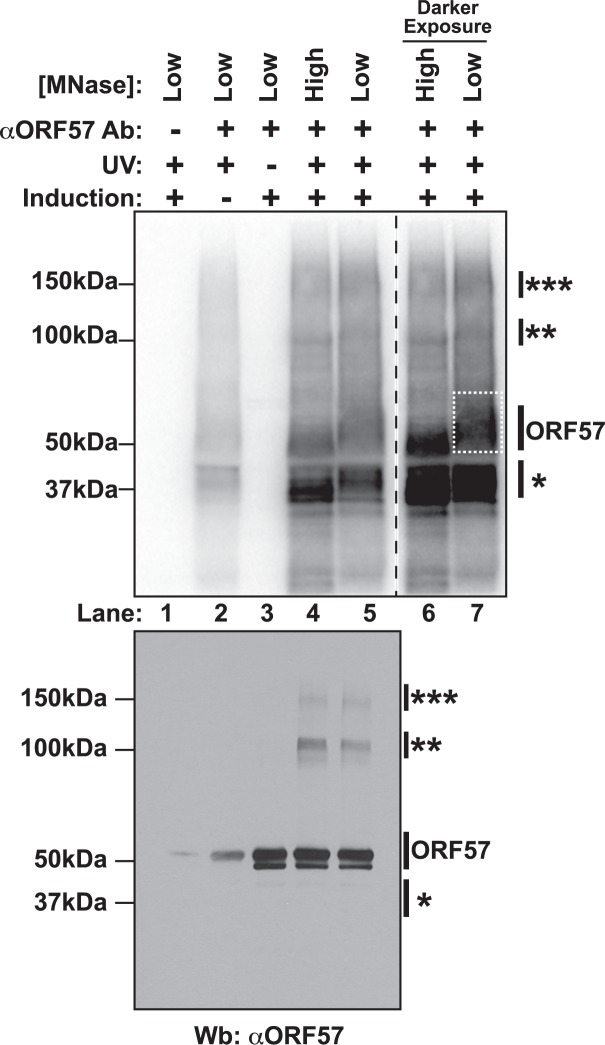
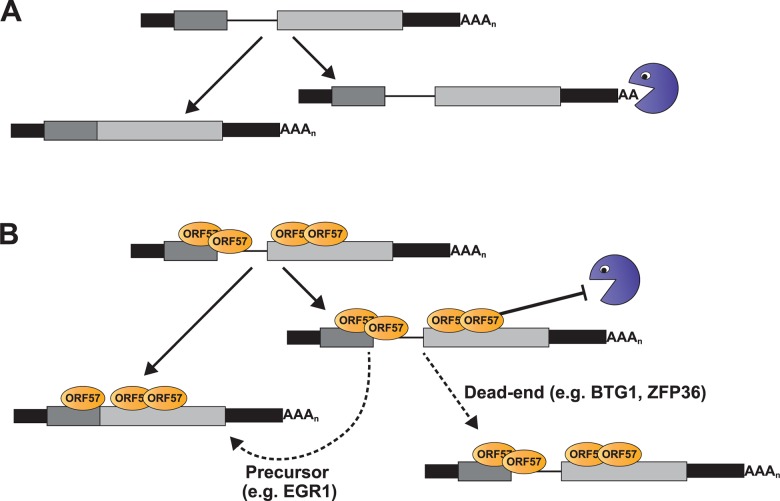
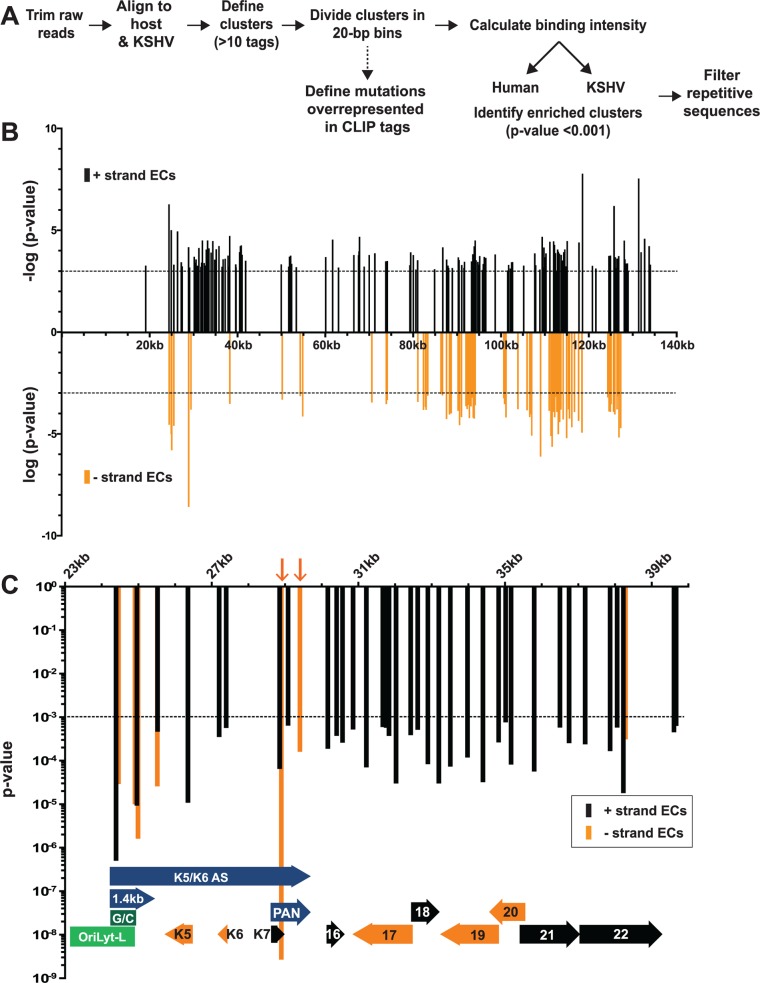
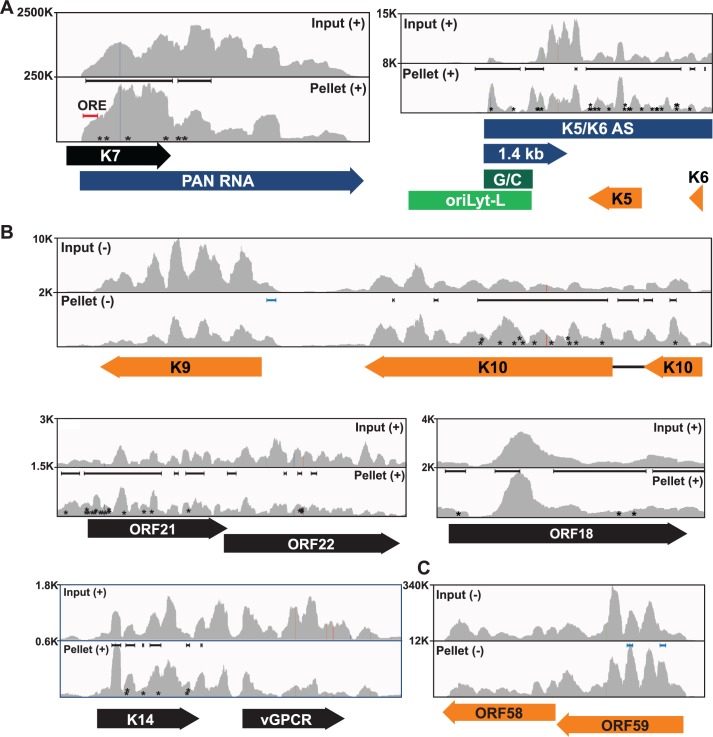
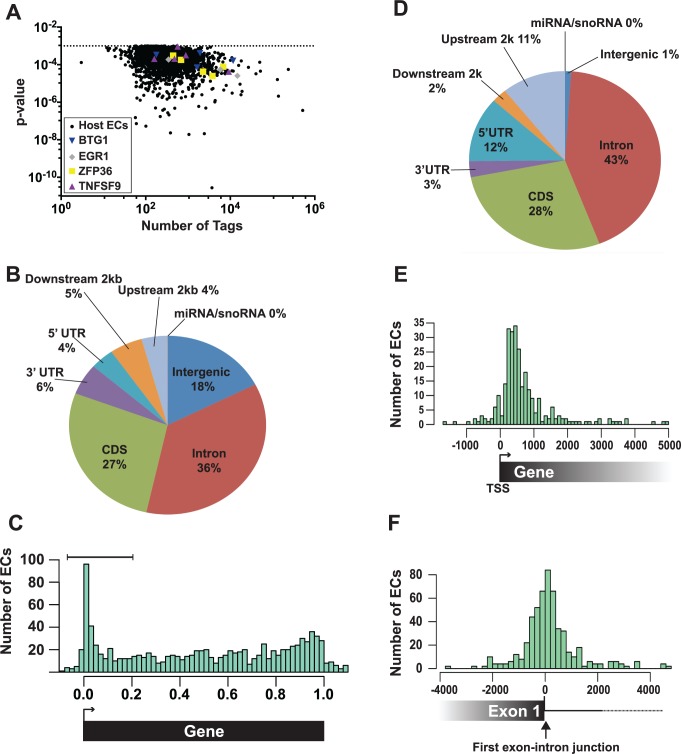
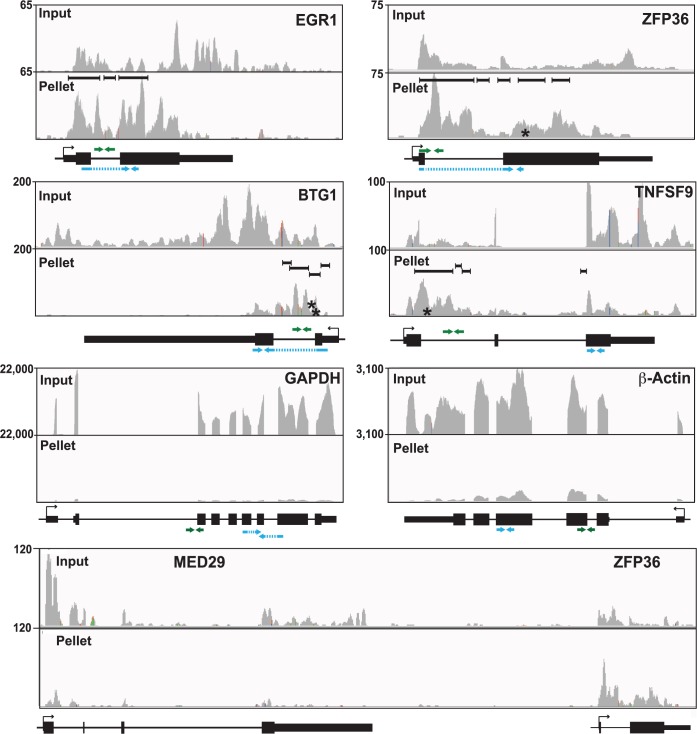
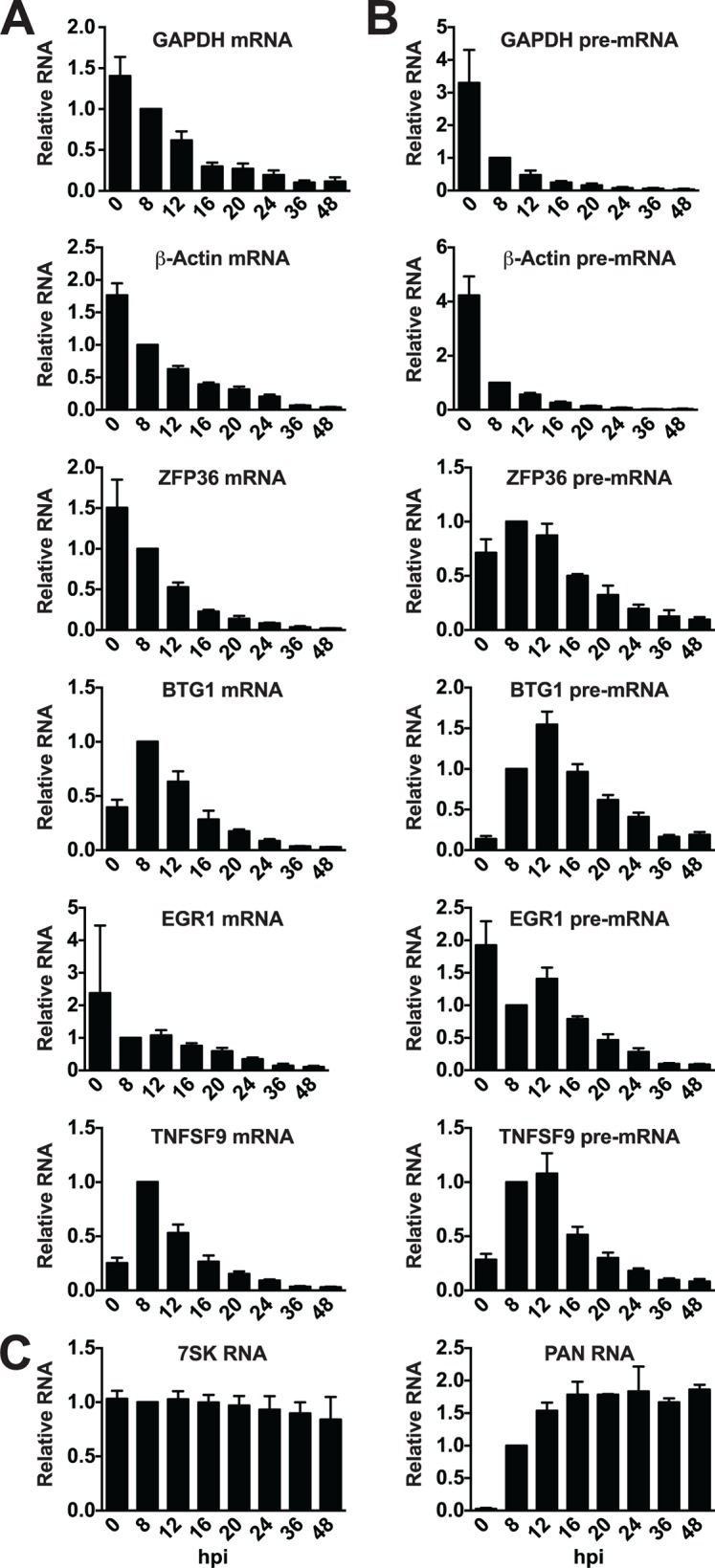
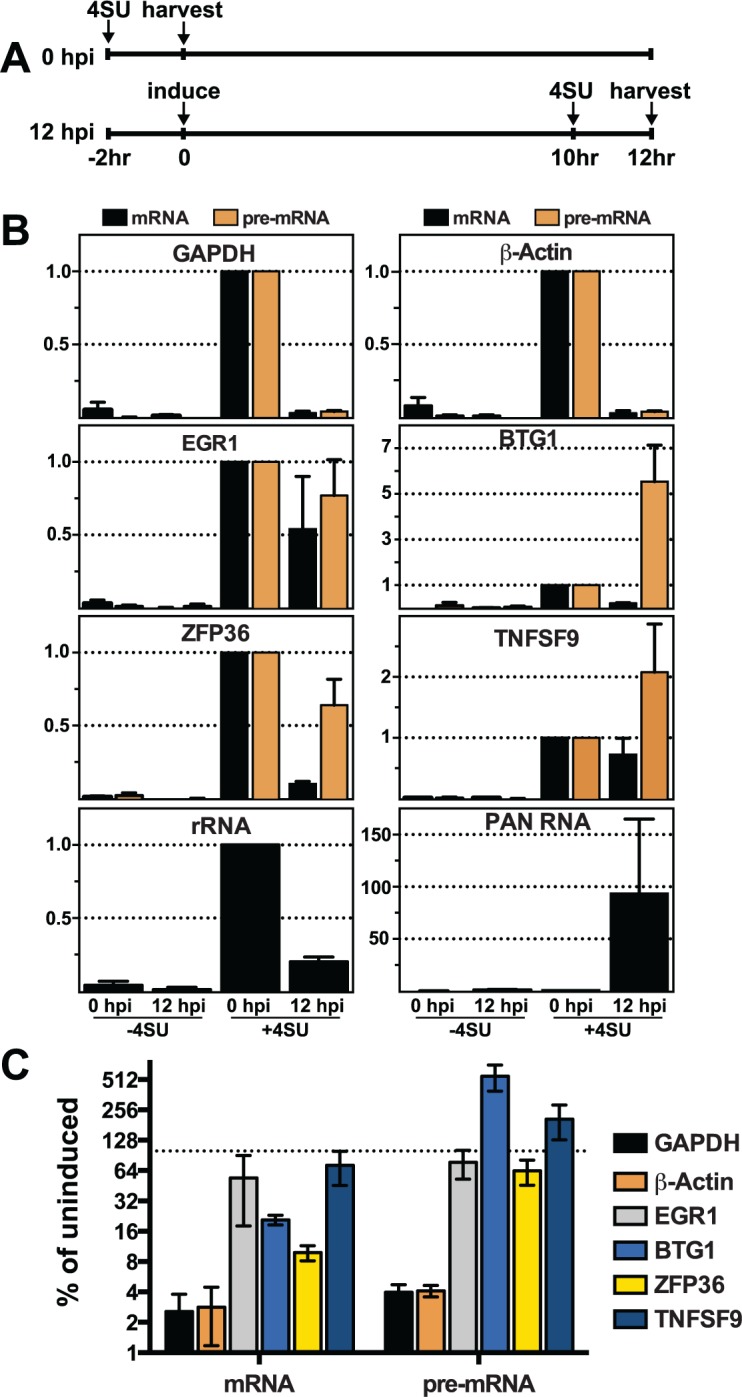
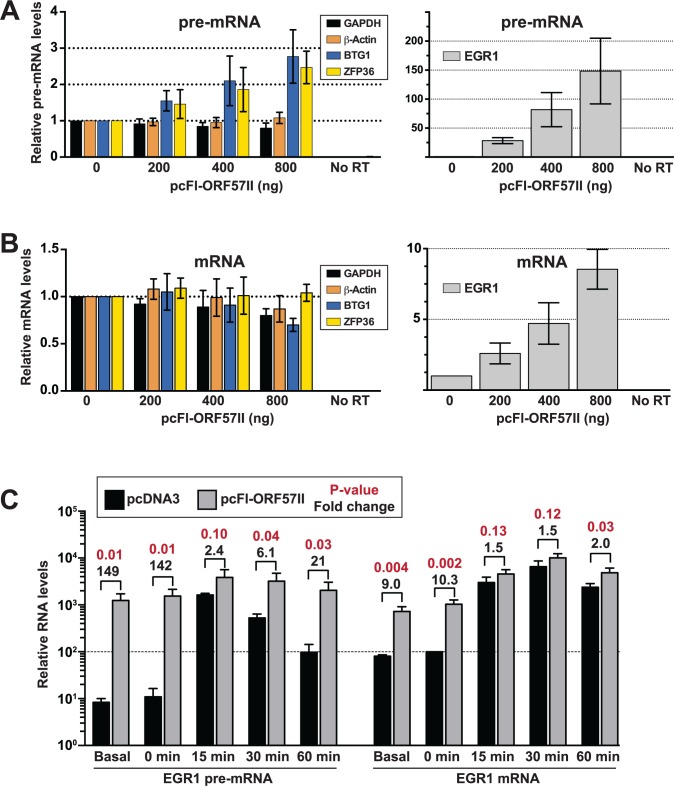
The Kaposi's sarcoma associated herpesvirus (KSHV) is an oncogenic virus that causes Kaposi's sarcoma, primary effusion lymphoma (PEL), and some forms of multicentric Castleman's disease. The KSHV ORF57 protein is a conserved posttranscriptional regulator of gene expression that is essential for virus replication. ORF57 is multifunctional, but most of its activities are directly linked to its ability to bind RNA. We globally identified virus and host RNAs bound by ORF57 during lytic reactivation in PEL cells using high-throughput sequencing of RNA isolated by cross-linking immunoprecipitation (HITS-CLIP). As expected, ORF57-bound RNA fragments mapped throughout the KSHV genome, including the known ORF57 ligand PAN RNA. In agreement with previously published ChIP results, we observed that ORF57 bound RNAs near the oriLyt regions of the genome. Examination of the host RNA fragments revealed that a subset of the ORF57-bound RNAs was derived from transcript 5' ends. The position of these 5'-bound fragments correlated closely with the 5'-most exon-intron junction of the pre-mRNA. We selected four candidates (BTG1, EGR1, ZFP36, and TNFSF9) and analyzed their pre-mRNA and mRNA levels during lytic phase. Analysis of both steady-state and newly made RNAs revealed that these candidate ORF57-bound pre-mRNAs persisted for longer periods of time throughout infection than control RNAs, consistent with a role for ORF57 in pre-mRNA metabolism. In addition, exogenous expression of ORF57 was sufficient to increase the pre-mRNA levels and, in one case, the mRNA levels of the putative ORF57 targets. These results demonstrate that ORF57 interacts with specific host pre-mRNAs during lytic reactivation and alters their processing, likely by stabilizing pre-mRNAs. These data suggest that ORF57 is involved in modulating host gene expression in addition to KSHV gene expression during lytic reactivation.
卡波西肉瘤相关疱疹病毒(KSHV)是一种致癌病毒,可引发卡波西肉瘤、原发性渗出性淋巴瘤(PEL)以及某些形式的多中心性Castleman病。KSHV的ORF57蛋白是一种保守的基因表达转录后调节因子,对病毒复制至关重要。ORF57具有多种功能,但其大多数活性都与其结合RNA的能力直接相关。我们利用交联免疫沉淀法分离RNA的高通量测序技术(HITS-CLIP),在PEL细胞裂解再激活过程中全面鉴定了与ORF57结合的病毒和宿主RNA。正如预期的那样,与ORF57结合的RNA片段遍布KSHV基因组,包括已知的ORF57配体PAN RNA。与先前发表的染色质免疫沉淀结果一致,我们观察到ORF57结合在基因组oriLyt区域附近的RNA。对宿主RNA片段的检查显示,与ORF57结合的RNA的一个子集源自转录本的5'端。这些5'端结合片段的位置与前体mRNA的5'最外显子-内含子交界处密切相关。我们选择了四个候选基因(BTG1、EGR1、ZFP36和TNFSF9),并分析了它们在裂解期的前体mRNA和mRNA水平。对稳态RNA和新合成RNA的分析均显示,与这些候选ORF57结合的前体mRNA在整个感染过程中持续存在的时间比对照RNA更长,这与ORF57在前体mRNA代谢中的作用一致。此外,ORF57的外源性表达足以提高假定的ORF57靶标的前体mRNA水平,在一种情况下还能提高mRNA水平。这些结果表明,ORF57在裂解再激活过程中与特定的宿主前体mRNA相互作用,并改变其加工过程,可能是通过稳定前体mRNA来实现的。这些数据表明,ORF57在裂解再激活过程中除了参与KSHV基因表达外,还参与调节宿主基因表达。