Schumacher Marc M, Elsabrouty Rania, Seemann Joachim, Jo Youngah, DeBose-Boyd Russell A
Department of Molecular Genetics, University of Texas Southwestern Medical Center, Dallas, United States.
Department of Cell Biology, University of Texas Southwestern Medical Center, Dallas, United States.
Elife. 2015 Mar 5;4:e05560. doi: 10.7554/eLife.05560.
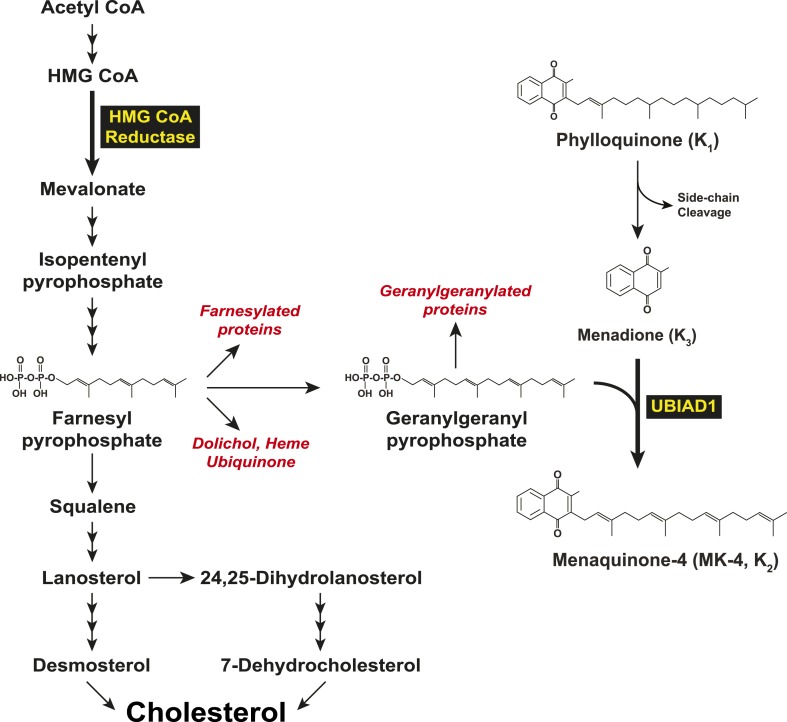
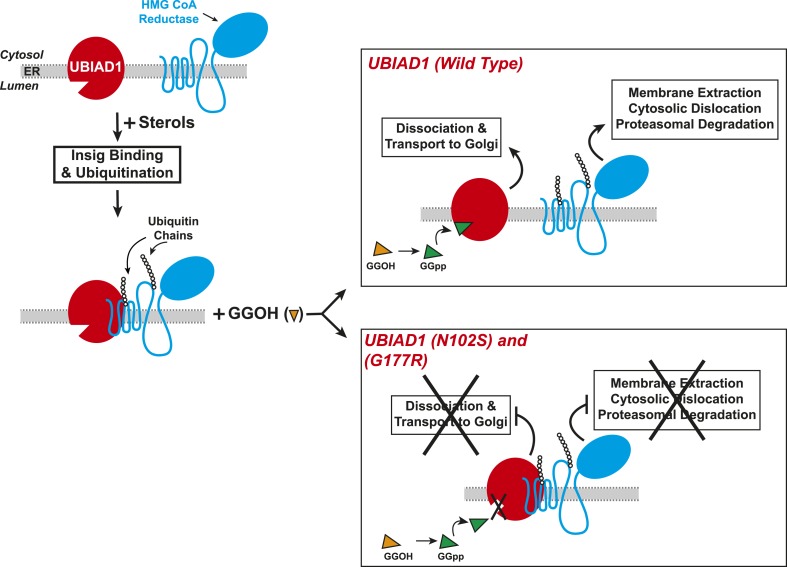
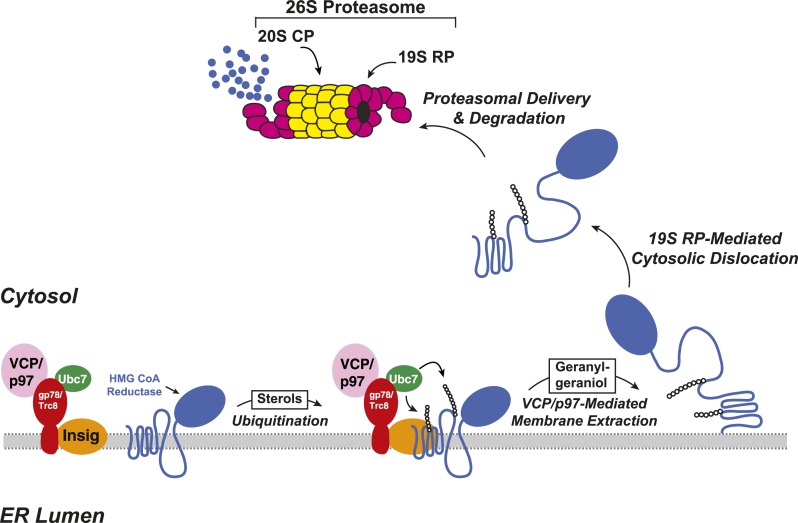
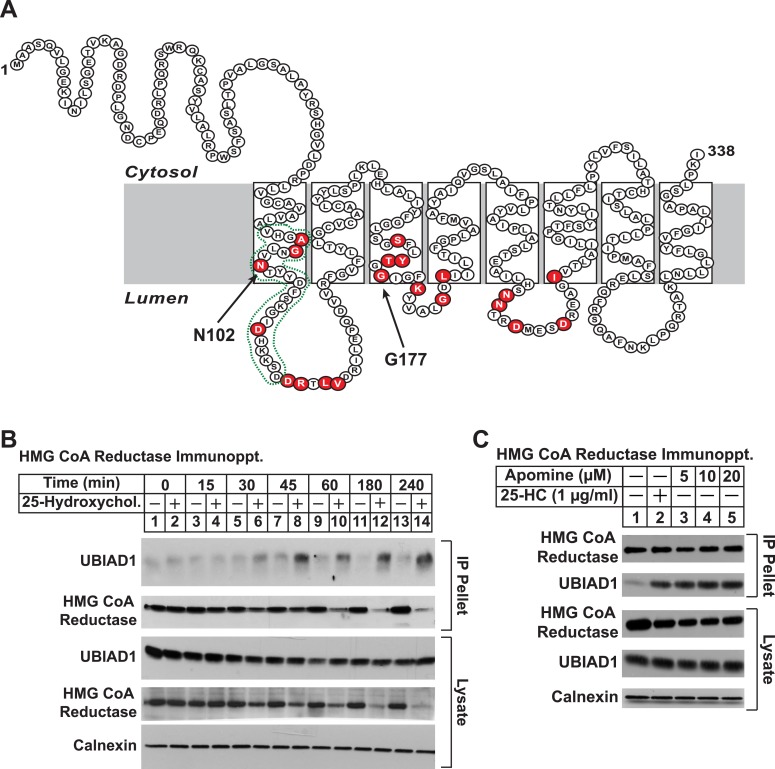
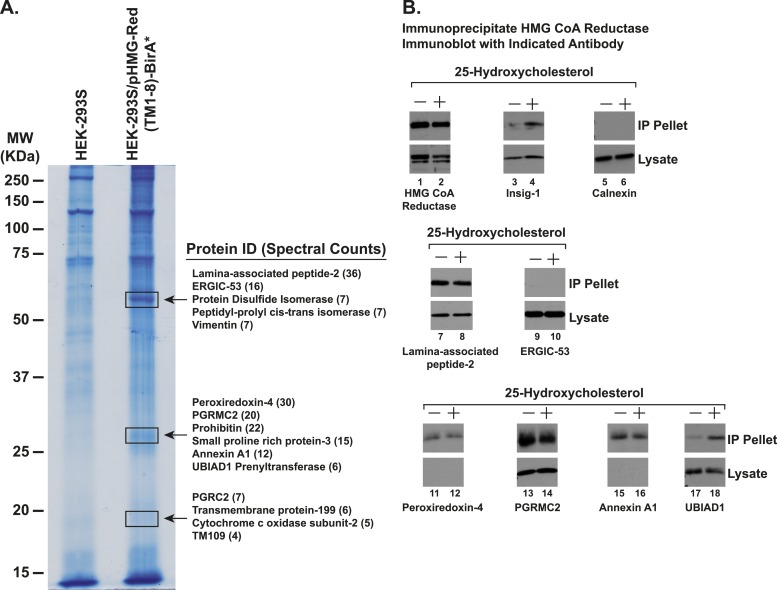
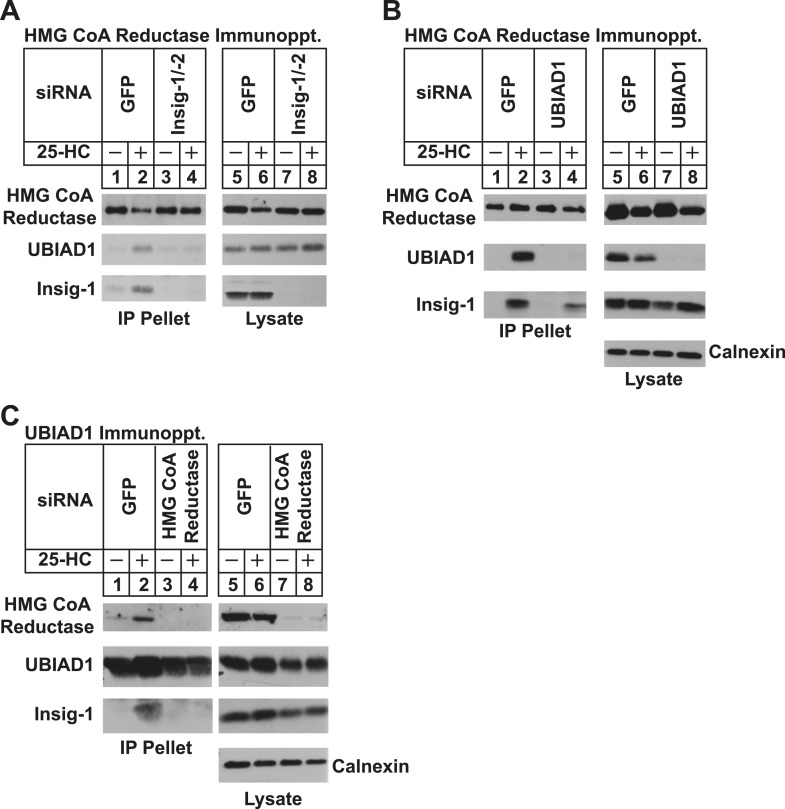
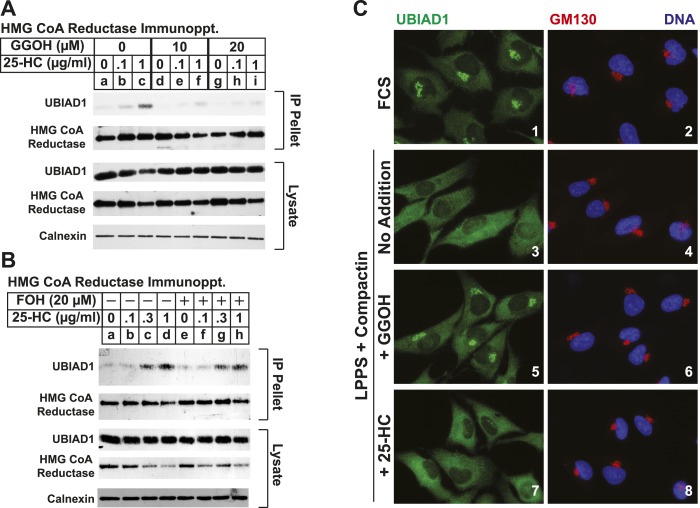
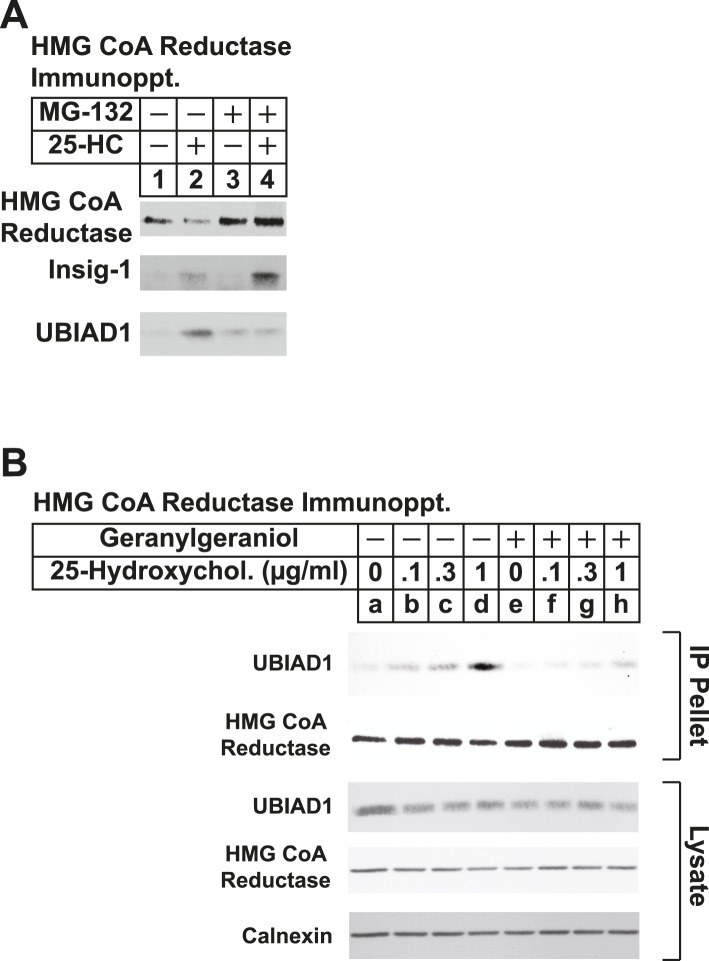
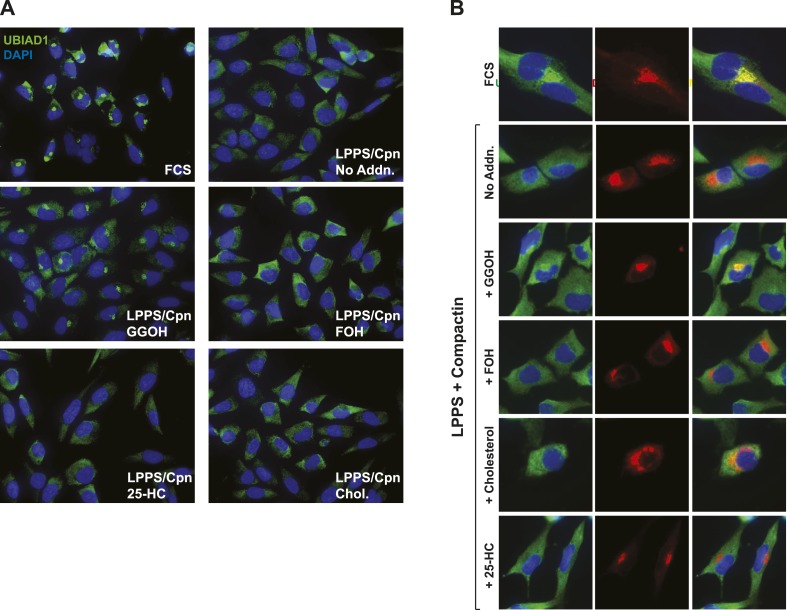
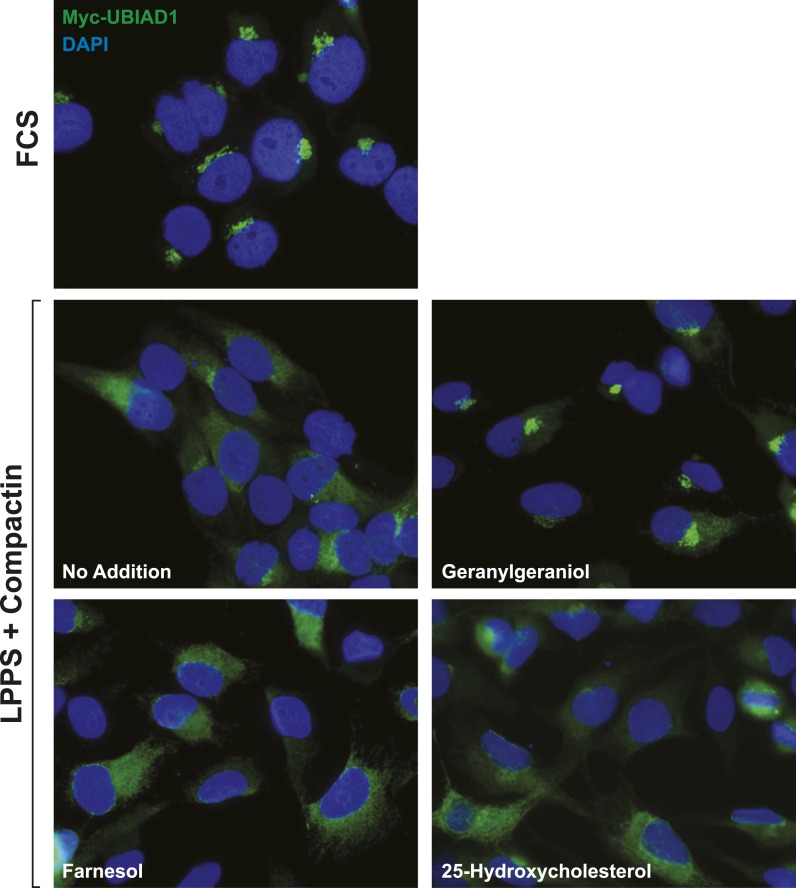
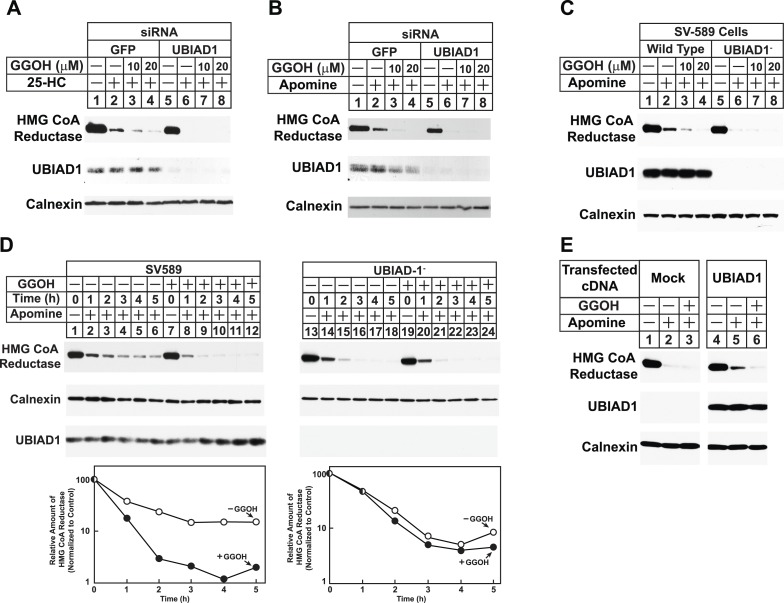
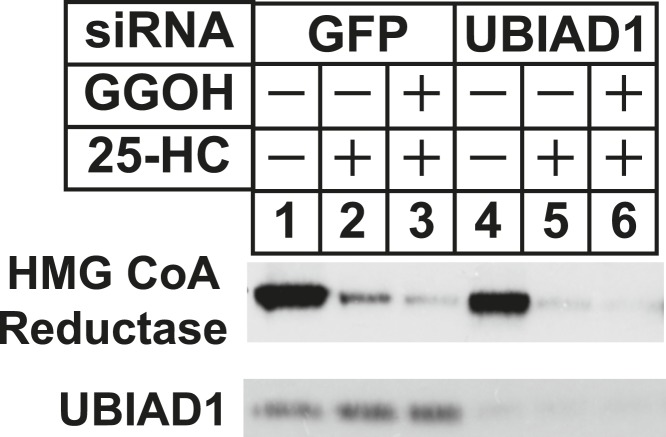
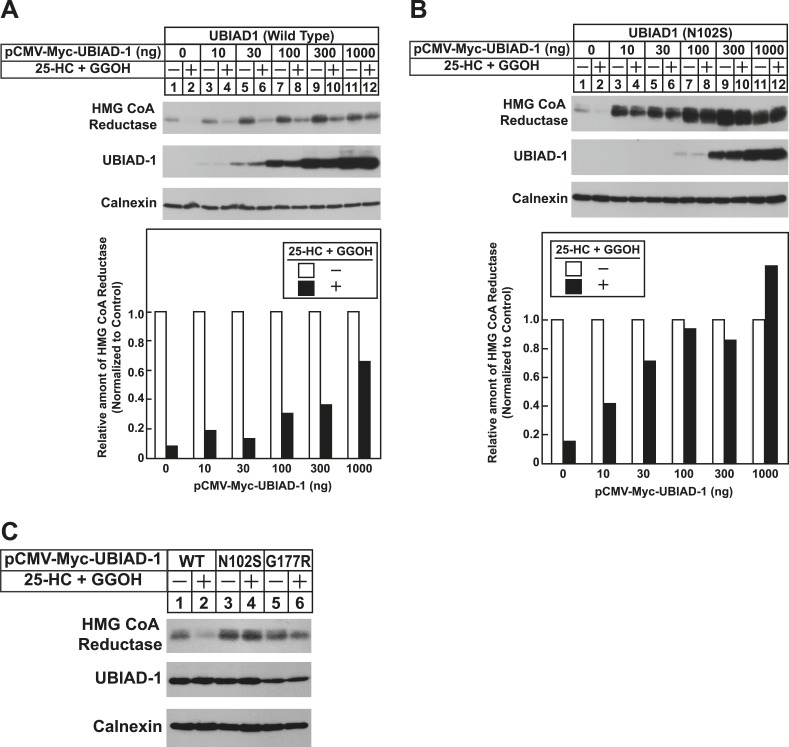
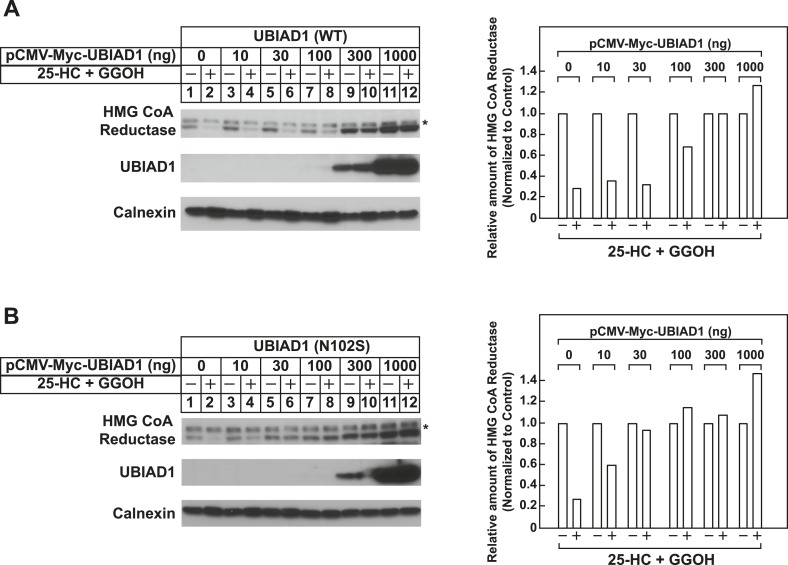
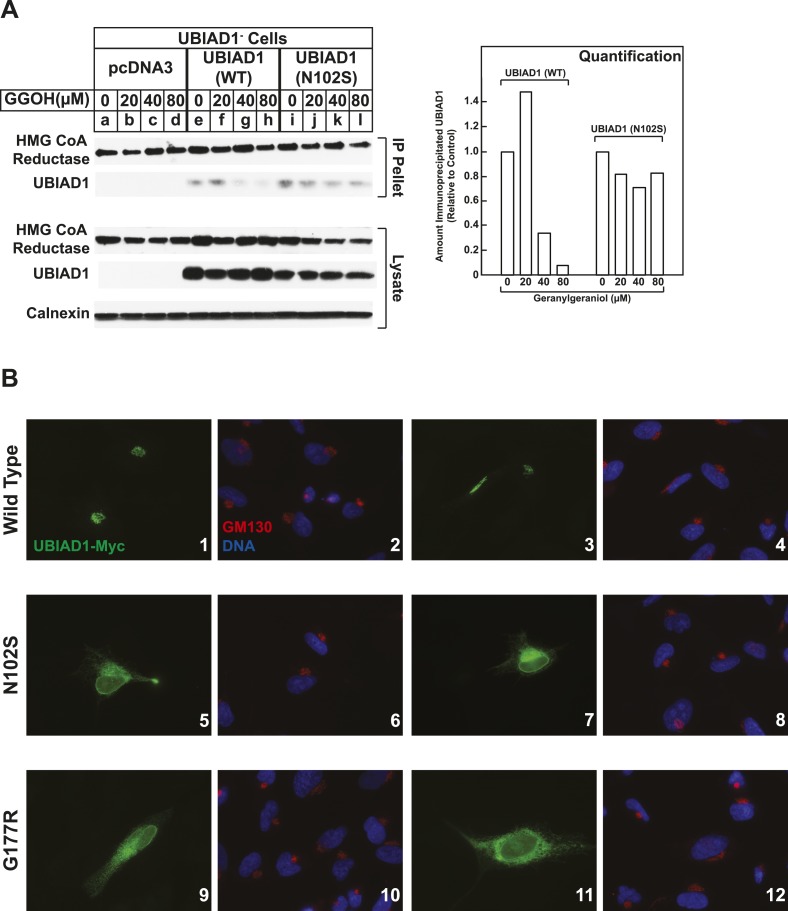
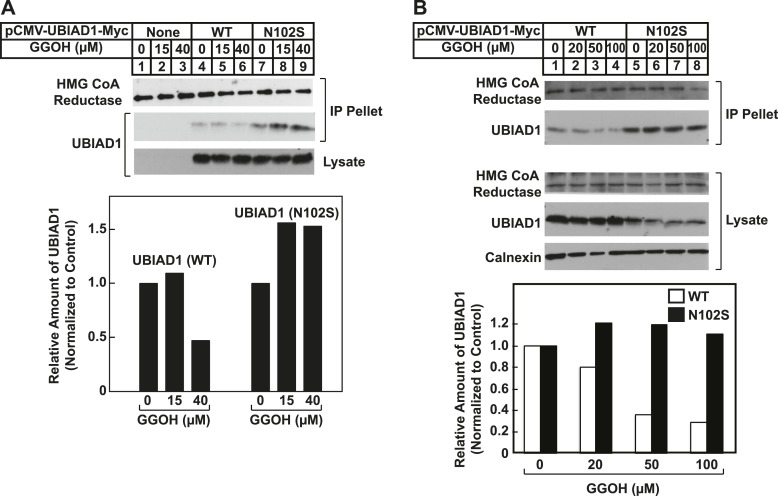
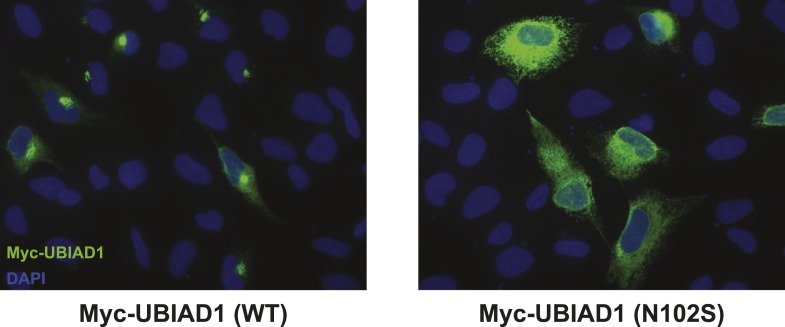
Schnyder corneal dystrophy (SCD) is an autosomal dominant disorder in humans characterized by abnormal accumulation of cholesterol in the cornea. SCD-associated mutations have been identified in the gene encoding UBIAD1, a prenyltransferase that synthesizes vitamin K2. Here, we show that sterols stimulate binding of UBIAD1 to the cholesterol biosynthetic enzyme HMG CoA reductase, which is subject to sterol-accelerated, endoplasmic reticulum (ER)-associated degradation augmented by the nonsterol isoprenoid geranylgeraniol through an unknown mechanism. Geranylgeraniol inhibits binding of UBIAD1 to reductase, allowing its degradation and promoting transport of UBIAD1 from the ER to the Golgi. CRISPR-CAS9-mediated knockout of UBIAD1 relieves the geranylgeraniol requirement for reductase degradation. SCD-associated mutations in UBIAD1 block its displacement from reductase in the presence of geranylgeraniol, thereby preventing degradation of reductase. The current results identify UBIAD1 as the elusive target of geranylgeraniol in reductase degradation, the inhibition of which may contribute to accumulation of cholesterol in SCD.
施奈德角膜营养不良(SCD)是一种人类常染色体显性疾病,其特征是角膜中胆固醇异常蓄积。已在编码UBIAD1的基因中鉴定出与SCD相关的突变,UBIAD1是一种合成维生素K2的异戊二烯基转移酶。在此,我们表明甾醇刺激UBIAD1与胆固醇生物合成酶HMG CoA还原酶的结合,该还原酶会受到甾醇加速的、内质网(ER)相关降解的影响,非甾醇类异戊二烯香叶基香叶醇通过未知机制增强这种降解。香叶基香叶醇抑制UBIAD1与还原酶的结合,使其降解,并促进UBIAD1从内质网转运至高尔基体。CRISPR - CAS9介导的UBIAD1基因敲除可消除香叶基香叶醇对还原酶降解的需求。UBIAD1中与SCD相关的突变在存在香叶基香叶醇的情况下阻止其从还原酶上移位,从而防止还原酶降解。目前的结果确定UBIAD1是香叶基香叶醇在还原酶降解过程中难以捉摸的靶点,对其抑制可能导致SCD中胆固醇的蓄积。