Gao Wei, Tang Zhewei, Zhang Yi-Fan, Feng Mingqian, Qian Min, Dimitrov Dimiter S, Ho Mitchell
Antibody Therapy Section, Laboratory of Molecular Biology, Center for Cancer Research, National Cancer Institute, National Institutes of Health, Bethesda, Maryland 20892, USA.
1] Antibody Therapy Section, Laboratory of Molecular Biology, Center for Cancer Research, National Cancer Institute, National Institutes of Health, Bethesda, Maryland 20892, USA [2] Institute of Biomedical Sciences, School of Life Sciences, East China Normal University, Shanghai 200062, China.
Nat Commun. 2015 Mar 11;6:6536. doi: 10.1038/ncomms7536.
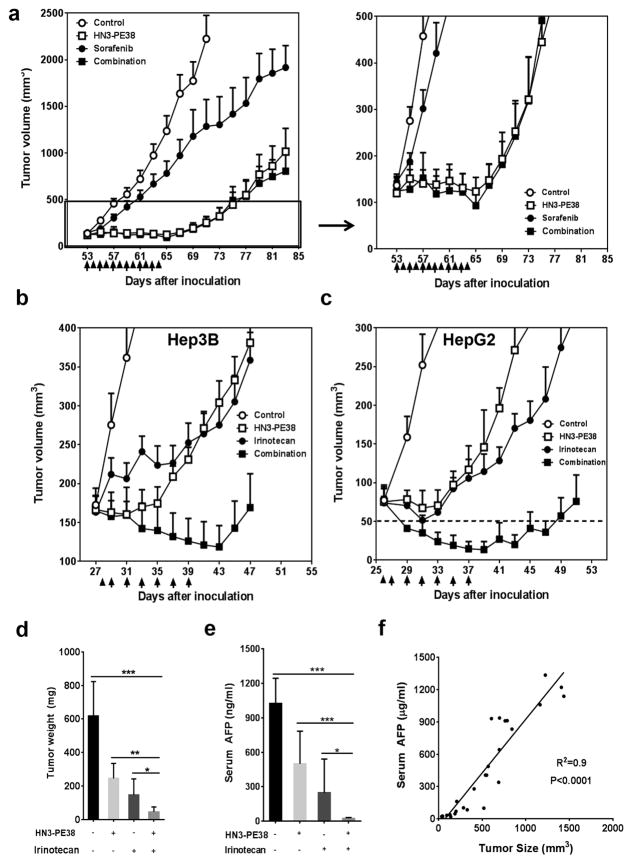
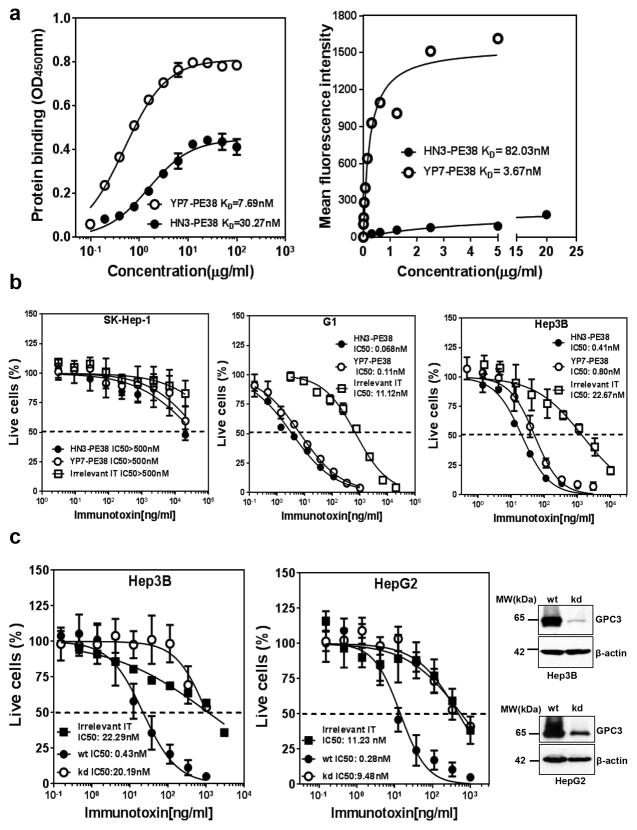
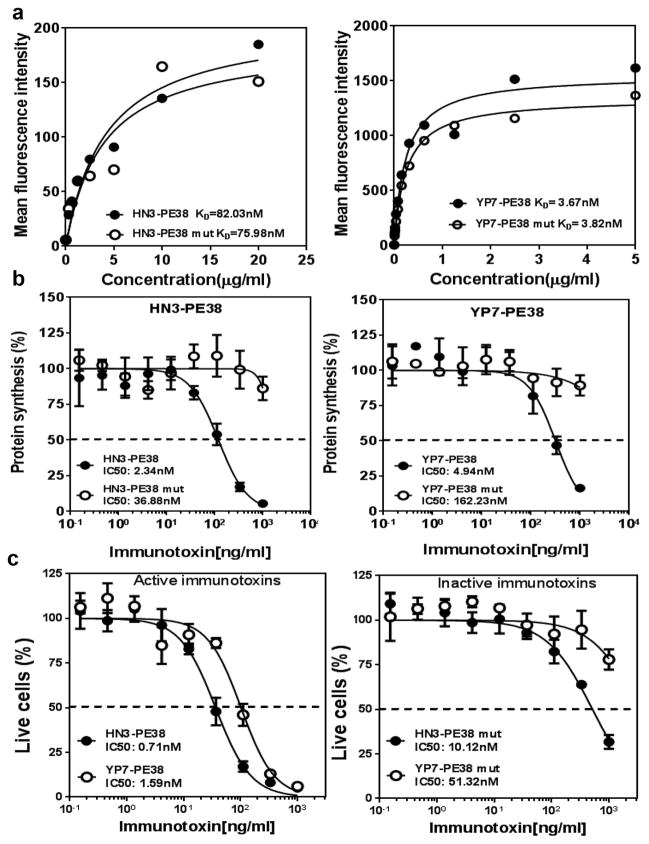
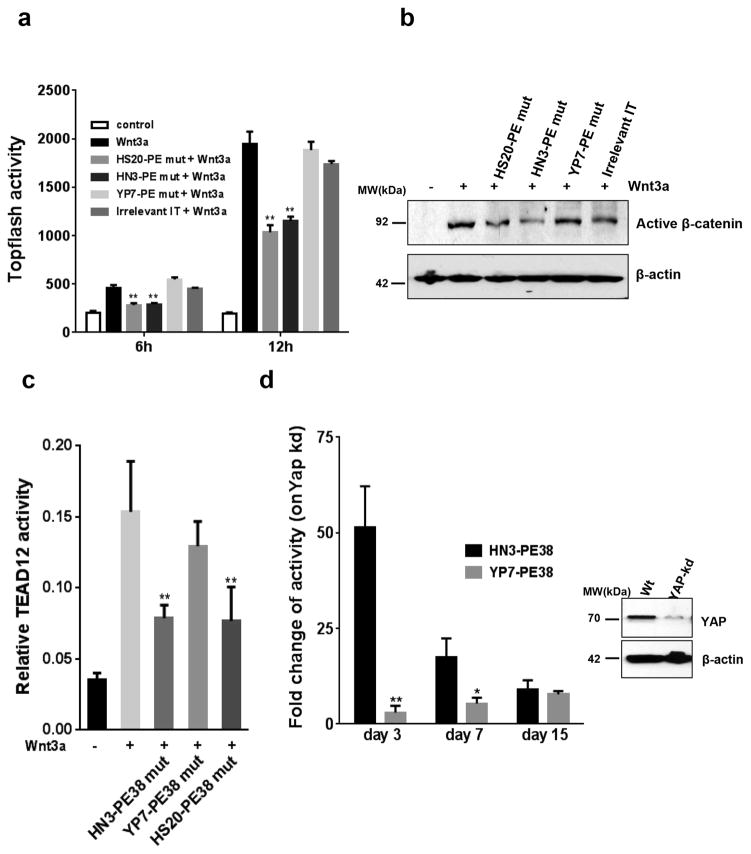
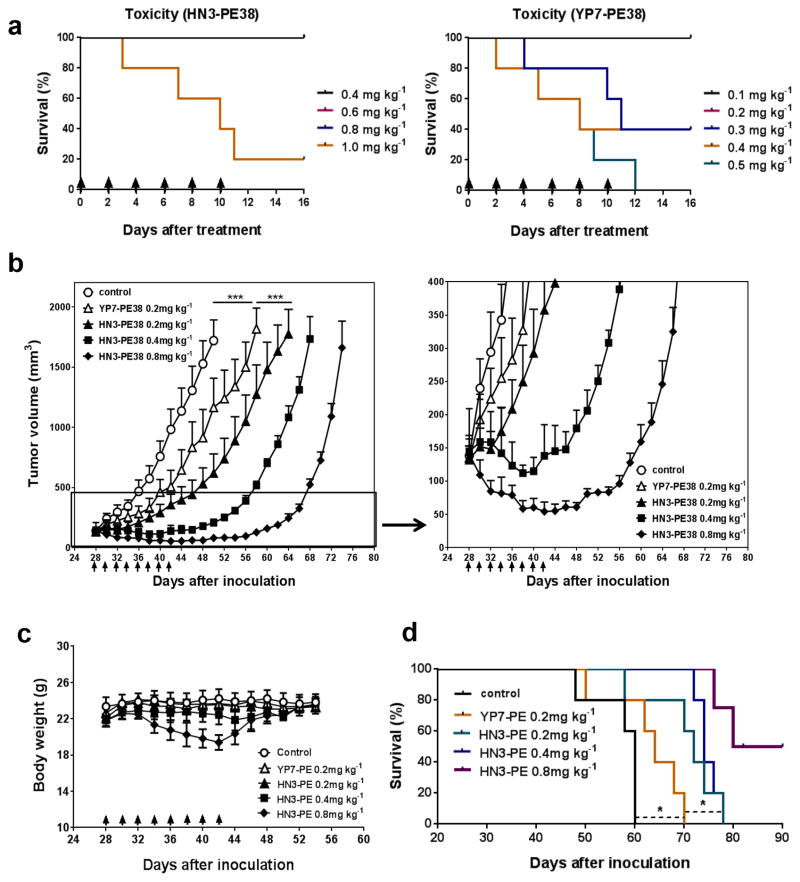
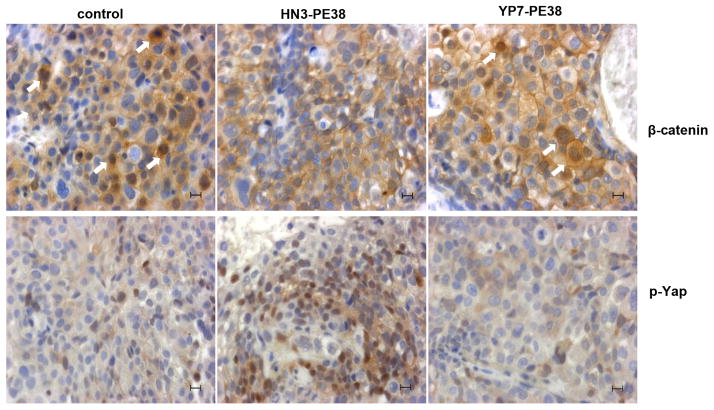
Glypican-3 is a cell surface glycoprotein that associates with Wnt in liver cancer. We develop two antibodies targeting glypican-3, HN3 and YP7. The first antibody recognizes a functional epitope and inhibits Wnt signalling, whereas the second antibody recognizes a C-terminal epitope but does not inhibit Wnt signalling. Both are fused to a fragment of Pseudomonas exotoxin A (PE38) to create immunotoxins. Interestingly, the immunotoxin based on HN3 (HN3-PE38) has superior antitumor activity as compared with YP7 (YP7-PE38) both in vitro and in vivo. Intravenous administration of HN3-PE38 alone, or in combination with chemotherapy, induces regression of Hep3B and HepG2 liver tumour xenografts in mice. This study establishes glypican-3 as a promising candidate for immunotoxin-based liver cancer therapy. Our results demonstrate immunotoxin-induced tumour regression via dual mechanisms: inactivation of cancer signalling via the antibody and inhibition of protein synthesis via the toxin.
磷脂酰肌醇蛋白聚糖-3是一种细胞表面糖蛋白,在肝癌中与Wnt相关。我们研发了两种靶向磷脂酰肌醇蛋白聚糖-3的抗体,HN3和YP7。第一种抗体识别一个功能性表位并抑制Wnt信号传导,而第二种抗体识别一个C端表位但不抑制Wnt信号传导。两者都与绿脓杆菌外毒素A(PE38)的一个片段融合以产生免疫毒素。有趣的是,基于HN3的免疫毒素(HN3-PE38)在体外和体内均比YP7(YP7-PE38)具有更强的抗肿瘤活性。单独静脉注射HN3-PE38,或与化疗联合使用,可诱导小鼠体内Hep3B和HepG2肝肿瘤异种移植瘤消退。本研究确立了磷脂酰肌醇蛋白聚糖-3作为基于免疫毒素的肝癌治疗的一个有前景的候选物。我们的结果证明免疫毒素通过双重机制诱导肿瘤消退:通过抗体使癌症信号失活以及通过毒素抑制蛋白质合成。