Gibson Gary E, Xu Hui, Chen Huan-Lian, Chen Wei, Denton Travis T, Zhang Sheng
Brain and Mind Research Institute, Weill Cornell Medical College, Burke Medical Research Institute, White Plains, New York, USA.
Proteomics and Mass Spectrometry Facility, Institute of Biotechnology, Cornell University, Ithaca, New York, USA.
J Neurochem. 2015 Jul;134(1):86-96. doi: 10.1111/jnc.13096. Epub 2015 Apr 8.
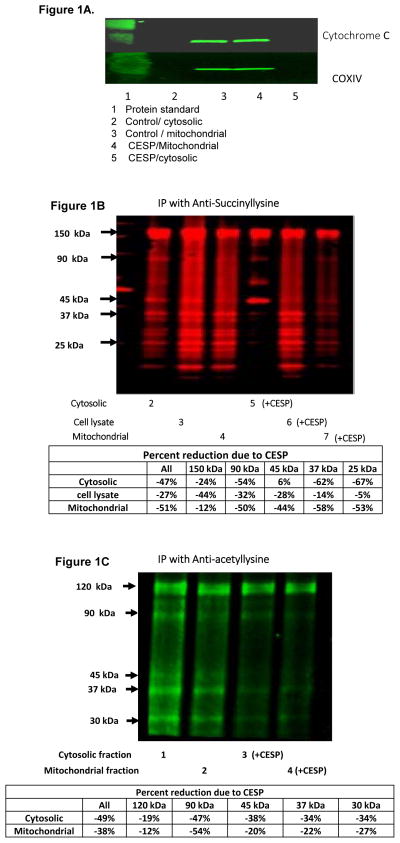
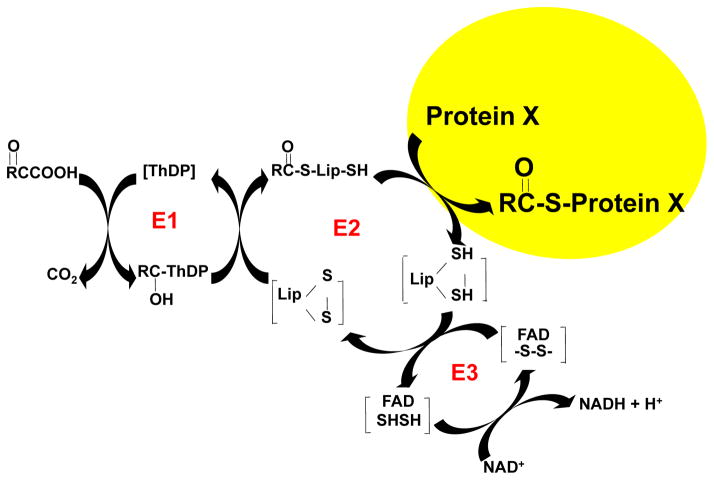
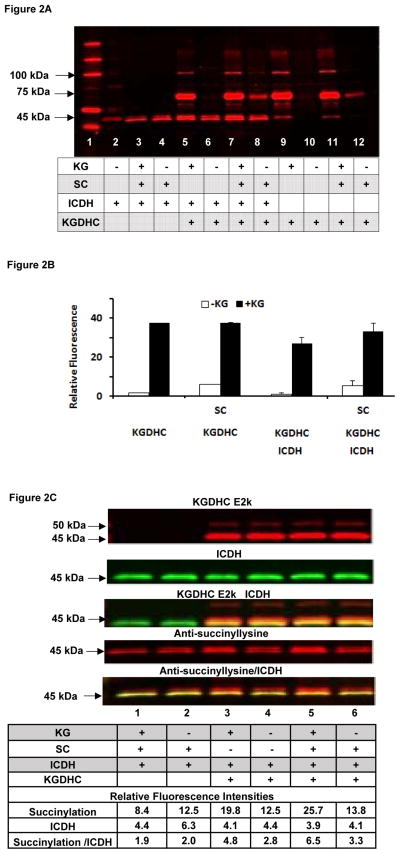
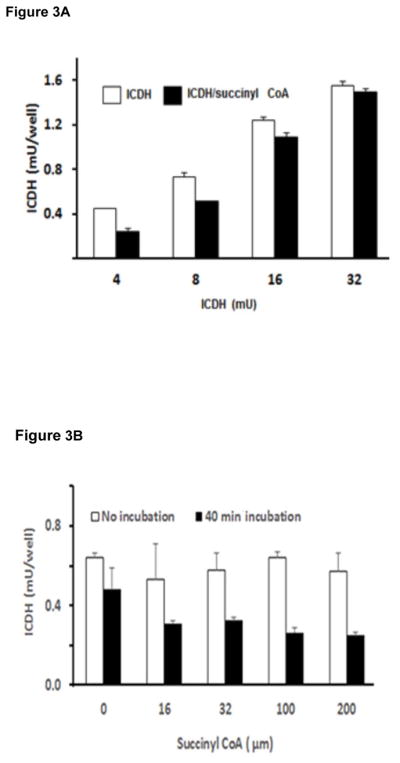
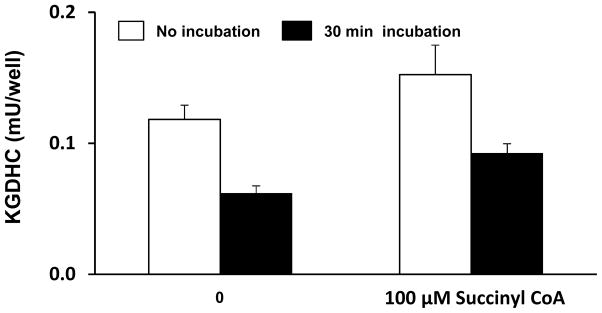
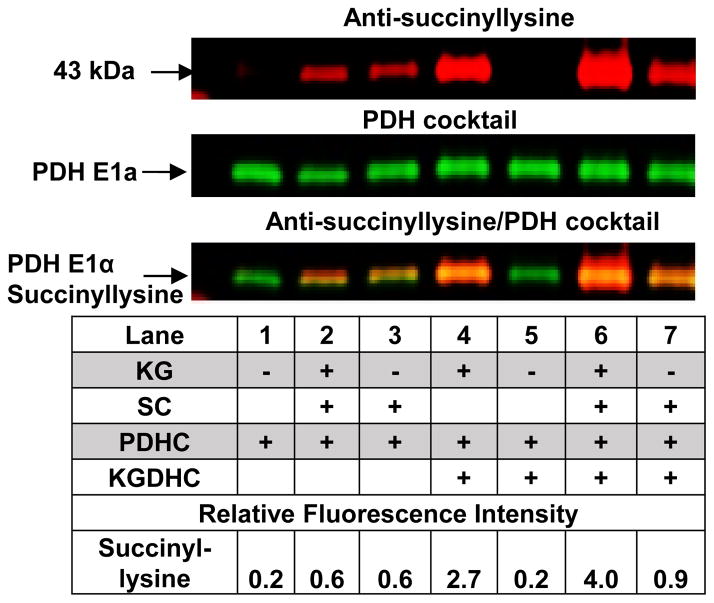
Reversible post-translation modifications of proteins are common in all cells and appear to regulate many processes. Nevertheless, the enzyme(s) responsible for the alterations and the significance of the modification are largely unknown. Succinylation of proteins occurs and causes large changes in the structure of proteins; however, the source of the succinyl groups, the targets, and the consequences of these modifications on other proteins remain unknown. These studies focused on succinylation of mitochondrial proteins. The results demonstrate that the α-ketoglutarate dehydrogenase complex (KGDHC) can serve as a trans-succinylase that mediates succinylation in an α-ketoglutarate-dependent manner. Inhibition of KGDHC reduced succinylation of both cytosolic and mitochondrial proteins in cultured neurons and in a neuronal cell line. Purified KGDHC can succinylate multiple proteins including other enzymes of the tricarboxylic acid cycle leading to modification of their activity. Inhibition of KGDHC also modifies acetylation by modifying the pyruvate dehydrogenase complex. The much greater effectiveness of KGDHC than succinyl-CoA suggests that the catalysis owing to the E2k succinyltransferase is important. Succinylation appears to be a major signaling system and it can be mediated by KGDHC. Reversible post-translation modifications of proteins are common and may regulate many processes. Succinylation of proteins occurs and causes large changes in the structure of proteins. However, the source of the succinyl groups, the targets, and the consequences of these modifications on other proteins remains unknown. The results demonstrate that the mitochondrial α-ketoglutarate dehydrogenase complex (KGDHC) can succinylate multiple mitochondrial proteins and alter their function. Succinylation appears to be a major signaling system and it can be mediated by KGDHC.
蛋白质的可逆翻译后修饰在所有细胞中都很常见,并且似乎调节着许多过程。然而,负责这些改变的酶以及修饰的意义在很大程度上尚不清楚。蛋白质的琥珀酰化会发生,并导致蛋白质结构发生巨大变化;然而,琥珀酰基团的来源、靶点以及这些修饰对其他蛋白质的影响仍然未知。这些研究聚焦于线粒体蛋白质的琥珀酰化。结果表明,α-酮戊二酸脱氢酶复合体(KGDHC)可以作为一种转琥珀酰酶,以α-酮戊二酸依赖的方式介导琥珀酰化。抑制KGDHC会降低培养神经元和神经元细胞系中胞质和线粒体蛋白质的琥珀酰化。纯化的KGDHC可以使多种蛋白质发生琥珀酰化,包括三羧酸循环的其他酶,从而导致其活性发生改变。抑制KGDHC还会通过修饰丙酮酸脱氢酶复合体来改变乙酰化。KGDHC比琥珀酰辅酶A的作用效率高得多,这表明E2k琥珀酰转移酶的催化作用很重要。琥珀酰化似乎是一个主要的信号系统,并且可以由KGDHC介导。蛋白质的可逆翻译后修饰很常见,可能调节许多过程。蛋白质的琥珀酰化会发生,并导致蛋白质结构发生巨大变化。然而,琥珀酰基团的来源、靶点以及这些修饰对其他蛋白质的影响仍然未知。结果表明,线粒体α-酮戊二酸脱氢酶复合体(KGDHC)可以使多种线粒体蛋白质发生琥珀酰化并改变其功能。琥珀酰化似乎是一个主要的信号系统,并且可以由KGDHC介导。