Shimizu-Motohashi Yuko, Asakura Yoko, Motohashi Norio, Belur Nandkishore R, Baumrucker Michael G, Asakura Atsushi
Stem Cell Institute, Paul and Sheila Wellstone Muscular Dystrophy Center, Department of Neurology, University of Minnesota Medical School, Minneapolis, MN, United States of America.
PLoS One. 2015 Mar 16;10(3):e0120325. doi: 10.1371/journal.pone.0120325. eCollection 2015.
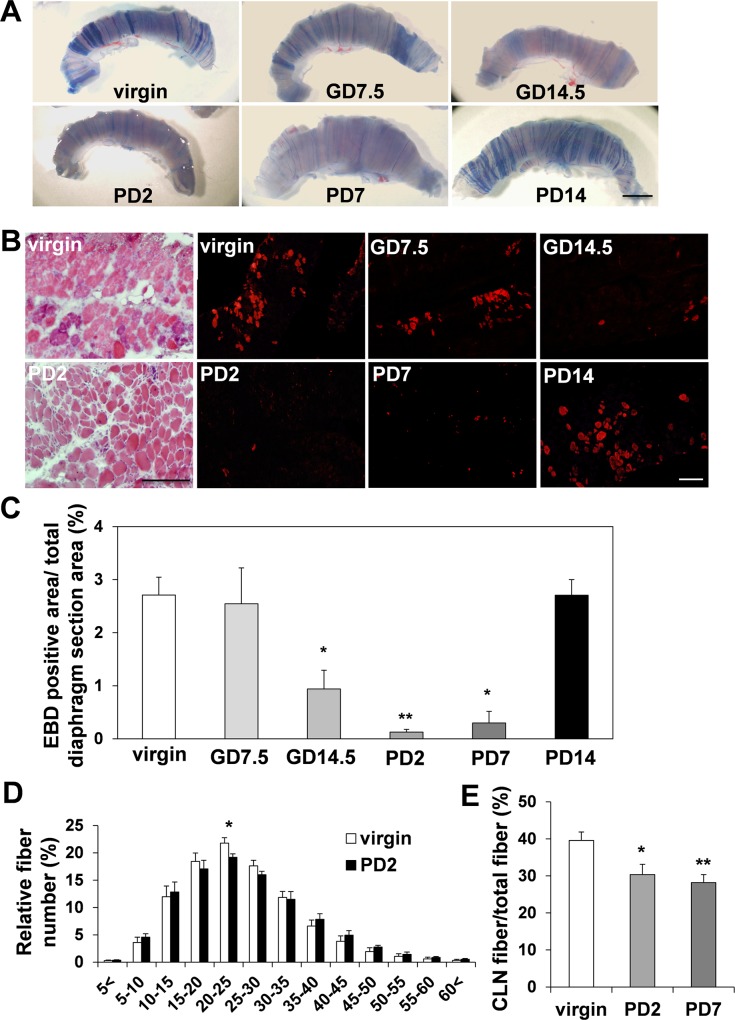
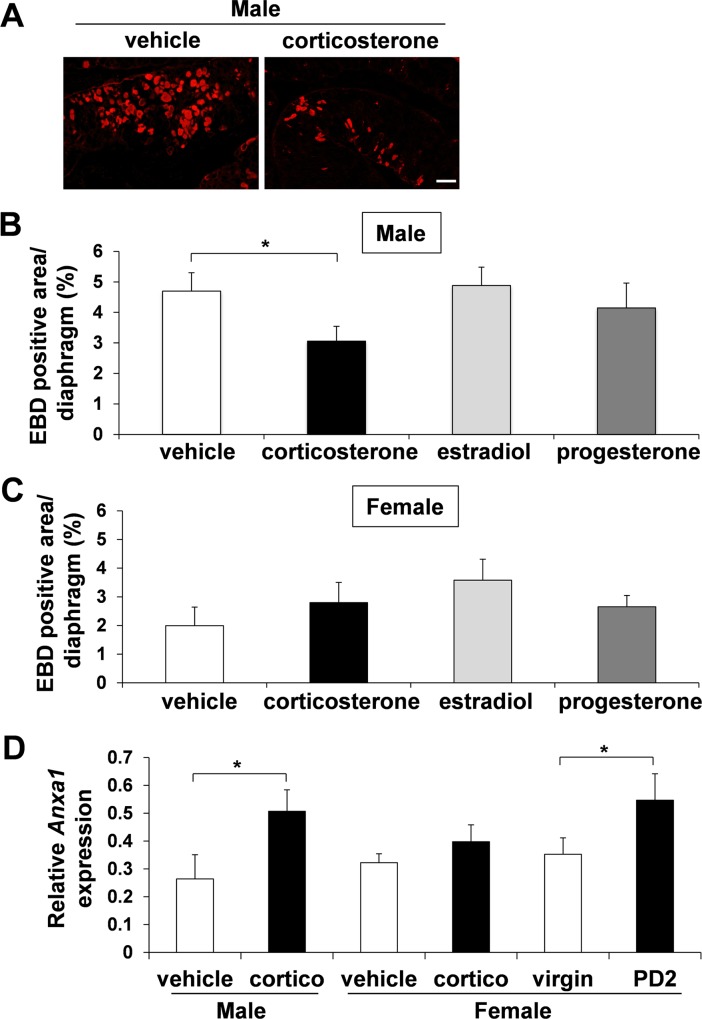
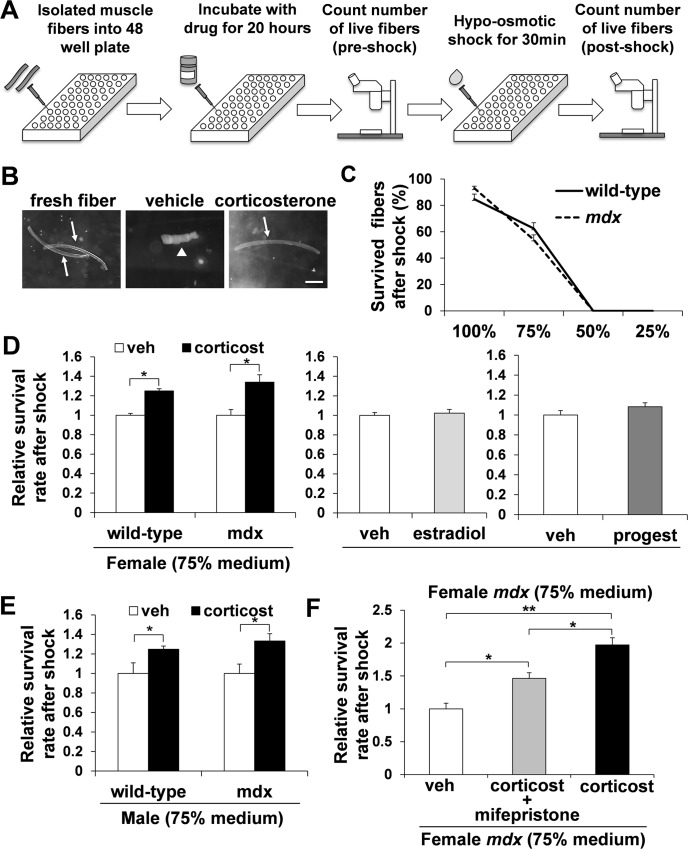
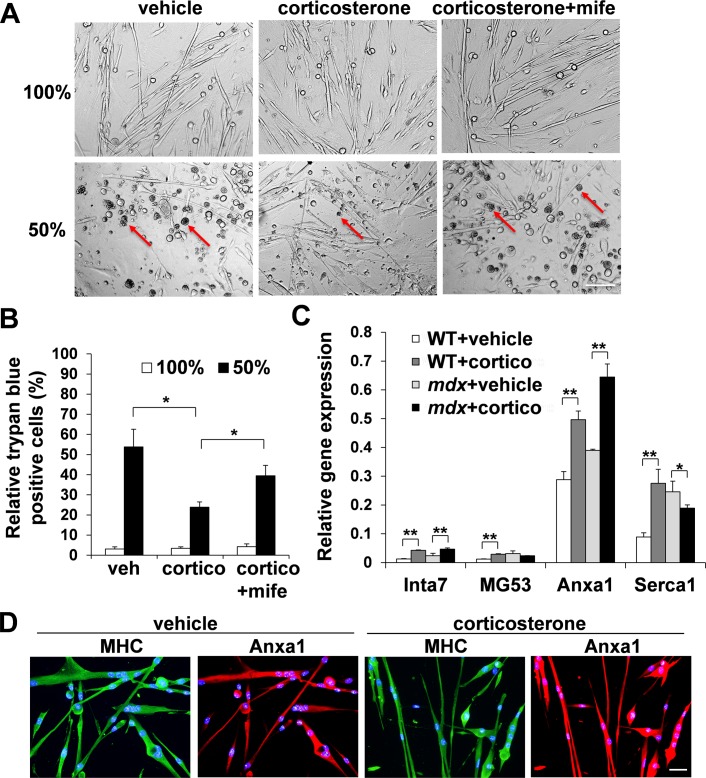
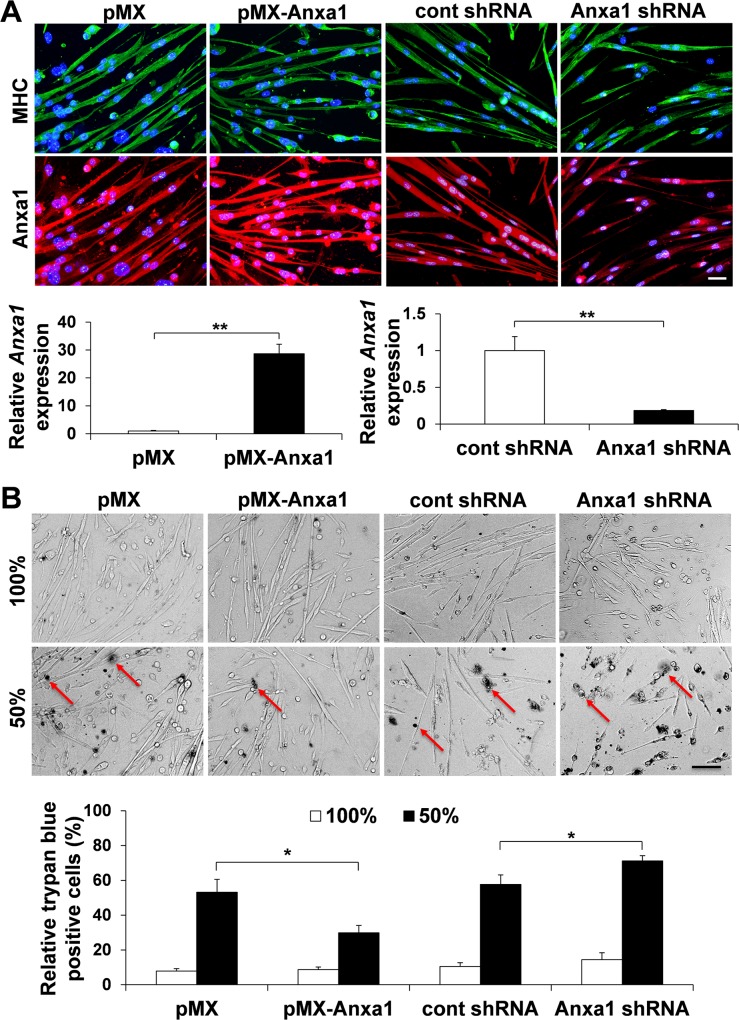
Duchenne muscular dystrophy (DMD), the most common and severe type of dystrophinopathy, is an X-linked recessive genetic disease caused by the absence of dystrophin, which leads to fragility and vulnerability of the sarcolemma to mechanical stretching with increased membrane permeability. Currently, glucocorticoids such as prednisolone are the only medication available for DMD. However, molecular pathways responsible for this effect are still unclear. In addition, it remains unclear whether sex-related factors, including pregnancy and the postpartum period, affect the phenotype of dystrophinopathy. Here, we report the amelioration of muscle membrane permeability in the diaphragm muscle of pregnant and postpartum, but not in nulliparous, mdx mice, an animal model for DMD, during the physiological surge of corticosterone, the most abundant glucocorticoid in rodents. Cultures of single muscle fibers and myotubes isolated from mdx mouse diaphragm demonstrate resistance to hypo-osmotic shock when treated with corticosterone but not with estradiol or progesterone. This corticosterone-mediated resistance was diminished by an antagonist of corticosterone, indicating that the glucocorticoid-glucocorticoid receptor axis plays a role in this membrane stabilization effect on muscle. Moreover, subcutaneous injection of corticosterone into mdx mice showed decreased membrane permeability. This is the first report to demonstrate that pregnancy-related resistance to muscle fiber damage in mdx mice due to the membrane stabilization effect of corticosterone. We also propose that this membrane stabilization effect is exerted through annexin A1 up-regulation as the molecular mechanisms of glucocorticoid effects on DMD muscle. Furthermore, single muscle fiber culture studies provide a sensitive chemical screening platform for muscular dystrophies.
杜兴氏肌营养不良症(DMD)是肌营养不良蛋白病最常见且最严重的类型,是一种X连锁隐性遗传病,由肌营养不良蛋白缺失引起,这会导致肌膜对机械拉伸的脆弱性和易损性增加,同时膜通透性增强。目前,泼尼松龙等糖皮质激素是DMD唯一可用的药物。然而,导致这种作用的分子途径仍不清楚。此外,包括怀孕和产后时期在内的性别相关因素是否会影响肌营养不良蛋白病的表型仍不明确。在此,我们报告在皮质酮(啮齿动物中最丰富的糖皮质激素)生理性激增期间,怀孕和产后的mdx小鼠(一种DMD动物模型)的膈肌肌膜通透性得到改善,但未生育的mdx小鼠则没有。从mdx小鼠膈肌分离的单根肌纤维和肌管培养物在用皮质酮而非雌二醇或孕酮处理时表现出对低渗休克的抗性。皮质酮拮抗剂可减弱这种由皮质酮介导的抗性,表明糖皮质激素-糖皮质激素受体轴在这种对肌肉的膜稳定作用中发挥作用。此外,向mdx小鼠皮下注射皮质酮显示膜通透性降低。这是第一份证明由于皮质酮的膜稳定作用,mdx小鼠在怀孕时对肌纤维损伤具有抗性的报告。我们还提出这种膜稳定作用是通过上调膜联蛋白A1发挥的,这是糖皮质激素对DMD肌肉作用的分子机制。此外,单根肌纤维培养研究为肌肉营养不良症提供了一个灵敏的化学筛选平台。