Wang Zhou-Guang, Wang Yue, Huang Yan, Lu Qin, Zheng Lei, Hu Dong, Feng Wen-Ke, Liu Yan-Long, Ji Kang-Ting, Zhang Hong-Yu, Fu Xiao-Bing, Li Xiao-Kun, Chu Mao-Ping, Xiao Jian
1] School of Pharmacy, Key Laboratory of Biotechnology and Pharmaceutical Engineering, Wenzhou Medical University, Wenzhou 325035, China [2] Department of Biochemistry and Molecular Biology, College of Basic Medical Science, Jilin University, Changchun, 130012, China.
School of Pharmacy, Key Laboratory of Biotechnology and Pharmaceutical Engineering, Wenzhou Medical University, Wenzhou 325035, China.
Sci Rep. 2015 Mar 19;5:9287. doi: 10.1038/srep09287.
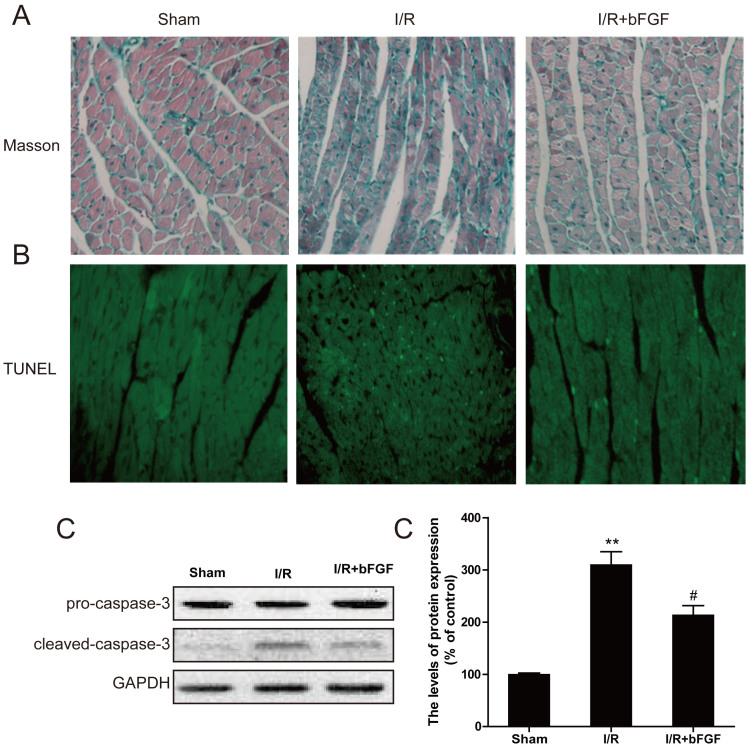
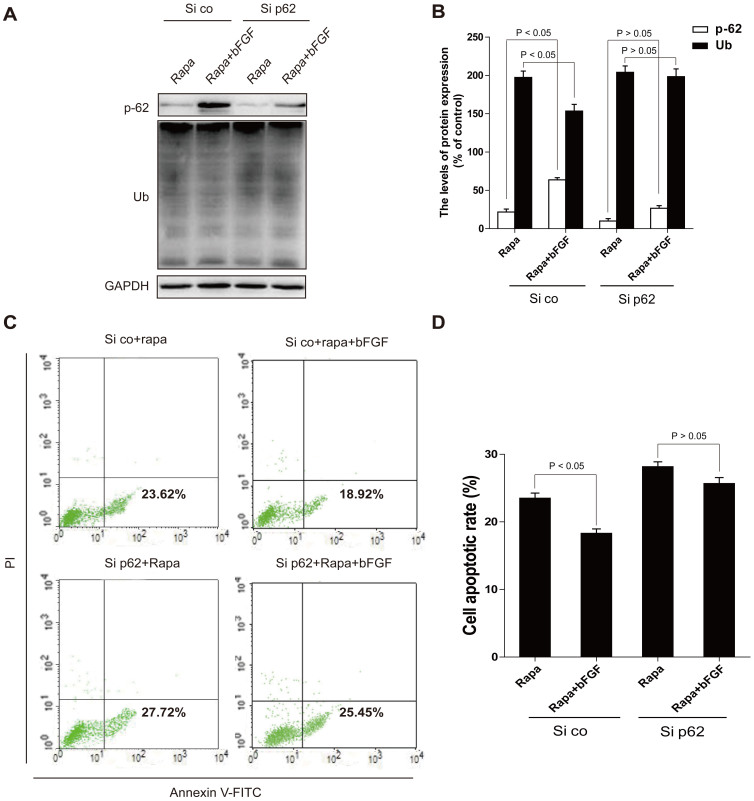
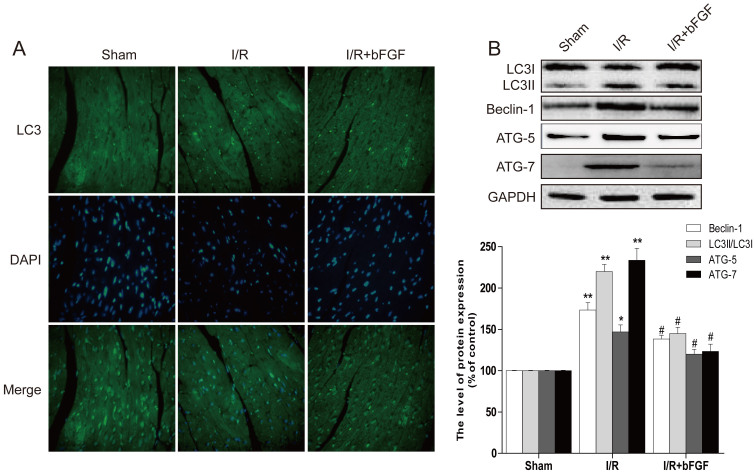
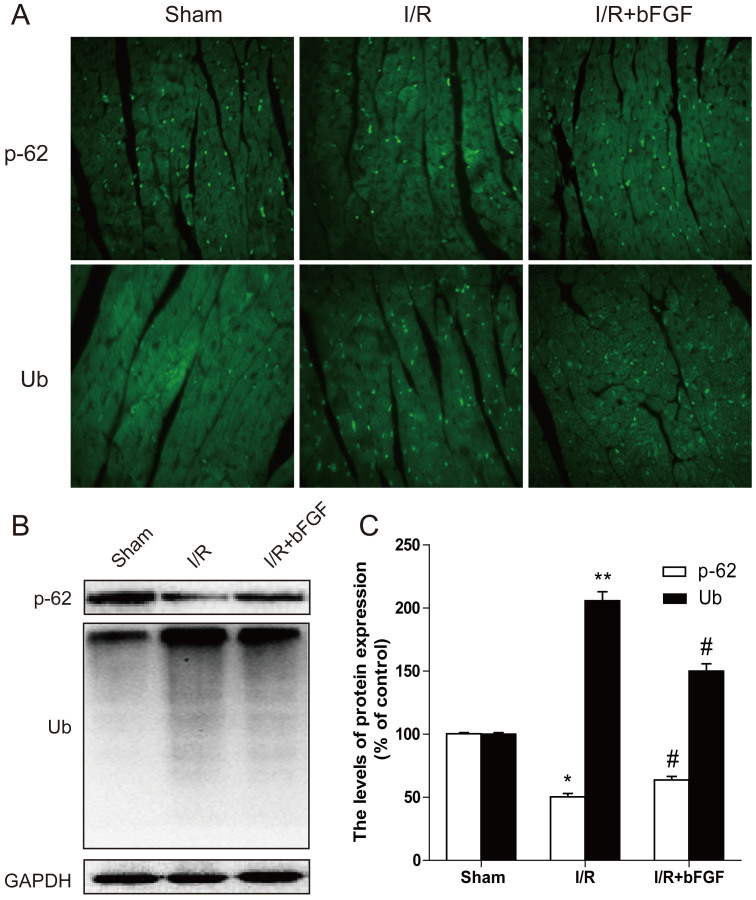
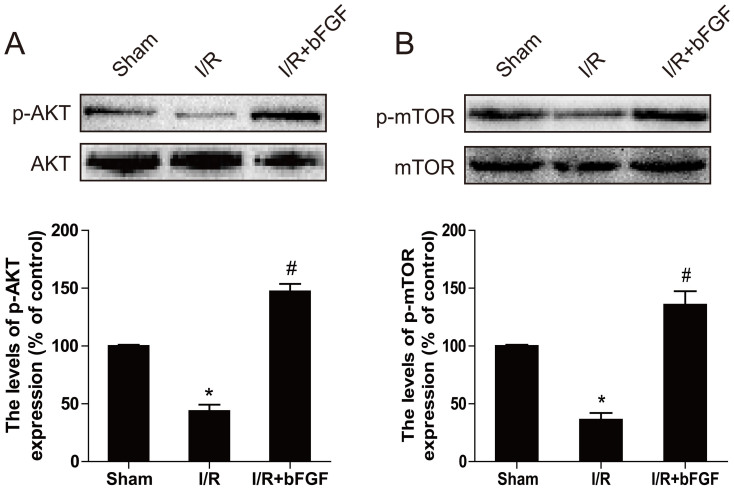
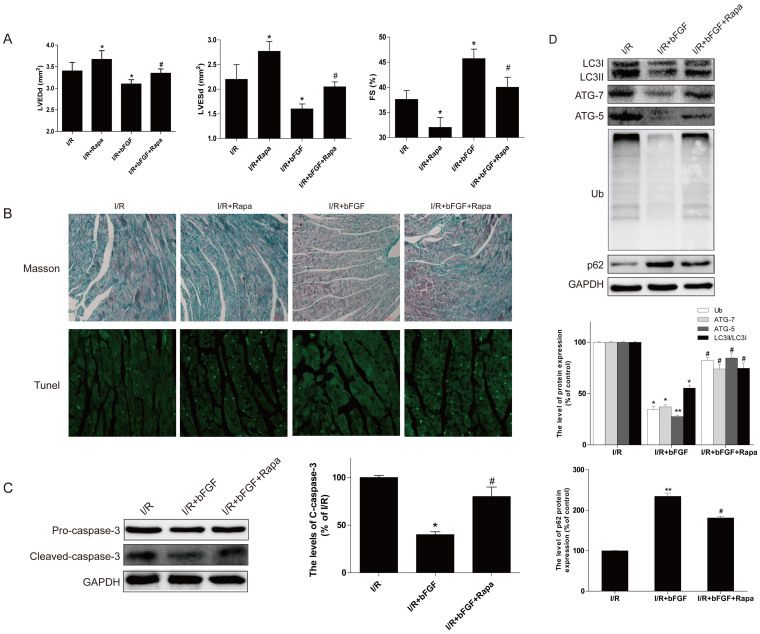
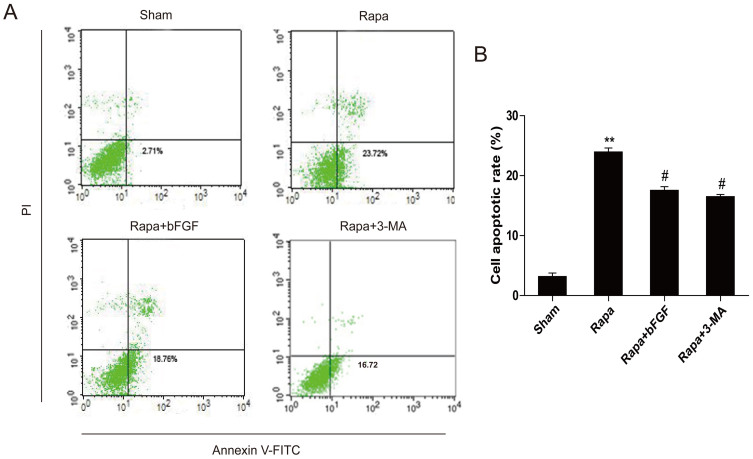
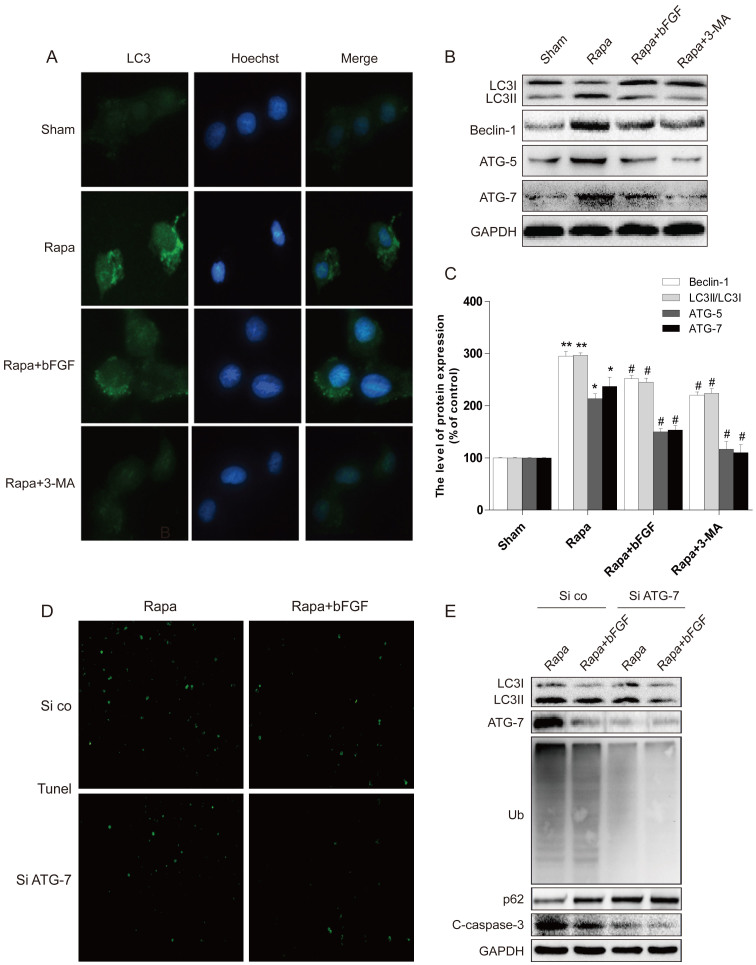
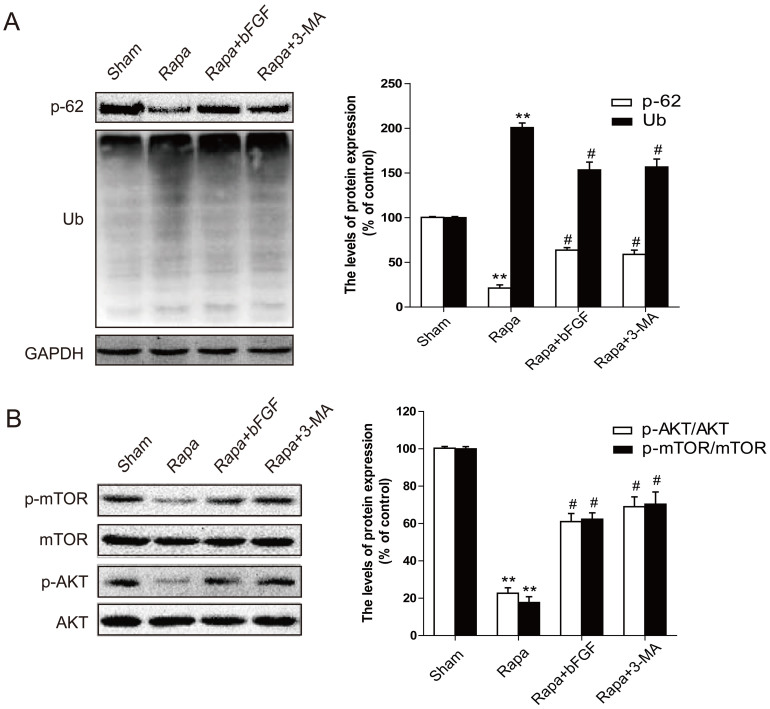
Autophagy is involved in the development and/or progression of many diseases, including myocardial ischemia/reperfusion (I/R). In this study, we hypothesized a protective role of basic fibroblast growth factor (bFGF) both in vivo and in vitro and demonstrated that excessive autophagy and ubiquitinated protein accumulation is involved in the myocardial I/R model. Our results showed that bFGF improved heart function recovery and increased the survival of cardiomyocytes in myocardial I/R model. The protective effect of bFGF is related to the inhibition of LC3II levels. Additionally, bFGF enhances the clearance of Ub by p62 and increases the survival of H9C2 cells. Moreover, silencing of p62 partially blocks the clearance of Ub and abolishes the anti-apoptosis effect of bFGF. An shRNA against the autophagic machinery Atg7 increased the survival of H9C2 cells co-treated with bFGF and rapamycin. bFGF activates the downstream signaling of the PI3K/Akt/mTOR pathway. These results indicate that the role of bFGF in myocardial I/R recovery is related to the inhibition of excessive autophagy and increased ubiquitinated protein clearance via the activation of PI3K/Akt/mTOR signaling. Overall, our study suggests a new direction for bFGF drug development for heart disease and identifies protein signaling pathways involved in bFGF action.
自噬参与包括心肌缺血/再灌注(I/R)在内的多种疾病的发生发展过程。在本研究中,我们假设碱性成纤维细胞生长因子(bFGF)在体内和体外均具有保护作用,并证明过度自噬和泛素化蛋白积累参与了心肌I/R模型。我们的结果表明,bFGF改善了心肌I/R模型中心脏功能的恢复并提高了心肌细胞的存活率。bFGF的保护作用与抑制LC3II水平有关。此外,bFGF增强了p62对泛素的清除作用并提高了H9C2细胞的存活率。此外,p62的沉默部分阻断了泛素的清除并消除了bFGF的抗凋亡作用。针对自噬机制Atg7的短发夹RNA(shRNA)增加了与bFGF和雷帕霉素共同处理的H9C2细胞的存活率。bFGF激活PI3K/Akt/mTOR信号通路的下游信号。这些结果表明,bFGF在心肌I/R恢复中的作用与通过激活PI3K/Akt/mTOR信号抑制过度自噬和增加泛素化蛋白清除有关。总体而言,我们的研究为心脏病bFGF药物开发提出了新方向,并确定了参与bFGF作用的蛋白信号通路。