Wang Zhou-Guang, Li Hao, Huang Yan, Li Rui, Wang Xiao-Fan, Yu Li-Xia, Guang Xue-Qiang, Li Lei, Zhang Hong-Yu, Zhao Ying-Zheng, Zhang Chunxiang, Li Xiao-Kun, Wu Rong-Zhou, Chu Mao-Ping, Xiao Jian
Institute of Cardiovascular Development and Translational Medicine, Children's Heart Center, The Second Affiliated Hospital, Wenzhou Medical University, Wenzhou 325027, China.
Molecular Pharmacology Research Center, School of Pharmacy, Key Laboratory of Biotechnology and Pharmaceutical Engineering, Wenzhou Medical University, Wenzhou 325035, China.
Oncotarget. 2017 Jan 17;8(3):5400-5413. doi: 10.18632/oncotarget.14284.
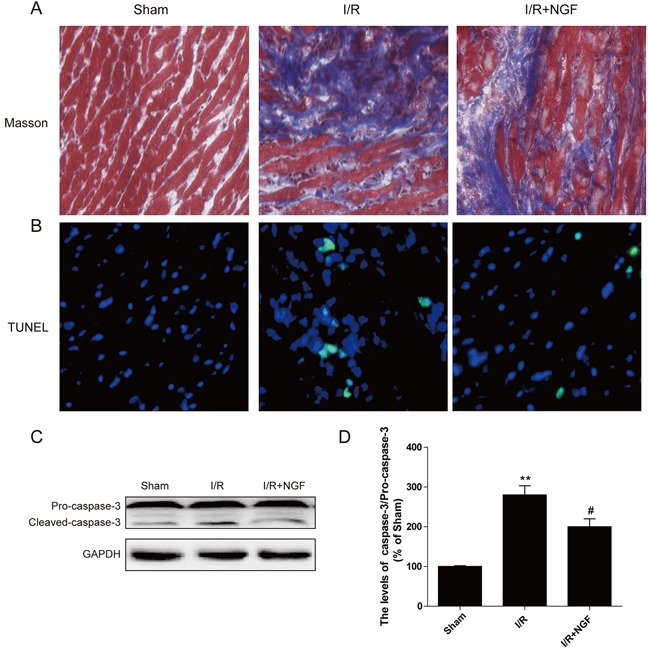
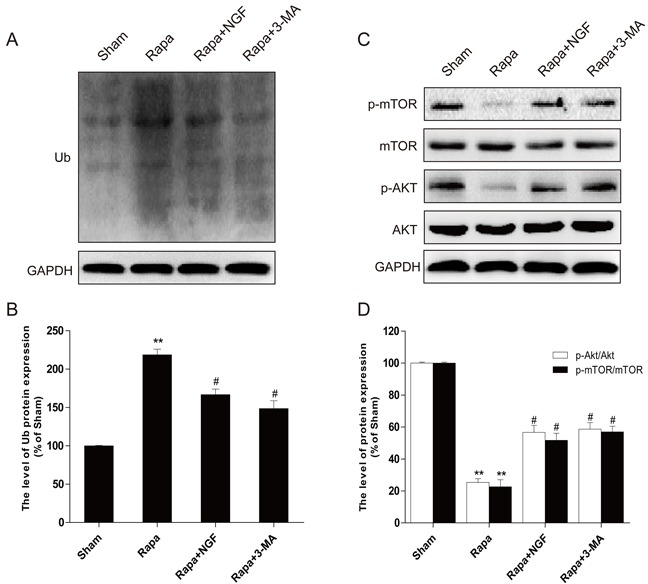
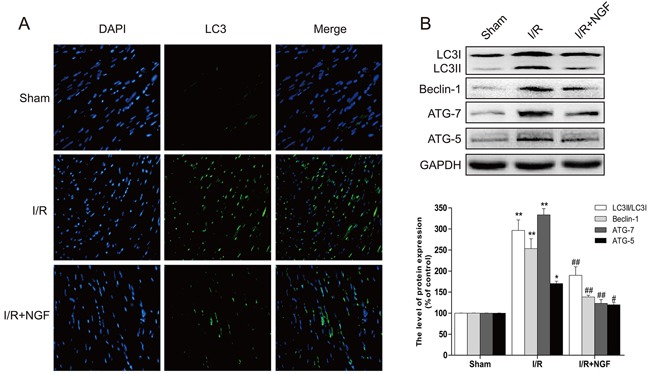
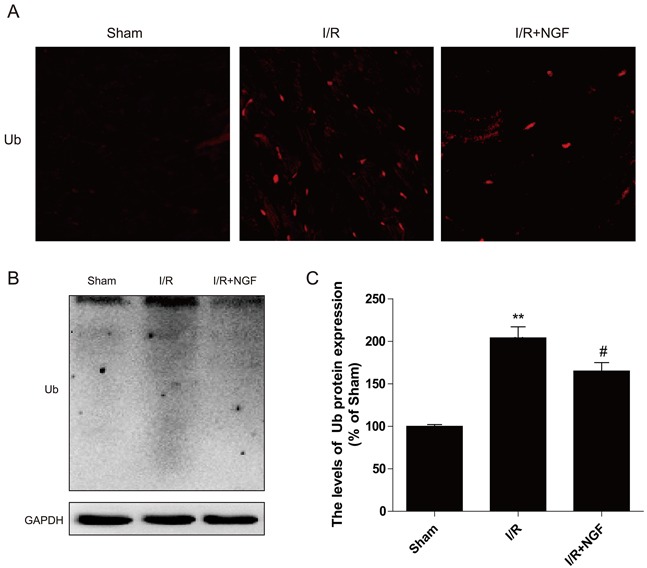
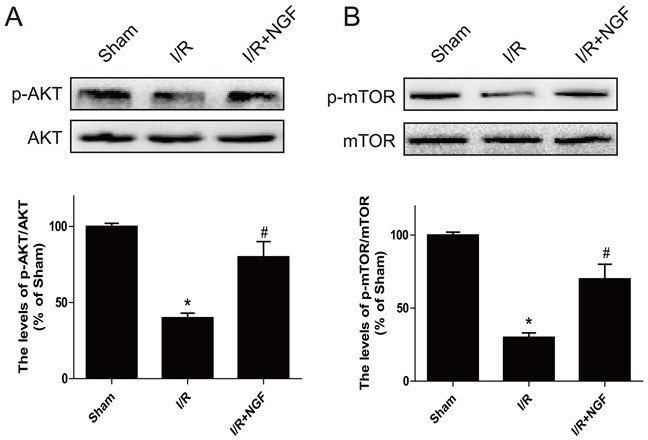
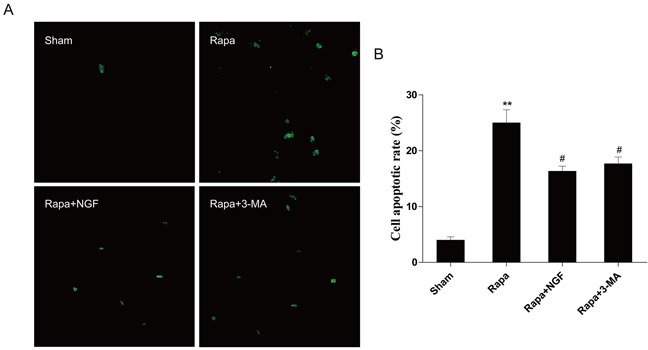
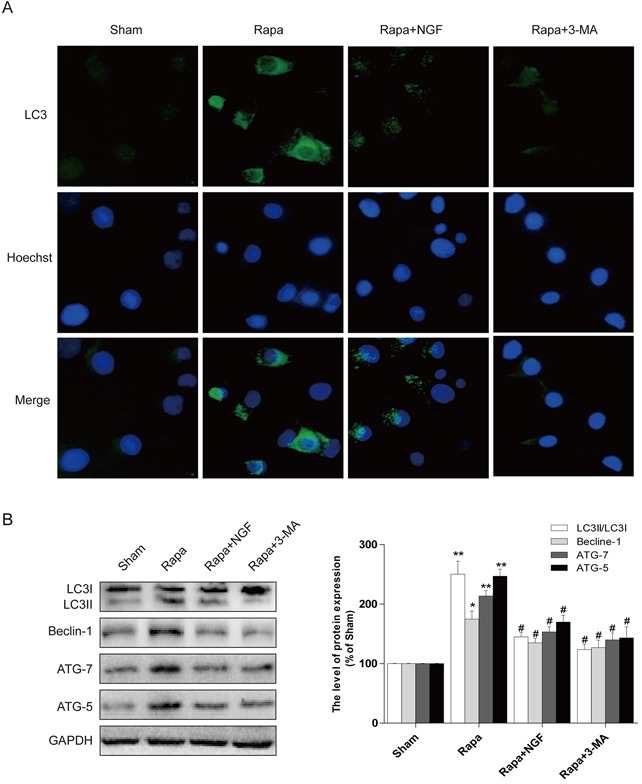
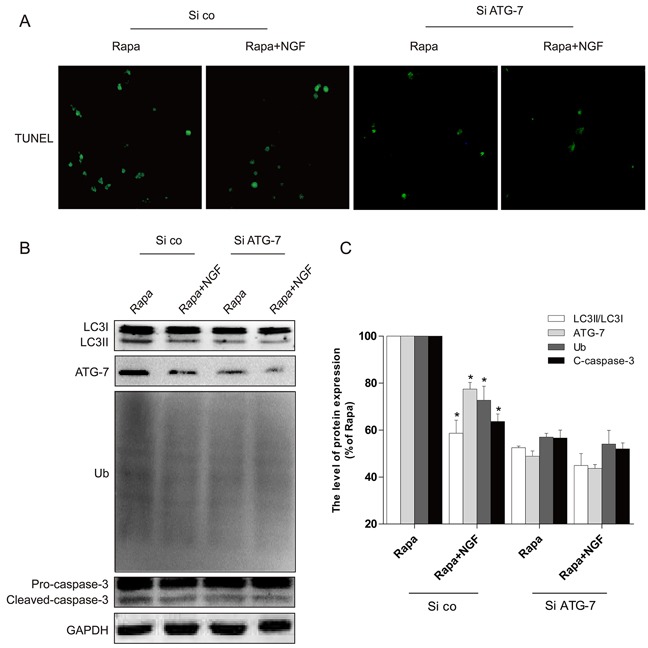
The dysregulation of autophagy is related to a variety of cardiovascular diseases, such as myocardial ischemia/reperfusion (I/R). Nerve growth factor (NGF) has been shown to have therapeutic potential in ischaemic heart injury. In this study, we demonstrate that NGF administration can accelerate autophagic flux and attenuate protein ubiquitination in myocardial I/R heart. Our results showed that NGF could restored heart function and decreased the apoptosis of cardiomyocytes which induced by myocardial I/R injury. The protective effect of NGF is associated with the inhibition of autophagy related proteins. On another hand, NGF enhances the clearance of ubiquitinated protein and increases the survival of myocardial cell in vivo and in vitro. Additionally, NGF could activate the PI3K/AKT and mTOR signaling pathways. These results suggested that the cardioprotective effect of NGF is related to the restoration of autophagic flux and attenuation of protein ubiquitination via the activation of PI3K/AKT and mTOR pathway.
自噬失调与多种心血管疾病相关,如心肌缺血/再灌注(I/R)。神经生长因子(NGF)已被证明在缺血性心脏损伤中具有治疗潜力。在本研究中,我们证明给予NGF可加速心肌I/R心脏中的自噬通量并减弱蛋白质泛素化。我们的结果表明,NGF可恢复心脏功能并减少由心肌I/R损伤诱导的心肌细胞凋亡。NGF的保护作用与自噬相关蛋白的抑制有关。另一方面,NGF增强泛素化蛋白的清除并增加体内外心肌细胞的存活。此外,NGF可激活PI3K/AKT和mTOR信号通路。这些结果表明,NGF的心脏保护作用与通过激活PI3K/AKT和mTOR途径恢复自噬通量和减弱蛋白质泛素化有关。