Khan Omar F, Zaia Edmond W, Jhunjhunwala Siddharth, Xue Wen, Cai Wenxin, Yun Dong Soo, Barnes Carmen M, Dahlman James E, Dong Yizhou, Pelet Jeisa M, Webber Matthew J, Tsosie Jonathan K, Jacks Tyler E, Langer Robert, Anderson Daniel G
†Koch Institute for Integrative Cancer Research, Massachusetts Institute of Technology, Cambridge, Massachusetts 02139, United States.
‡Howard Hughes Medical Institute, Massachusetts Institute of Technology, Cambridge, Massachusetts 02139, United States.
Nano Lett. 2015 May 13;15(5):3008-16. doi: 10.1021/nl5048972. Epub 2015 Apr 2.
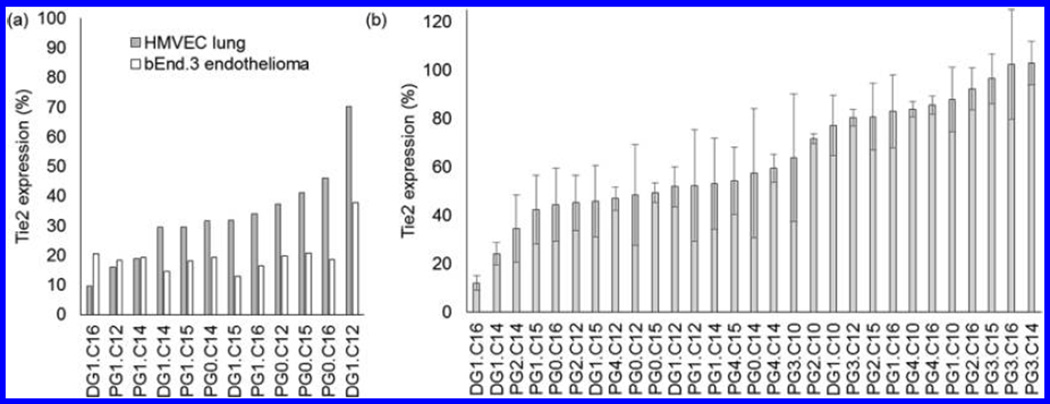
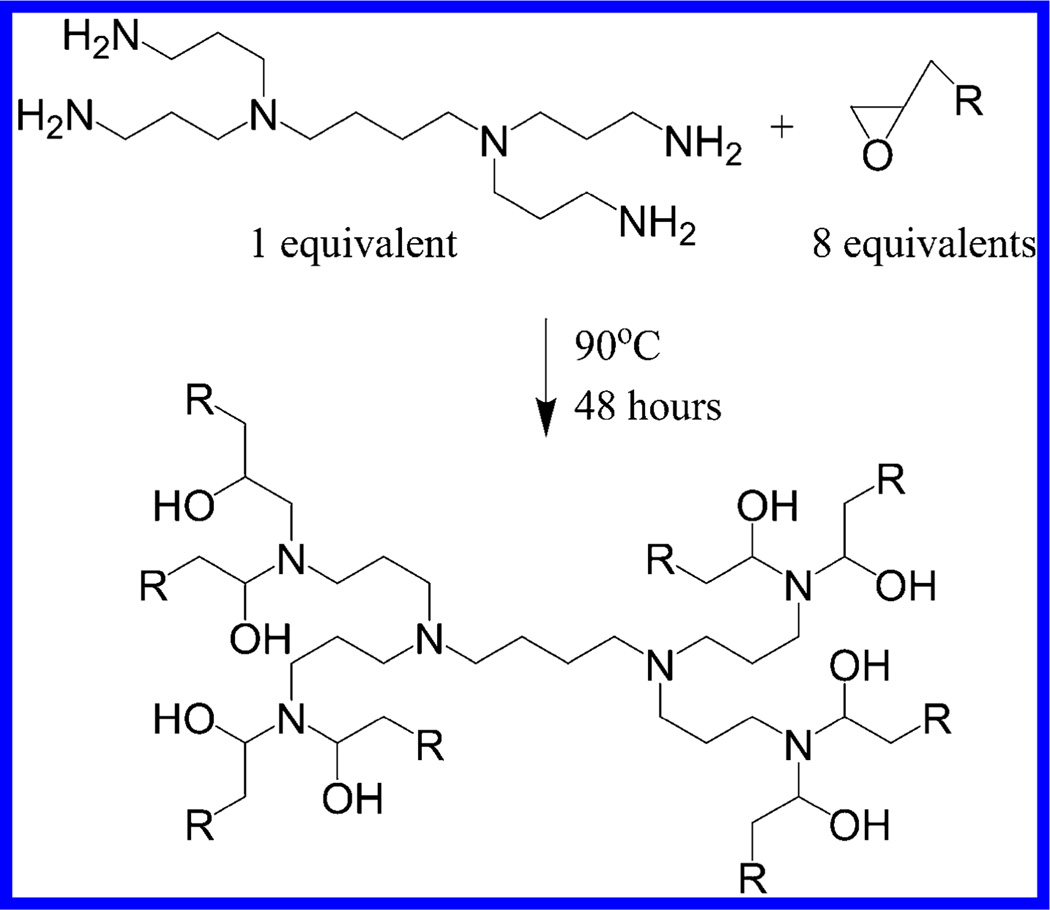
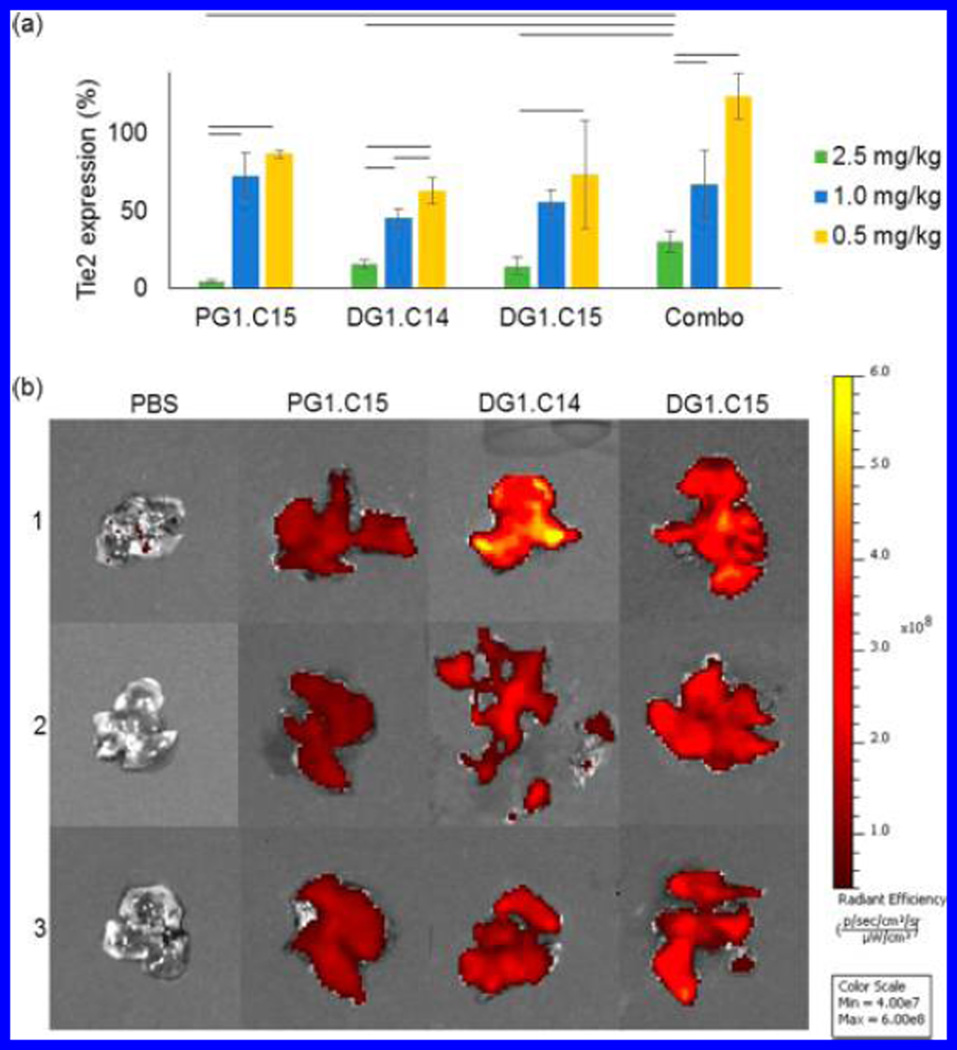
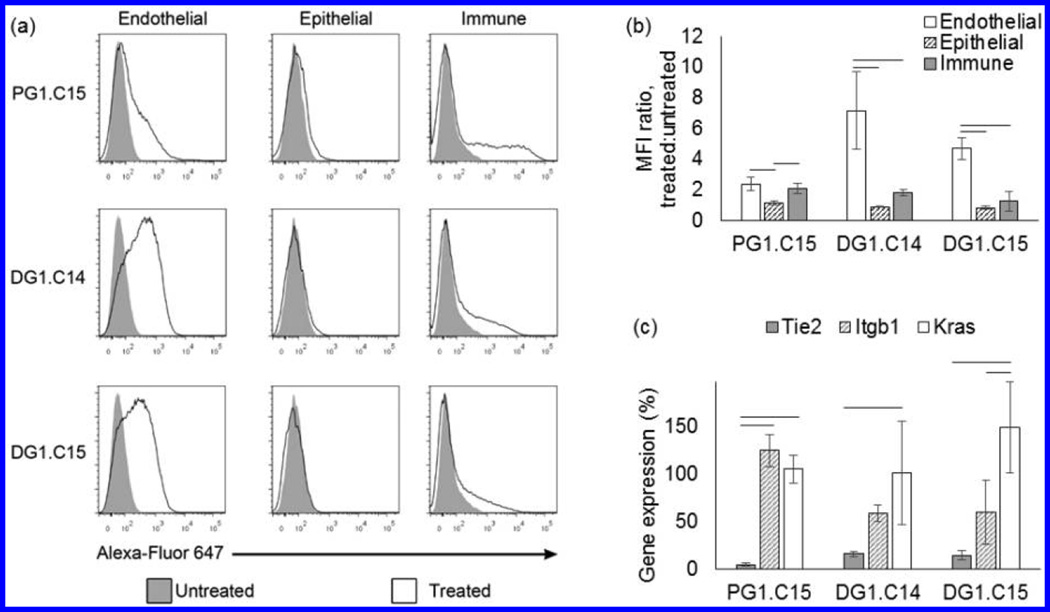
Targeted RNA delivery to lung endothelial cells has the potential to treat conditions that involve inflammation, such as chronic asthma and obstructive pulmonary disease. To this end, chemically modified dendrimer nanomaterials were synthesized and optimized for targeted small interfering RNA (siRNA) delivery to lung vasculature. Using a combinatorial approach, the free amines on multigenerational poly(amido amine) and poly(propylenimine) dendrimers were substituted with alkyl chains of increasing length. The top performing materials from in vivo screens were found to primarily target Tie2-expressing lung endothelial cells. At high doses, the dendrimer-lipid derivatives did not cause chronic increases in proinflammatory cytokines, and animals did not suffer weight loss due to toxicity. We believe these materials have potential as agents for the pulmonary delivery of RNA therapeutics.
将RNA靶向递送至肺内皮细胞具有治疗包括慢性哮喘和慢性阻塞性肺疾病在内的炎症相关病症的潜力。为此,合成并优化了化学修饰的树枝状大分子纳米材料,用于将靶向小干扰RNA(siRNA)递送至肺血管系统。采用组合方法,用长度不断增加的烷基链取代多代聚(酰胺胺)和聚(丙烯亚胺)树枝状大分子上的游离胺。体内筛选中表现最佳的材料主要靶向表达Tie2的肺内皮细胞。在高剂量下,树枝状大分子-脂质衍生物不会导致促炎细胞因子长期增加,并且动物不会因毒性而体重减轻。我们认为这些材料有潜力作为RNA治疗药物肺部递送的载体。