Weinheimer-Haus Eileen M, Mirza Rita E, Koh Timothy J
Department of Kinesiology and Nutrition, University of Illinois at Chicago, Chicago, Illinois, United States of America; Center for Wound Healing and Tissue Regeneration, University of Illinois at Chicago, Chicago, Illinois, United States of America.
Department of Kinesiology and Nutrition, University of Illinois at Chicago, Chicago, Illinois, United States of America.
PLoS One. 2015 Mar 20;10(3):e0119106. doi: 10.1371/journal.pone.0119106. eCollection 2015.
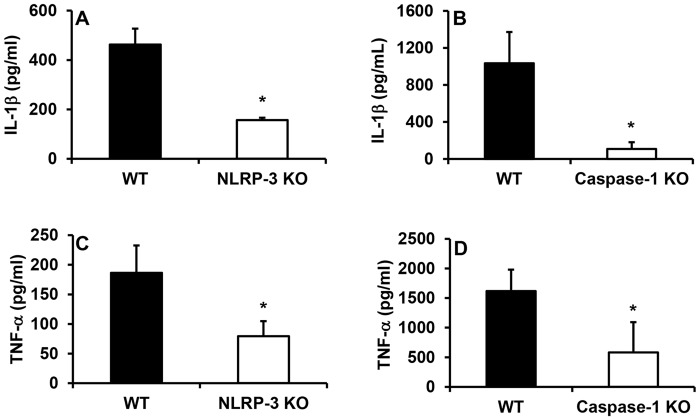
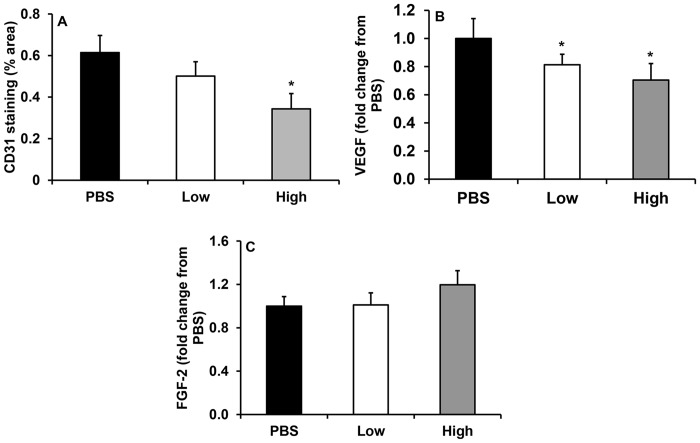
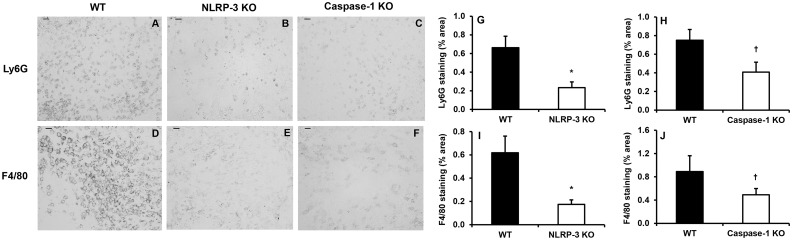
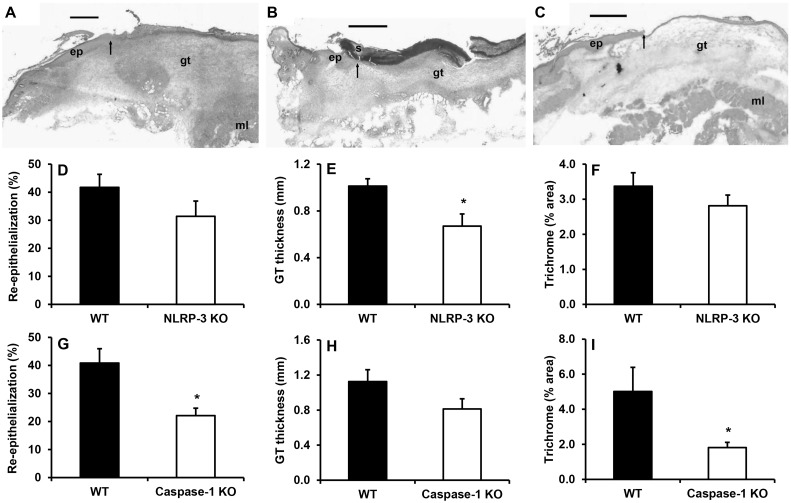
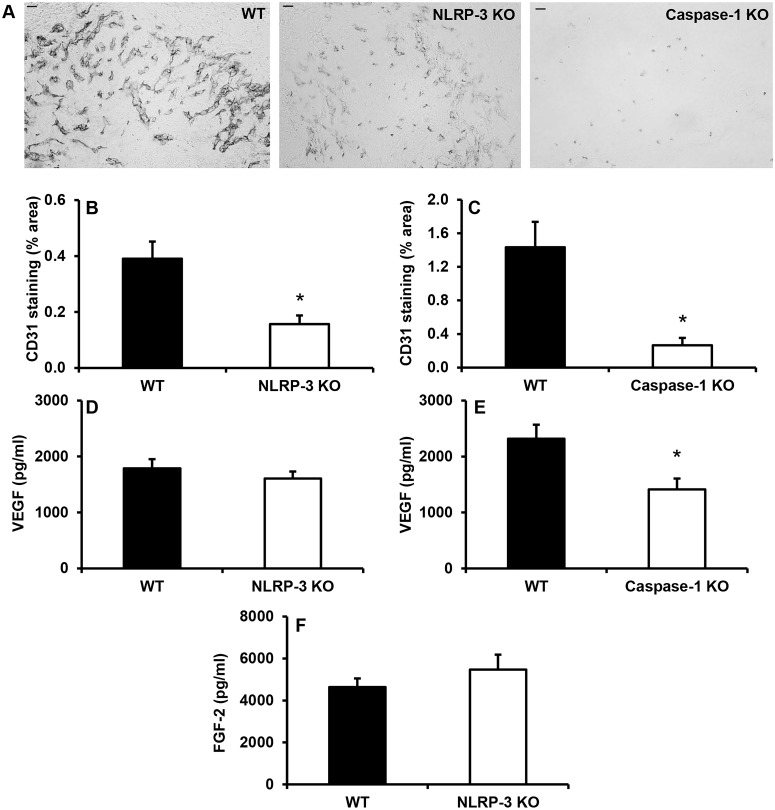
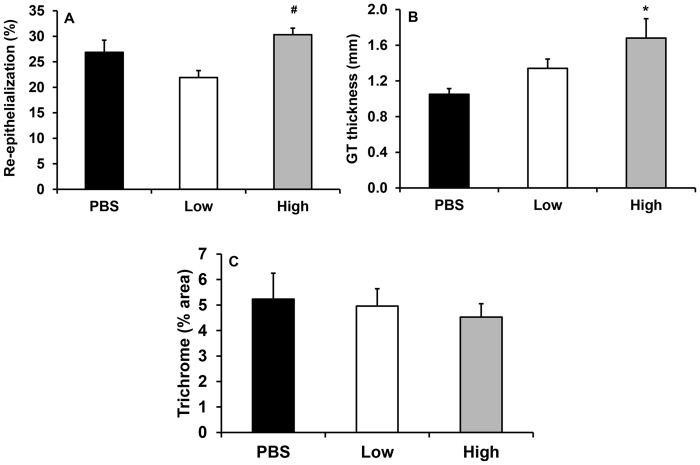
The Nod-like receptor protein (NLRP)-3 inflammasome/IL-1β pathway is involved in the pathogenesis of various inflammatory skin diseases, but its biological role in wound healing remains to be elucidated. Since inflammation is typically thought to impede healing, we hypothesized that loss of NLRP-3 activity would result in a downregulated inflammatory response and accelerated wound healing. NLRP-3 null mice, caspase-1 null mice and C57Bl/6 wild type control mice (WT) received four 8 mm excisional cutaneous wounds; inflammation and healing were assessed during the early stage of wound healing. Consistent with our hypothesis, wounds from NLRP-3 null and caspase-1 null mice contained lower levels of the pro-inflammatory cytokines IL-1β and TNF-α compared to WT mice and had reduced neutrophil and macrophage accumulation. Contrary to our hypothesis, re-epithelialization, granulation tissue formation, and angiogenesis were delayed in NLRP-3 null mice and caspase-1 null mice compared to WT mice, indicating that NLRP-3 signaling is important for early events in wound healing. Topical treatment of excisional wounds with recombinant IL-1β partially restored granulation tissue formation in wounds of NLRP-3 null mice, confirming the importance of NLRP-3-dependent IL-1β production during early wound healing. Despite the improvement in healing, angiogenesis and levels of the pro-angiogenic growth factor VEGF were further reduced in IL-1β treated wounds, suggesting that IL-1β has a negative effect on angiogenesis and that NLRP-3 promotes angiogenesis in an IL-1β-independent manner. These findings indicate that the NLRP-3 inflammasome contributes to the early inflammatory phase following skin wounding and is important for efficient healing.
核苷酸结合寡聚化结构域样受体蛋白(NLRP)-3炎性小体/白细胞介素-1β通路参与多种炎性皮肤病的发病机制,但其在伤口愈合中的生物学作用仍有待阐明。由于炎症通常被认为会阻碍愈合,我们推测NLRP-3活性丧失会导致炎症反应下调并加速伤口愈合。NLRP-3基因敲除小鼠、半胱天冬酶-1基因敲除小鼠和C57Bl/6野生型对照小鼠(WT)接受四个8毫米的皮肤切除伤口;在伤口愈合早期评估炎症和愈合情况。与我们的假设一致,与WT小鼠相比,NLRP-3基因敲除和半胱天冬酶-1基因敲除小鼠伤口中的促炎细胞因子白细胞介素-1β和肿瘤坏死因子-α水平较低,中性粒细胞和巨噬细胞的积聚减少。与我们的假设相反,与WT小鼠相比,NLRP-3基因敲除小鼠和半胱天冬酶-1基因敲除小鼠的再上皮化、肉芽组织形成和血管生成延迟,表明NLRP-3信号对于伤口愈合的早期事件很重要。用重组白细胞介素-1β局部治疗切除伤口可部分恢复NLRP-3基因敲除小鼠伤口中的肉芽组织形成,证实了早期伤口愈合过程中NLRP-3依赖性白细胞介素-1β产生的重要性。尽管愈合有所改善,但白细胞介素-1β处理的伤口中的血管生成和促血管生成生长因子VEGF水平进一步降低,表明白细胞介素-1β对血管生成有负面影响,且NLRP-3以白细胞介素-1β非依赖性方式促进血管生成。这些发现表明,NLRP-3炎性小体有助于皮肤受伤后的早期炎症阶段,对有效愈合很重要。