Gagliardi Rosa, Llambí Silvia, Arruga M Victoria
Genetic Area, Faculty of Veterinary, University of La República, Montevideo, C.P. 11600, Uruguay.
J Vet Sci. 2015;16(3):273-80. doi: 10.4142/jvs.2015.16.3.273. Epub 2015 Mar 20.
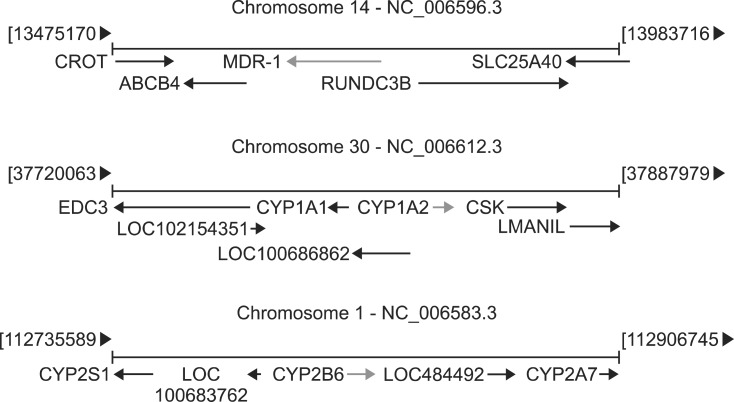
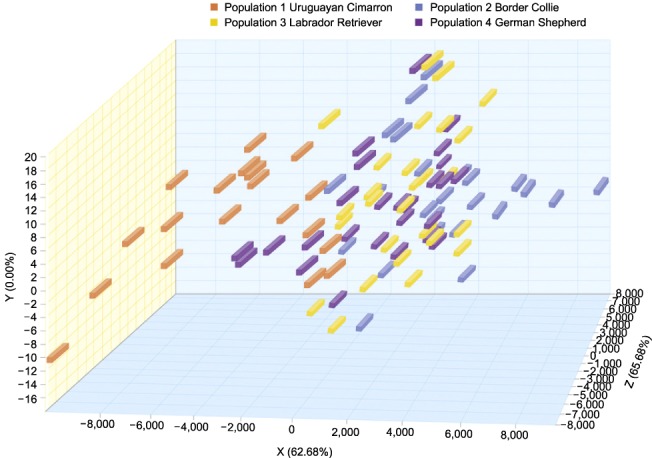
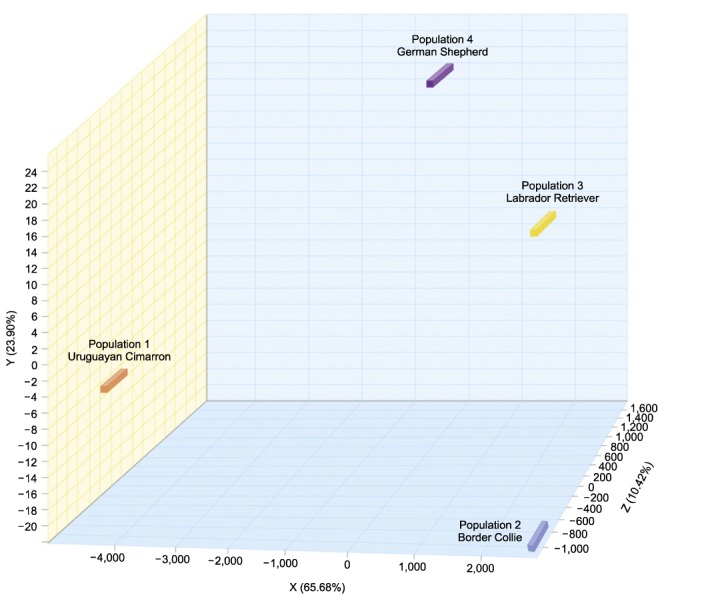
The fields of pharmacogenetics and pharmacogenomics have become increasingly promising regarding the clinical application of genetic data to aid in prevention of adverse reactions. Specific screening tests can predict which animals express modified proteins or genetic sequences responsible for adverse effects associated with a drug. Among the genetic variations that have been investigated in dogs, the multidrug resistance gene (MDR) is the best studied. However, other genes such as CYP1A2 and CYP2B11 control the protein syntheses involved in the metabolism of many drugs. In the present study, the MDR-1, CYP1A2 and CYP2B11 genes were examined to identify SNP polymorphisms associated with these genes in the following four canine breeds: Uruguayan Cimarron, Border Collie, Labrador Retriever and German Shepherd. The results revealed that several SNPs of the CYP1A2 and CYP2B11 genes are potential targets for drug sensitivity investigations.
药物遗传学和药物基因组学领域在将遗传数据应用于临床以帮助预防不良反应方面越来越有前景。特定的筛查测试可以预测哪些动物表达与药物相关不良反应有关的修饰蛋白或基因序列。在犬类中研究过的基因变异中,多药耐药基因(MDR)是研究得最充分的。然而,其他基因如CYP1A2和CYP2B11控制着许多药物代谢中涉及的蛋白质合成。在本研究中,检测了MDR-1、CYP1A2和CYP2B11基因,以确定在乌拉圭西马龙犬、边境牧羊犬、拉布拉多寻回犬和德国牧羊犬这四个犬种中与这些基因相关的单核苷酸多态性(SNP)。结果表明,CYP1A2和CYP2B11基因的几个SNP是药物敏感性研究的潜在靶点。