Wasalathanthri Dhanuka P, Li Dandan, Song Donghui, Zheng Zhifang, Choudhary Dharamainder, Jansson Ingela, Lu Xiuling, Schenkman John B, Rusling James F
Department of Chemistry, University of Connecticut, Storrs, Connecticut 06269, United States National University of Ireland at Galway, Ireland.
Department of Pharmaceutical Sciences, University of Connecticut, Storrs, Connecticut 06269, United States.
Chem Sci. 2015;6(4):2457-2468. doi: 10.1039/C4SC03401E.
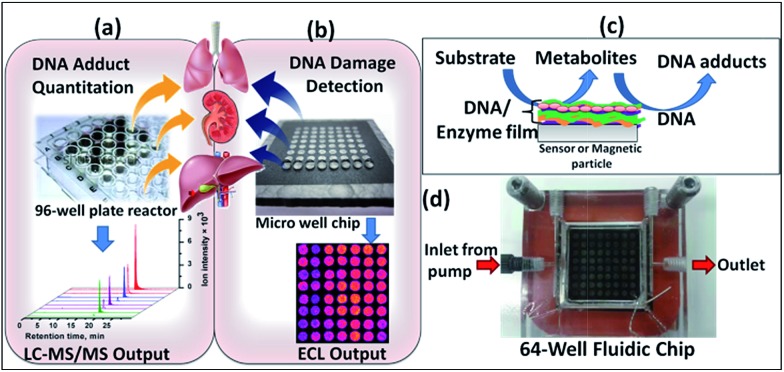
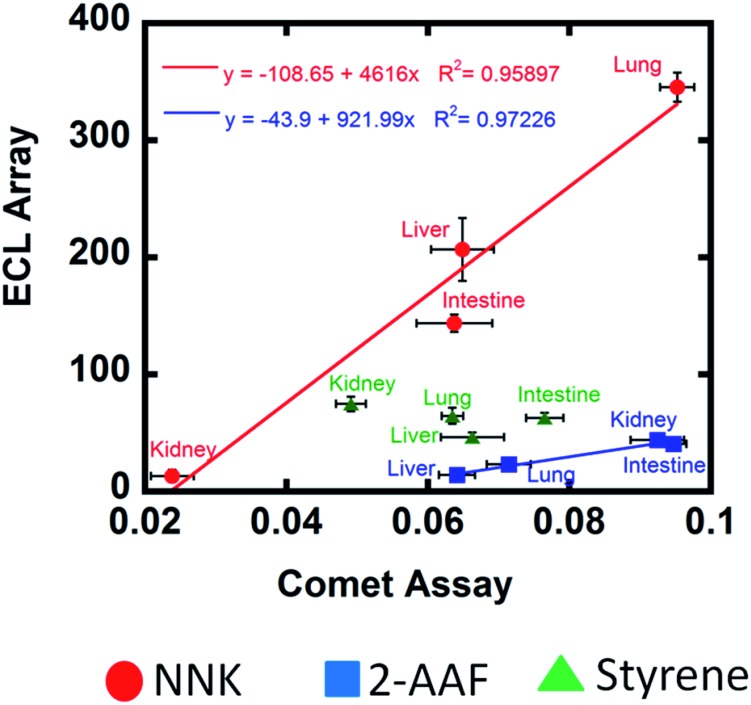
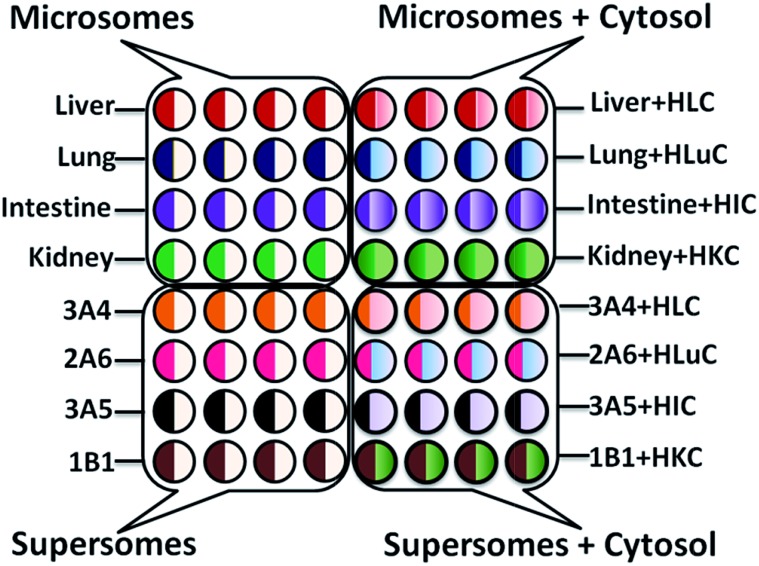
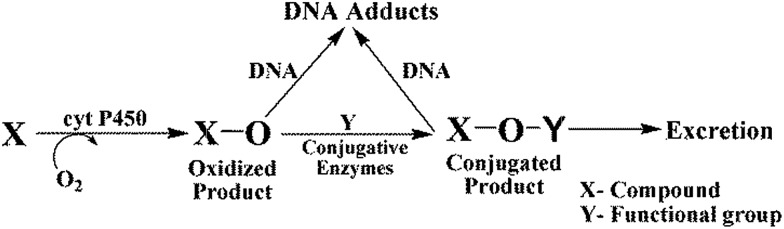
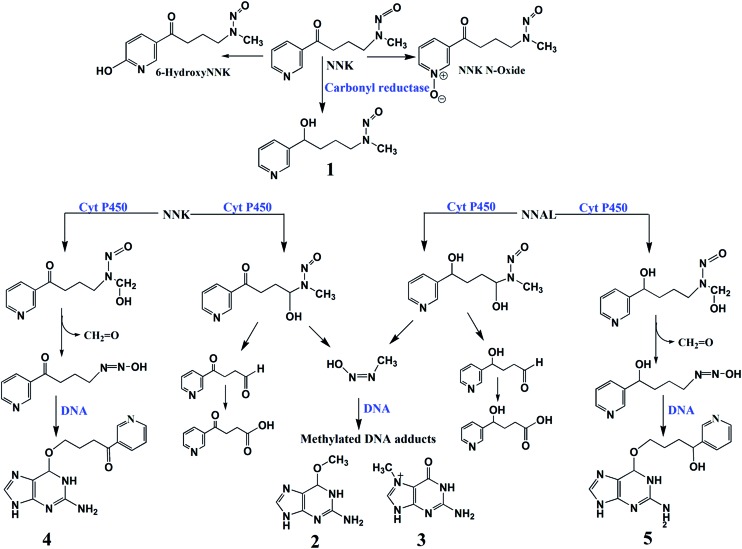
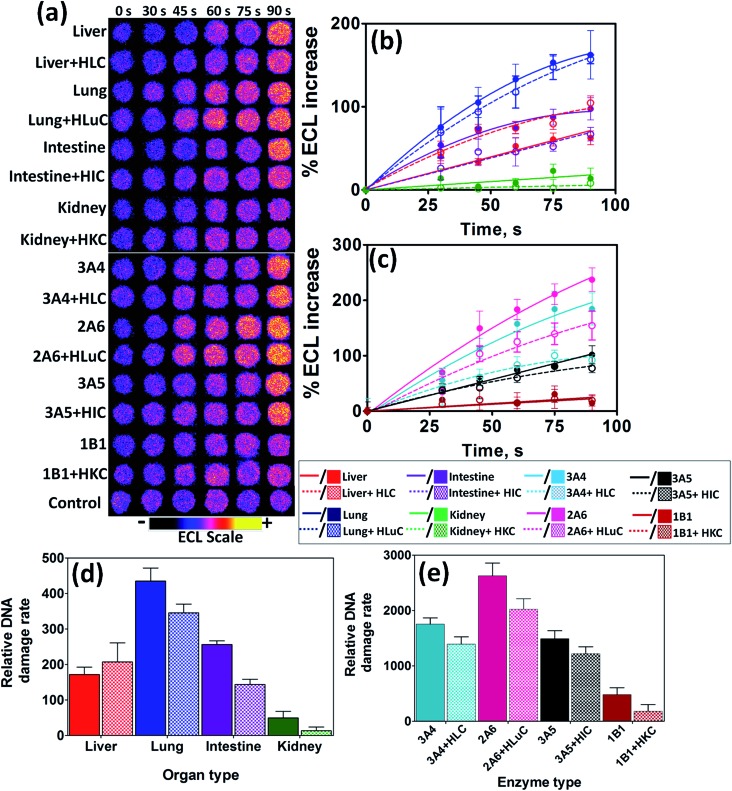
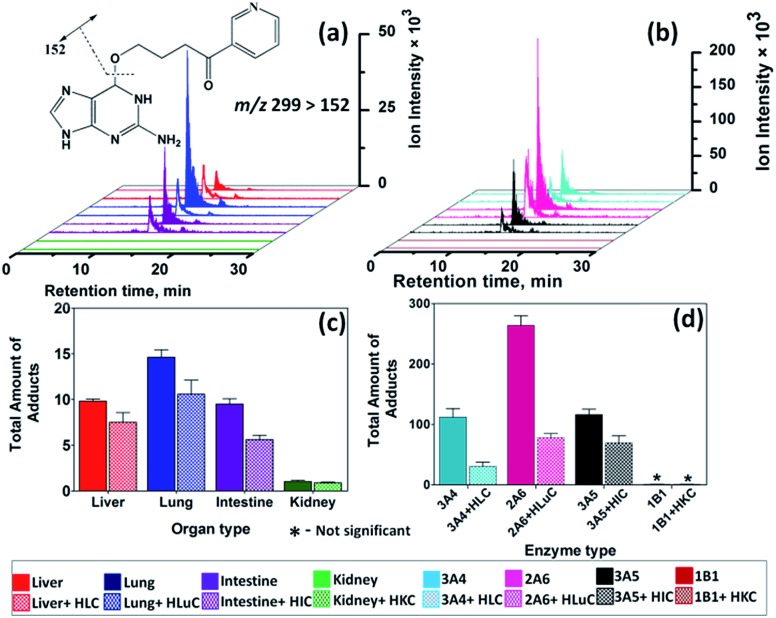
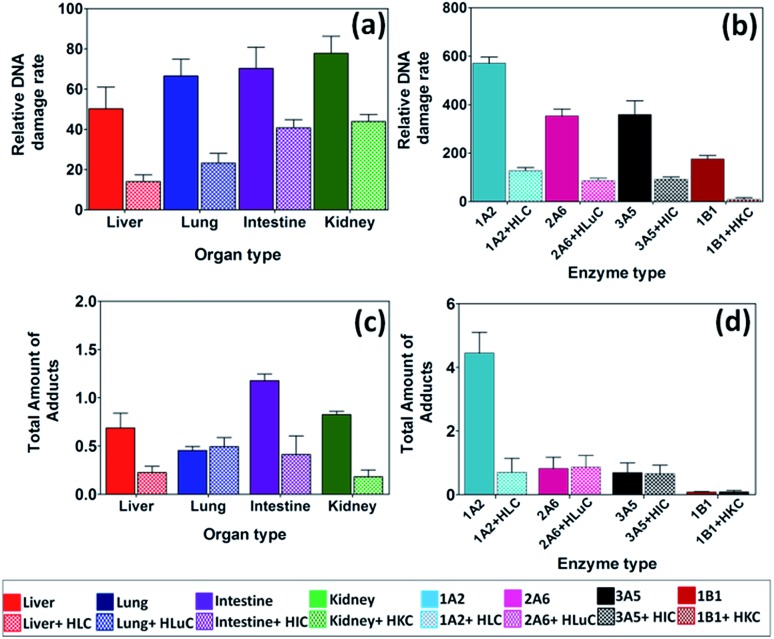
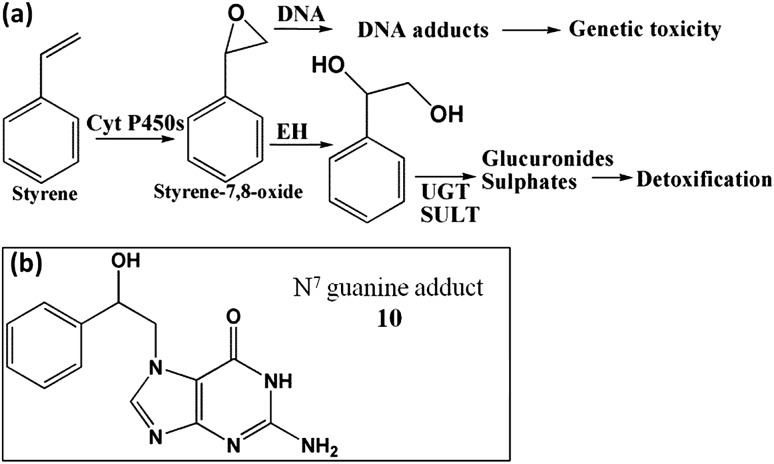
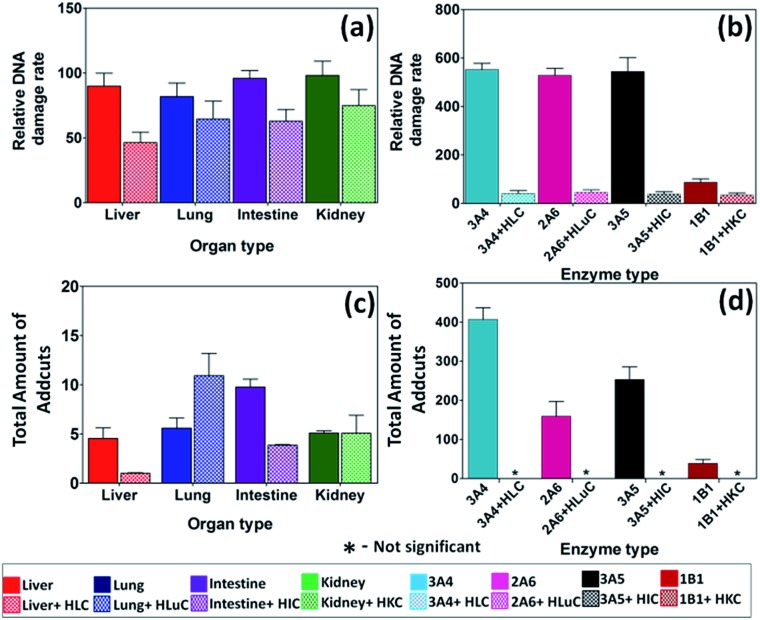
Human toxic responses are very often related to metabolism. Liver metabolism is traditionally studied, but other organs also convert chemicals and drugs to reactive metabolites leading to toxicity. When DNA damage is found, the effects are termed Here we describe a comprehensive new approach to evaluate chemical genotoxicity pathways from metabolites formed in-situ by a broad spectrum of liver, lung, kidney and intestinal enzymes. DNA damage rates are measured with a microfluidic array featuring a 64-nanowell chip to facilitate fabrication of films of DNA, electrochemiluminescent (ECL) detection polymer [Ru(bpy)(PVP)] {(PVP = poly(4-vinylpyridine)} and metabolic enzymes. First, multiple enzyme reactions are run on test compounds using the array, then ECL light related to the resulting DNA damage is measured. A companion method next facilitates reaction of target compounds with DNA/enzyme-coated magnetic beads in 96 well plates, after which DNA is hydrolyzed and nucleobase-metabolite adducts are detected by LC-MS/MS. The same organ enzymes are used as in the arrays. Outcomes revealed nucleobase adducts from DNA damage, enzymes responsible for reactive metabolites (e.g. cyt P450s), influence of bioconjugation, relative dynamics of enzymes suites from different organs, and pathways of possible genotoxic chemistry. Correlations between DNA damage rates from the cell-free array and organ-specific cell-based DNA damage were found. Results illustrate the power of the combined DNA/enzyme microarray/LC-MS/MS approach to efficiently explore a broad spectrum of organ-specific metabolic genotoxic pathways for drugs and environmental chemicals.
人类的毒性反应常常与新陈代谢有关。传统上对肝脏代谢进行研究,但其他器官也会将化学物质和药物转化为具有毒性的反应性代谢物。当发现DNA损伤时,这种效应被称为……在此,我们描述了一种全新的综合方法,用于评估由肝脏、肺、肾和肠道等多种酶原位生成的代谢物所引发的化学基因毒性途径。使用具有64个纳升孔芯片的微流控阵列测量DNA损伤率,以方便制备DNA膜、电化学发光(ECL)检测聚合物[Ru(bpy)(PVP)]{(PVP = 聚(4-乙烯基吡啶)}和代谢酶。首先,使用该阵列对测试化合物进行多个酶反应,然后测量与由此产生的DNA损伤相关的ECL光。接下来,一种配套方法便于目标化合物与96孔板中包被有DNA/酶的磁珠发生反应,之后将DNA水解,并通过液相色谱-串联质谱法(LC-MS/MS)检测核碱基-代谢物加合物。使用与阵列中相同的器官酶。结果揭示了DNA损伤产生的核碱基加合物、负责生成反应性代谢物的酶(如细胞色素P450)、生物共轭的影响、不同器官酶组的相对动力学以及可能的基因毒性化学途径。发现了无细胞阵列的DNA损伤率与器官特异性细胞DNA损伤之间的相关性。结果表明,DNA/酶微阵列与LC-MS/MS相结合的方法能够有效地探索药物和环境化学物质广泛的器官特异性代谢基因毒性途径。