Pore D, Bodo J, Danda A, Yan D, Phillips J G, Lindner D, Hill B T, Smith M R, Hsi E D, Gupta N
Department of Immunology, Lerner Research Institute, Cleveland Clinic, Cleveland, OH, USA.
Department of Clinical Pathology, Institute of Pathology and Laboratory Medicine, Cleveland Clinic, Cleveland, OH, USA.
Leukemia. 2015 Sep;29(9):1857-67. doi: 10.1038/leu.2015.86. Epub 2015 Mar 24.
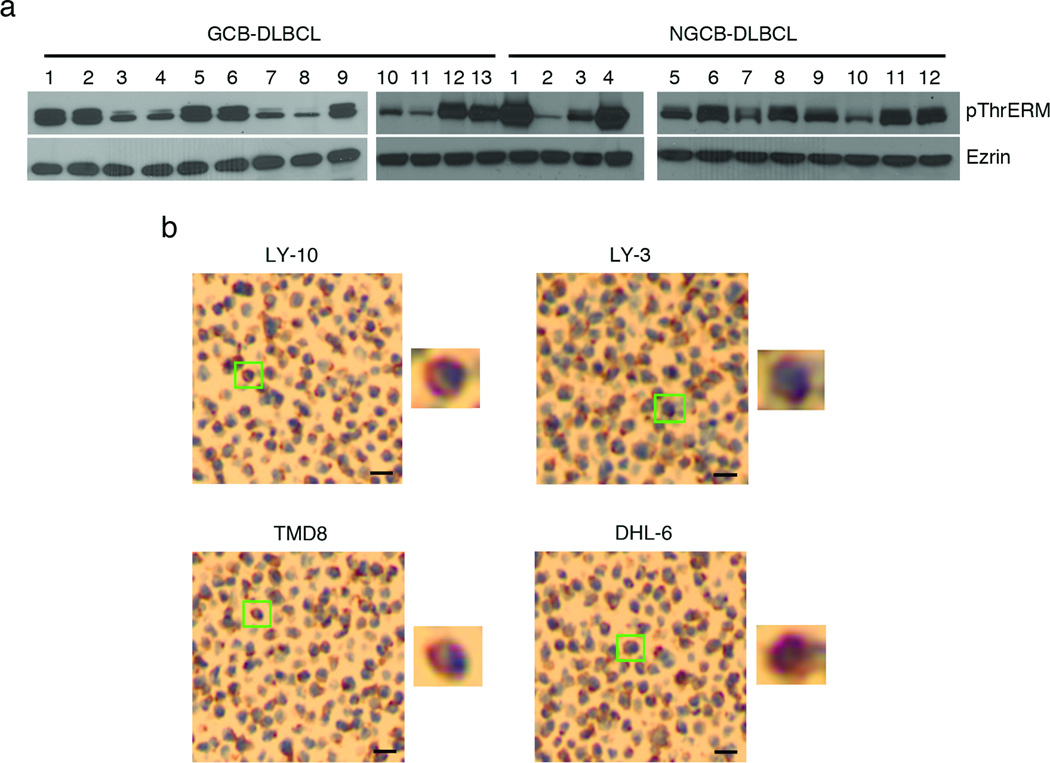
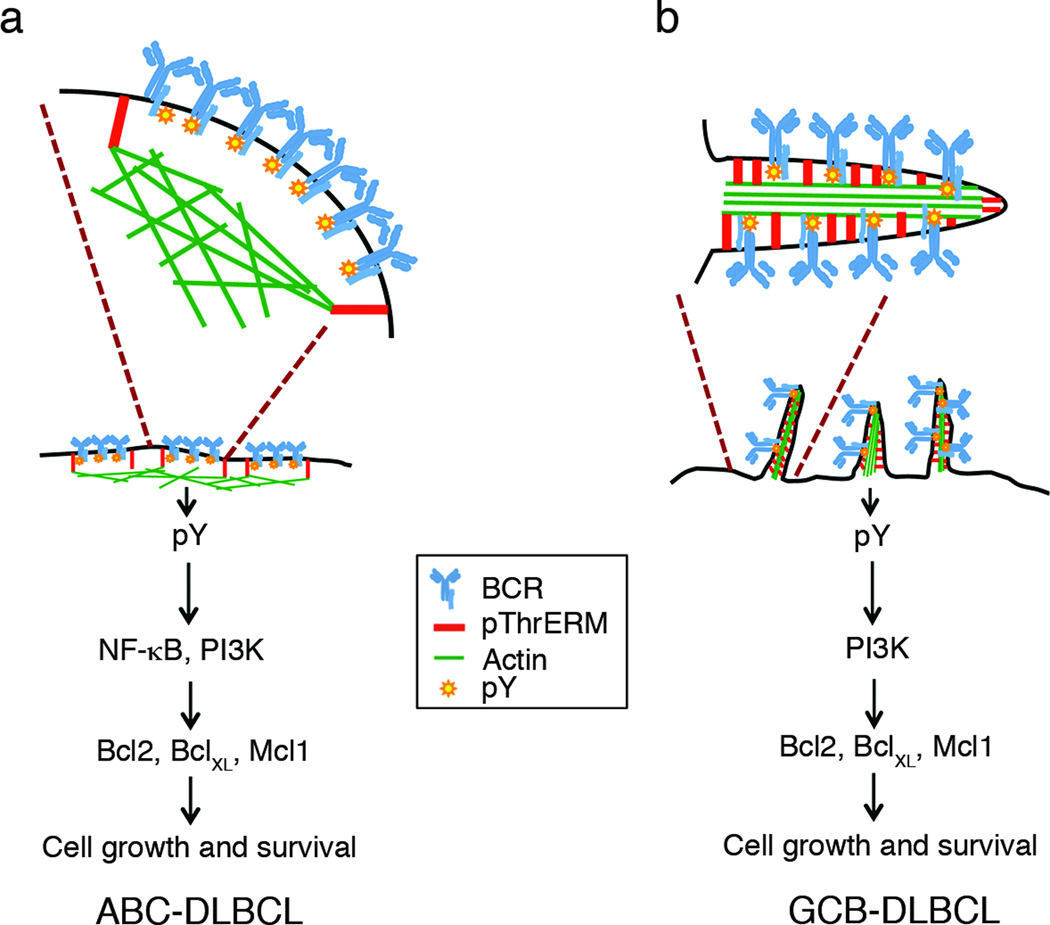
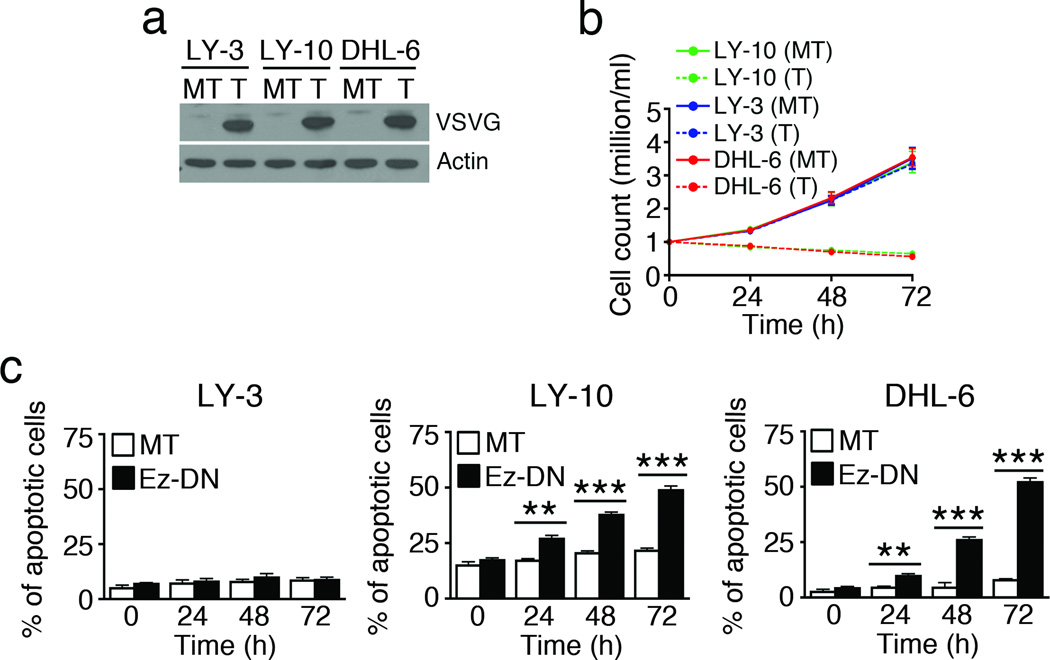
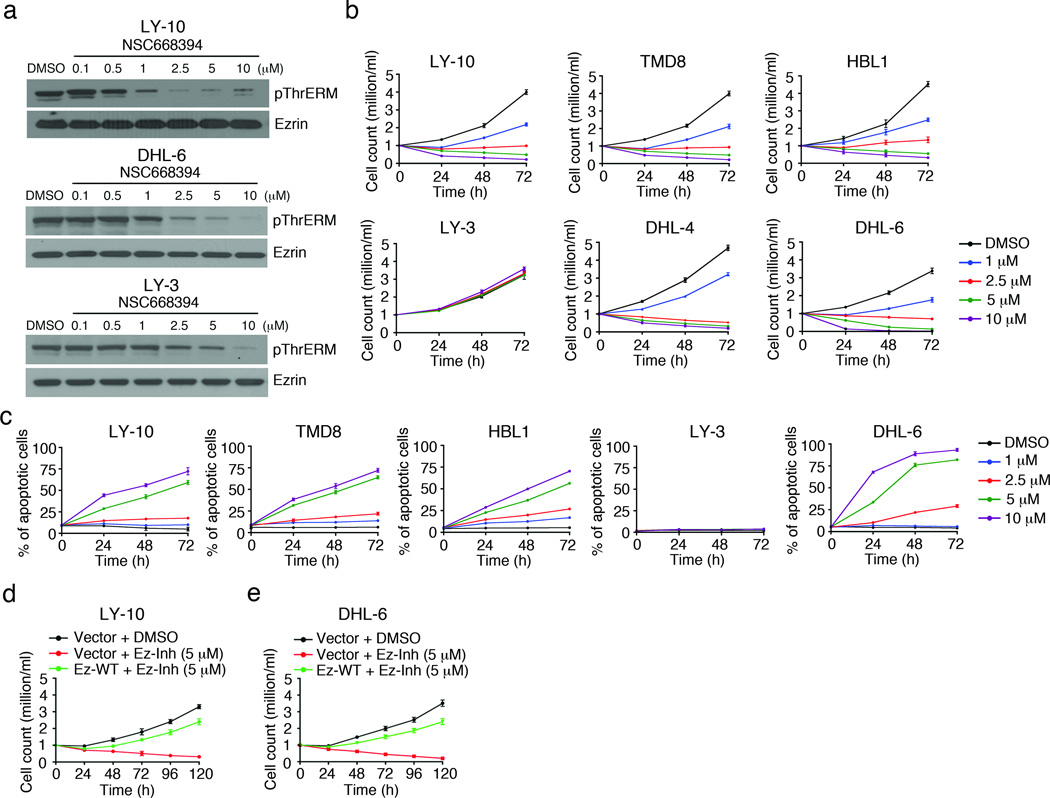
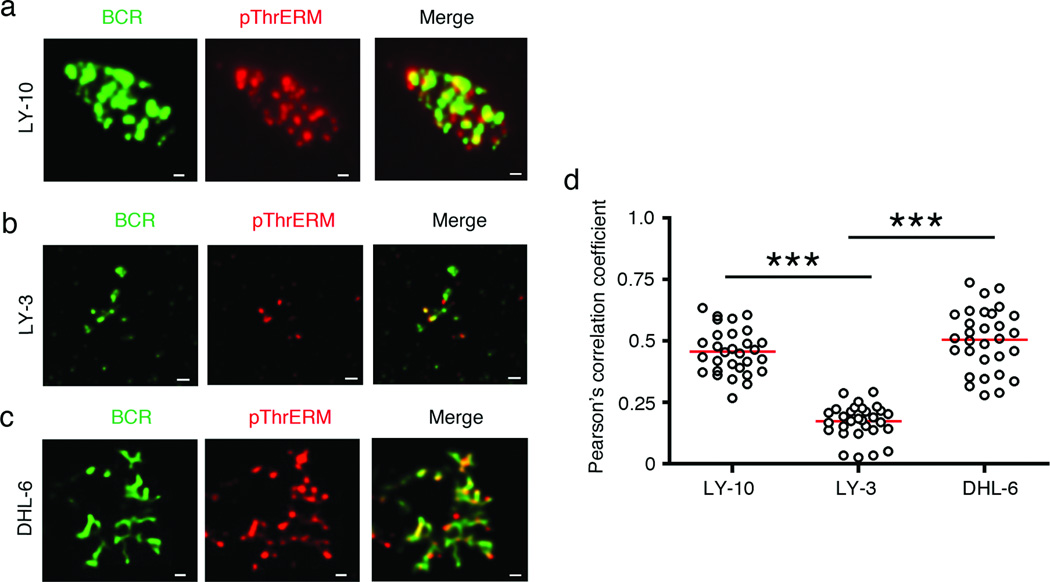
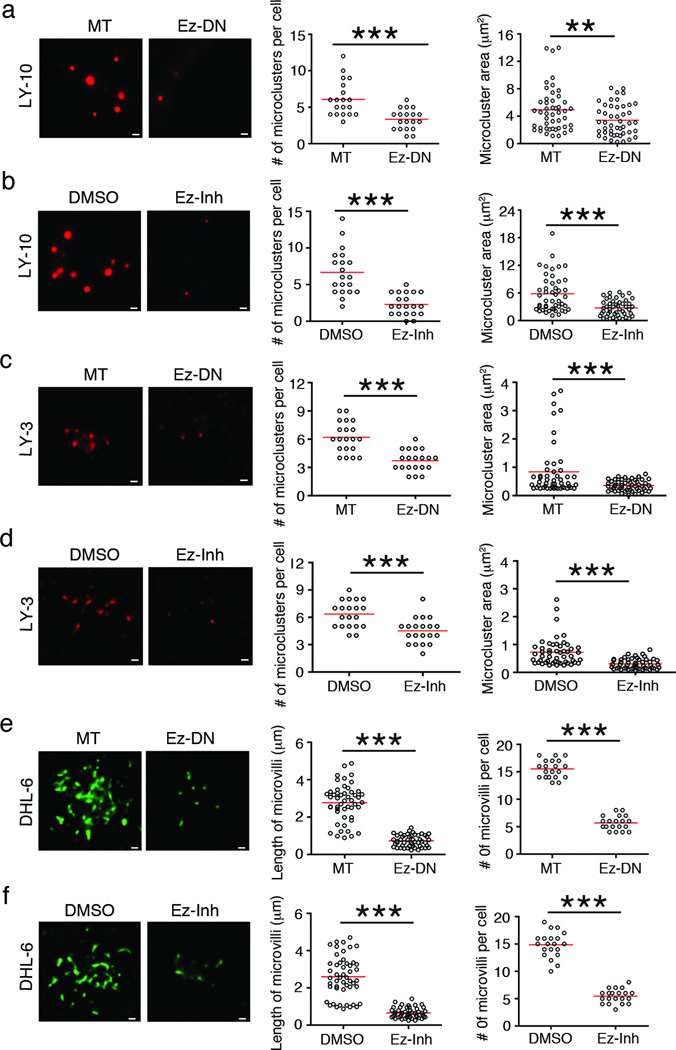
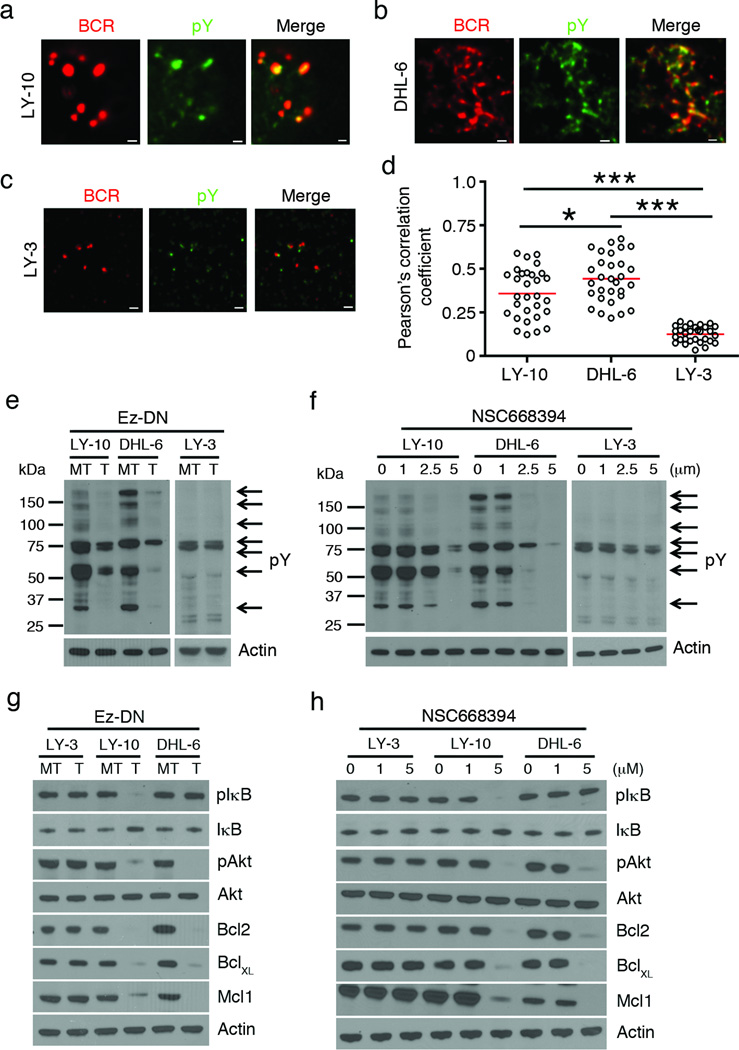
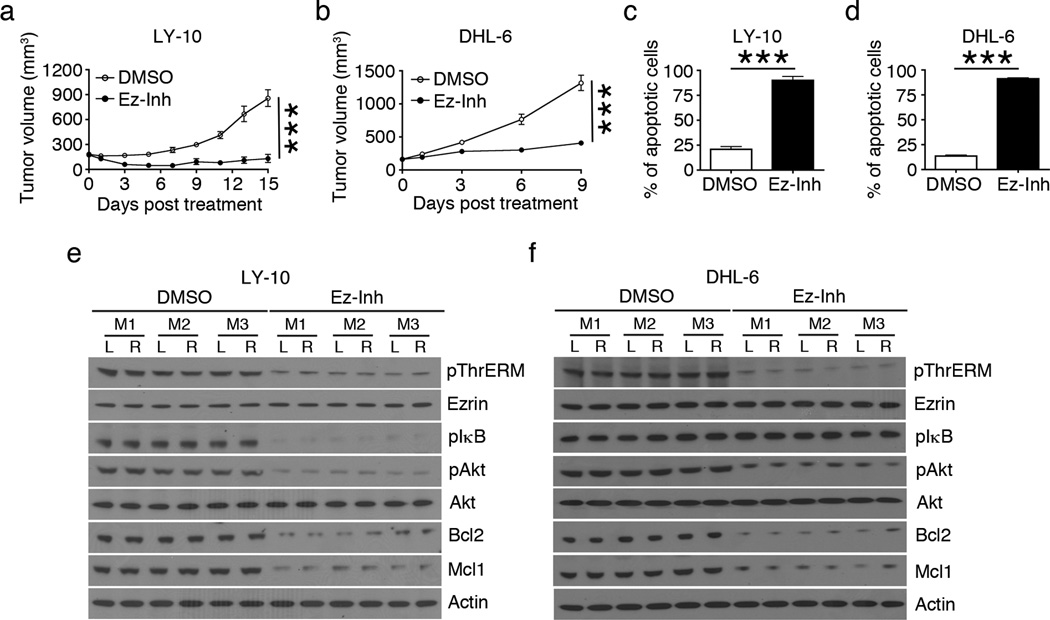
Diffuse large B-cell lymphoma (DLBCL) is a hematological cancer associated with an aggressive clinical course. The predominant subtypes of DLBCL display features of chronic or tonic B-cell antigen receptor (BCR) signaling. However, it is not known whether the spatial organization of the BCR contributes to the regulation of pro-survival signaling pathways and cell growth. Here, we show that primary DLBCL tumors and patient-derived DLBCL cell lines contain high levels of phosphorylated Ezrin-Radixin-Moesin (ERM) proteins. The surface BCRs in both activated B cell and germinal B cell subtype DLBCL cells co-segregate with phosphoERM suggesting that the cytoskeletal network may support localized BCR signaling and contribute to pathogenesis. Indeed, ablation of membrane-cytoskeletal linkages by dominant-negative mutants, pharmacological inhibition and knockdown of ERM proteins disrupted cell surface BCR organization, inhibited proximal and distal BCR signaling, and reduced the growth of DLBCL cell lines. In vivo administration of the ezrin inhibitor retarded the growth of DLBCL tumor xenografts, concomitant with reduction in intratumor phosphoERM levels, dampened pro-survival signaling and induction of apoptosis. Our results reveal a novel ERM-based spatial mechanism that is coopted by DLBCL cells to sustain tumor cell growth and survival.
弥漫性大B细胞淋巴瘤(DLBCL)是一种与侵袭性临床病程相关的血液系统癌症。DLBCL的主要亚型表现出慢性或持续性B细胞抗原受体(BCR)信号传导的特征。然而,尚不清楚BCR的空间组织是否有助于调节促生存信号通路和细胞生长。在此,我们表明原发性DLBCL肿瘤和患者来源的DLBCL细胞系含有高水平的磷酸化埃兹蛋白-根蛋白-膜突蛋白(ERM)。活化B细胞和生发中心B细胞亚型DLBCL细胞中的表面BCR与磷酸化ERM共分离,表明细胞骨架网络可能支持局部BCR信号传导并促进发病机制。实际上,显性负性突变体、药物抑制和ERM蛋白敲低对膜-细胞骨架连接的消融破坏了细胞表面BCR的组织,抑制了近端和远端BCR信号传导,并降低了DLBCL细胞系的生长。埃兹蛋白抑制剂的体内给药延缓了DLBCL肿瘤异种移植的生长,同时肿瘤内磷酸化ERM水平降低,促生存信号减弱并诱导细胞凋亡。我们的结果揭示了一种基于ERM的新空间机制,DLBCL细胞利用该机制维持肿瘤细胞的生长和存活。