Yang Erfang, Liu Na, Tang Yingxin, Hu Yang, Zhang Ping, Pan Chao, Dong Shasha, Zhang Youping, Tang Zhouping
Department of Neurology, Tongji Hospital, Tongji Medical College, Huazhong University of Science and Technology, Wuhan, Hubei 430030, China.
Biomed Res Int. 2015;2015:743714. doi: 10.1155/2015/743714. Epub 2015 Feb 26.
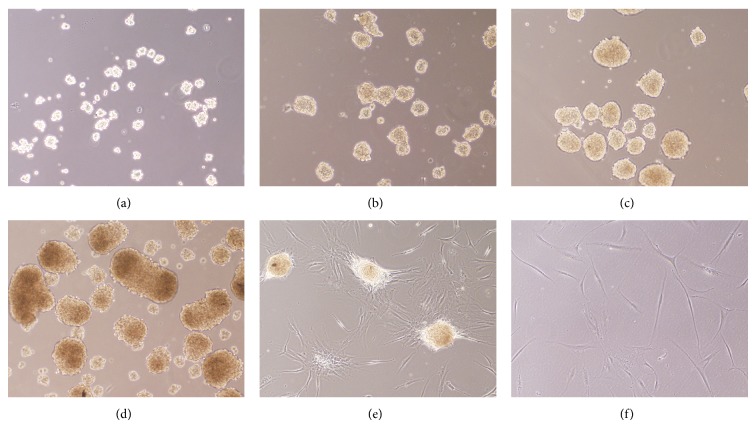
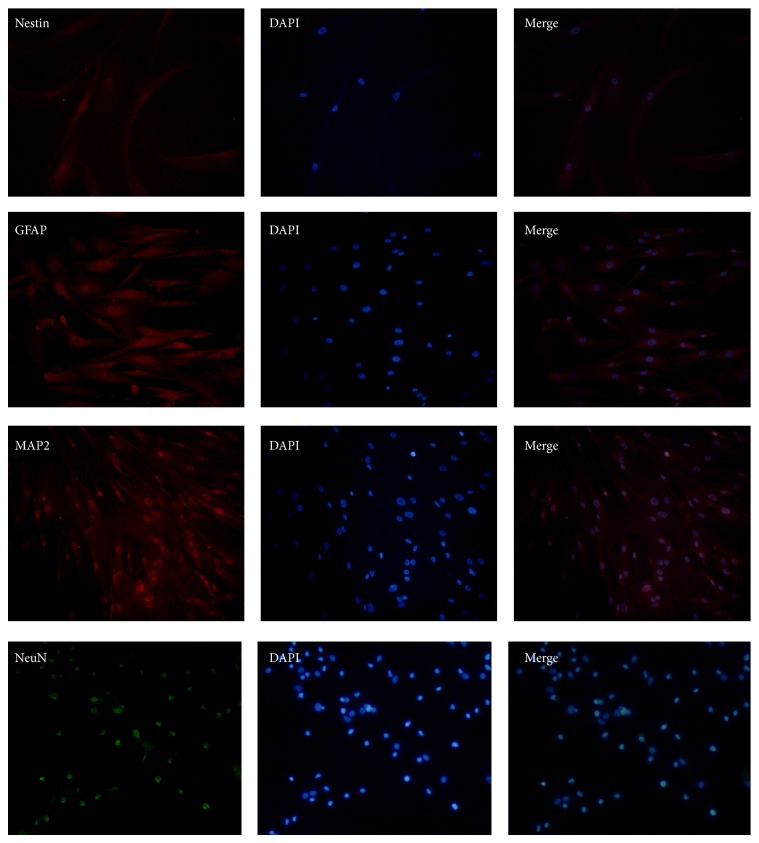
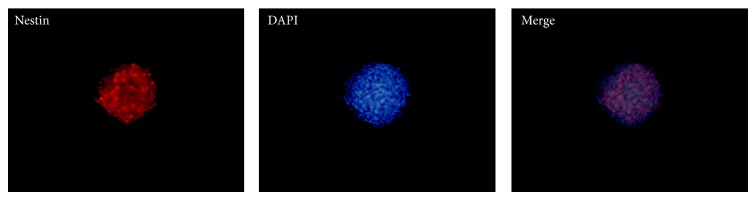
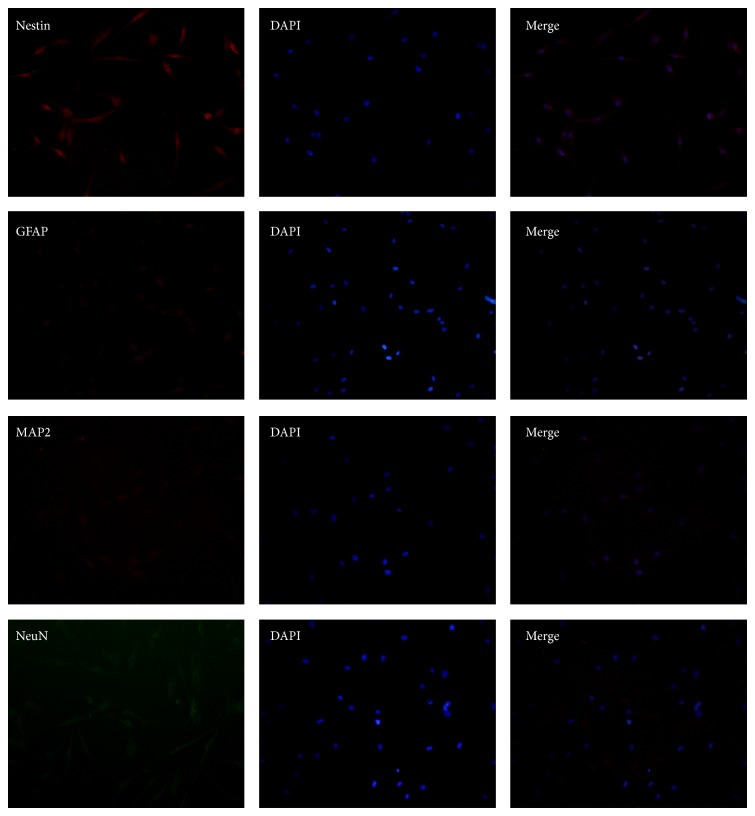
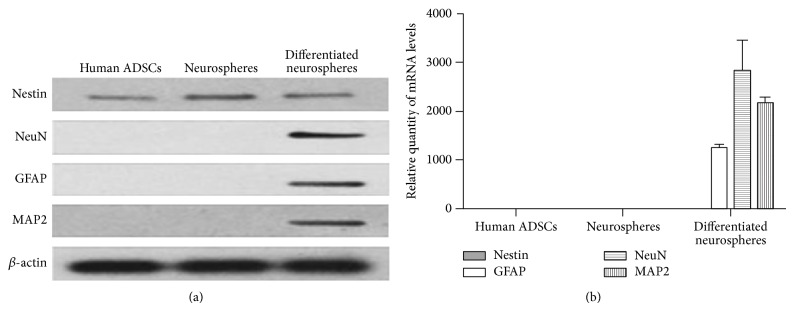
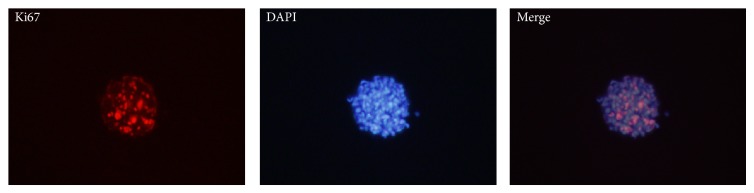
Transplantation of neural stem cells (NSCs) to treat neurodegenerative disease shows promise; however, the clinical application of NSCs is limited by the invasive procurement and ethical concerns. Adipose-derived stem cells (ADSCs) are a source of multipotent stem cells that can self-renew and differentiate into various kinds of cells; this study intends to generate neurospheres from human ADSCs by culturing ADSCs on uncoated culture flasks in serum-free neurobasal medium supplemented with B27, basic fibroblast growth factor (bFGF), and epidermal growth factor (EGF); the ADSCs-derived neurospheres were terminally differentiated after growth factor withdrawal. Expression of Nestin, NeuN, MAP2, and GFAP in ADSCs and terminally differentiated neurospheres was shown by quantitative reverse transcription-polymerase chain reaction (qRT-PCR), western blotting, and immunocytochemistry; cell proliferation in neurospheres was evaluated by cell cycle analyses, immunostaining, and flow cytometry. These data strongly support the conclusion that human ADSCs can successfully differentiate into neurospheres efficiently on uncoated culture flasks, which present similar molecular marker pattern and proliferative ability with NSCs derived from embryonic and adult brain tissues. Therefore, human ADSCs may be an ideal alternative source of stem cells for the treatment of neurodegenerative diseases.
移植神经干细胞(NSCs)治疗神经退行性疾病具有前景;然而,NSCs的临床应用受到侵入性获取和伦理问题的限制。脂肪来源干细胞(ADSCs)是一种多能干细胞来源,能够自我更新并分化为各种细胞;本研究旨在通过将ADSCs接种于未包被的培养瓶中,在添加了B27、碱性成纤维细胞生长因子(bFGF)和表皮生长因子(EGF)的无血清神经基础培养基中培养,从而从人ADSCs中生成神经球;在撤出生长因子后,使ADSCs来源的神经球终末分化。通过定量逆转录-聚合酶链反应(qRT-PCR)、蛋白质免疫印迹法和免疫细胞化学法检测Nestin、NeuN、MAP2和GFAP在ADSCs及终末分化神经球中的表达;通过细胞周期分析、免疫染色和流式细胞术评估神经球中的细胞增殖。这些数据有力地支持了以下结论:人ADSCs能够在未包被的培养瓶中成功且高效地分化为神经球,其呈现出与源自胚胎和成年脑组织的NSCs相似的分子标志物模式和增殖能力。因此,人ADSCs可能是治疗神经退行性疾病的理想干细胞替代来源。