Gao Xuelu, Zhuang Wen, Chen Chen-Tung Arthur, Zhang Yong
Key Laboratory of Coastal Environmental Processes and Ecological Remediation, Yantai Institute of Coastal Zone Research, Chinese Academy of Sciences, Yantai, Shandong, China; Department of Oceanography, National Sun Yat-Sen University, Kaohsiung, Taiwan.
Key Laboratory of Coastal Environmental Processes and Ecological Remediation, Yantai Institute of Coastal Zone Research, Chinese Academy of Sciences, Yantai, Shandong, China; College of City and Architecture Engineering, Zaozhuang University, Zaozhuang, Shandong, China.
PLoS One. 2015 Mar 27;10(3):e0122190. doi: 10.1371/journal.pone.0122190. eCollection 2015.
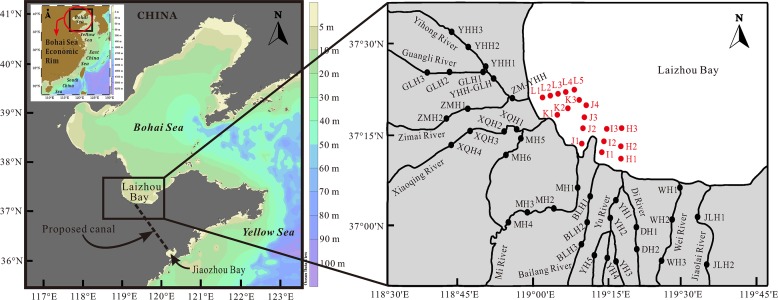
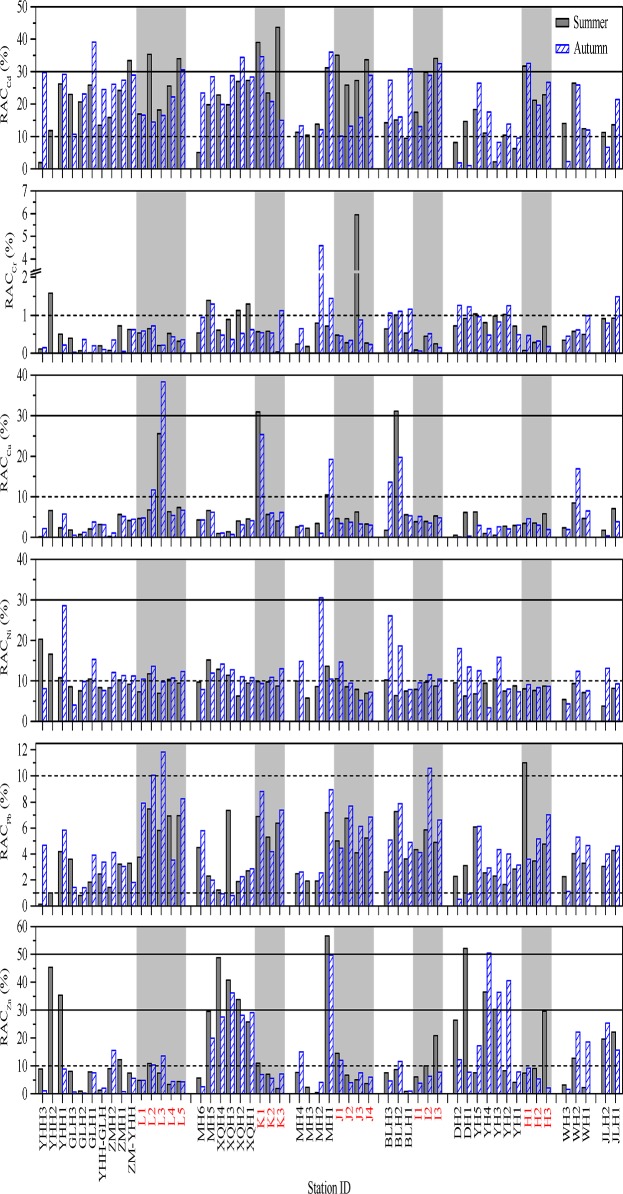
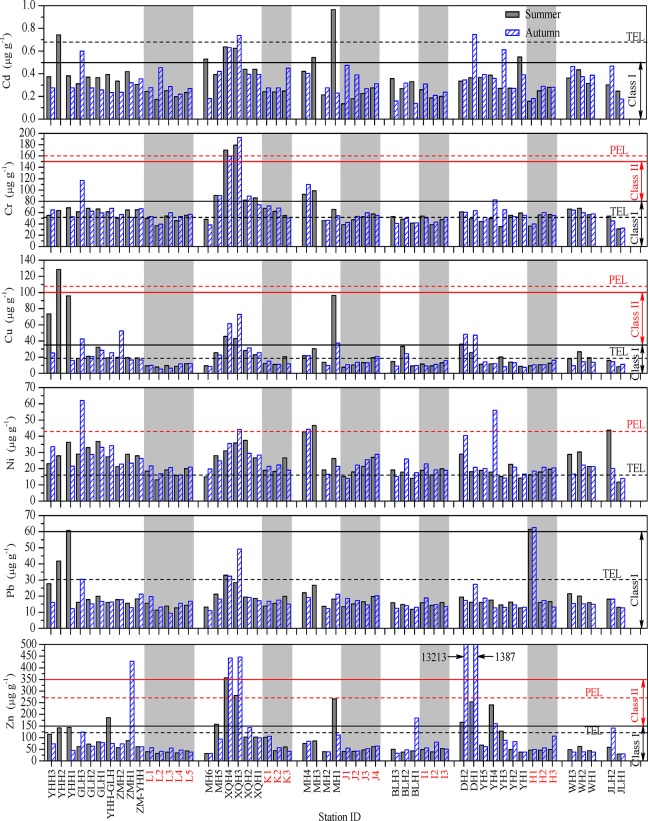
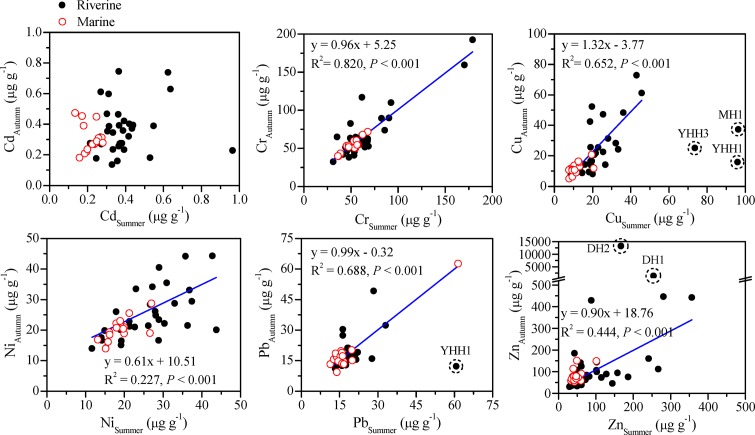
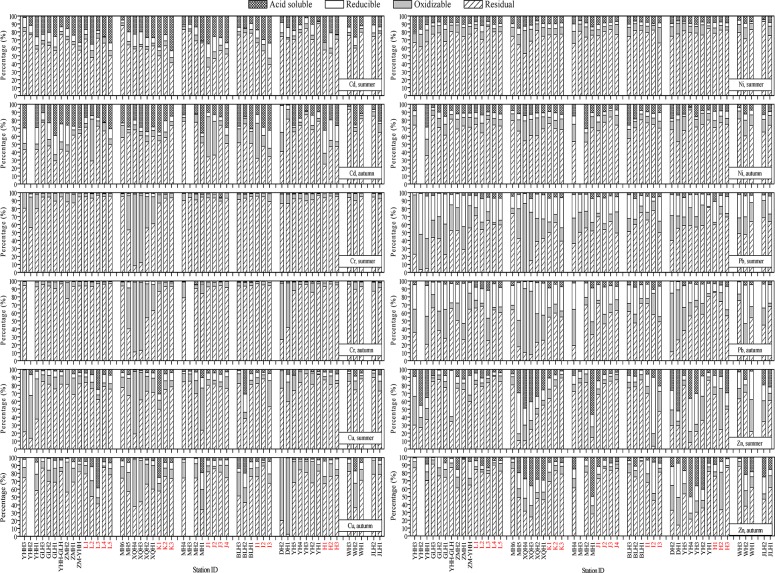
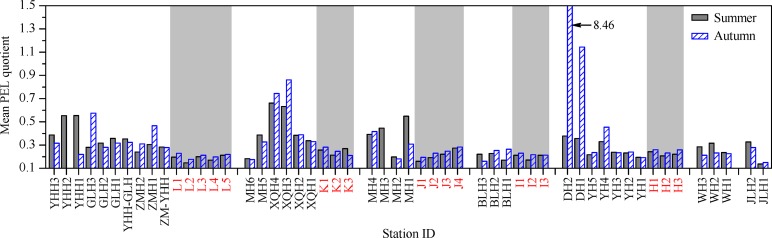
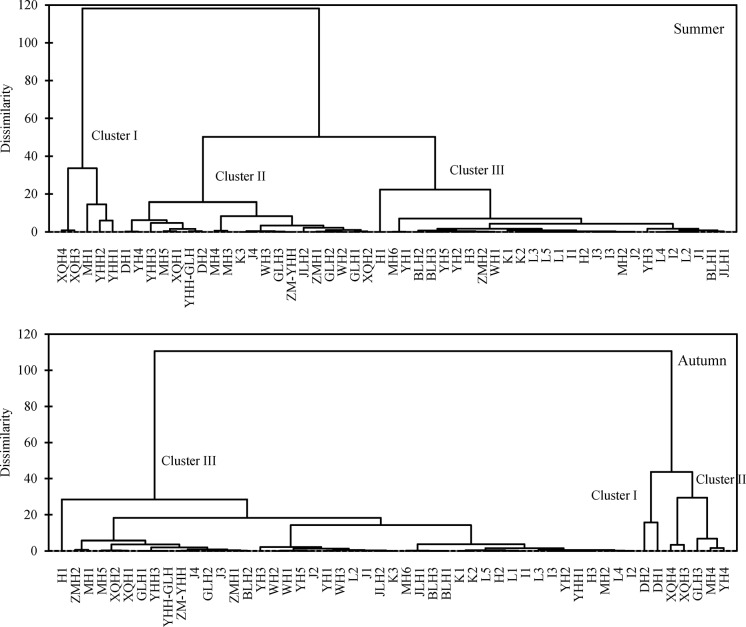
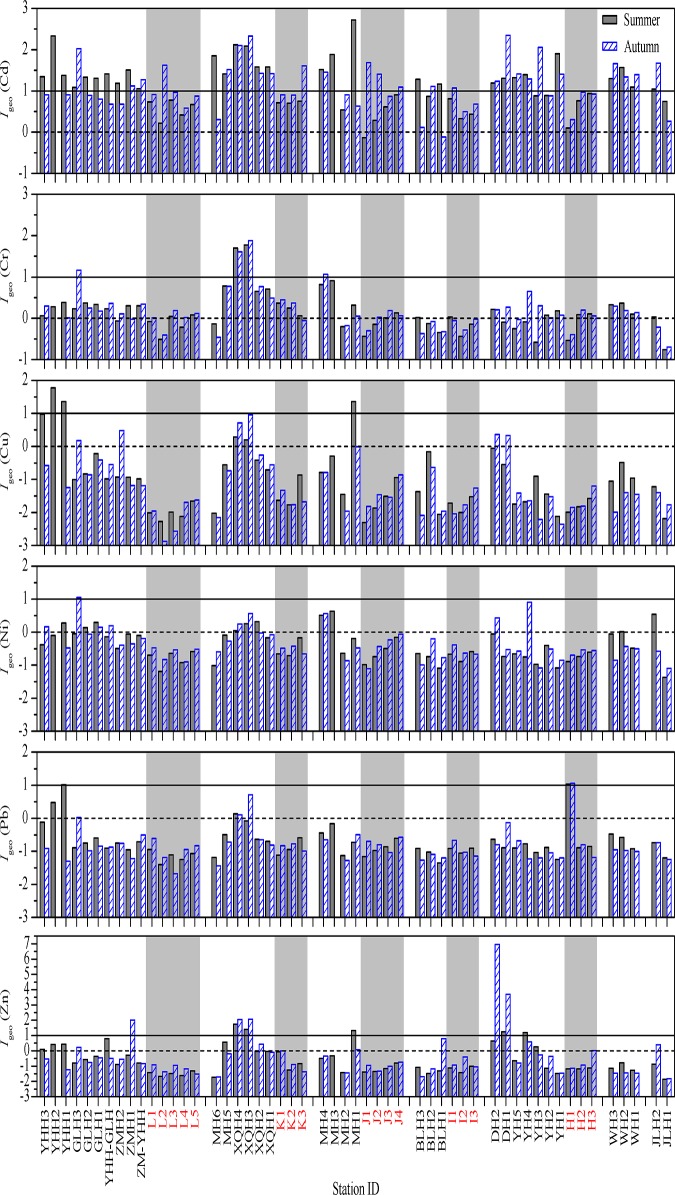
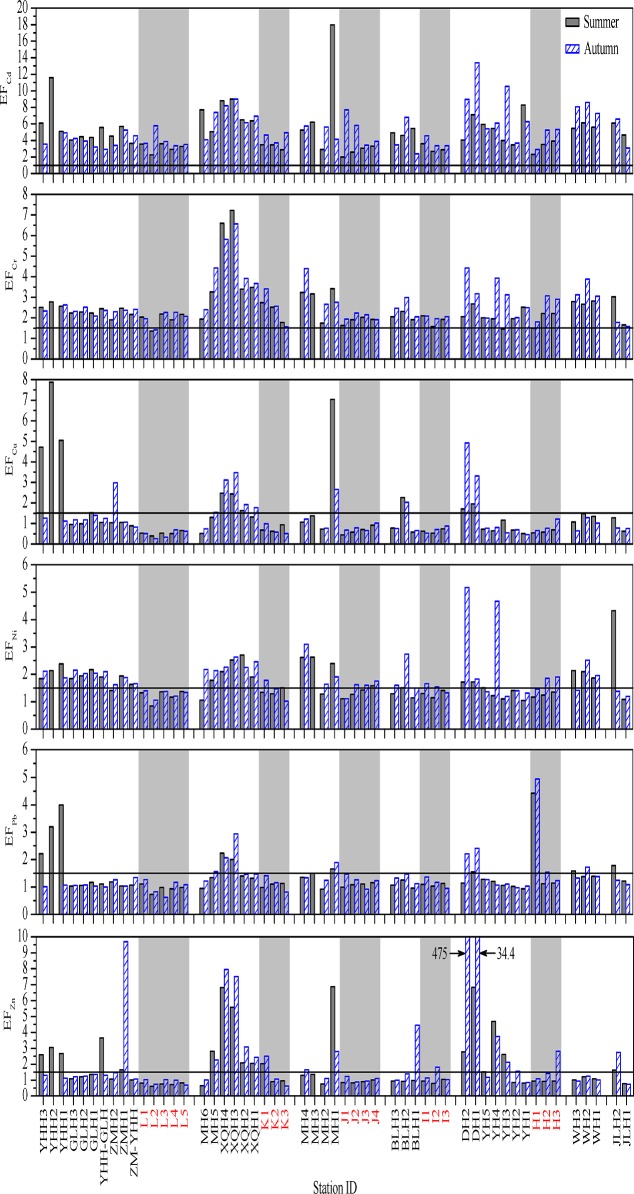
Historically, the Bohai Sea is one of the most important fishing grounds in China. Yet, surrounded by one of the biggest economic rims of China, its ecological functions have been declining rapidly in recent two decades under the heavy anthropogenic impacts. The Laizhou Bay is the smallest one of the three main bays in the Bohai Sea. Owing to the rich brine deposits, chemical industries using brine as raw materials are booming in the southern coast of the Laizhou Bay, the scale of which ranks as the largest one in China. In order to monitor and assess the environmental quality, surface sediments were collected from the coastal waters of southwestern Laizhou Bay and the rivers it connects with during summer and autumn in 2012, and analyzed for heavy metals. Several widely adopted methods were used in the overall assessment of heavy metal pollution status and potential ecological risks in these sediments, and the data were analyzed to infer the main sources of the pollutants. The results showed that the remarkably high concentrations of heavy metals were almost all recorded in a small number of riverine sites. Cr, Cu, Ni and Zn were the main environmental threat according to the sediment quality guidelines. The marine area was generally in good condition with no or low risk from the studied metals and adverse effects on biota could hardly occur. Natural sources dominated the concentrations and distributions of Cu, Ni, Pb and Zn in the marine area. Our results indicated that heavy metal pollution was not a main cause of the ecological degradation of the Laizhou Bay at present.
历史上,渤海是中国最重要的渔场之一。然而,由于其周边是中国最大的经济圈之一,在过去二十年里,受严重的人为影响,其生态功能迅速衰退。莱州湾是渤海三个主要海湾中最小的一个。由于富含卤水矿床,以卤水为原料的化学工业在莱州湾南岸蓬勃发展,其规模位居中国之首。为了监测和评估环境质量,于2012年夏秋季节从莱州湾西南部沿海水域及其相连河流采集了表层沉积物,并对重金属进行了分析。采用了几种广泛应用的方法对这些沉积物中重金属污染状况和潜在生态风险进行综合评估,并对数据进行分析以推断污染物的主要来源。结果表明,重金属的高浓度几乎都出现在少数几个河流站点。根据沉积物质量指南,铬、铜、镍和锌是主要的环境威胁。研究区域内的海域总体状况良好,所研究的金属不存在风险或风险较低,几乎不会对生物群产生不利影响。自然来源主导了海域中铜、镍、铅和锌的浓度及分布。我们的结果表明,目前重金属污染并非莱州湾生态退化的主要原因。