Lim L W, Prickaerts J, Huguet G, Kadar E, Hartung H, Sharp T, Temel Y
1] Department of Biological Sciences, Sunway University, Selangor, Malaysia [2] Department of Neuroscience, Maastricht University, Maastricht, The Netherlands [3] Department of Pharmacology, Oxford University, Oxford, UK [4] Department of Neurosurgery, Maastricht University, Maastricht, The Netherlands [5] School of Biological Sciences, Nanyang Technological University, Singapore, Singapore.
Department of Neuroscience, Maastricht University, Maastricht, The Netherlands.
Transl Psychiatry. 2015 Mar 31;5(3):e535. doi: 10.1038/tp.2015.24.
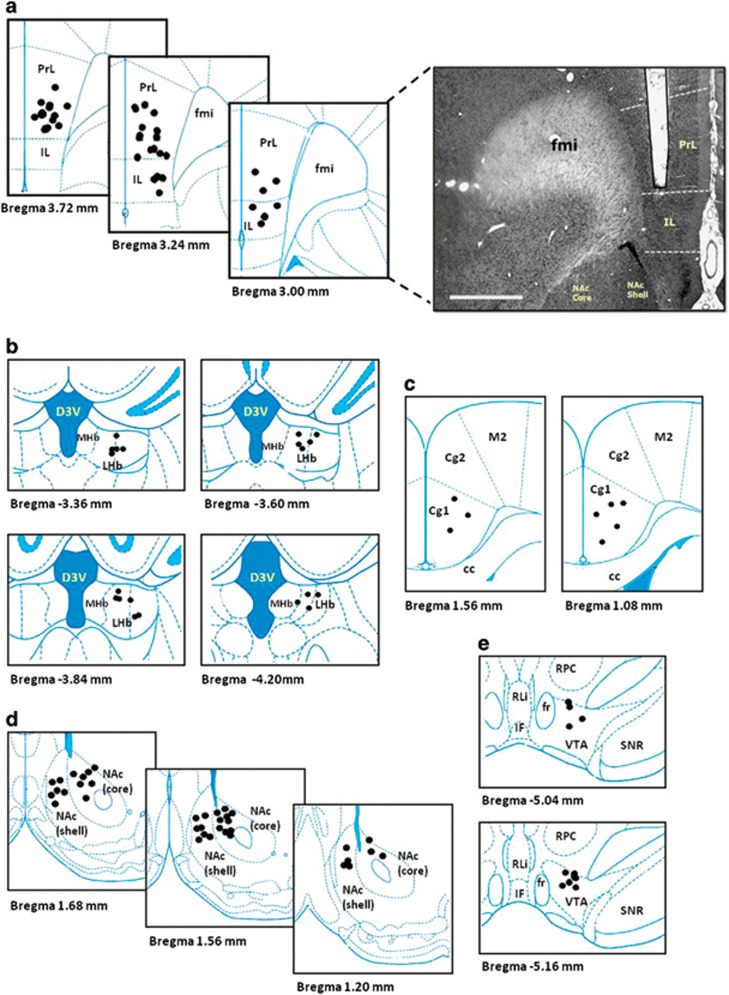
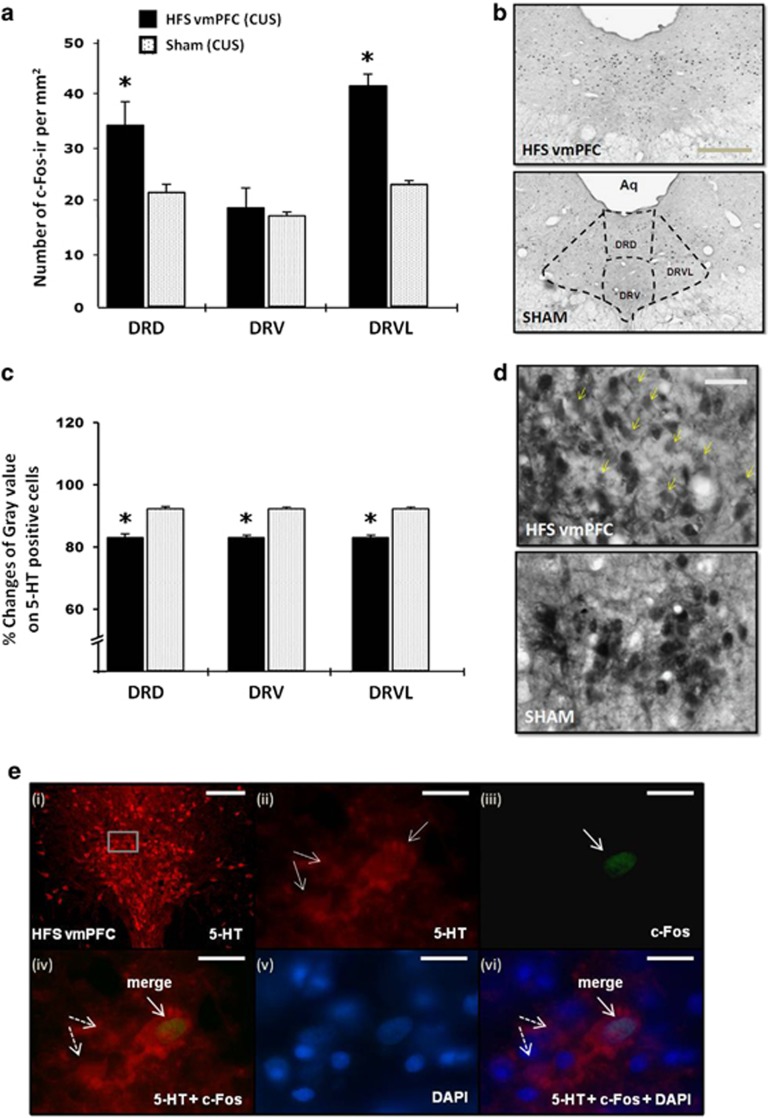
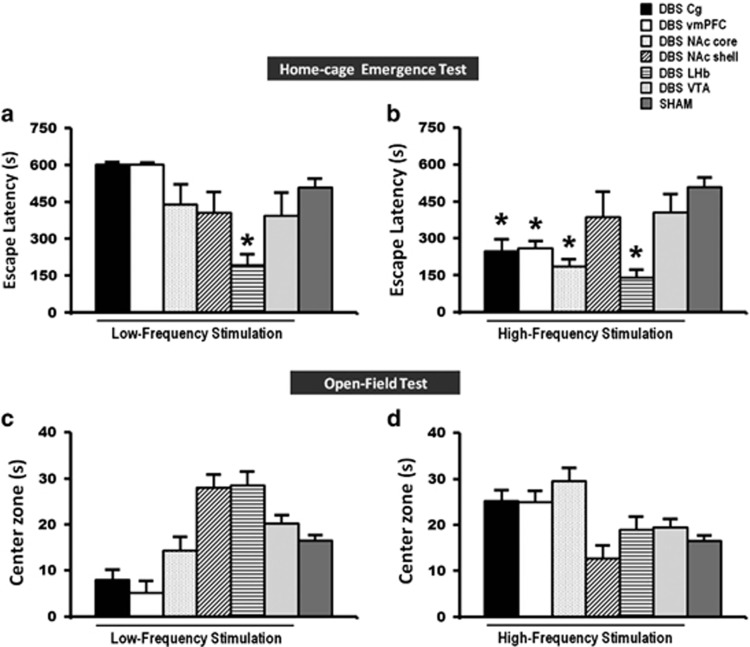
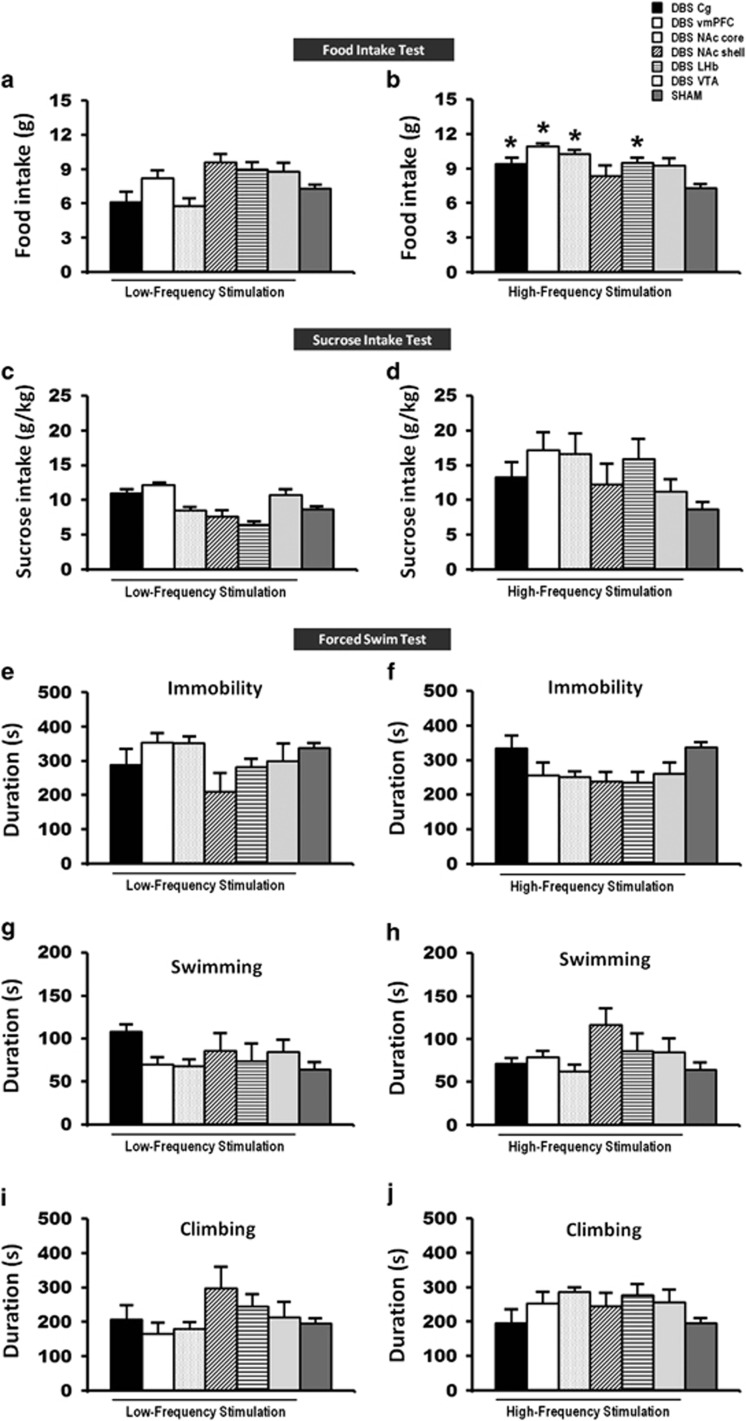
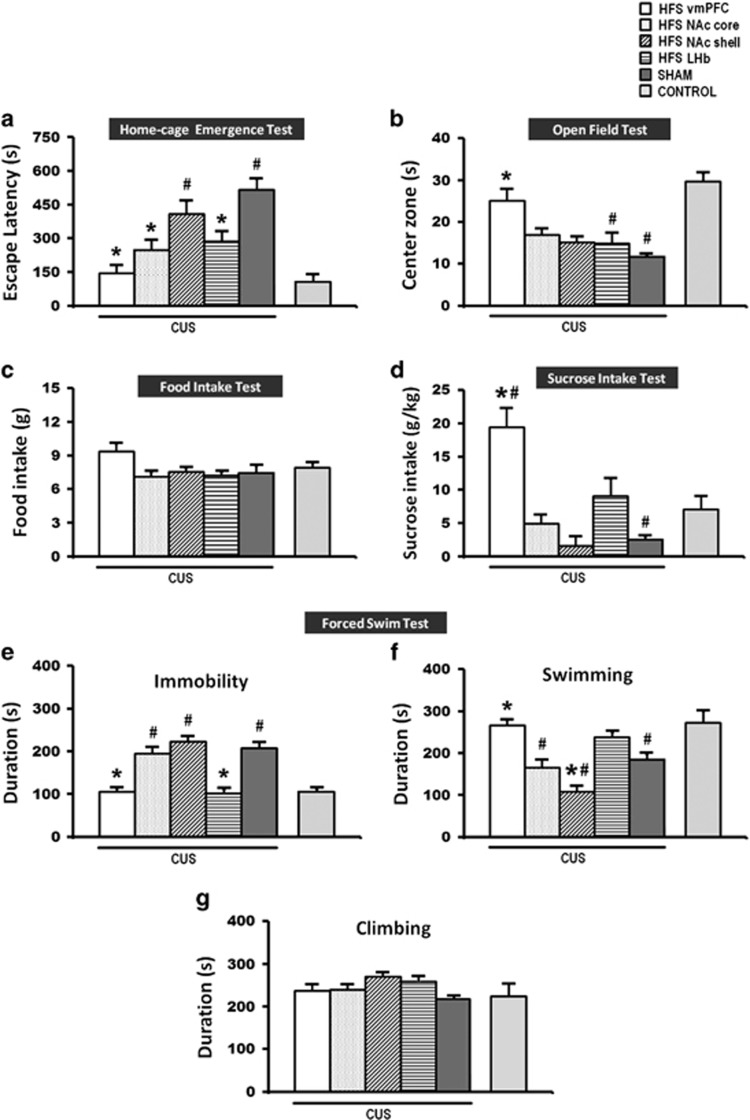
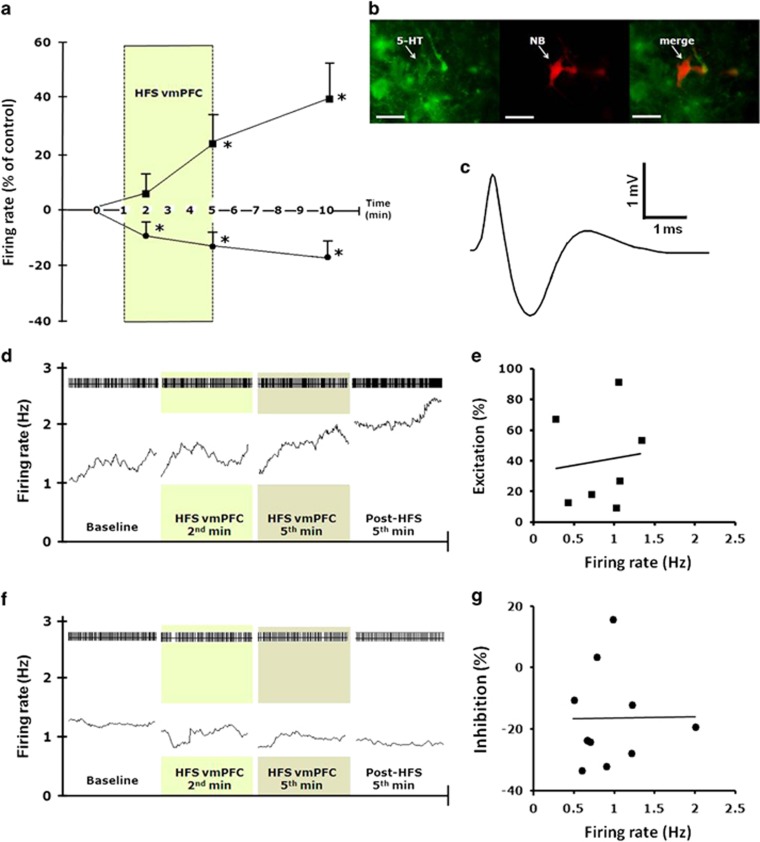
Deep brain stimulation (DBS) is a promising therapy for patients with refractory depression. However, key questions remain with regard to which brain target(s) should be used for stimulation, and which mechanisms underlie the therapeutic effects. Here, we investigated the effect of DBS, with low- and high-frequency stimulation (LFS, HFS), in different brain regions (ventromedial prefrontal cortex, vmPFC; cingulate cortex, Cg; nucleus accumbens (NAc) core or shell; lateral habenula, LHb; and ventral tegmental area) on a variety of depressive-like behaviors using rat models. In the naive animal study, we found that HFS of the Cg, vmPFC, NAc core and LHb reduced anxiety levels and increased motivation for food. In the chronic unpredictable stress model, there was a robust depressive-like behavioral phenotype. Moreover, vmPFC HFS, in a comparison of all stimulated targets, produced the most profound antidepressant effects with enhanced hedonia, reduced anxiety and decreased forced-swim immobility. In the following set of electrophysiological and histochemical experiments designed to unravel some of the underlying mechanisms, we found that vmPFC HFS evoked a specific modulation of the serotonergic neurons in the dorsal raphe nucleus (DRN), which have long been linked to mood. Finally, using a neuronal mapping approach by means of c-Fos expression, we found that vmPFC HFS modulated a brain circuit linked to the DRN and known to be involved in affect. In conclusion, HFS of the vmPFC produced the most potent antidepressant effects in naive rats and rats subjected to stress by mechanisms also including the DRN.
深部脑刺激(DBS)对难治性抑郁症患者而言是一种很有前景的治疗方法。然而,关于应使用哪些脑靶点进行刺激以及治疗效果背后的机制是什么等关键问题依然存在。在此,我们利用大鼠模型研究了在不同脑区(腹内侧前额叶皮质,vmPFC;扣带回皮质,Cg;伏隔核(NAc)核心或壳核;外侧缰核,LHb;以及腹侧被盖区)进行低频和高频刺激(LFS、HFS)的DBS对多种抑郁样行为的影响。在未经处理的动物研究中,我们发现对Cg、vmPFC、NAc核心和LHb进行HFS可降低焦虑水平并增加对食物的动机。在慢性不可预测应激模型中,存在明显的抑郁样行为表型。此外,在所有受刺激靶点的比较中,vmPFC HFS产生了最显著的抗抑郁作用,表现为享乐感增强、焦虑减轻以及强迫游泳不动时间减少。在接下来旨在揭示一些潜在机制的一系列电生理和组织化学实验中,我们发现vmPFC HFS引起了背侧中缝核(DRN)中血清素能神经元的特定调节,而血清素能神经元长期以来一直与情绪有关。最后,通过c-Fos表达采用神经元映射方法,我们发现vmPFC HFS调节了一个与DRN相连且已知参与情感的脑回路。总之,vmPFC HFS通过包括DRN在内的机制在未经处理的大鼠和应激大鼠中产生了最有效的抗抑郁作用。