Huynh Thu P, Barwe Sonali P, Lee Seung J, McSpadden Ryan, Franco Omar E, Hayward Simon W, Damoiseaux Robert, Grubbs Stephen S, Petrelli Nicholas J, Rajasekaran Ayyappan K
Molecular Biology Institute, University of California Los Angeles, Los Angeles, California, United States of America; Nemours Center for Childhood Cancer Research, A. I. DuPont Hospital for Children, Wilmington, Delaware, United States of America.
Nemours Center for Childhood Cancer Research, A. I. DuPont Hospital for Children, Wilmington, Delaware, United States of America.
PLoS One. 2015 Apr 2;10(4):e0122442. doi: 10.1371/journal.pone.0122442. eCollection 2015.
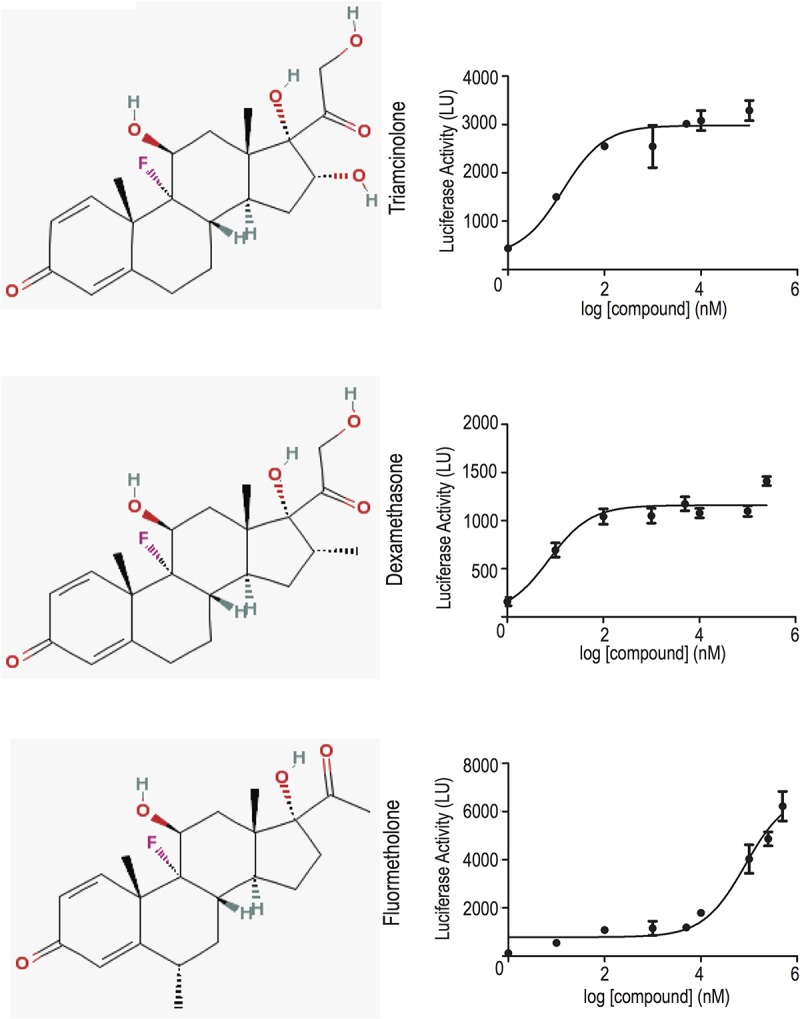
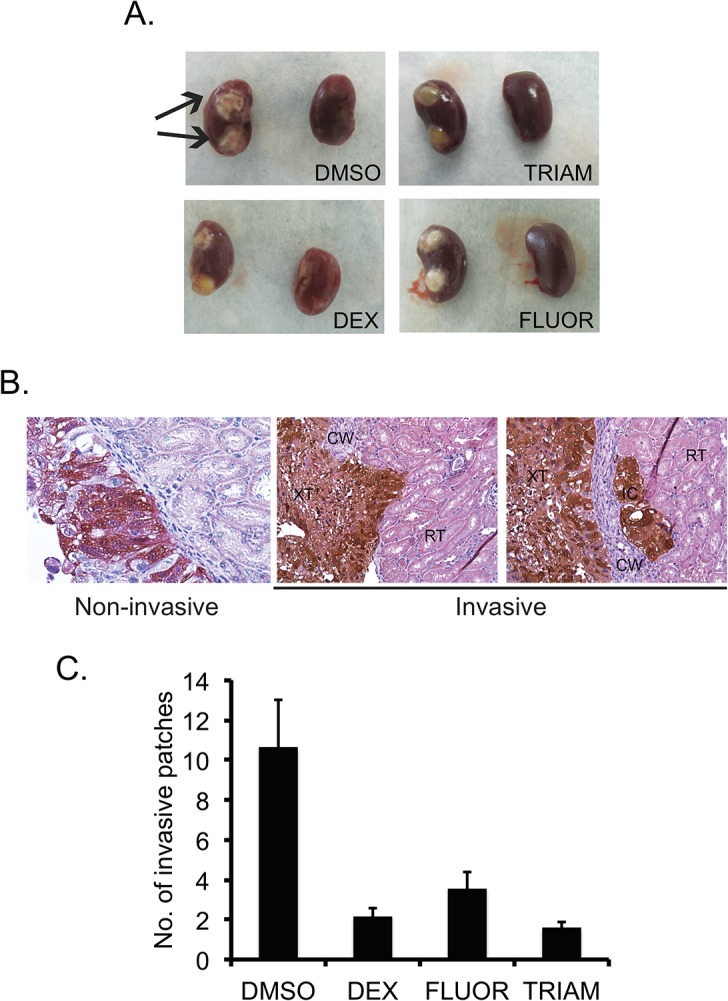
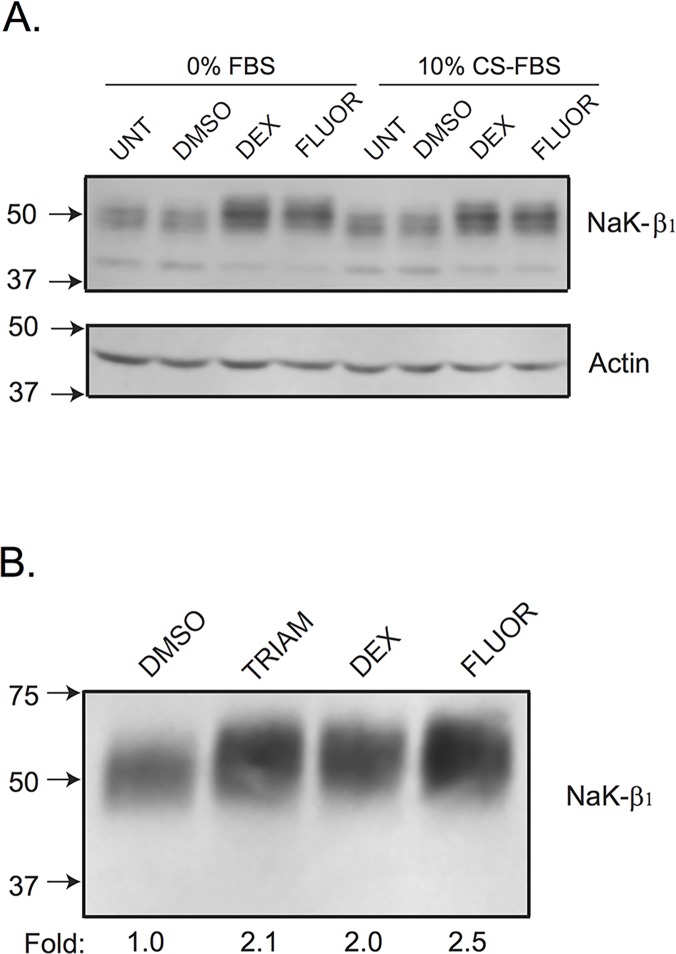
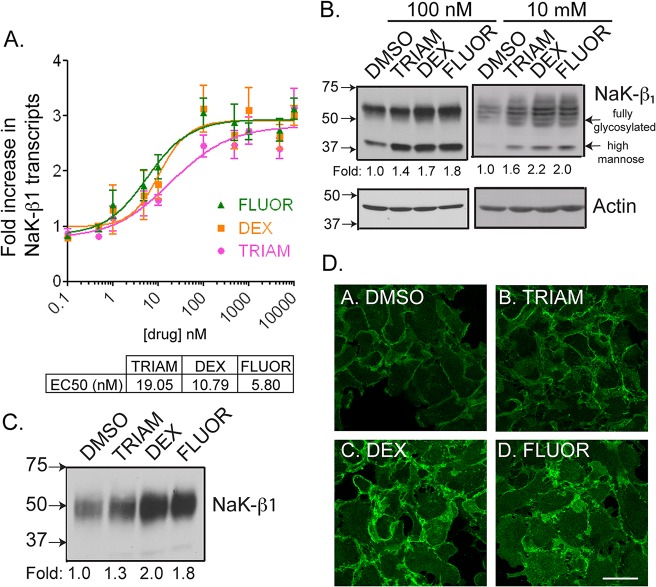
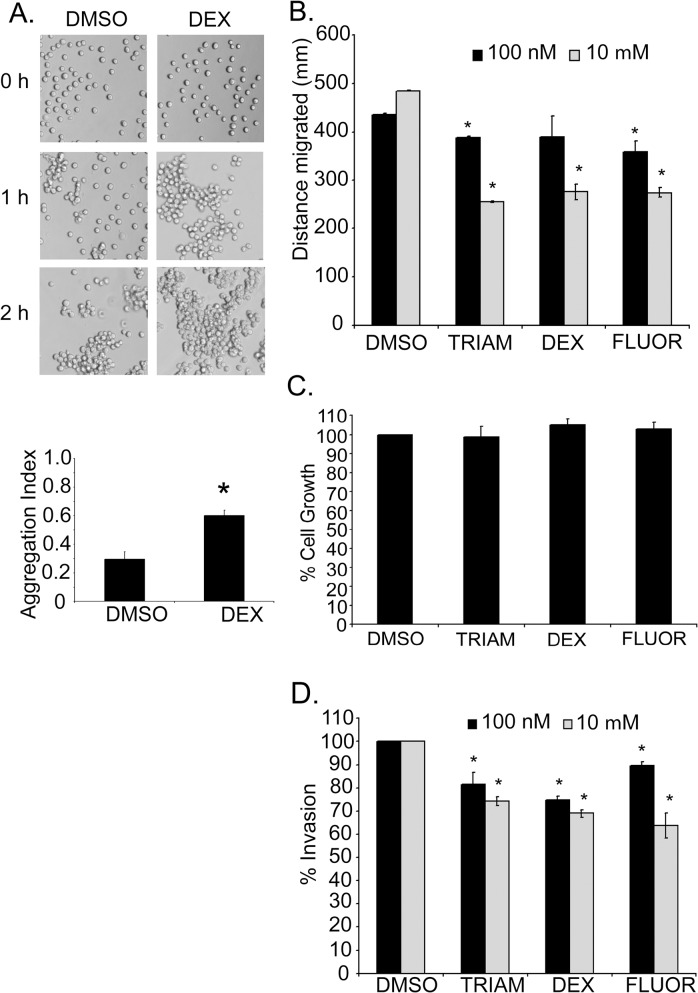
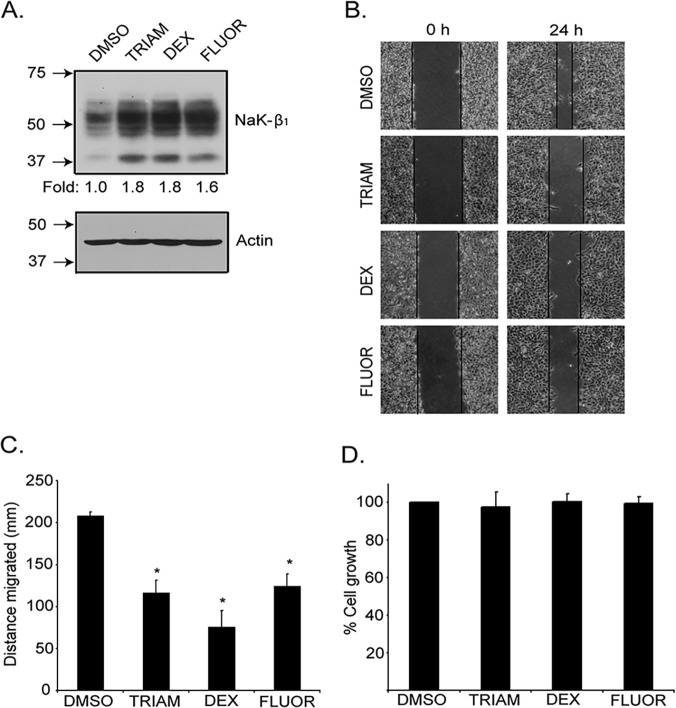
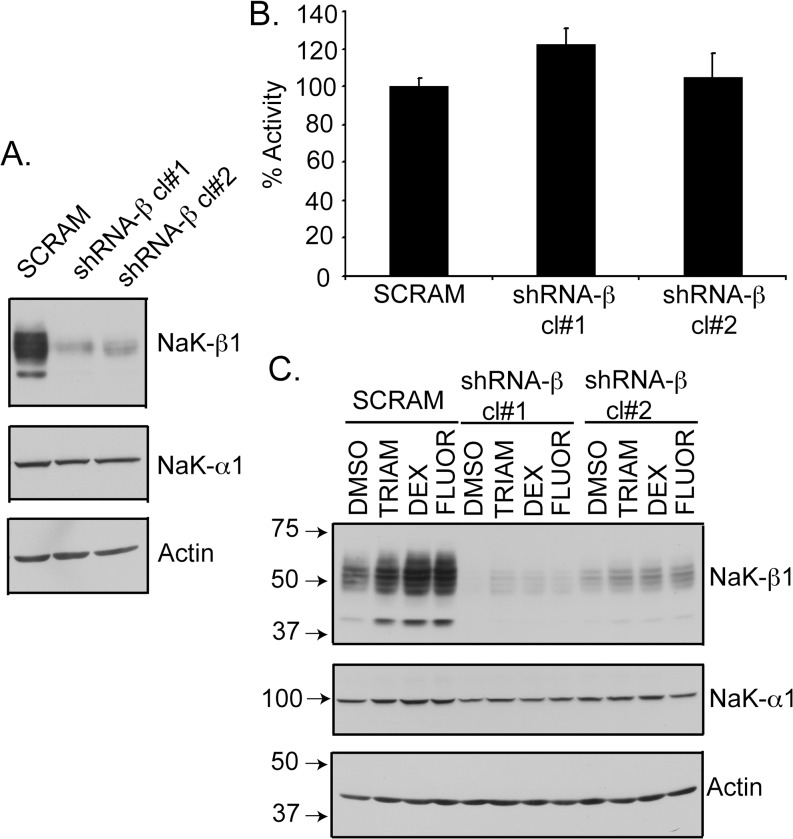
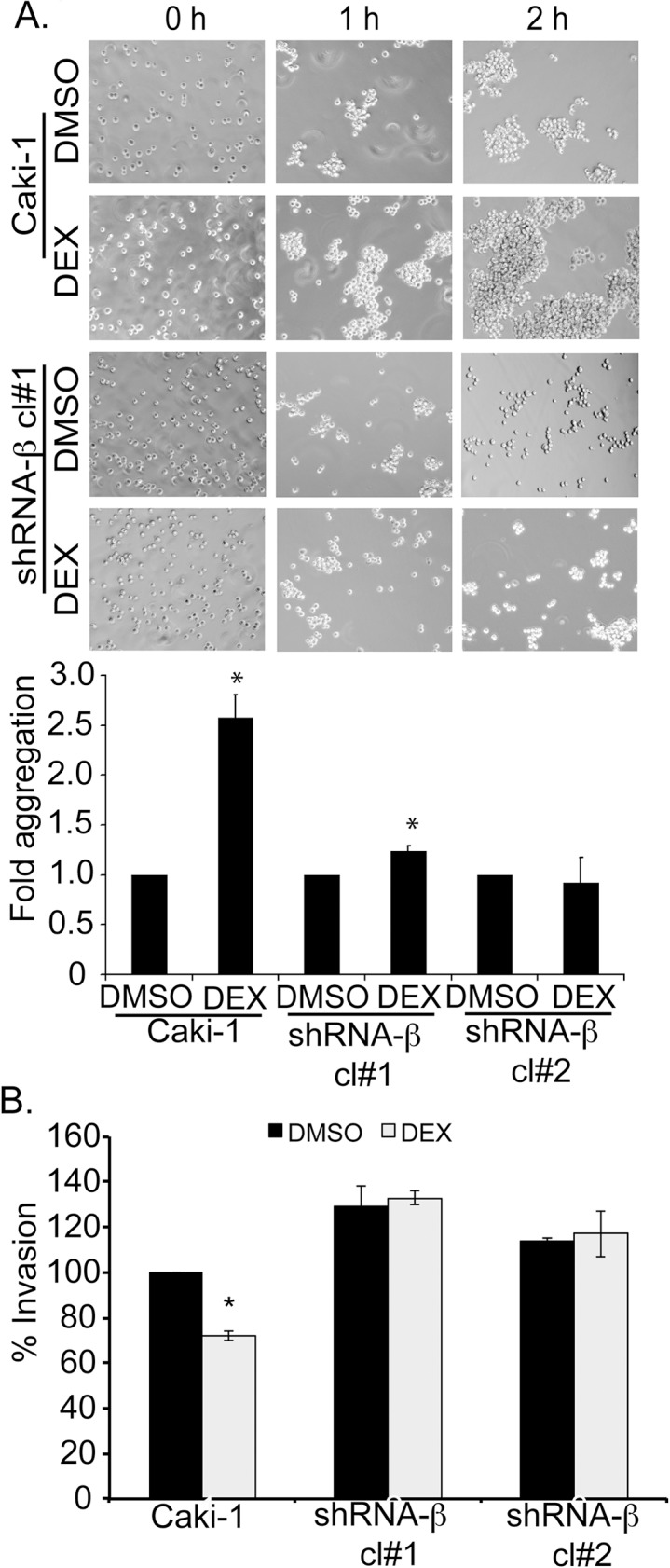
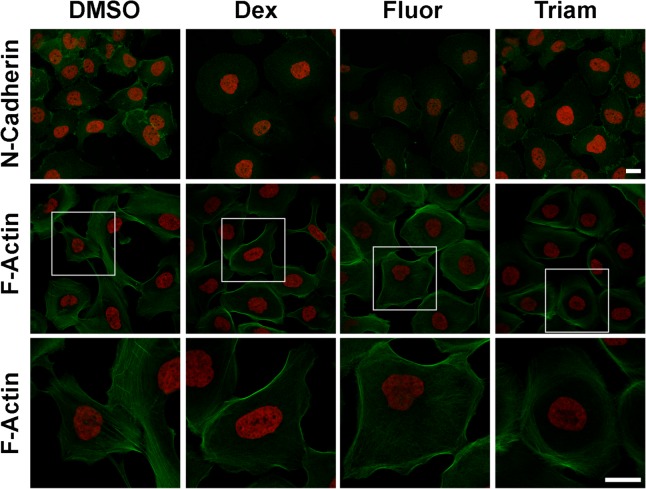
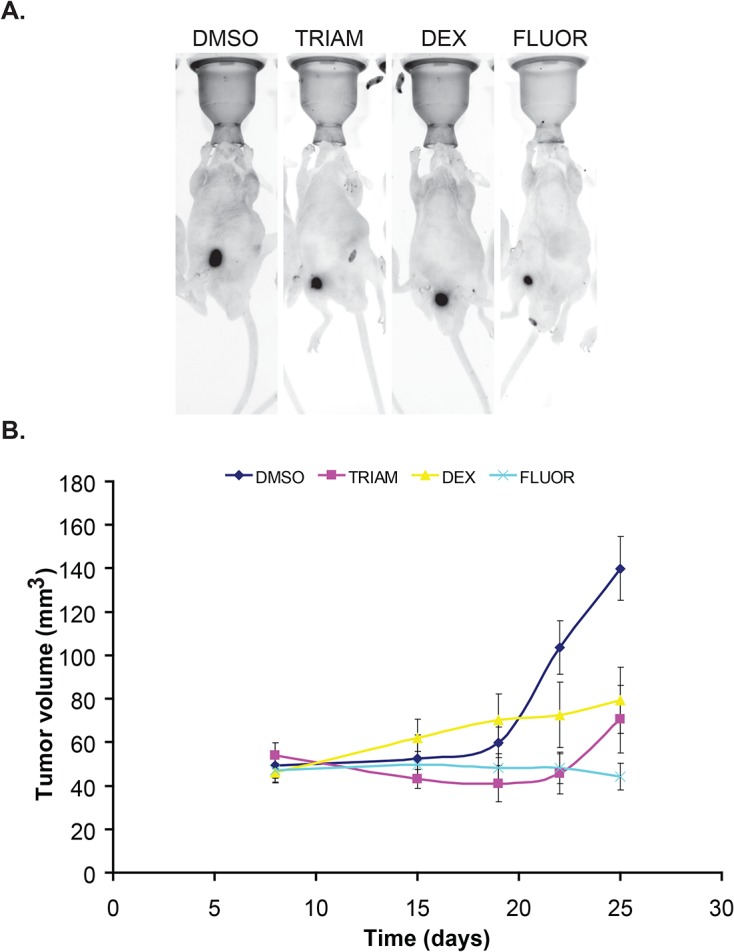
Glucocorticoids are commonly used as palliative or chemotherapeutic clinical agents for treatment of a variety of cancers. Although steroid treatment is beneficial, the mechanisms by which steroids improve outcome in cancer patients are not well understood. Na,K-ATPase beta-subunit isoform 1 (NaK-β1) is a cell-cell adhesion molecule, and its expression is down-regulated in cancer cells undergoing epithelial-to mesenchymal-transition (EMT), a key event associated with cancer progression to metastatic disease. In this study, we performed high-throughput screening to identify small molecules that could up-regulate NaK-β1 expression in cancer cells. Compounds related to the glucocorticoids were identified as drug candidates enhancing NaK-β1 expression. Of these compounds, triamcinolone, dexamethasone, and fluorometholone were validated to increase NaK-β1 expression at the cell surface, enhance cell-cell adhesion, attenuate motility and invasiveness and induce mesenchymal to epithelial like transition of renal cell carcinoma (RCC) cells in vitro. Treatment of NaK-β1 knockdown cells with these drug candidates confirmed that these compounds mediate their effects through up-regulating NaK-β1. Furthermore, we demonstrated that these compounds attenuate tumor growth in subcutaneous RCC xenografts and reduce local invasiveness in orthotopically-implanted tumors. Our results strongly indicate that the addition of glucocorticoids in the treatment of RCC may improve outcome for RCC patients by augmenting NaK-β1 cell-cell adhesion function.
糖皮质激素通常用作姑息性或化疗性临床药物,用于治疗多种癌症。尽管类固醇治疗有益,但类固醇改善癌症患者预后的机制尚不清楚。钠钾ATP酶β亚基同工型1(NaK-β1)是一种细胞间粘附分子,在经历上皮-间质转化(EMT)的癌细胞中其表达下调,EMT是与癌症进展为转移性疾病相关的关键事件。在本研究中,我们进行了高通量筛选,以鉴定可上调癌细胞中NaK-β1表达的小分子。与糖皮质激素相关的化合物被鉴定为增强NaK-β1表达的候选药物。在这些化合物中,曲安奈德、地塞米松和氟米龙经证实可在细胞表面增加NaK-β1表达,增强细胞间粘附,减弱运动性和侵袭性,并在体外诱导肾细胞癌(RCC)细胞发生间充质向上皮样转变。用这些候选药物处理NaK-β1基因敲低的细胞证实,这些化合物通过上调NaK-β1发挥作用。此外,我们证明这些化合物可减弱皮下RCC异种移植瘤的肿瘤生长,并降低原位植入肿瘤的局部侵袭性。我们的结果有力地表明,在RCC治疗中添加糖皮质激素可能通过增强NaK-β1细胞间粘附功能来改善RCC患者的预后。