Xu Guangya, Shi Huashan, Ren Laibin, Gou Hongfeng, Gong Daoyin, Gao Xiang, Huang Ning
Department of Pathophysiology, West China College of Preclinical Medicine and Forensic Medicine, Sichuan University, Chengdu, Sichuan, People's Republic of China.
State Key Laboratory of Biotherapy and Cancer Center, West China Medical School, Sichuan University, Chengdu, Sichuan, People's Republic of China.
Int J Nanomedicine. 2015 Mar 16;10:2051-63. doi: 10.2147/IJN.S75550. eCollection 2015.
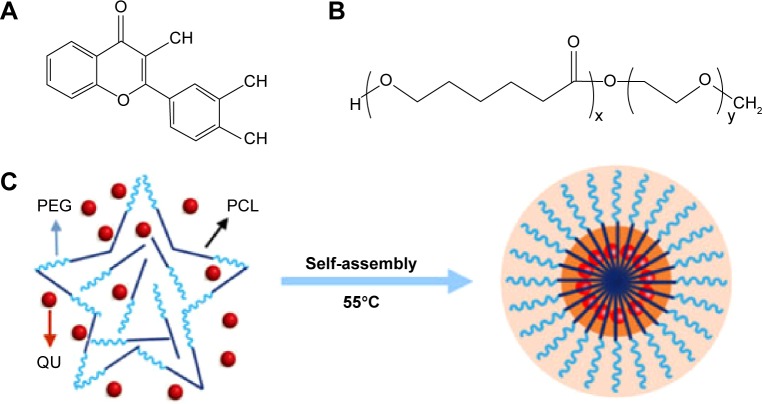
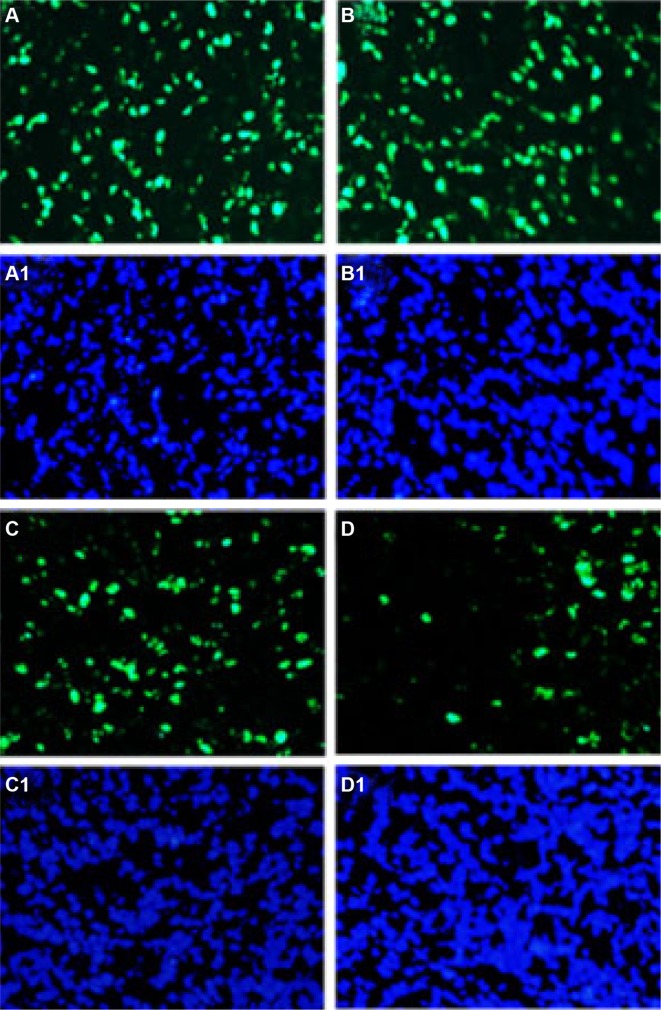
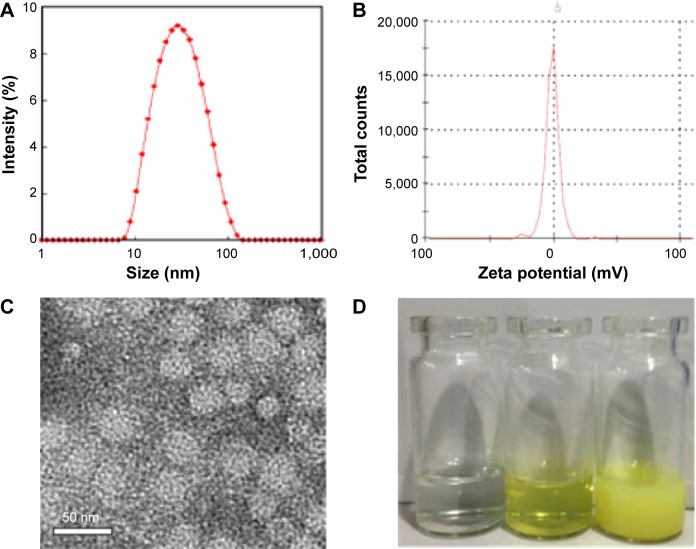
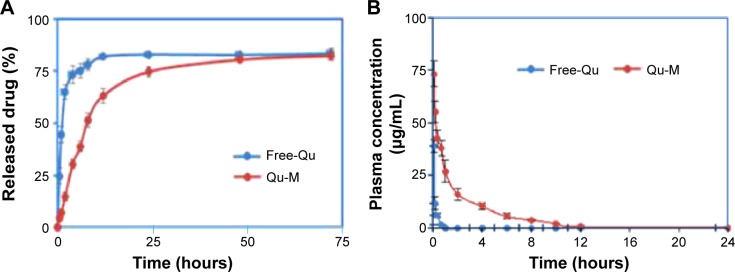
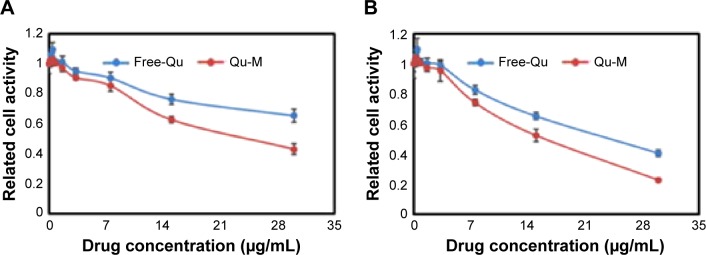
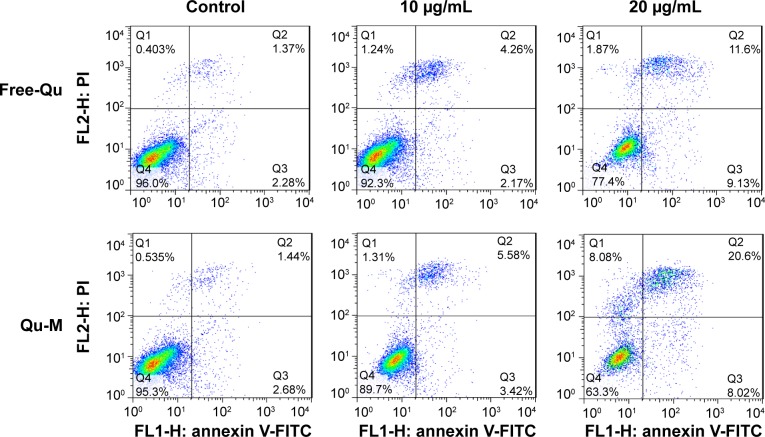
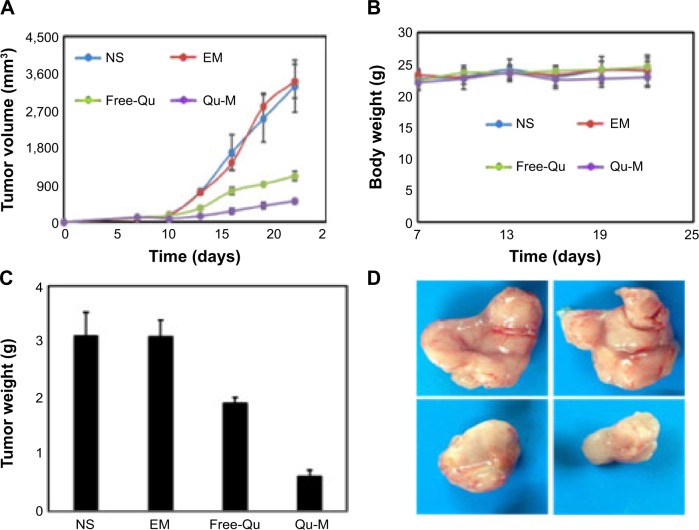
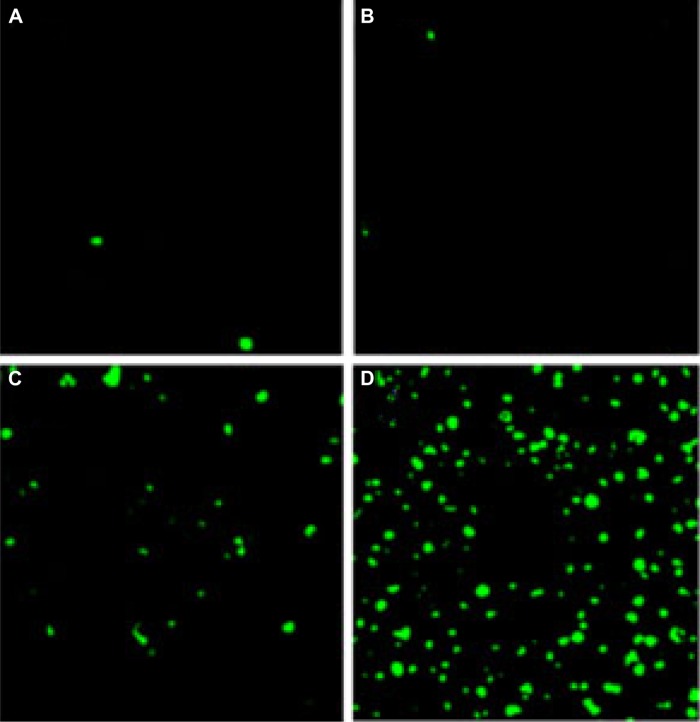
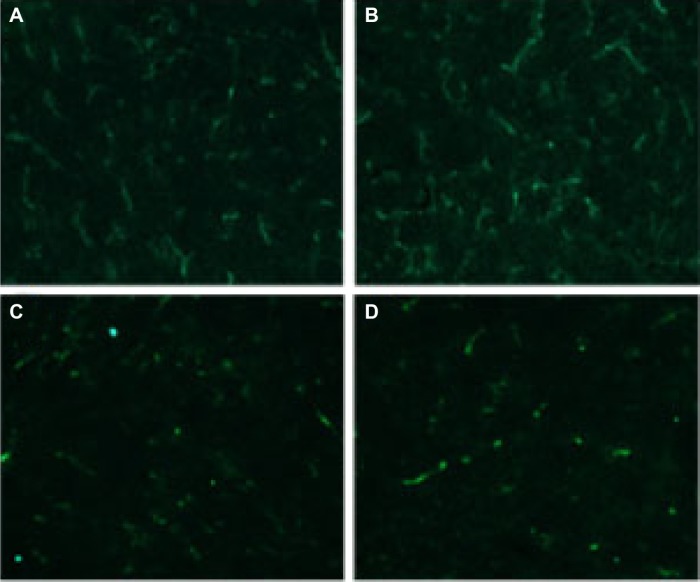
Colorectal cancer, a type of malignant neoplasm originating from the epithelial cells lining the colon and/or rectum, has been the third most frequent malignancy and one of the leading causes of cancer-related deaths in the US. As a bioflavonoid with high anticancer potential, quercetin (Qu) has been proved to have a prospective applicability in chemotherapy for a series of cancers. However, quercetin is a hydrophobic drug, the poor hydrophilicity of which hinders its clinical usage in cancer therapy. Therefore, a strategy to improve the solubility of quercetin in water and/or enhance the bioavailability is desired. Encapsulating the poorly water-soluble, hydrophobic agents into polymer micelles could facilitate the dissolution of drugs in water. In our study, nanotechnology was employed, and quercetin was encapsulated into the biodegradable nanosized amphiphilic block copolymers of monomethoxy poly(ethylene glycol)-poly(ε-caprolactone) (MPEG-PCL), attempting to present positive evidences that this drug delivery system of polymeric micelles is effective. The quercetin-loaded MPEG-PCL nanomicelles (Qu-M), with a high drug loading of 6.85% and a minor particle size of 34.8 nm, completely dispersed in the water and released quercetin in a prolonged period in vitro and in vivo. At the same time, compared with free quercetin, Qu-M exhibited improved apoptosis induction and cell growth inhibition effects in CT26 cells in vitro. Moreover, the mice subcutaneous CT26 colon cancer model was established to evaluate the therapy efficiency of Qu-M in detail, in which enhanced anti-colon cancer effect was proved in vivo: Qu-M were more efficacious in repressing the growth of colon tumor than free quercetin. In addition, better effects of Qu-M on inducing cell apoptosis, inhibiting tumor angiogenesis, and restraining cell proliferation were observed by immunofluorescence analysis. Our study indicated that Qu-M were a novel nanoagent of quercetin with an enhanced antitumor activity, which could serve as a promising potential candidate for colon cancer chemotherapy.
结直肠癌是一种起源于结肠和/或直肠内衬上皮细胞的恶性肿瘤,在美国一直是第三大常见恶性肿瘤,也是癌症相关死亡的主要原因之一。作为一种具有高抗癌潜力的生物类黄酮,槲皮素(Qu)已被证明在一系列癌症的化疗中具有潜在的适用性。然而,槲皮素是一种疏水性药物,其亲水性差阻碍了其在癌症治疗中的临床应用。因此,需要一种提高槲皮素在水中的溶解度和/或提高其生物利用度的策略。将水溶性差的疏水性药物封装到聚合物胶束中可以促进药物在水中的溶解。在我们的研究中,采用了纳米技术,将槲皮素封装到单甲氧基聚(乙二醇)-聚(ε-己内酯)(MPEG-PCL)的可生物降解纳米级两亲性嵌段共聚物中,试图提供积极证据证明这种聚合物胶束药物递送系统是有效的。负载槲皮素的MPEG-PCL纳米胶束(Qu-M),药物负载量高达6.85%,粒径较小,为34.8 nm,完全分散在水中,并在体外和体内长时间释放槲皮素。同时,与游离槲皮素相比,Qu-M在体外CT26细胞中表现出更好的诱导凋亡和抑制细胞生长的作用。此外,建立了小鼠皮下CT26结肠癌模型以详细评估Qu-M的治疗效果,其中在体内证明了增强的抗结肠癌作用:Qu-M在抑制结肠肿瘤生长方面比游离槲皮素更有效。此外,通过免疫荧光分析观察到Qu-M在诱导细胞凋亡、抑制肿瘤血管生成和抑制细胞增殖方面有更好的效果。我们的研究表明,Qu-M是一种新型的具有增强抗肿瘤活性的槲皮素纳米制剂,可作为结肠癌化疗的有前途的潜在候选药物。