Zheng Songping, Gao Xiang, Liu Xiaoxiao, Yu Ting, Zheng Tianying, Wang Yi, You Chao
Department of Neurosurgery, West China Hospital, West China Medical School, Sichuan University, Chengdu, People's Republic of China.
Department of Neurosurgery, West China Hospital, West China Medical School, Sichuan University, Chengdu, People's Republic of China; Department of Pharmacology, Yale School of Medicine, Yale University, New Haven, CT, USA.
Int J Nanomedicine. 2016 Jun 9;11:2721-36. doi: 10.2147/IJN.S102450. eCollection 2016.
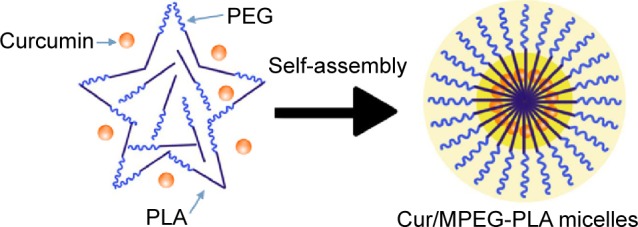
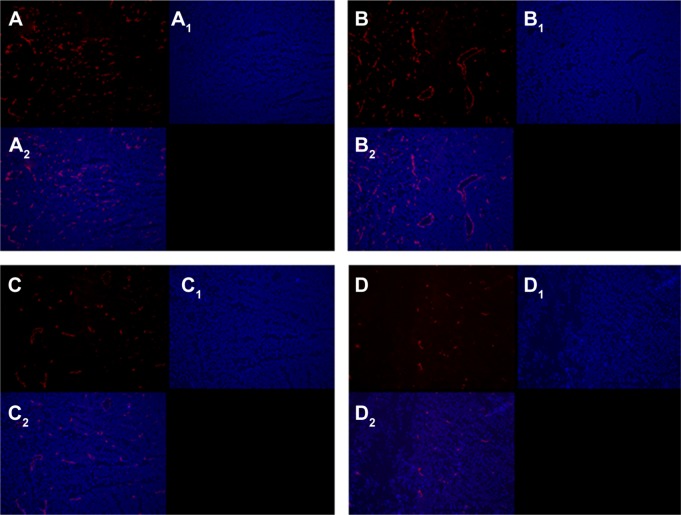
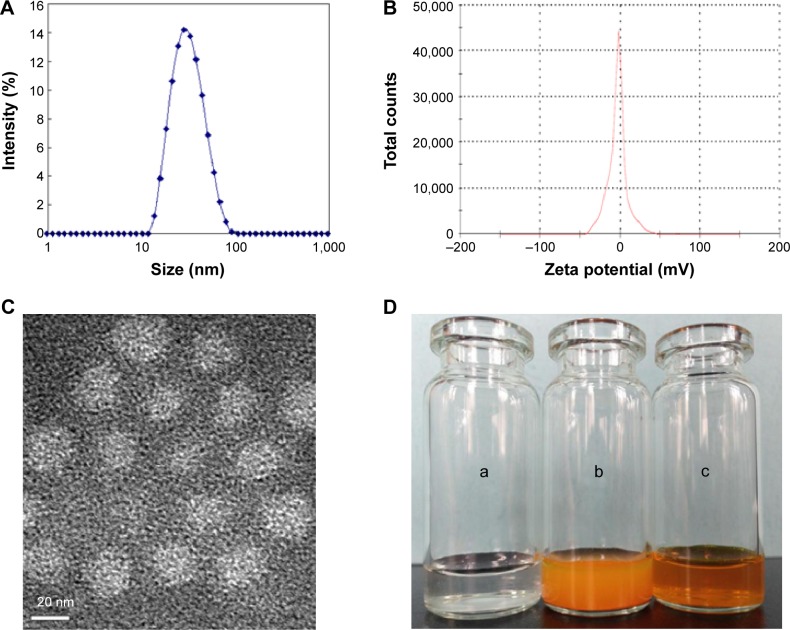
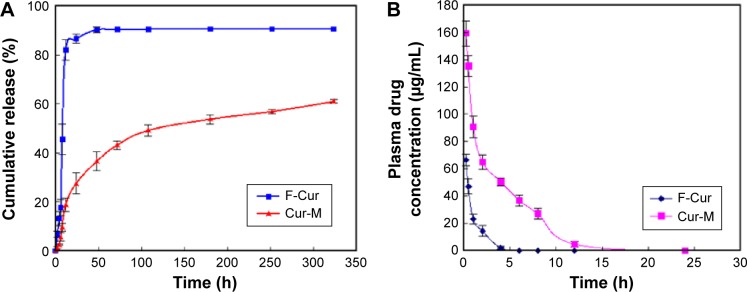
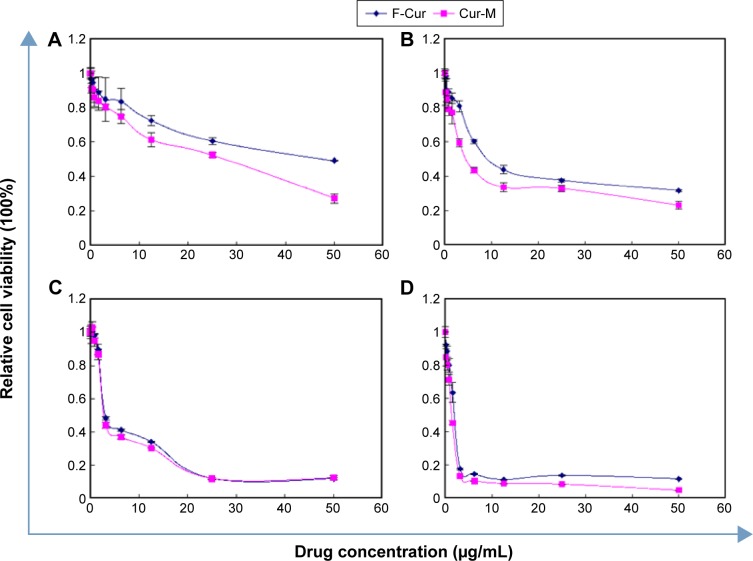
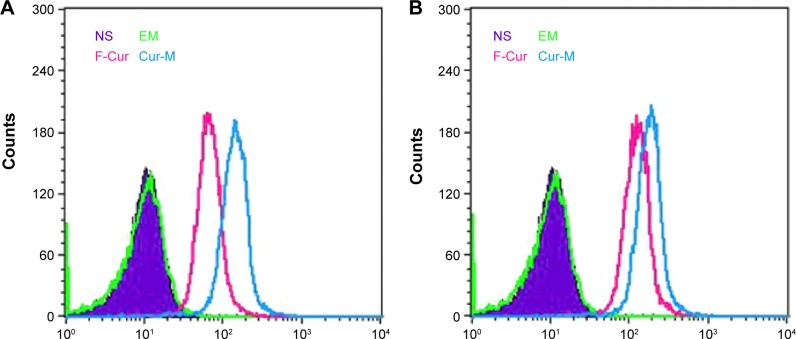
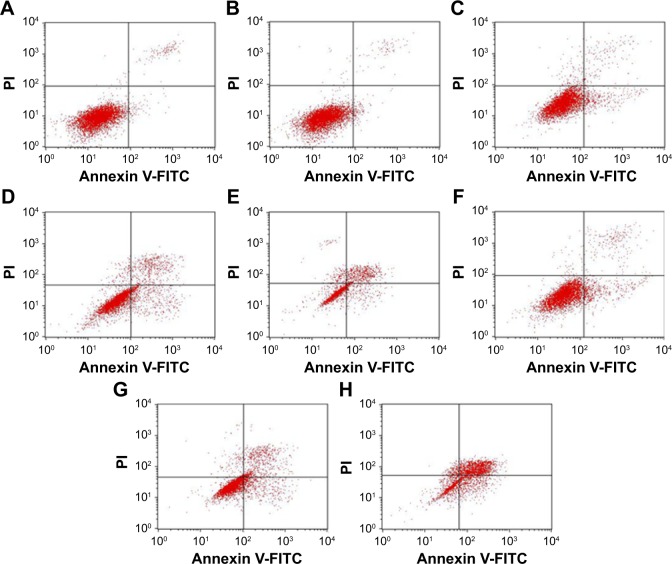
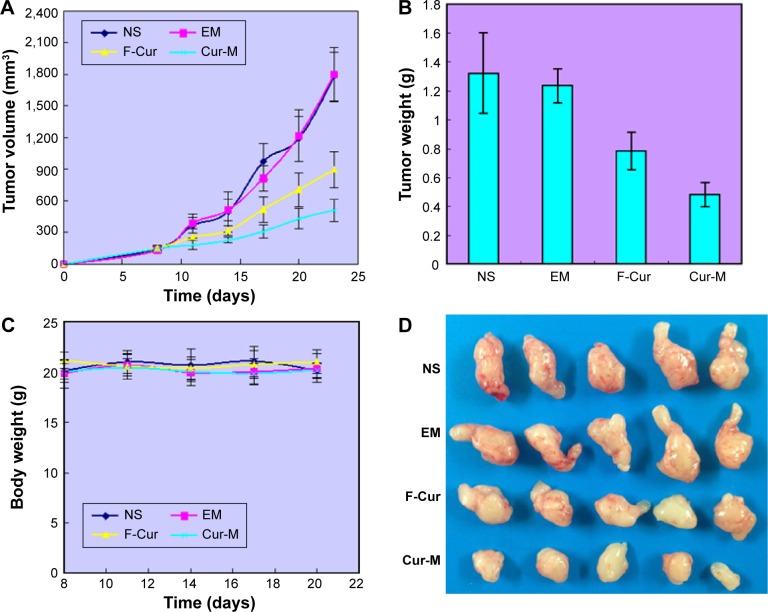
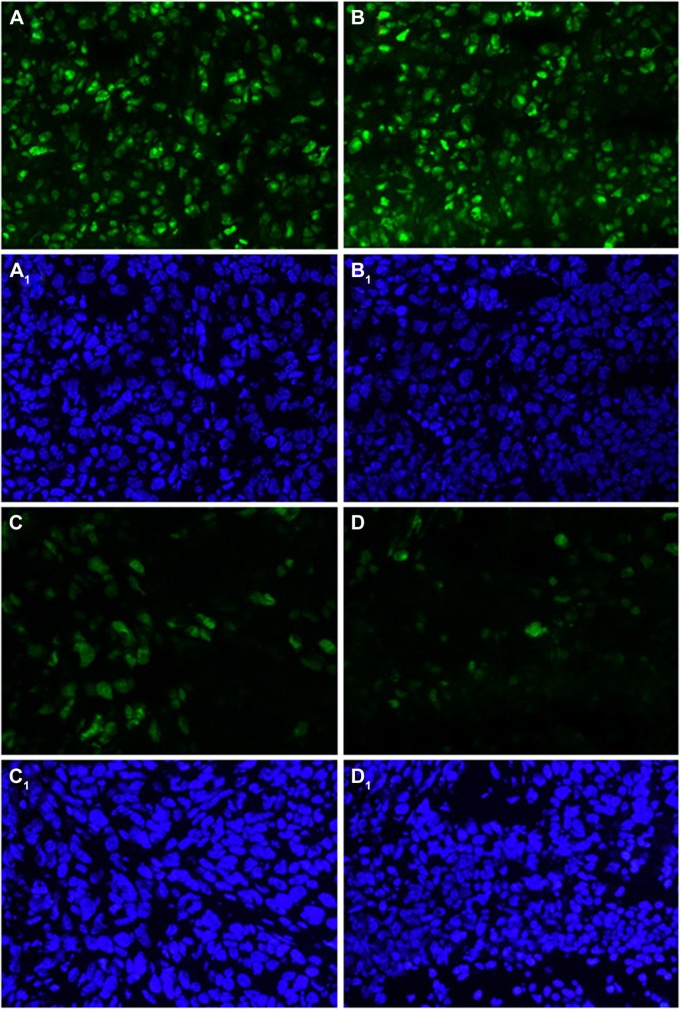
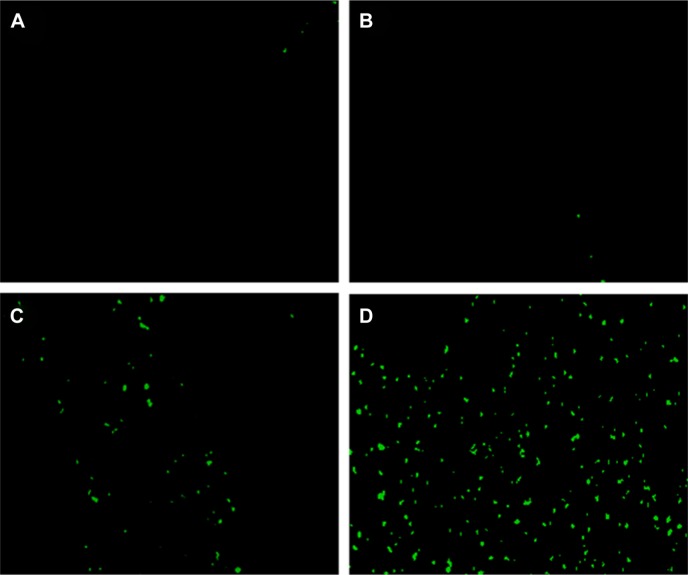
Curcumin (Cur), a natural polyphenol of Curcuma longa, has been recently reported to possess antitumor activities. However, due to its poor aqueous solubility and low biological availability, the clinical application of Cur is quite limited. The encapsulation of hydrophobic drugs into nanoparticles is an effective way to improve their pharmaceutical activities. In this research, nanomicelles loaded with Cur were formulated by a self-assembly method with biodegradable monomethoxy poly(ethylene glycol)-poly(lactide) copolymers (MPEG-PLAs). After encapsulation, the cellular uptake was increased and Cur could be released from MPEG-PLA micelles in a sustained manner. The Cur-loaded MPEG-PLA micelles (Cur/MPEG-PLA micelles) exhibited an enhanced toxicity on C6 and U251 glioma cells and induced more apoptosis on C6 glioma cells compared with free Cur. Moreover, the therapy efficiency of Cur/MPEG-PLA micelles was evaluated at length on a nude mouse model bearing glioma. The Cur/MPEG-PLA micelles were more effective on suppressing tumor growth compared with free Cur, which indicated that Cur/MPEG-PLA micelles improved the antiglioma activity of Cur in vivo. The results of immunohistochemical and immunofluorescent analysis indicated that the induction of apoptosis, antiangiogenesis, and inhibition of cell proliferation may contribute to the improvement in antiglioma effects. Our data suggested that Cur/MPEG-PLA may have potential clinic applications in glioma therapy.
姜黄素(Cur)是姜黄中的一种天然多酚,最近有报道称其具有抗肿瘤活性。然而,由于其水溶性差和生物利用度低,Cur的临床应用相当有限。将疏水性药物封装到纳米颗粒中是提高其药物活性的有效方法。在本研究中,采用可生物降解的单甲氧基聚(乙二醇)-聚(丙交酯)共聚物(MPEG-PLAs)通过自组装方法制备了负载Cur的纳米胶束。封装后,细胞摄取增加,Cur可以从MPEG-PLA胶束中持续释放。与游离Cur相比,负载Cur的MPEG-PLA胶束(Cur/MPEG-PLA胶束)对C6和U251胶质瘤细胞表现出增强的毒性,并诱导C6胶质瘤细胞更多的凋亡。此外,在荷胶质瘤裸鼠模型上详细评估了Cur/MPEG-PLA胶束的治疗效果。与游离Cur相比,Cur/MPEG-PLA胶束在抑制肿瘤生长方面更有效,这表明Cur/MPEG-PLA胶束在体内提高了Cur的抗胶质瘤活性。免疫组织化学和免疫荧光分析结果表明,诱导凋亡、抗血管生成和抑制细胞增殖可能有助于提高抗胶质瘤效果。我们的数据表明,Cur/MPEG-PLA在胶质瘤治疗中可能具有潜在的临床应用价值。