Priest Elisa L, Klekar Christopher, Cantu Gabriela, Berryman Candice, Garinger Gina, Hall Lauren, Kouznetsova Maria, Kudyakov Rustam, Masica Andrew
Baylor Scott & White Health.
EGEMS (Wash DC). 2014 Dec 2;2(1):1126. doi: 10.13063/2327-9214.1126. eCollection 2014.
Collaborative networks support the goals of a learning health system by sharing, aggregating, and analyzing data to facilitate identification of best practices care across delivery organizations. This case study describes the infrastructure and process developed by an integrated health delivery system to successfully prepare and submit a complex data set to a large national collaborative network.
We submitted four years of data for a diverse population of patients in specific clinical areas: diabetes, chronic heart failure, sepsis, and hip, knee, and spine. The most recent submission included 19 tables, more than 376,000 unique patients, and almost 5 million patient encounters. Data was extracted from multiple clinical and administrative systems.
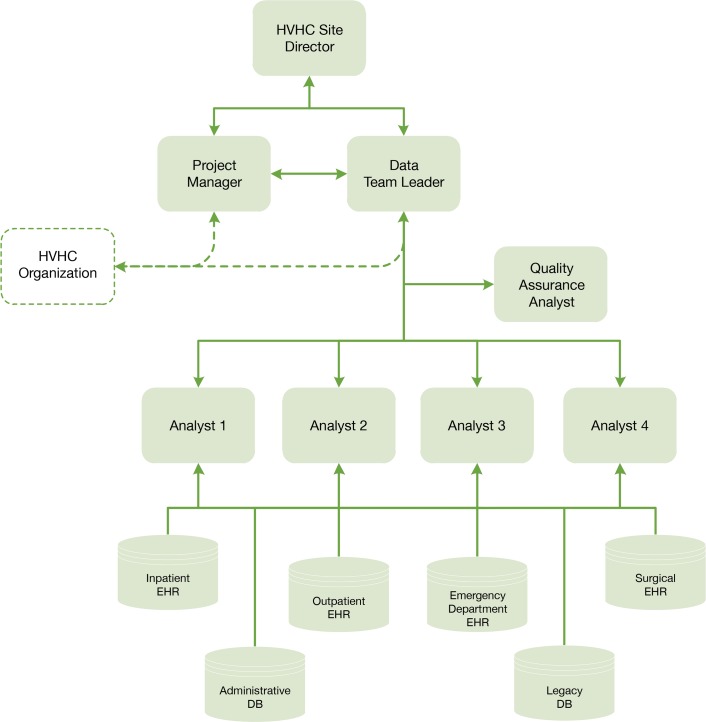
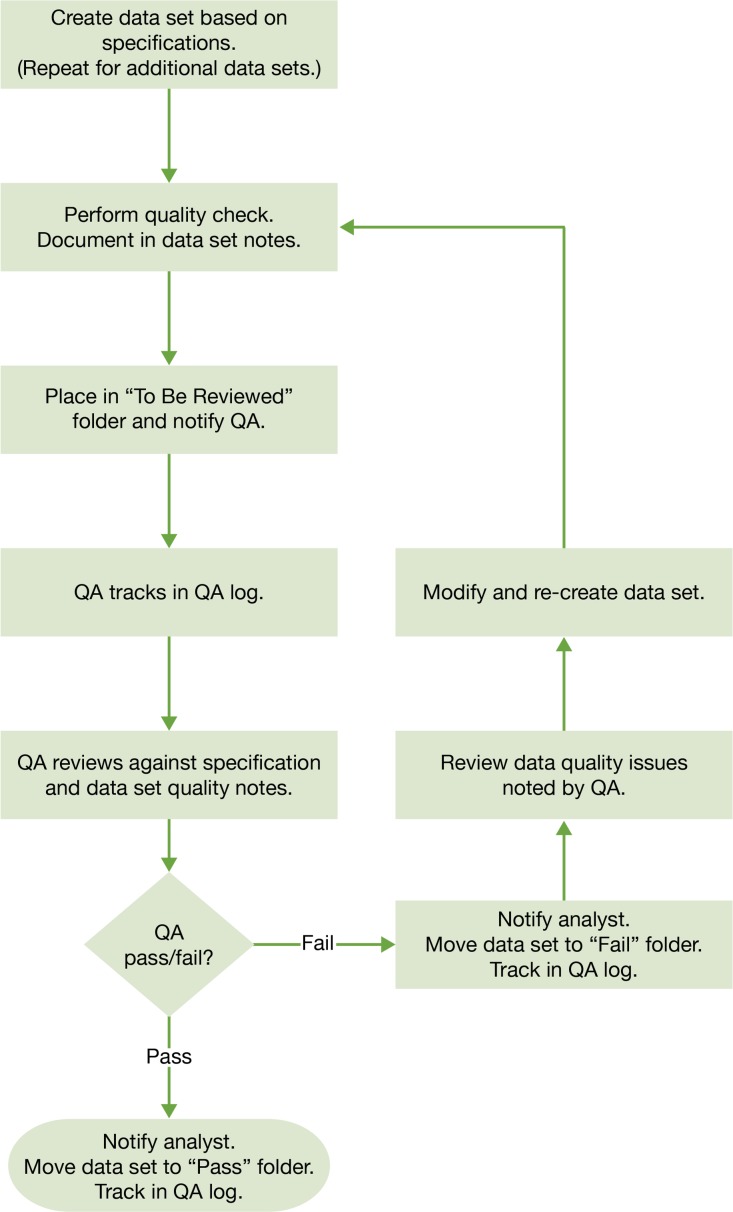
We found that a structured process with documentation was key to maintaining communication, timelines, and quality in a large-scale data submission to a national collaborative network. The three key components of this process were the experienced project team, documentation, and communication. We used a formal QA and feedback process to track and review data. Overall, the data submission was resource intensive and required an incremental approach to data quality.
Participation in collaborative networks can be time and resource intense, however it can serve as a catalyst to increase the technical data available to the learning health system.
协作网络通过共享、汇总和分析数据来支持学习型健康系统的目标,以促进在各个医疗机构中识别最佳实践护理。本案例研究描述了一个综合医疗服务系统开发的基础设施和流程,该系统成功地准备并向一个大型国家协作网络提交了一个复杂的数据集。
我们提交了特定临床领域中不同患者群体的四年数据,这些领域包括糖尿病、慢性心力衰竭、败血症以及髋部、膝盖和脊柱疾病。最近一次提交的数据包括19个表格、超过37.6万名独特患者以及近500万次患者就诊记录。数据从多个临床和管理系统中提取。
我们发现,对于向国家协作网络进行大规模数据提交而言,一个有文档记录的结构化流程是维持沟通、时间表和质量的关键。该流程的三个关键组成部分是经验丰富的项目团队、文档记录和沟通。我们使用正式的质量保证和反馈流程来跟踪和审查数据。总体而言,数据提交资源密集,需要采用渐进式方法来保证数据质量。
参与协作网络可能在时间和资源方面要求很高,然而它可以成为增加学习型健康系统可用技术数据的催化剂。