Haddad-Tóvolli Roberta, Paul Fabian A, Zhang Yuanfeng, Zhou Xunlei, Theil Thomas, Puelles Luis, Blaess Sandra, Alvarez-Bolado Gonzalo
Department of Medical Cell Biology and Neuroanatomy, University of Heidelberg Heidelberg, Germany.
Laboratory of Neurodevelopmental Genetics, Institute of Reconstructive Neurobiology, Life and Brain Center, University of Bonn Bonn, Germany.
Front Neuroanat. 2015 Mar 25;9:34. doi: 10.3389/fnana.2015.00034. eCollection 2015.
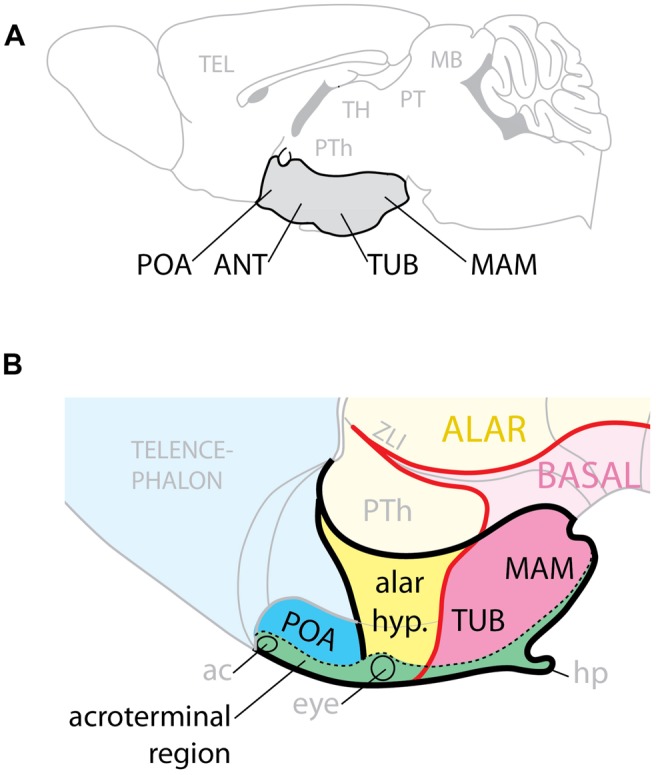
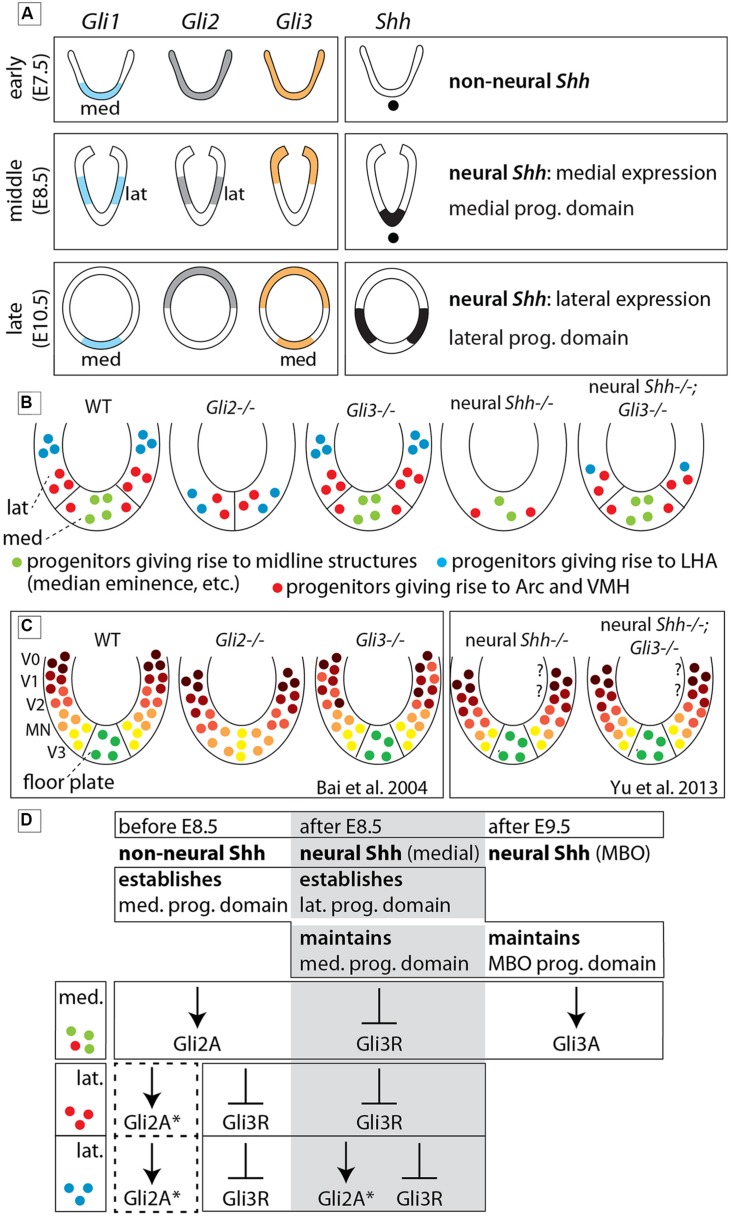
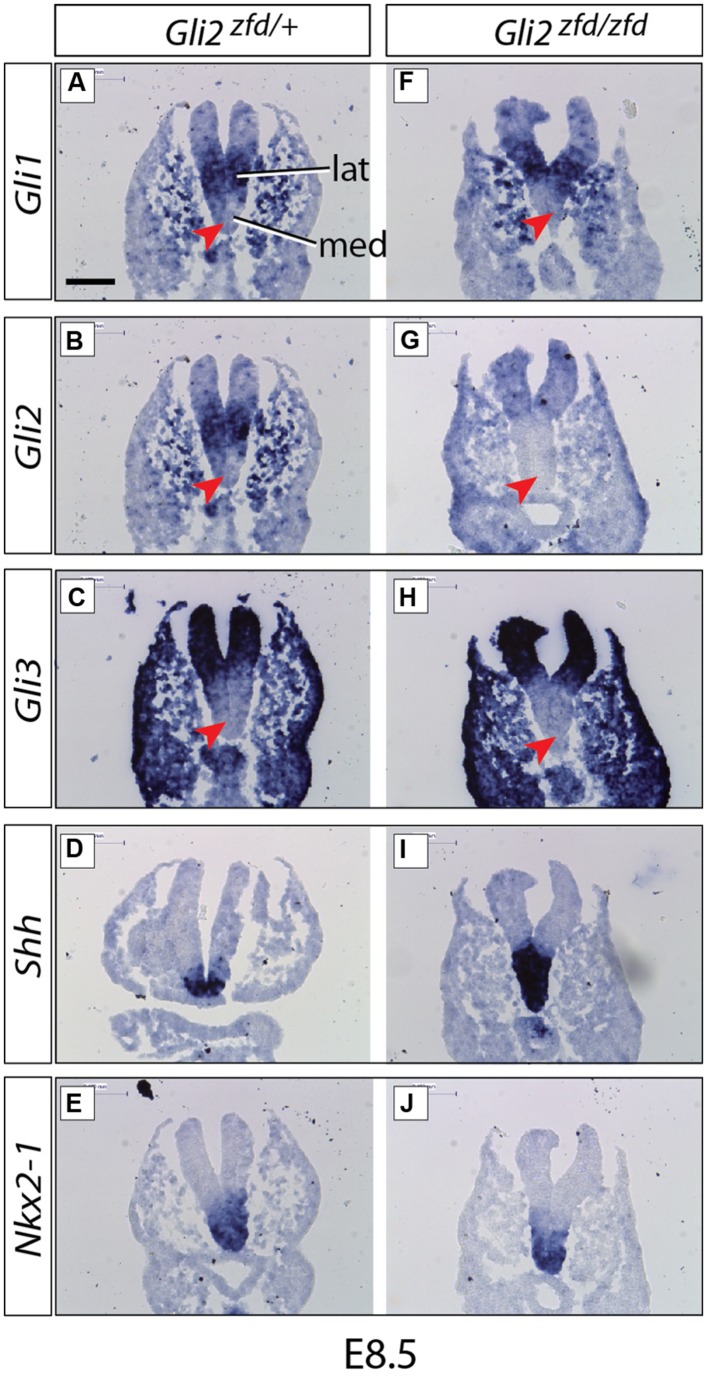
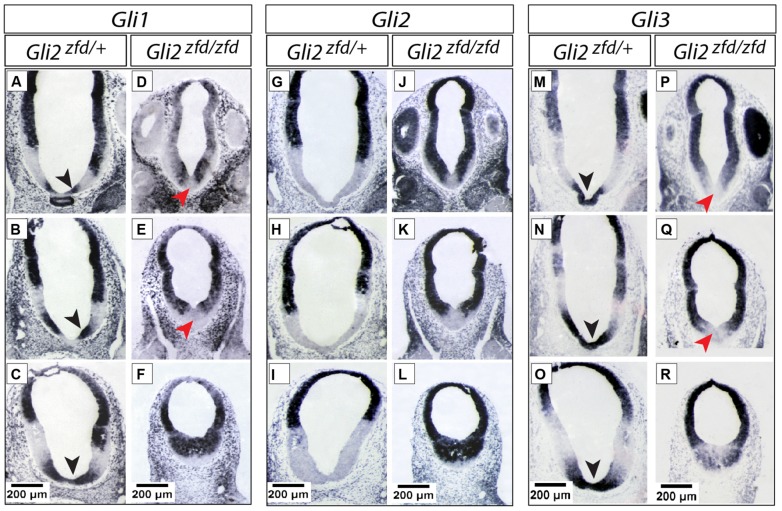
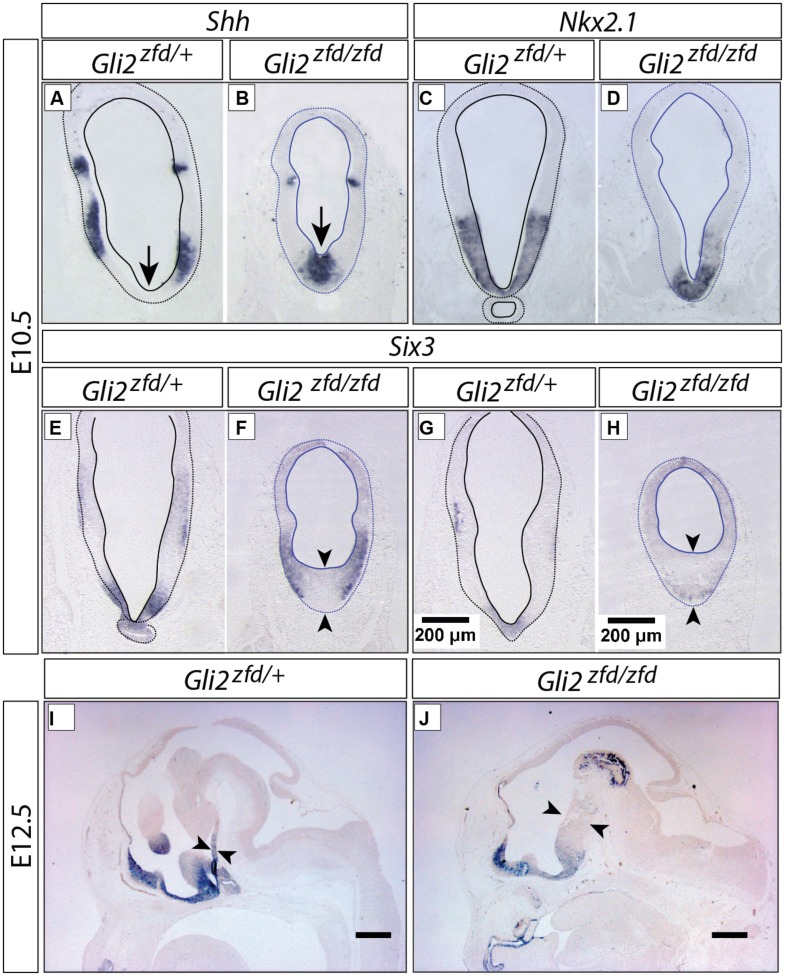
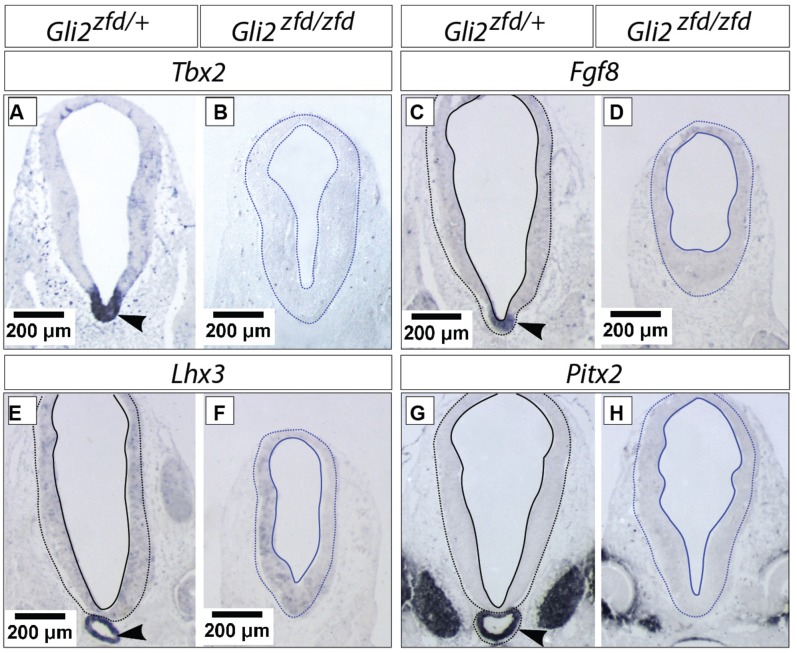
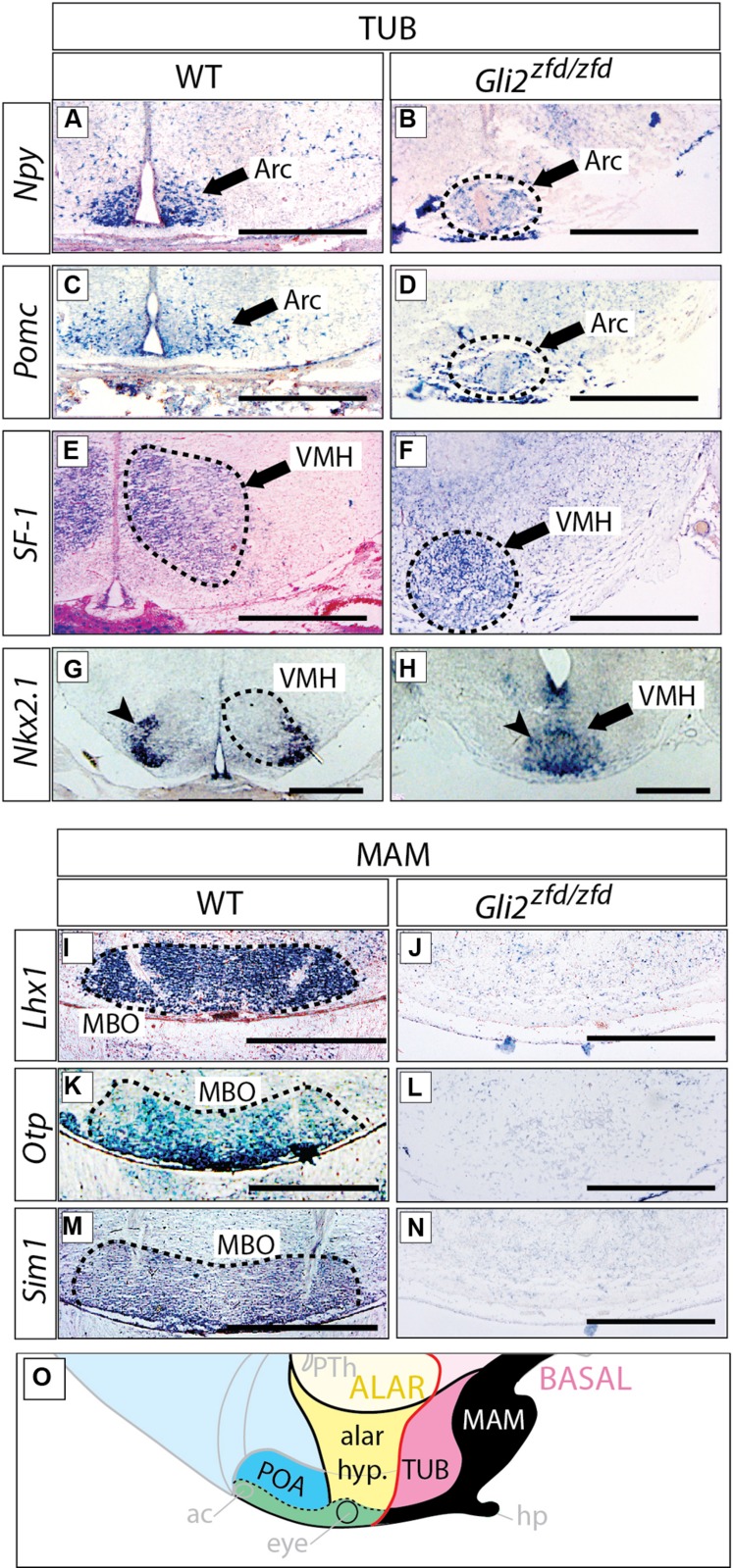
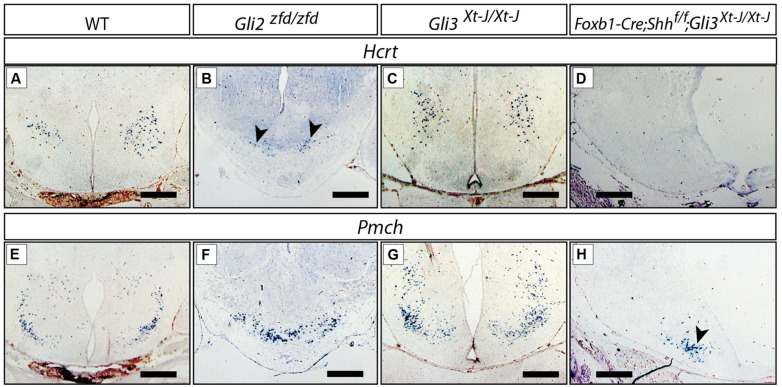
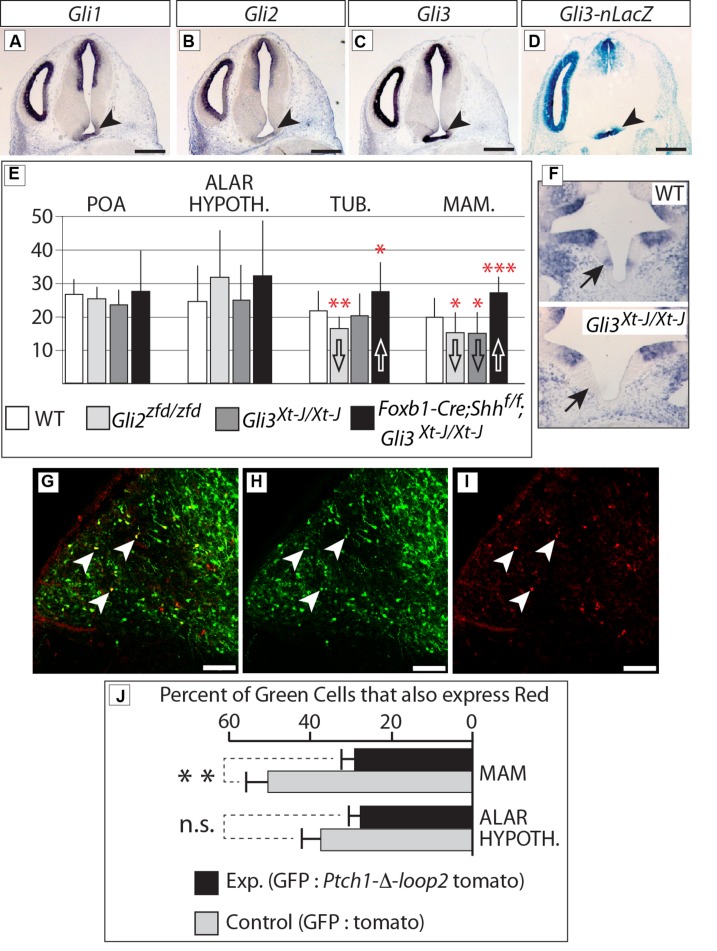
Secreted protein Sonic hedgehog (Shh) ventralizes the neural tube by modulating the crucial balance between activating and repressing functions (GliA, GliR) of transcription factors Gli2 and Gli3. This balance-the Shh-Gli code-is species- and context-dependent and has been elucidated for the mouse spinal cord. The hypothalamus, a forebrain region regulating vital functions like homeostasis and hormone secretion, shows dynamic and intricate Shh expression as well as complex regional differentiation. Here we asked if particular combinations of Gli2 and Gli3 and of GliA and GliR functions contribute to the variety of hypothalamic regions, i.e., we wanted to approach the question of a possible hypothalamic version of the Shh-Gli code. Based on mouse mutant analysis, we show that: (1) hypothalamic regional heterogeneity is based in part on differentially stringent requirements for Gli2 or Gli3; (2) another source of diversity are differential requirements for Shh of neural vs. non-neural origin; (3) the medial progenitor domain known to depend on Gli2 for its development generates several essential hypothalamic nuclei plus the pituitary and median eminence; (4) the suppression of Gli3R by neural and non-neural Shh is essential for hypothalamic specification. Finally, we have mapped our results on a recent model which considers the hypothalamus as a transverse region with alar and basal portions. Our data confirm the model and are explained by it.
分泌蛋白音猬因子(Shh)通过调节转录因子Gli2和Gli3激活与抑制功能(GliA、GliR)之间的关键平衡,使神经管腹侧化。这种平衡——Shh-Gli编码——因物种和环境而异,并且在小鼠脊髓中已得到阐明。下丘脑是调节体内平衡和激素分泌等重要功能的前脑区域,表现出动态且复杂的Shh表达以及复杂的区域分化。在此,我们探讨Gli2和Gli3的特定组合以及GliA和GliR功能的特定组合是否对下丘脑区域的多样性有贡献,即我们想探讨是否存在下丘脑版本的Shh-Gli编码这一问题。基于小鼠突变分析,我们发现:(1)下丘脑区域异质性部分基于对Gli2或Gli3的不同严格需求;(2)另一个多样性来源是神经源性与非神经源性Shh的不同需求;(3)已知依赖Gli2进行发育的内侧祖细胞结构域产生几个重要的下丘脑核团以及垂体和正中隆起;(4)神经源性和非神经源性Shh对Gli3R的抑制对于下丘脑特化至关重要。最后,我们将我们的结果映射到一个最近的模型上,该模型将下丘脑视为一个具有翼板和基板部分的横向区域。我们的数据证实了该模型,并能由该模型解释。