Kimura Hideo
Department of Molecular Pharmacology, National Institute of Neuroscience, NCNP.
Proc Jpn Acad Ser B Phys Biol Sci. 2015;91(4):131-59. doi: 10.2183/pjab.91.131.
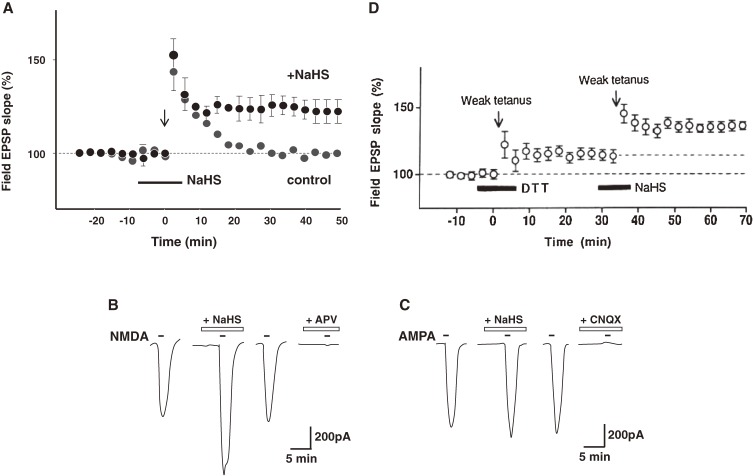
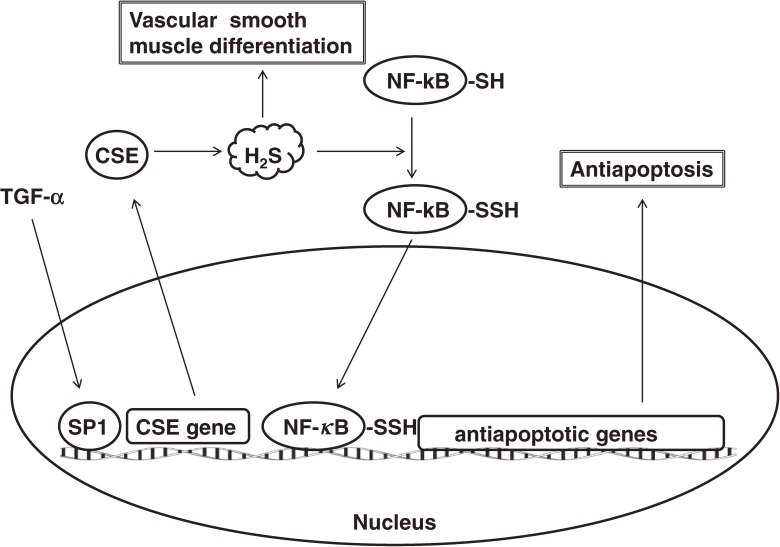
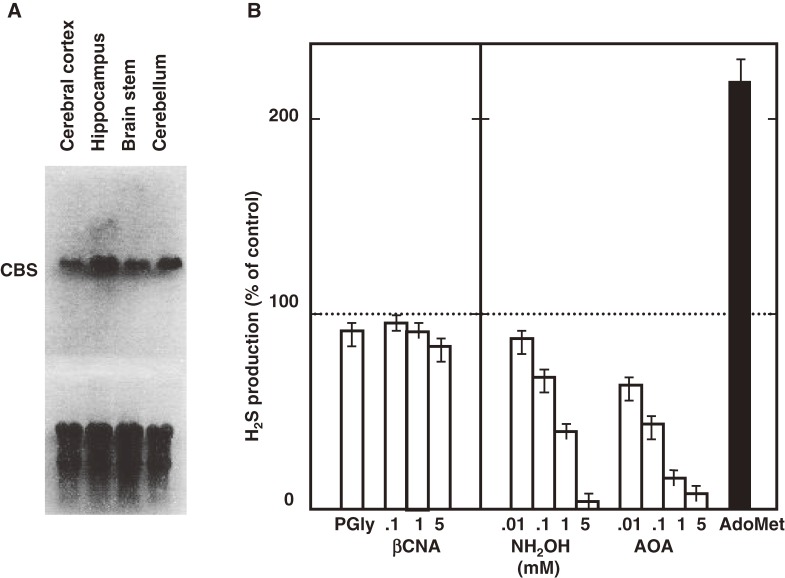
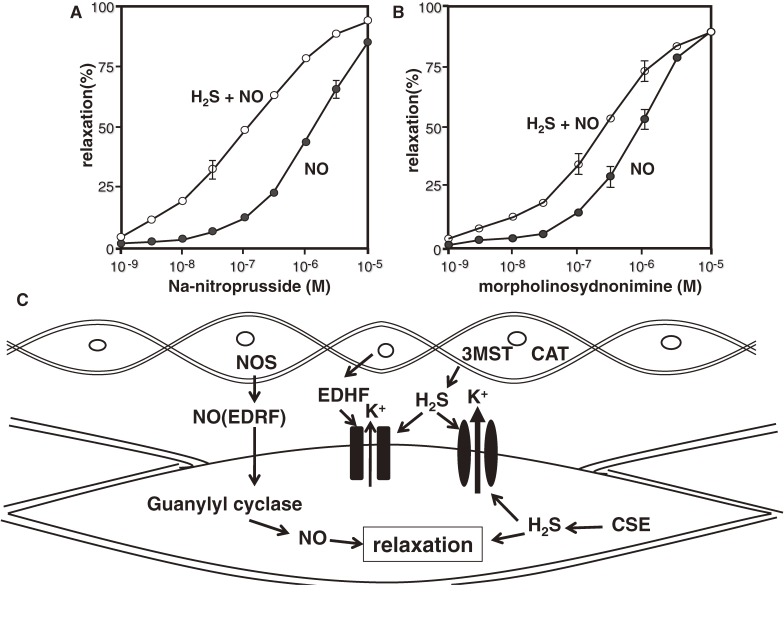
Hydrogen sulfide (H2S) is a familiar toxic gas that smells of rotten eggs. After the identification of endogenous H2S in the mammalian brain two decades ago, studies of this molecule uncovered physiological roles in processes such as neuromodulation, vascular tone regulation, cytoprotection against oxidative stress, angiogenesis, anti-inflammation, and oxygen sensing. Enzymes that produce H2S, such as cystathionine β-synthase, cystathionine γ-lyase, and 3-mercaptopyruvate sulfurtransferase have been studied intensively and well characterized. Polysulfides, which have a higher number of inner sulfur atoms than that in H2S, were recently identified as potential signaling molecules that can activate ion channels, transcription factors, and tumor suppressors with greater potency than that of H2S. This article focuses on our contribution to the discovery of these molecules and their metabolic pathways and mechanisms of action.
硫化氢(H₂S)是一种大家熟悉的有毒气体,闻起来有臭鸡蛋的味道。二十年前在哺乳动物大脑中发现内源性H₂S后,对该分子的研究揭示了其在神经调节、血管张力调节、抗氧化应激细胞保护、血管生成、抗炎和氧感应等过程中的生理作用。产生H₂S的酶,如胱硫醚β-合酶、胱硫醚γ-裂解酶和3-巯基丙酮酸硫转移酶,已得到深入研究且特性明确。多硫化物比H₂S含有更多的内部硫原子,最近被确定为潜在的信号分子,其激活离子通道、转录因子和肿瘤抑制因子的效力比H₂S更强。本文重点介绍我们在发现这些分子及其代谢途径和作用机制方面所做的贡献。