Zeininger Lukas, Klaumünzer Martin, Peukert Wolfgang, Hirsch Andreas
Institute of Organic Chemistry, Friedrich-Alexander Universität Erlangen-Nürnberg, Henkestrasse 42, 91054 Erlangen, Germany.
Institute of Particle Technology, Friedrich-Alexander Universität Erlangen-Nürnberg, Cauerstrasse 4, 91058 Erlangen, Germany.
Int J Mol Sci. 2015 Apr 13;16(4):8186-200. doi: 10.3390/ijms16048186.
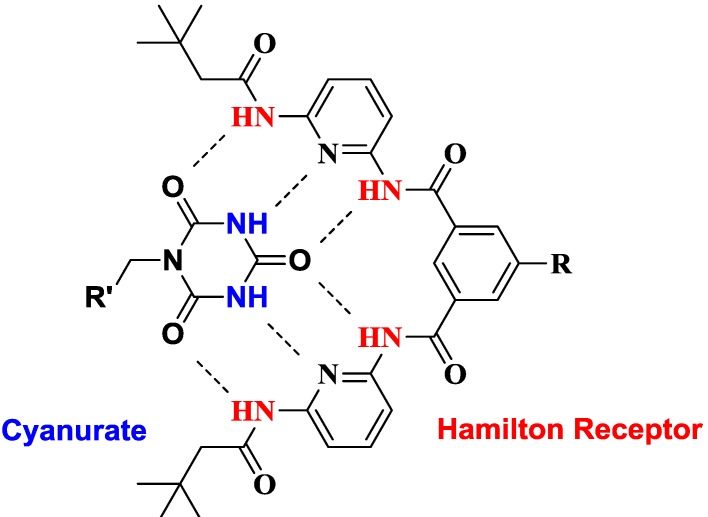
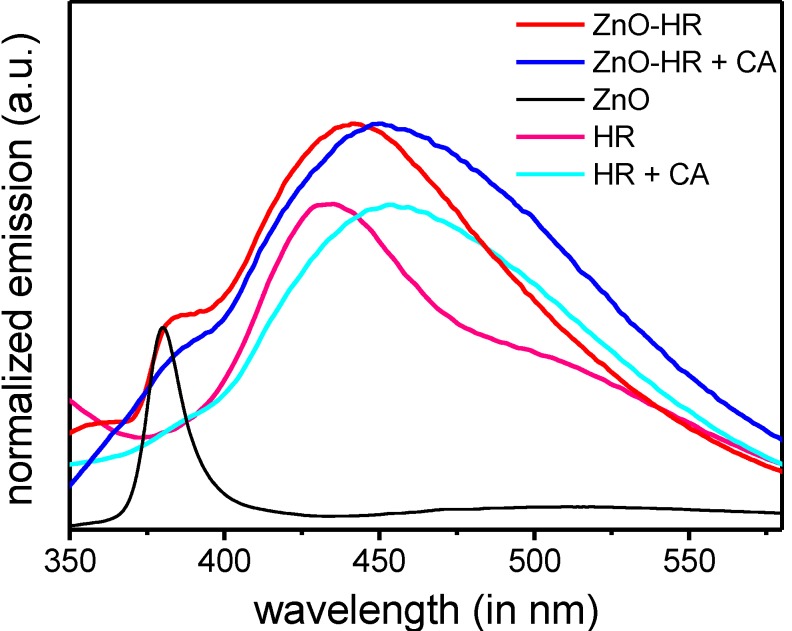
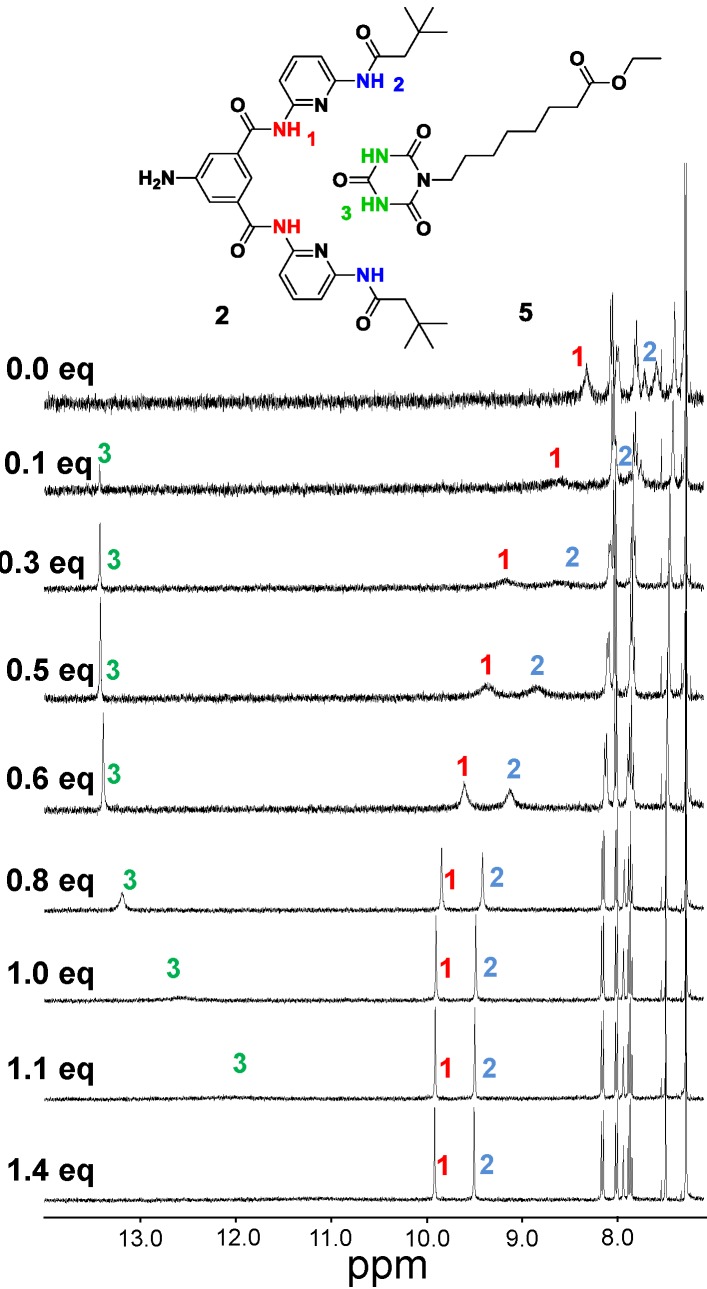
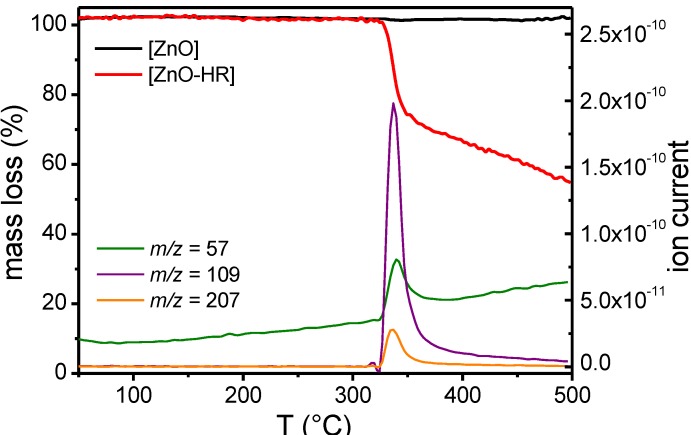
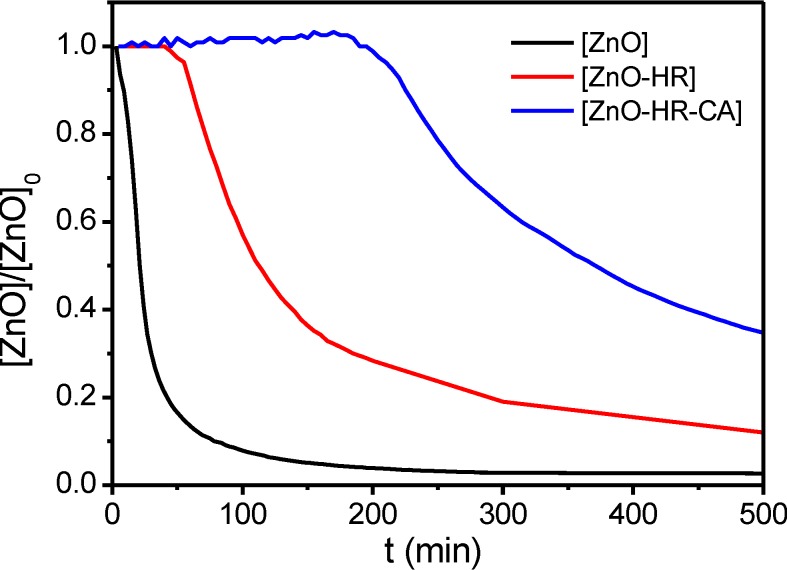
A new prototype of a Hamilton receptor suitable for the functionalization of inorganic nanoparticles was synthesized and characterized. The hydrogen bonding receptor was coupled to a catechol moiety, which served as anchor group for the functionalization of metal oxides, in particular zinc oxide. Synthesized zinc oxide nanorods [ZnO] were used for surface functionalization. The wet-chemical functionalization procedure towards monolayer-grafted particles [ZnO-HR] is described and a detailed characterization study is presented. In addition, the detection of specific cyanurate molecules is demonstrated. The hybrid structures [ZnO-HR-CA] were stable towards agglomeration and exhibited enhanced dispersability in apolar solvents. This observation, in combination with several spectroscopic experiments gave evidence of the highly directional supramolecular recognition at the surface of nanoparticles.
合成并表征了一种适用于无机纳米粒子功能化的新型汉密尔顿受体原型。该氢键受体与儿茶酚部分相连,儿茶酚部分作为金属氧化物(特别是氧化锌)功能化的锚定基团。合成的氧化锌纳米棒[ZnO]用于表面功能化。描述了朝向单层接枝颗粒[ZnO-HR]的湿化学功能化过程,并给出了详细的表征研究。此外,还展示了对特定氰尿酸酯分子的检测。杂化结构[ZnO-HR-CA]对团聚稳定,并且在非极性溶剂中表现出增强的分散性。这一观察结果与几个光谱实验相结合,证明了纳米粒子表面存在高度定向的超分子识别。