Musante Luca, Tataruch Dorota, Gu Dongfeng, Liu Xinyu, Forsblom Carol, Groop Per-Henrik, Holthofer Harry
Centre for Bioanalytical Sciences (CBAS), Dublin City University, Dublin 9, Ireland.
Folkhälsan Institute of Genetics, Folkhälsan Research Center, 00100 Helsinki, Finland ; Department of Medicine, Division of Nephrology, Helsinki University Central Hospital, 00100 Helsinki, Finland ; Diabetes and Obesity, Research Program Unit, University of Helsinki, 00100 Helsinki, Finland.
J Diabetes Res. 2015;2015:289734. doi: 10.1155/2015/289734. Epub 2015 Mar 19.
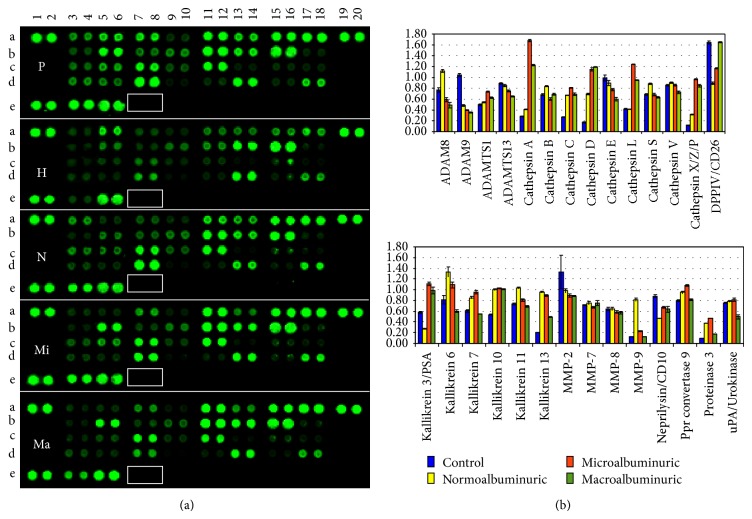
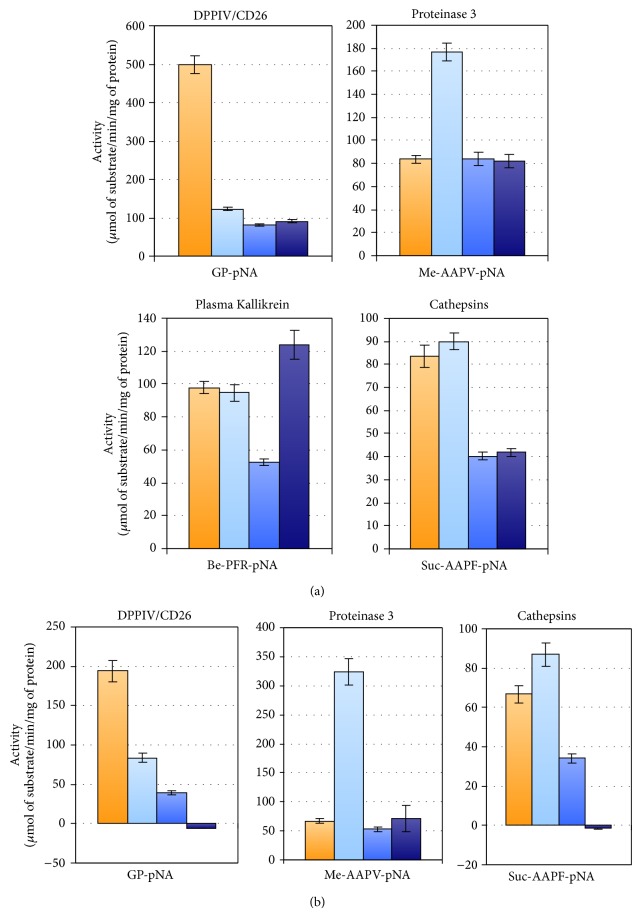
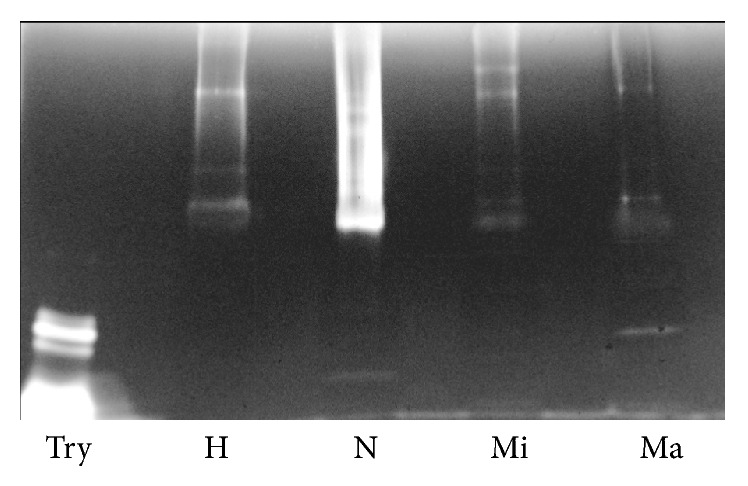
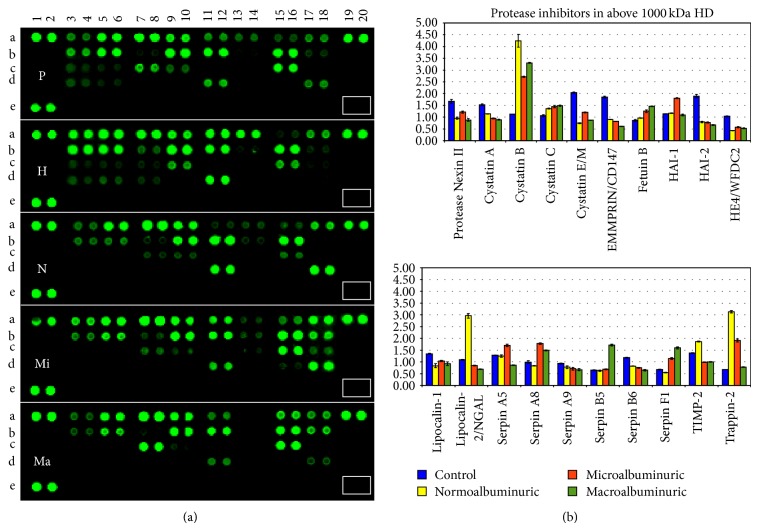
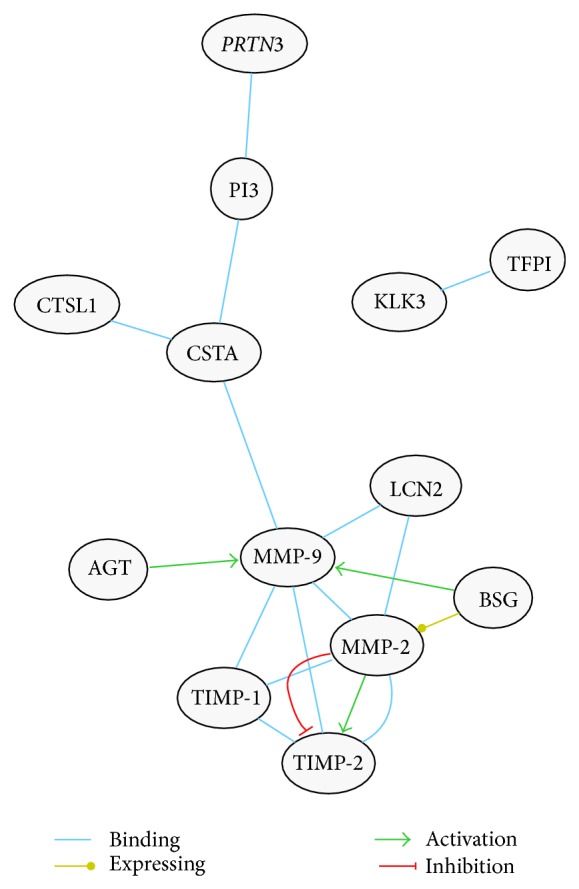
Diabetic nephropathy (DN) is one of the major complications of diabetes mellitus (DM), leads to chronic kidney disease (CKD), and, ultimately, is the main cause for end-stage kidney disease (ESKD). Beyond urinary albumin, no reliable biomarkers are available for accurate early diagnostics. Urinary extracellular vesicles (UEVs) have recently emerged as an interesting source of diagnostic and prognostic disease biomarkers. Here we used a protease and respective protease inhibitor array to profile urines of type 1 diabetes patients at different stages of kidney involvement. Urine samples were divided into groups based on the level of albuminuria and UEVs isolated by hydrostatic dialysis and screened for relative changes of 34 different proteases and 32 protease inhibitors, respectively. Interestingly, myeloblastin and its natural inhibitor elafin showed an increase in the normo- and microalbuminuric groups. Similarly, a characteristic pattern was observed in the array of protease inhibitors, with a marked increase of cystatin B, natural inhibitor of cathepsins L, H, and B as well as of neutrophil gelatinase-associated Lipocalin (NGAL) in the normoalbuminuric group. This study shows for the first time the distinctive alterations in comprehensive protease profiles of UEVs in diabetic nephropathy and uncovers intriguing mechanistic, prognostic, and diagnostic features of kidney damage in diabetes.
糖尿病肾病(DN)是糖尿病(DM)的主要并发症之一,可导致慢性肾脏病(CKD),并最终成为终末期肾病(ESKD)的主要原因。除尿白蛋白外,尚无可靠的生物标志物可用于准确的早期诊断。尿细胞外囊泡(UEV)最近已成为诊断和预后疾病生物标志物的一个有趣来源。在此,我们使用蛋白酶和相应的蛋白酶抑制剂阵列对1型糖尿病患者肾脏受累不同阶段的尿液进行分析。根据蛋白尿水平将尿液样本分组,通过静水压透析分离UEV,并分别筛选34种不同蛋白酶和32种蛋白酶抑制剂的相对变化。有趣的是,髓细胞生成素及其天然抑制剂弹性蛋白酶在正常白蛋白尿组和微量白蛋白尿组中均有所增加。同样,在蛋白酶抑制剂阵列中观察到一种特征模式,在正常白蛋白尿组中,组织蛋白酶L、H和B以及中性粒细胞明胶酶相关脂质运载蛋白(NGAL)的天然抑制剂胱抑素B显著增加。本研究首次展示了糖尿病肾病中UEV综合蛋白酶谱的独特变化,并揭示了糖尿病肾损伤有趣的机制、预后和诊断特征。