Xu Chuanjun, Zeng Biyu, Huang Junmei, Huang Wen, Liu Yumei
Fujian Key Laboratory of Physiology and Biochemistry for Subtropical Plants, Fujian Institute of Subtropical Botany, Xiamen, 361006, P. R. China.
Fujian Key Laboratory of Physiology and Biochemistry for Subtropical Plants, Fujian Institute of Subtropical Botany, Xiamen, 361006, P. R. China; Xiamen Overseas Chinese Subtropical Plant Introduction Garden, Fujian Institute of Subtropical Botany, Xiamen, 361002, P. R. China.
PLoS One. 2015 Apr 14;10(4):e0123356. doi: 10.1371/journal.pone.0123356. eCollection 2015.
Explant browning presents a major problem for in vitro culture, and can lead to the death of the explant and failure of regeneration. Considerable work has examined the physiological mechanisms underlying Phalaenopsis leaf explant browning, but the molecular mechanisms of browning remain elusive. In this study, we used whole genome RNA sequencing to examine Phalaenopsis leaf explant browning at genome-wide level.
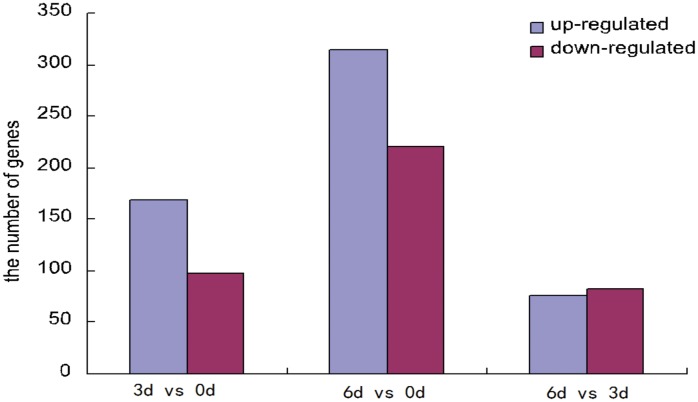
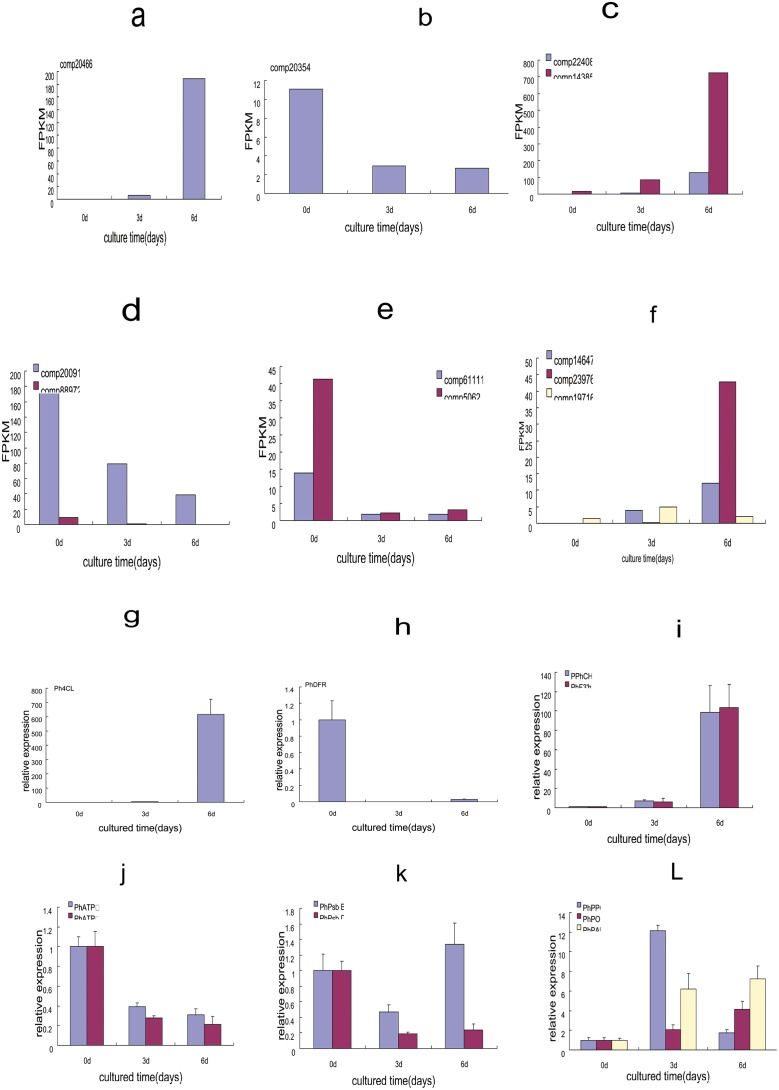
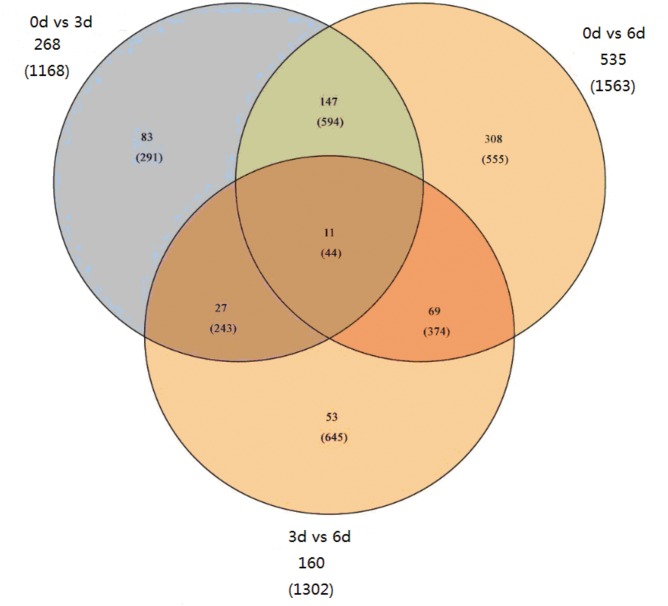
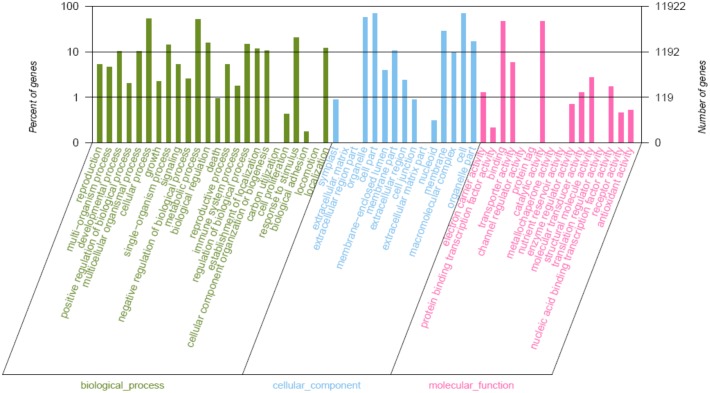
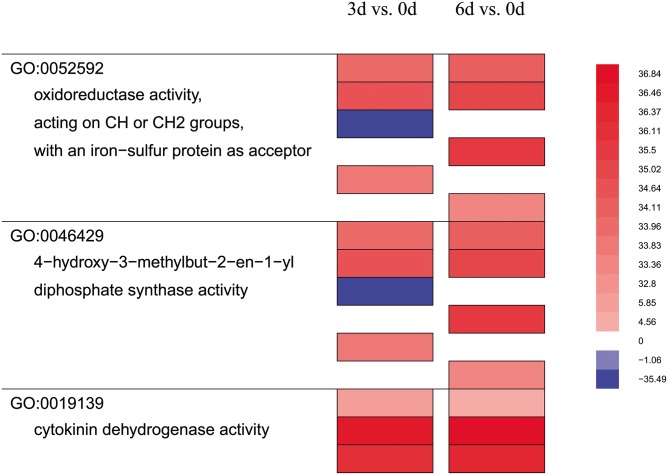
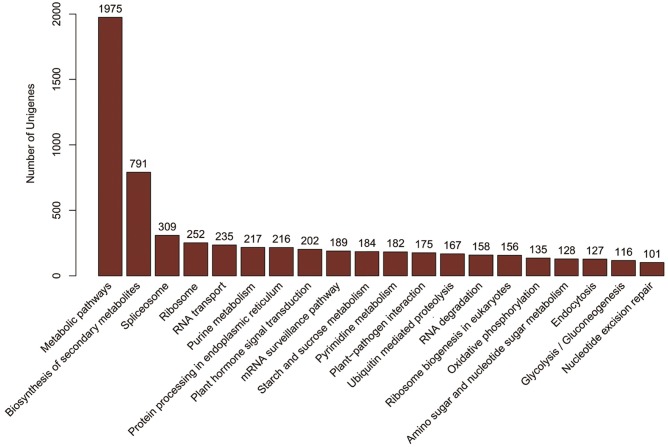
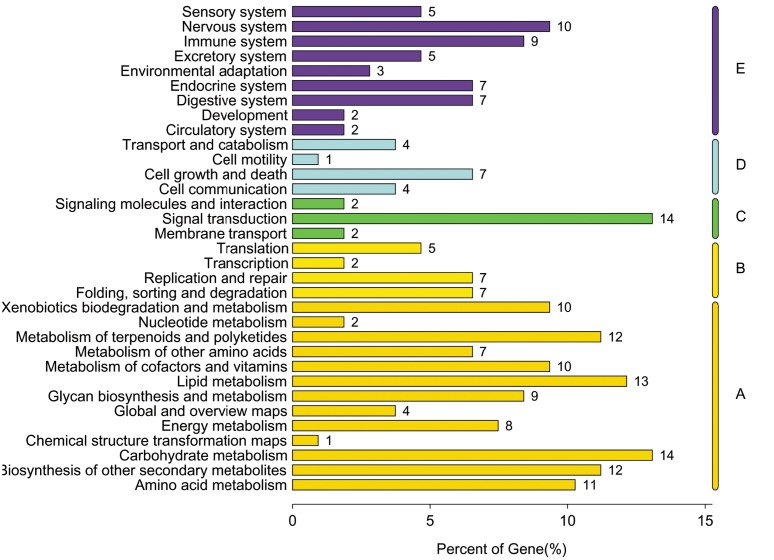
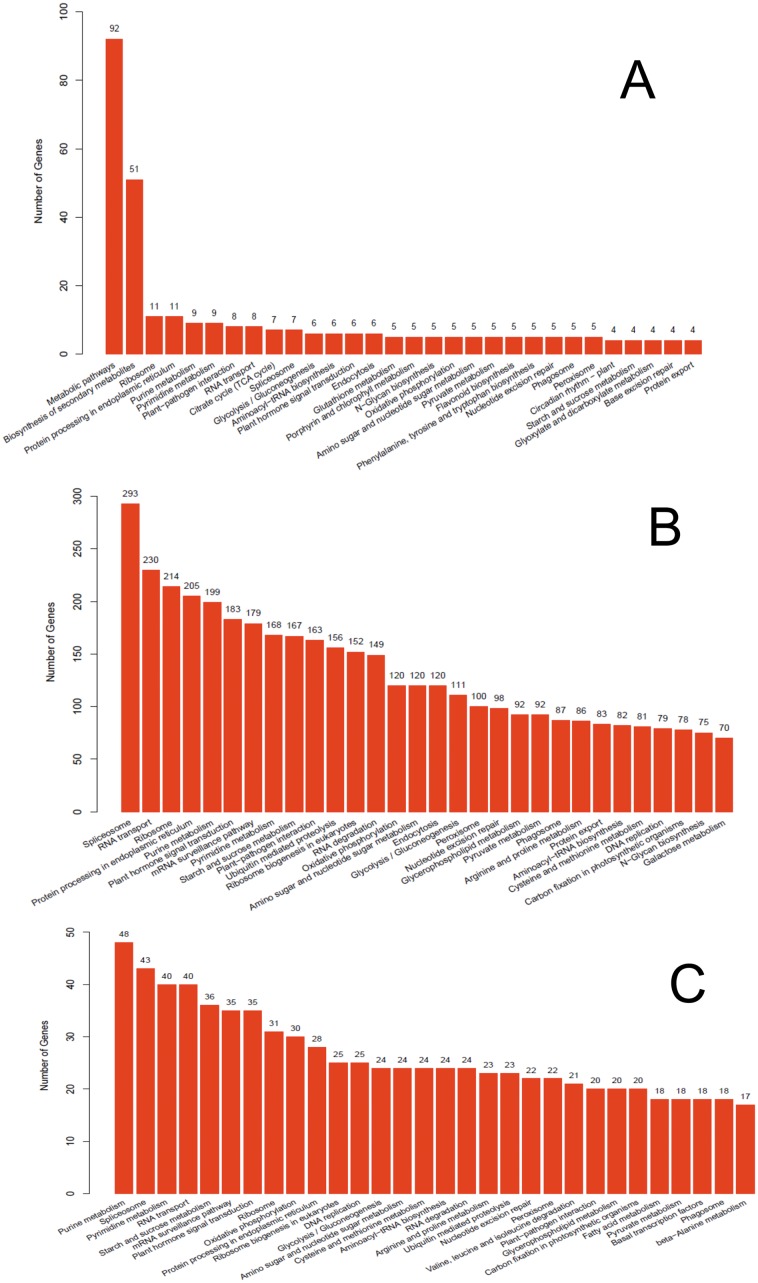
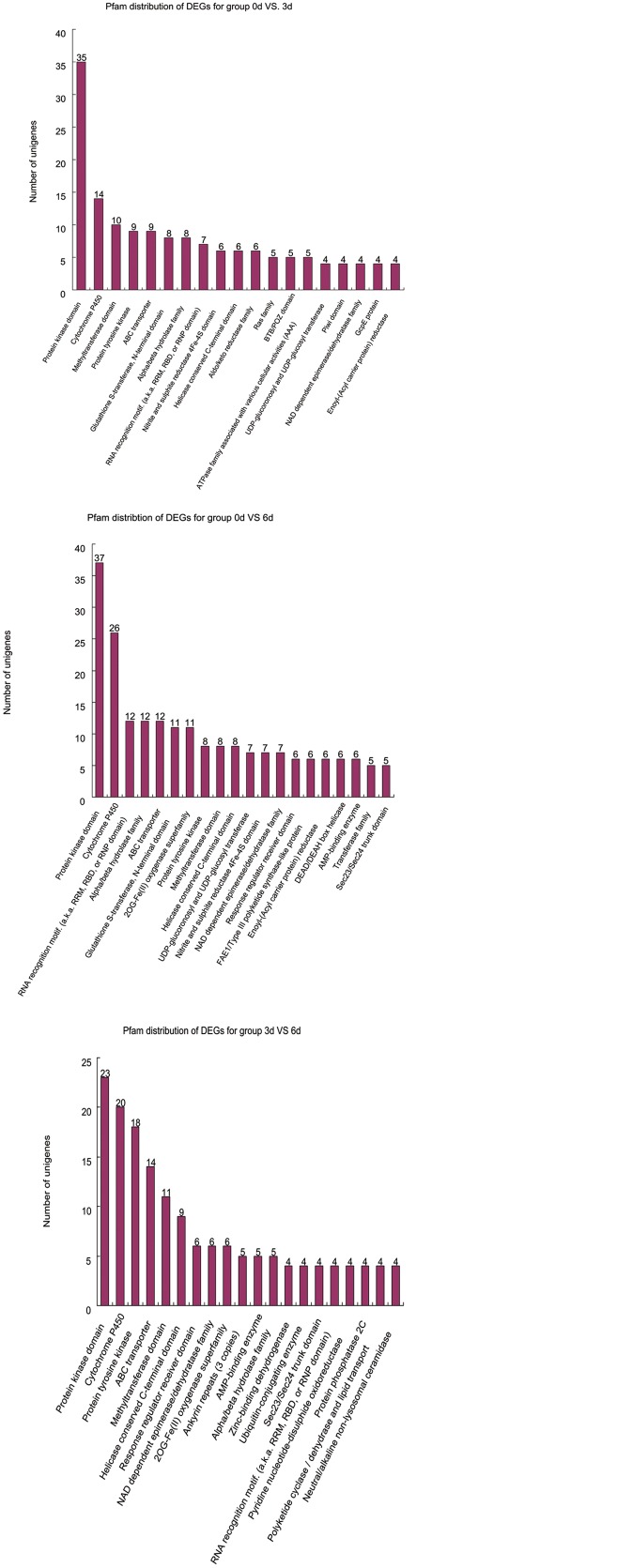
METHODOLOGY/PRINCIPAL FINDINGS: We first used Illumina high-throughput technology to sequence the transcriptome of Phalaenopsis and then performed de novo transcriptome assembly. We assembled 79,434,350 clean reads into 31,708 isogenes and generated 26,565 annotated unigenes. We assigned Gene Ontology (GO) terms, Kyoto Encyclopedia of Genes and Genomes (KEGG) annotations, and potential Pfam domains to each transcript. Using the transcriptome data as a reference, we next analyzed the differential gene expression of explants cultured for 0, 3, and 6 d, respectively. We then identified differentially expressed genes (DEGs) before and after Phalaenopsis explant browning. We also performed GO, KEGG functional enrichment and Pfam analysis of all DEGs. Finally, we selected 11 genes for quantitative real-time PCR (qPCR) analysis to confirm the expression profile analysis.
CONCLUSIONS/SIGNIFICANCE: Here, we report the first comprehensive analysis of transcriptome and expression profiles during Phalaenopsis explant browning. Our results suggest that Phalaenopsis explant browning may be due in part to gene expression changes that affect the secondary metabolism, such as: phenylpropanoid pathway and flavonoid biosynthesis. Genes involved in photosynthesis and ATPase activity have been found to be changed at transcription level; these changes may perturb energy metabolism and thus lead to the decay of plant cells and tissues. This study provides comprehensive gene expression data for Phalaenopsis browning. Our data constitute an important resource for further functional studies to prevent explant browning.
外植体褐化是离体培养中的一个主要问题,可导致外植体死亡和再生失败。已有大量研究探讨了蝴蝶兰叶片外植体褐化的生理机制,但褐化的分子机制仍不清楚。在本研究中,我们利用全基因组RNA测序在全基因组水平上研究蝴蝶兰叶片外植体褐化。
方法/主要发现:我们首先使用Illumina高通量技术对蝴蝶兰转录组进行测序,然后进行转录组从头组装。我们将79,434,350条clean reads组装成31,708个isogene,并生成了26,565个注释的单基因。我们为每个转录本指定了基因本体论(GO)术语、京都基因与基因组百科全书(KEGG)注释和潜在的Pfam结构域。以转录组数据为参考,我们接下来分别分析了培养0、3和6天的外植体的差异基因表达。然后,我们鉴定了蝴蝶兰外植体褐化前后的差异表达基因(DEG)。我们还对所有DEG进行了GO、KEGG功能富集和Pfam分析。最后,我们选择了11个基因进行定量实时PCR(qPCR)分析,以确认表达谱分析。
结论/意义:在此,我们首次全面分析了蝴蝶兰外植体褐化过程中的转录组和表达谱。我们的结果表明,蝴蝶兰外植体褐化可能部分归因于影响次生代谢的基因表达变化,如:苯丙烷途径和类黄酮生物合成。已发现参与光合作用和ATP酶活性的基因在转录水平上发生了变化;这些变化可能扰乱能量代谢,从而导致植物细胞和组织的衰败。本研究为蝴蝶兰褐化提供了全面的基因表达数据。我们的数据构成了进一步进行功能研究以防止外植体褐化的重要资源。